
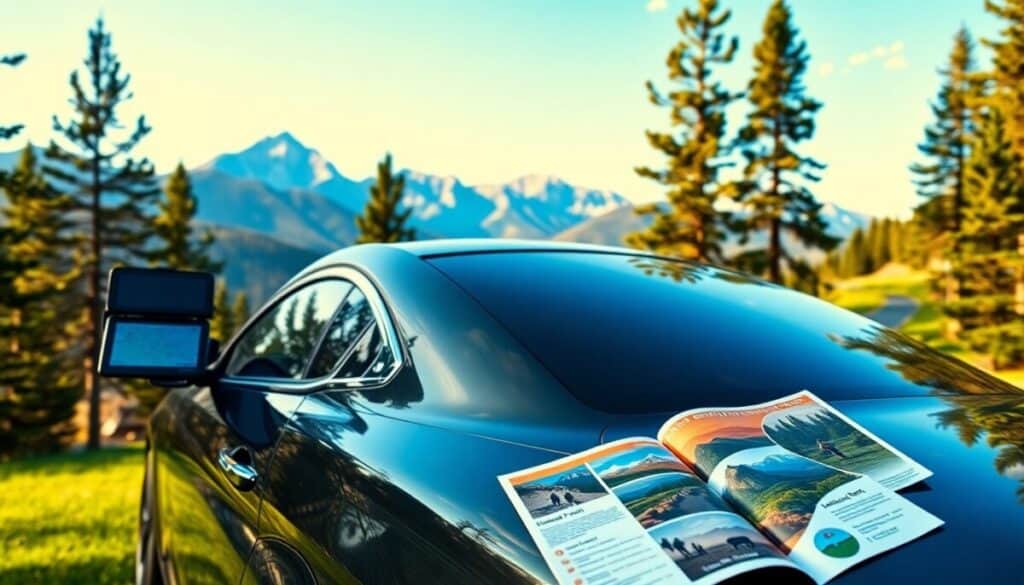
A rental car is often the difference between a national park trip that feels limited and one that feels open, flexible, and easy to manage. It helps most when parks have scattered trailheads, early sunrise drives, limited shuttles, or lodging outside the main gate.
| Trip situation | Best fit | Why it matters |
|---|---|---|
| Lodging is outside the park or far from the trailheads | Rent A Car | You can move on your own schedule without relying on shuttles or rideshares. |
| The park has a strong shuttle system and you are staying near the main corridor | Consider shuttle + transit | This can reduce parking stress and simplify busy-season travel. |
| You want scenic drives, sunrise stops, or multiple overlooks in one day | Rent A Car | Scenic routes are easier to enjoy when you can stop where and when you want. |
| You are visiting one compact park with frequent ranger transport and light baggage | Either option may work | Pick the option that keeps the day simplest and most affordable. |
If you are still comparing broader trip options, the broader booking advice on top car rental websites can help you narrow the supplier before you choose the vehicle.
For park-focused travel, the right question is not simply “Should I rent a car?” It is whether your park plan depends on early starts, long scenic roads, gear storage, or flexible detours. If the answer is yes, a rental usually earns its keep—especially in places where public transport stops at the visitor center or runs only during peak season. For a related use case that overlaps with park and leisure planning, see weekend adventure escapes, which covers the same flexibility problem from a shorter-trip angle.
You control departure time, can reach trailheads that sit far apart, and can stop for overlooks, wildlife sightings, or weather changes without reworking the whole day.
Large parks, scenic byways, remote viewpoints, and itineraries that start before sunrise or continue after sunset tend to reward having your own vehicle.
The Strongest Reasons To Rent For A Park Trip
National parks work differently from city breaks. Attractions are spread out, the best light often happens early or late, and parking can shape the whole day. A car gives you more than convenience; it gives you control over timing and routing.
You Can Follow The Park’s Natural Rhythm
Sunrise at a canyon overlook, a mid-morning hike, lunch at a scenic pull-off, and a sunset drive are much easier when you are not checking shuttle schedules every hour. In parks such as Yosemite, Glacier, or the Grand Canyon, those early and late windows often produce the best views and the lightest crowds.
That freedom also matters if weather changes quickly. You can shift from a long hike to a short drive, or swap a high-elevation trail for a lower, warmer valley route. In practice, a rental car makes the itinerary adaptive instead of fixed.
You Can Reach Scattered Trailheads And Overlooks
Many parks are not designed around one central attraction. Denali, Joshua Tree, and Yellowstone all reward travelers who can move between trailheads, pullouts, visitor centers, and scenic routes without waiting on transit. Some of the most memorable stops are not the busiest ones, but the places you reach only by following a road for another 20 or 30 minutes.
That is also why a vehicle is useful for families and small groups. It keeps snacks, jackets, cameras, binoculars, and daypacks close at hand, which reduces the friction of moving between stops and makes long park days feel manageable.
You Can Reduce The Time Cost Of Park Logistics
If your hotel, cabin, or campground sits outside the park boundary, the shuttle-only approach may add transfer time in both directions. Parking at one trailhead, waiting for a connector, and then trying to line up a return ride can eat into the part of the day you actually came to enjoy. A rental car simplifies those transitions and lets you stack multiple stops in one loop.
When Public Transport Or Shuttles May Be Enough
A rental is not the right answer for every park trip. Some parks run efficient shuttle networks, limit private traffic in busy areas, or make parking so difficult that leaving the car behind is actually easier. If you are staying in a gateway town and visiting a compact park core, a shuttle can be the calmer option.
This is where the national park angle differs from a generic road trip. A park trip is not just about distance; it is about access windows, congestion at key lots, and whether you can efficiently reach trailheads before the crowds. If you want a broader example of how vehicle choice changes a leisure trip, the theme park travel guide shows the same convenience logic in a very different setting.
What To Check Before You Book
The best rental for a national park trip is not always the cheapest one. It is the vehicle and policy combination that fits the roads, the mileage, and the timing of your route.
Vehicle Size
Choose enough room for people, layers, water, and gear. A compact car works for light travel; an SUV or minivan helps with families, camping equipment, or longer park days.
Road Conditions
If your route includes gravel, mountain grades, winter conditions, or remote access roads, check whether a higher-clearance or 4WD vehicle is worth the upgrade.
Mileage Policy
If you are connecting several parks or driving from airport to park to airport, unlimited mileage can be more useful than a lower base rate with restrictions.
Insurance And Coverage
Remote drives, variable road surfaces, and limited-cell areas make coverage details worth reading closely before you confirm the booking.
If policy language is the part that slows you down, this site’s guide to cancellation fees and the related explanation of hidden fees can help you compare offers more confidently.
When To Book For The Best Results
Timing matters more for national park trips than many travelers expect. Park season, school holidays, weather, and major weekend demand can all affect both car availability and pricing. The safest approach is to book early whenever your trip falls in a high-traffic window.
For travelers who are still comparing routes and trip formats, the broader advice on renting a car in the UK is a useful reminder that road conditions, itinerary shape, and pickup location all affect the right booking choice. The same principle applies in national parks: lock in the vehicle once the route is set.
How To Choose The Right Car For Park Roads And Parking
The best vehicle is the one that fits your route without creating unnecessary cost. Most park trips do not need anything extreme, but a thoughtful choice can save time and frustration.
Compact Car
Best for solo travelers, couples, or light-packing trips where roads are paved and parking is tight. A smaller car can be easier to place in crowded lots, especially in park gateways and trailhead areas.
Suv Or Crossover
Best for families, mixed terrain, cooler climates, or trips with more gear. The extra space is valuable when jackets, snacks, daypacks, and camera equipment all need a place to live for several days.
4Wd Or Higher-Clearance Vehicle
Best when your route includes rougher access roads, snow-prone areas, or destinations where park guidance specifically calls out a more capable vehicle. Do not pay for this by default; book it only when the route justifies it.
Van Or Larger Group Vehicle
Best for family trips, multi-generation travel, or groups sharing supplies. If your plan includes campgrounds or multiple park stops in one day, the larger space can keep the trip organized.
A Simple Planning Checklist Before You Hit Reserve
- Confirm where you will sleep: inside the park, at a gateway town, or near the airport.
- Check whether your park has shuttles, timed entry, or restricted roads.
- Estimate daily driving, not just total trip mileage.
- Choose a vehicle that fits bags, water, layers, and any outdoor gear.
- Read the fuel policy, mileage rules, and cancellation terms before payment.
- Save offline maps in case the park has weak service.
If you want a more detailed look at vehicle fit and trip purpose, the guide on choosing the right rental car for your journey is a helpful next step before you finalize the reservation.
Driving Safely Once You Are Inside The Park
National park driving is usually straightforward, but the setting changes the risks. Roads can be narrow, wildlife can appear suddenly, and drivers often spend more time scanning the scenery than the pavement. Keep the pace relaxed and assume the road may demand a stop at any moment.
Watch For Wildlife And Changing Road Conditions
Slow down in dawn and dusk hours, when animals are most active. Stay alert near curves, meadows, and water sources, and follow park guidance if a road closes or a ranger redirects traffic. A quiet, patient approach is safer for both visitors and wildlife.
Plan For Gaps In Phone Service
Do not depend on live navigation alone. Download maps before entering the park and keep a printed route or hotel address handy. That small step matters if you decide to detour, leave a trail early, or reroute around a closure.
Keep The Car Organized
A clean, organized cabin makes repeated stops easier. Keep one bag for layers, one for snacks and water, and one for everyday essentials such as sunscreen, chargers, and permits. That structure reduces the chance of leaving something behind at a trailhead.
Keep The Trip Low-Impact
The easier it is to move around the park, the more important it becomes to do so responsibly. A rental car should support a better park experience, not a heavier footprint.
Choose a fuel-efficient or hybrid option when the route allows it, stay on designated roads and trails, carry out all trash, and avoid leaving food accessible to wildlife. Those habits matter more in parks where ecosystems are fragile and visitation is high.
If green driving is a priority, you may also want to read about renting an electric car and the broader eco-friendly rental options available for longer leisure trips.
Book With A Park Trip In Mind
A national park rental should make the trip simpler from the moment you land or leave home. Compare suppliers, check the vehicle fit, and reserve early if your travel dates fall inside a busy season. If you are still deciding where to start, the broader booking hub at top websites for car rentals is a good place to narrow the shortlist, while weekend adventure planning is useful if your park visit is part of a shorter escape rather than a full road trip.
Use a rental that fits your park schedule, your luggage, and the roads you actually plan to drive. The right booking should make sunrise starts, scenic detours, and parking logistics easier, not harder.
Frequently Asked Questions
What Is The Best Time To Rent A Car For A National Park Trip?
Spring and fall are often the sweet spot because crowds are lighter, weather is usually more manageable, and rental availability tends to be better than in peak summer or holiday weeks. If you are traveling during a high-demand window, book earlier than you would for a city trip.
Should I Rent A Car At The Airport Or Near The Park?
Airport pickup is often easier if you want a single handoff and are driving straight into the park region. Renting closer to the park can make sense if you are arriving by train or spending a night in a gateway town before entering the park.
What Type Of Rental Car Is Best For National Parks?
An SUV or four-wheel-drive vehicle is useful for rougher roads and larger groups, but a compact car can be perfectly adequate for paved park loops, easy parking, and lighter travel. Match the car to the roads rather than to the idea of adventure alone.
How Do I Avoid Surprises When Booking Online?
Read the mileage policy, fuel policy, insurance terms, and cancellation rules before paying. If your park route includes long distances or multiple stops, these details matter more than the headline price.
What Should I Pack If I’m Driving In A Park?
Bring water, snacks, layers, a first-aid kit, offline maps, a flashlight or headlamp, and any gear tied to your activities, such as hiking poles, binoculars, or a picnic cooler.

Megan Hartley is a dedicated writer and travel enthusiast specializing in affordable car rental solutions. With a passion for helping travelers navigate the complexities of securing budget-friendly transportation, she shares insightful tips and engaging content on her platform. Megan’s expertise extends to exploring the latest trends in the car rental industry, ensuring her readers make informed choices for their journeys. Through her work, she inspires others to explore the world without breaking the bank.



Renting a car really does open up a world of possibilities in national parks! I remember my last trip to Zion National Park, where having the flexibility to drive allowed me to chase the sunset at various overlooks without feeling rushed. Plus, with a vehicle, I could easily dive into lesser-known trails that weren’t on the main map – those off-the-beaten-path adventures are often the most rewarding!
Renting a car really does unlock a treasure chest of adventures, doesn’t it? I mean, nothing quite compares to the thrill of cruising through the stunning landscapes of a national park, particularly as the sky decides to put on its evening show. Chasing sunsets in Zion sounds like a dream! It’s hard to beat that feeling of freedom when you’re not scrambling for a shuttle schedule or trying to decipher public transport routes that seem to stretch into the next time zone.
Your insights on the advantages of renting a car near national parks resonate deeply with me. I remember my last trip to Zion National Park, where having the freedom of a rental car allowed me to explore not only the well-known sights but also some lesser-known trails that were tucked away from the main paths. This flexibility truly transformed my experience, turning a simple hike into a day full of unexpected adventures.
Renting a car near national parks truly transforms the experience of connecting with nature. I remember my trip to Zion National Park, where having a vehicle allowed me to chase the sunrise at Angels Landing and then spontaneously stop at scenic overlooks that weren’t on my original itinerary. This freedom not only enriched my adventure but also brought me closer to the breathtaking landscape, especially when I stumbled upon a quiet trail that I would have otherwise missed.
I really resonate with your point about the freedom a rental car can bring to a national park adventure. I took a trip to Zion National Park a couple of years ago, and having my own wheels made all the difference. I remember waking up early to catch the sunrise at Canyon Overlook, which was so worth the drive! The flexibility allowed us to stop and explore lesser-known trails that we might have missed if we were tied to a tour or public transport.
I appreciate the insights shared in your post about the benefits of renting a car online for expeditions near national parks. Indeed, the freedom and flexibility that come with having your own vehicle can transform an ordinary trip into a remarkable adventure. I recall a recent visit to Yellowstone National Park where I rented a compact SUV. The spontaneity it afforded me was incredible; I could stop at scenic viewpoints, linger longer in areas that captivated me, and venture off the beaten path to lesser-known trails, leading to some of the most serene places I’ve experienced in nature.
It sounds like you had a fantastic time in Yellowstone! That kind of freedom really does open up a whole new world on a trip. It’s funny how the little detours can turn into the most memorable moments. I remember stopping at a random overlook once and being blown away by the view—it was a total game changer for the rest of my trip.
I couldn’t agree more about the benefits of renting a car near national parks! It really transforms the experience into something special. I remember visiting Zion National Park last year and spontaneity was key. Having the freedom to drive to less accessible spots, like those hidden trails, made all the difference. Plus, it felt incredible to pull over whenever I wanted to soak in the views or snap a photo without being tethered to a strict schedule. This flexibility not only enhances our connection with nature but also emphasizes the importance of taking time for ourselves away from our daily routines. I’m curious—has anyone else had a similar experience of discovering unexpected gems on the road?
I totally resonate with the idea of having the freedom to explore at your own pace in national parks. I remember a trip to Yellowstone where having a rental car made all the difference. We were able to stop for unexpected wildlife sightings, like a herd of bison crossing the road, which would have been missed on a fixed transport schedule. Plus, the ability to manage our itinerary led us to some local gems—like a hidden hot spring far from the crowded areas.
I wholeheartedly resonate with the idea of renting a car online for exploring national parks! Having that flexibility truly transforms the experience into something extraordinary. I remember my trip to Zion National Park last summer, where renting a car was a game-changer. We were able to wake up early and hit the road to catch the sunrise over the canyon, which was an absolutely magical moment! Plus, having a vehicle at our disposal allowed us to drive over to lesser-known trails like the East Rim Trail, where we encountered stunning vistas without the crowds.
Your insights on renting a car online, especially in the context of national parks, really resonate with me. I remember a trip to Zion National Park where having a rental car allowed us to explore not just the main attractions, but also some of the lesser-known trails that we probably wouldn’t have accessed otherwise. There’s something magical about driving through a park, windows down, with the scent of nature all around.