
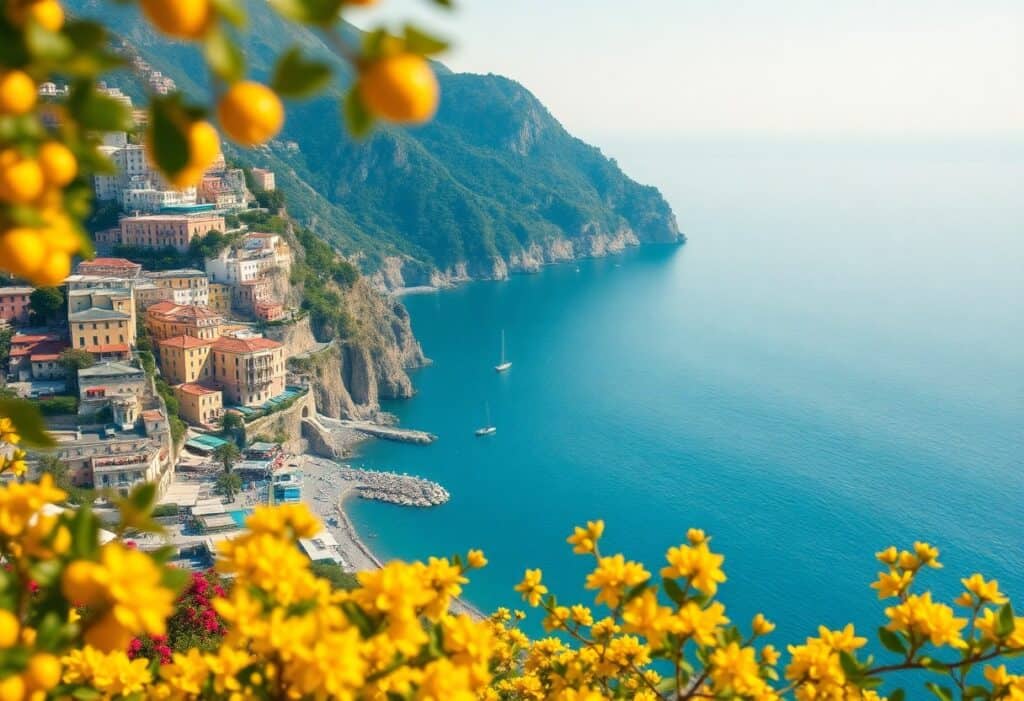
The Amalfi Coast rewards slow, well-timed travel: the right month, the right base, and a route that keeps ferry, bus, and walking time realistic. If you want a trip that feels polished rather than rushed, this 7-day plan is designed to do exactly that, with broader Italy planning support from our travel articles.
Best fit for this itinerary
| Best time to go | April to mid-June, or September to October |
| Crowd level | Moderate in shoulder season, very high in July and August |
| Budget level | Mid-range to high, with strong savings outside peak summer |
| Best for | First-time visitors who want classic towns, one scenic hike, and a relaxed pace |
For route planning across Europe, it can also help to compare structure with a broader trip like the 7-day Portugal itinerary; the Amalfi Coast version works best when it stays tightly focused on coast-hopping, base towns, and timing.

When To Visit For The Smoothest Trip
If you want pleasant weather without the worst crowds, April to mid-June and September to October are the smartest windows. You still get warm days, open ferries, and easier reservations, while hotel rates are usually more manageable than in midsummer.
July and August deliver the classic Mediterranean summer experience, but they also bring the highest prices, the busiest beaches, and the most congested roads. November through March can be peaceful and atmospheric, yet many hotels, ferries, and restaurants reduce hours or close entirely, which makes it a poorer fit for a flexible 7-day loop.
How To Get Around Without Losing Half The Day
For most visitors, the Amalfi Coast is easiest to experience with a mix of ferry, bus, and walking rather than a car. Ferries are the best option for scenic transfers between major towns from spring through early autumn, while the SITA bus network is the low-cost fallback when you need to stay flexible.
A rental car can work for confident drivers, but it adds stress in high season because of traffic, limited parking, and narrow roads. If you prefer to keep logistics simple, start in Sorrento or Naples, move by ferry where possible, and use buses for shorter inland hops.
Trip-planning note
If your style is more road-trip oriented, the Italian road trip guide is a useful companion for understanding driving etiquette, while the Amalfi route itself is still better handled with a lighter-touch transport plan.
A Practical 7-Day Amalfi Coast Route
This itinerary is built to reduce backtracking. It starts with a convenient arrival base, moves into the coast’s most photogenic towns, and finishes with the quieter, more elegant end of the coastline.
Days 1 — 2: Naples And Sorrento
Begin in Naples for a dose of city energy, then shift to Sorrento for your first coastal base. Use these two days for Pompeii, a proper Neapolitan pizza meal, and a slow introduction to the Bay of Naples. Sorrento works well because it is easy to reach, easy to navigate, and well connected for the rest of the week.
Days 3 — 4: Positano And Capri
Move into the coast’s most iconic scenery with Positano, then dedicate a day to Capri. In Positano, spend time at Spiaggia Grande, the Church of Santa Maria Assunta, and the cliffside lanes that define the town’s look. On Capri, prioritize the Blue Grotto if conditions are right, the Faraglioni boat loop, and a long lunch or aperitivo with a view.
Book Capri boat tours early in peak season, because the best departure times and smaller group tours disappear first.
Days 5 — 7: Amalfi, Ravello, And The Path Of The Gods
Finish with Amalfi Town, Ravello, and the coastline’s most famous hike. Amalfi gives you history, paper mills, and easy access to the water, while Ravello offers gardens, villas, and a quieter atmosphere above the coast. The Path of the Gods is the week’s active highlight, best tackled early in the morning before the heat builds.
If you want the strongest views, plan time for Villa Rufolo and Villa Cimbrone in Ravello, then keep one final evening free for a slow meal and a last look at the coast.

Where To Stay By Travel Style
The best base depends on how much movement you want to do. For a 7-day trip, the biggest mistake is trying to sleep in a different town every night; two well-chosen bases are usually enough, and they make ferry and bus planning much easier.
The article’s original hotel range still holds true: luxury hotels can run from about €500 to €2,000+ a night, boutique hotels from €200 to €500, B&Bs around €100 to €200, apartments from €80 to €150, and hostels from €30 to €70. For most readers, the sweet spot is a mid-range boutique stay in Sorrento, Positano, Amalfi, or Ravello, depending on how much you want to move around.
Booking Window, Budget, And What To Pack
For a trip like this, accommodation should usually be booked three to six months ahead, especially if you are traveling in April, May, September, or during summer. Popular restaurants and Capri boat trips also fill early, so the closer you get to peak dates, the more your schedule is dictated by what is left.
Useful budget range
Plan roughly €150 to €200 per person per day for a comfortable mid-range trip, with summer prices often rising 30% to 50%. That estimate covers accommodation, food, local transport, and a few paid activities, though boat tours and luxury stays can push the total much higher.
Pack for stairs, sun, and uneven terrain: comfortable walking shoes, lightweight clothes, swimwear, sun protection, and a small day bag are the essentials. A light jacket helps on ferries and during breezy evenings, and modest clothing is useful for churches and dressier dinner spots.
A Simple Decision On Car, Ferry, Or Bus
Choose this if you want the smoothest experience
- Ferries for scenic, low-stress transfers between major coastal towns.
- Buses for the cheapest point-to-point movement when timings are flexible.
- A Car only if you are confident with narrow roads, traffic, and parking in high season.
If you are still deciding how to structure the rest of an Italy trip, our car rental abroad guide is a helpful reference before you compare routes and pickup points.
Ready to shape the rest of the trip?
Start with the season that fits your pace, choose one or two bases, and lock in your highest-demand bookings early. For a broader route-building perspective, the Italy road trip collection can help you extend the journey beyond the coast without overcomplicating the core Amalfi plan.
Frequently Asked Questions
How Many Days Are Enough In The Amalfi Coast?
Seven days is enough to see the coast properly without turning the trip into a transfer marathon. With that amount of time, you can combine Naples or Sorrento, Positano, Capri, Amalfi, Ravello, and one hike or boat day.
What Is The Best Month To Visit Amalfi Coast?
May, June, and September are usually the best all-around months. They offer warm weather, active ferry service, and fewer crowds than the busiest summer stretch.
Should I Rent A Car For A 7-Day Amalfi Coast Trip?
Most visitors do better without one. Ferries and buses are usually less stressful, while a car only makes sense if you are comfortable driving narrow coastal roads and paying for parking.
Which Towns Should I Stay In?
Sorrento is the easiest practical base, Positano is the classic splurge, Ravello is best for views and calm, and Maiori or Vietri sul Mare offer better value.
How Much Should I Budget For The Trip?
A comfortable 7-day Amalfi Coast trip often lands around €1,500 to €3,000 per person, depending on hotel choice, season, boat tours, and how much dining you do in the most popular towns.

Jessica Malone is a passionate writer and travel enthusiast, specializing in affordable car rental solutions. With a keen eye for detail, she explores various aspects of cheap car rentals, offering readers practical tips and insights to maximize their travel experiences. Through her engaging articles, Jessica aims to empower travelers to make informed decisions and navigate the world of online car rental services with ease.



I love that you highlighted the importance of timing for an Amalfi Coast trip! When I visited last year, I went in late September, and it turned out to be the perfect choice. The weather was still warm, but the summer crowds had thinned out. I found some hidden gems in the less touristy villages like Praiano, where you could really soak in the local culture.
I’m glad to hear you enjoyed your trip in late September! It’s such a sweet spot for visiting the Amalfi Coast. The warmth of the weather lingering into the fall while the crowds diminish really allows for a more laid-back experience. Praiano is a gem, isn’t it? That tranquility, combined with the stunning views, makes it feel like a little slice of paradise compared to the busier towns.
You brought up some excellent points about visiting the Amalfi Coast in late September. The weather does have that lovely balance where it’s still warm, yet you can really enjoy a slower pace without the throngs of tourists. That time of year allows you to connect with the landscape a bit more intimately, doesn’t it? It’s refreshing to wander through the quieter streets and discover the charm of the towns without the buzz of summer crowds.
Your guide really resonates with my experience traveling along the Amalfi Coast, especially regarding timing. I visited in late September, which I found to be an excellent choice. The weather was still warm, yet the summer crowds had begun to dwindle. It allowed for a more relaxed experience while still enjoying all the local attractions.
Late September really does have a special charm, doesn’t it? It’s interesting how the dynamic of the place shifts when the crowds thin out. I remember visiting the Amalfi Coast around that time too; it felt more like being part of the local life rather than just a tourist passing through. The balance of still warm weather and fewer people definitely allows for a deeper appreciation of the stunning scenery and unique culture.
Late September does have a unique quality, doesn’t it? There’s a subtle shift in the atmosphere that’s hard to pin down but unmistakable when you experience it. Your observation about the crowds thinning out is spot on. It’s fascinating how that change affects not just the experience but the very fabric of the place.
It sounds like your late September trip was perfectly timed. I can totally relate to the experience of enjoying milder weather and fewer tourists. It’s almost like the region breathes differently once the peak season ends. The Amalfi Coast has such a magical charm when it’s less crowded; you can actually hear the waves and feel the beauty of the landscape without the hustle and bustle all around.
I really appreciate the way you’ve outlined what makes the Amalfi Coast such a unique travel destination. Your mention of the picturesque cliffside villages and crystal-clear waters truly captures the essence of the region. Having visited the Amalfi Coast a couple of years ago, I can attest to the breathtaking views from the pathways connecting towns like Positano and Amalfi. Each turn seems to reveal a new slice of paradise, and I found myself constantly reaching for my camera!
It’s fascinating how the timing of a trip can really influence the overall experience, especially in a place as vibrant as the Amalfi Coast. I’ve visited in both shoulder seasons, and I can share that late spring offers a beautifully blooming coastline with fewer tourists, allowing for those serene moments while enjoying the breathtaking views. The local festivals during this time also add a unique cultural richness to the experience, which can be a wonderful contrast to the quieter months.
It’s great to hear about your experiences visiting the Amalfi Coast during the shoulder seasons. Late spring, with its blooming landscapes and quieter scenes, sounds like a dream. There’s something special about those brief moments where you can truly soak in the beauty without the bustling crowds—they allow for a deeper connection with the surroundings.
I completely agree. There’s something about exploring the Amalfi Coast when it’s less crowded that really enhances the experience. Late spring, with its vibrant flowers and warmer weather, creates such an idyllic backdrop. I find that it allows you to appreciate the little details—like the scent of lemon trees or the sound of waves without the usual throng of tourists.
I really appreciate your perspective on the beauty of the Amalfi Coast during those quieter times. There’s something so restorative about being in a place that’s alive with nature, yet feels almost like your own private escape. I remember wandering through the terraced lemon groves, catching the scent of blossoms, and just pausing to take it all in. It’s like the scenery has a way of connecting you more deeply not just with the surroundings, but also with yourself.
Your guide to the Amalfi Coast beautifully captures the essence of what makes this region so enchanting. As someone who has experienced the magic of the Amalfi Coast firsthand, I can attest to the transformative power of its landscapes and culture. From my personal adventures wandering through the narrow streets of Positano to savoring fresh seafood in a family-run trattoria in Ravello, each moment felt like a scene from a dream.
Your adventures sound like they should be turned into a travel blog of their own! I can almost picture you wandering through the charming streets of Positano, possibly getting sidetracked by a local shop selling handmade ceramics, or maybe just stopping to chat with a shop owner about grandmother’s secret sauce recipe. The narrow streets have this magical way of drawing you in, don’t they? One misstep, and you might find yourself in a quaint piazza that wasn’t on your itinerary but is now the highlight of your trip.
Reading your post about the Amalfi Coast brought back such vivid memories from my last trip there a couple of summers ago. There’s something truly enchanting about those picturesque cliffside villages and the way the sunlight dances on the water. As you mention, timing is everything! I went in late June, and while it was bustling, the atmosphere felt alive and vibrant, a real feast for the senses.
This guide sounds like a wonderful resource for those hoping to experience the magic of the Amalfi Coast! I remember my trip to Positano a few years back; the vibrant houses cascading down the cliffs against the deep blue sea was truly a sight to behold. It’s fascinating how the timing of our travels can deeply influence our experiences. I went in early June, which was perfect for avoiding the peak crowds while still enjoying warm days by the beach.
Your experience in Positano really captures the essence of the Amalfi Coast. The way the colorful houses seem to hug the cliffs while the sea sparkles below is something that stays with you long after you leave. Early June does sound like a lovely time to visit—great weather and fewer tourists can really enhance the experience.
You’ve hit the nail on the head with the colorful houses hugging the cliffs—it’s like Mother Nature fancied herself an architect. And there’s nothing quite like that early June vibe: sunshine without feeling like you’re being roasted on a spit, and just enough space to breathe without tripping over tourists. You get a taste of the real Positano, where the locals aren’t just trying to dodge selfie sticks.
It’s great to hear about your experience in Positano. That blend of colorful houses and the coastline can definitely create a lasting impression. Traveling in early June seems like a smart choice; it’s a balancing act to find that sweet spot between pleasant weather and manageable crowds.
Your post captures the magic of the Amalfi Coast beautifully! I’ve had the pleasure of visiting a couple of years ago, and it truly felt like stepping into a postcard. The vibrant colors of the cliffside villages against the deep blue waters are something I’ll never forget. I spent my mornings wandering the charming streets of Positano and sipping on freshly squeezed lemon juice—it’s like each sip of lemonade contained a piece of the coast’s essence.
Your comprehensive guide to the Amalfi Coast beautifully encapsulates the unique charm and allure of this stunning region. As someone who has experienced this breathtaking coastline firsthand, I wholeheartedly agree with your assertion that the timing of your visit can significantly influence your experience. In my case, I found early September to be ideal. The crowds were noticeably thinner compared to the peak summer months, yet the weather remained warm enough for leisurely swims in the inviting Mediterranean waters.
It’s great to hear from someone who shares that personal experience of the Amalfi Coast. Early September really does seem to be a sweet spot for visitors looking to enjoy the region without the intense summer crowds. The way the summer slowly transitions into autumn gives the area such a unique vibe, doesn’t it? The light seems softer, and the landscape takes on a different character as it shifts from the heat of the season.
This guide truly captures the essence of the Amalfi Coast! I visited last fall, and it was such a different experience than I had imagined. The vibrant colors of the autumn leaves against the deep blue sea and the quieter streets allowed us to explore without the usual tourist hustle. I agree that timing is everything; traveling in the shoulder seasons can reveal a more authentic side of these charming villages.
Your detailed guide is a wonderful resource, especially for those of us dreaming of the Amalfi Coast! Timing truly does play a crucial role in such a picturesque location. I remember visiting in late September a few years back, and it was lovely — the weather was mild, and the crowds had started to thin out. This made it so much easier to enjoy the breathtaking views and have leisurely meals without feeling rushed.
I’m glad to hear my guide struck a chord with you! The Amalfi Coast is like that friend who always knows how to make an entrance, right? And you hit the nail on the head about timing. Late September really does offer a wonderful blend of comfortable weather and a delightful lessening of the crowd chaos, which can sometimes feel like a scene out of a slapstick comedy, dodging tourists as if they were in a game of dodgeball.
This guide to the Amalfi Coast certainly highlights the region’s stunning beauty and rich cultural experiences. I appreciate the focus on timing; visiting during the shoulder seasons can really enhance the experience, allowing for a more relaxed atmosphere and opportunities to interact with locals.
It’s great to hear your thoughts on the Amalfi Coast. The shoulder seasons truly offer a unique perspective on the region. I remember visiting in early May, and while the weather was lovely, it was especially enjoyable interacting with locals who seemed more relaxed without the summer crowds.
I completely agree with you about the charm of the Amalfi Coast during the shoulder seasons. Your experience in early May resonates with me; those quieter moments really allow for a more genuine connection with the locals. I remember a similar visit in late September when the heat had mellowed and the pace of life felt more inviting. It was refreshing to see the locals at a more leisurely rhythm, perhaps enjoying their daily routines without the summer rush.
Ah, the Amalfi Coast! A place where “la dolce vita” isn’t just a saying but a way of life—at least until you try to navigate that twisty coastal road. Between the breathtaking views and the delightful pasta, I often joke that my biggest challenge is deciding between a plate of spaghetti alle vongole and a second gelato.
It’s so interesting how the Amalfi Coast seems to encapsulate the essence of la dolce vita! Your guide makes it feel so accessible, and it’s clear that there’s so much more to experience than just the stunning views. I love how you mentioned the seasonal changes; timing can certainly influence the vibe of a place. I visited in late September a couple of years back, and it felt like the best of both worlds—still warm enough for swims, but with fewer crowds after the summer rush.
You’re spot on about the Amalfi Coast capturing that essence of la dolce vita. It’s one of those rare places where the beauty of the landscape is just the beginning. The local culture, the food, and the way life seems to move a little slower there all contribute to that feeling.
I couldn’t agree more with your insights about the Amalfi Coast—it’s truly a magical destination that captivates every sense! Planning a trip there is like preparing for a wonderful feast; every detail enhances the experience. I’ve been fortunate to visit the Amalfi Coast during the shoulder season, and it made all the difference in enjoying the stunning views without the overwhelming crowds.