
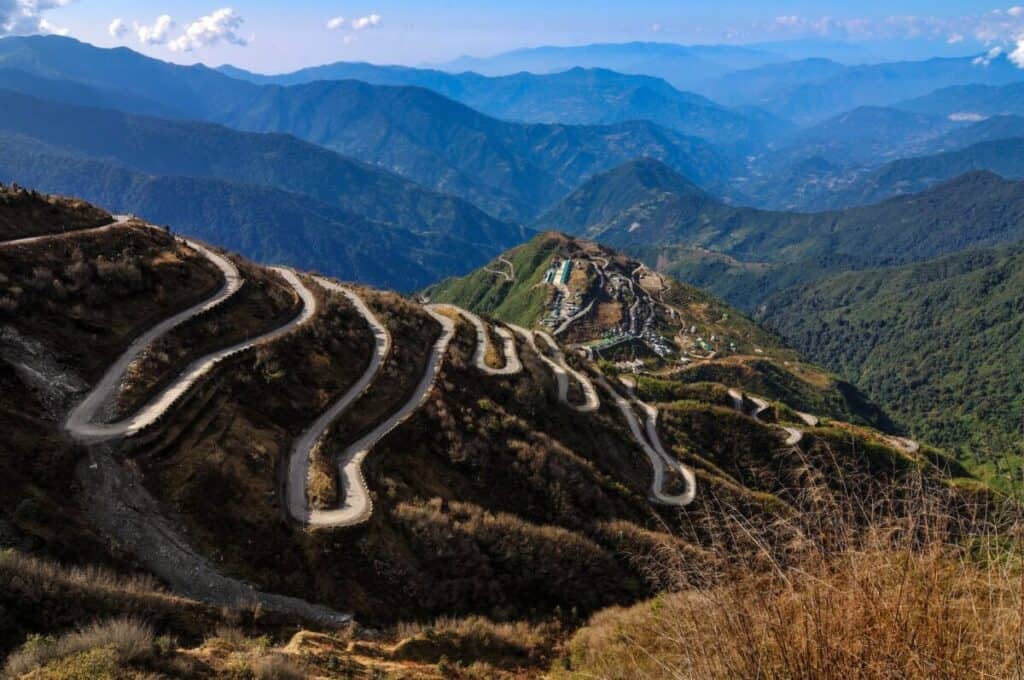
A Silk Road road trip is less about one single highway and more about choosing the right stretch of a historic overland route, then planning around weather, roads, borders, and permits. If you want a practical starting point, pair this guide with another destination road trip planner to see how route-focused trip planning works in a different setting.
Quick Take the best Silk Road trip is usually a focused section trip, not an attempt to cover the whole route. For most travelers, the sweet spot is spring or autumn, with a plan built around road conditions, local entry rules, and realistic driving days.
The protected note below reflects the same route-first logic: confirm weather windows, toll roads, closures, and permit rules before you commit.
What A Silk Road Road Trip Really Means
For most travelers, the Silk Road works best as a route-planning idea rather than a single drive. You might build a road trip around Xinjiang in western China, the historic corridor through Central Asia, or a shorter loop that connects deserts, mountain passes, markets, and UNESCO sites. The right plan depends on how much time you have, how confident you are with long-distance driving, and whether your route crosses areas with special entry rules.
This is why the first decision should be feasibility, not inspiration. If you are still comparing route styles, browse the broader travel articles section for planning ideas, then come back to narrow the Silk Road leg you actually want to drive.
The Planning Checklist That Matters Most
The strongest Silk Road trips are the ones that solve logistics before they become problems. Start with route length, then layer in permits, border timing, fuel access, road surface, and how much driving you actually want to do in a day.
- Choose a route segment you can finish comfortably in your available time.
- Check whether your route needs special entry permissions, border documents, or local driving rules.
- Build in spare time for closures, weather delays, and slow border crossings.
- Plan fuel and rest stops for remote stretches, not just major cities.
- Keep your itinerary flexible enough to swap one long day for two shorter ones.
For route-specific flexibility and vehicle choice, it can also help to compare with another long-distance road trip itinerary so you can see how pacing changes when you move across large regions.
Booking Window
Lock in transport and lodging 6–10 weeks ahead for peak shoulder-season travel; earlier if you need a specific route or border crossing.
Hardest Part
The route is usually less difficult than the admin: paperwork, entry rules, and the mismatch between map distance and real driving time.
Budget, Gear, And Route Conditions
A Silk Road budget needs more than fuel and lodging. Factor in visas or entry fees where relevant, local transport backups, possible guide costs, tolls, and a cushion for route changes if weather or closures force a detour. The farther you go from major hubs, the more valuable a financial buffer becomes.
Gear should match the route, not a generic packing list. Comfortable shoes matter for markets and ruins, but so do layered clothing, a dependable charger, a paper backup of directions, snacks, water, and a first-aid kit for long empty stretches.
The route photos below are especially useful because they show the terrain reality: mountain switchbacks, desert roads, and the kind of conditions that make slow, careful planning worthwhile.
What To Pack For A Silk Road Drive
- Comfortable walking shoes and weather-appropriate layers
- Re-usable water bottle, snacks, and basic first aid
- Offline maps or printed directions for remote sections
- Portable charger and charging cables
- Travel documents, copies of permits, and emergency contacts
- Camera or phone storage for landscapes and heritage stops
How To Stay Safe Without Overcomplicating The Trip
Safety on a Silk Road road trip is mostly about risk management: keep the pace sane, know where fuel and lodging are located, and avoid assuming every road will behave like a highway at home. In remote areas, weather and road quality can change the day’s plan quickly.
The practical basics still matter. Use travel insurance if your route warrants it, save emergency numbers, and learn a few local phrases so you can handle directions, food, and unexpected stops more smoothly. If you are comparing safety and driving rules for other destinations, a national-park road trip guide is a useful contrast in how road conditions and route density change the planning process.
It also helps to respect local customs. Dress codes, dining etiquette, and photography norms vary from place to place, especially near religious or heritage sites. A little cultural preparation goes a long way toward making the trip feel welcoming instead of stressful.
Where To Go Next
If you know you want a Silk Road-style road trip, the next step is to pick a region, confirm entry rules, and build the route around the season you can actually travel. For travelers who want broader car-rental planning support before booking, the most useful companion read is our guide to renting a car abroad.
The goal is not to maximize mileage. It is to build a trip that feels possible, legal, and rewarding from the first driving day to the last.
Faqs
What Is The Best Month To Travel The Silk Road?
April to June and September to October are usually the most comfortable, with milder temperatures and fewer weather-related surprises.
Is It Still Possible To Travel The Silk Road?
Yes, but usually as a modern route plan made up of specific stretches rather than a single continuous historic drive.
Is The Silk Road Safe For Tourists?
It can be, provided you research the region, respect local rules, plan for remote driving conditions, and avoid overcommitting to a route you cannot support logistically.
Where Does The Silk Road Start And End?
There is no single official start and end point, which is why it works better as a network of routes than as one fixed road trip.
How Long Does It Take To Drive The Silk Road?
That depends on the section you choose; a focused road trip may take a week or two, while a broader overland journey can take much longer.

Clara Bennett is a passionate writer and expert in the world of car rentals, focusing on providing insightful guidance for affordable options available online. With years of experience in travel and a keen understanding of the industry, she aims to simplify the car rental process for her readers. Clara’s engaging articles and practical tips help travelers navigate the complexities of securing the best deals, making her a go-to resource for anyone looking to save money on their next adventure.




This is a fascinating overview of preparing for a Silk Road journey. I appreciate how you emphasized the importance of planning and awareness of local regulations. It reminds me of my own travels in Central Asia, where knowledge of the region’s cultural nuances significantly enriched my experience.
Your checklist for planning a Silk Road journey is spot on! I recently took a similar route, and I found that being organized not only saved me time but also enriched my experience. Besides checking for toll roads and weather conditions, I discovered the importance of understanding local customs and traditions. For instance, in some areas, dining customs can be quite different, and being aware of them made interactions more enjoyable and respectful.
What an insightful post about preparing for a journey along the Silk Road! The checklist approach you mentioned is particularly valuable; it’s so easy to get caught up in the excitement and overlook important details, such as toll roads or road conditions, which can greatly affect travel plans.
This is such an intriguing look at preparing for a Silk Road adventure! I love the idea of using a decision checklist—nothing like having a little structure when you’re about to embark on a journey that could lead you to a desert bazaar or a bustling market!
I find the concept of a Silk Road road trip to be incredibly captivating, especially given the rich history and diverse cultures that span this ancient trade route. Your emphasis on choosing the right stretch rather than trying to tackle the entire route resonates with me, as it highlights the importance of quality over quantity when traveling.
Your insights into planning a Silk Road road trip resonate deeply, especially the emphasis on focusing on specific sections rather than attempting to tackle the entire route. This approach not only allows for a deeper engagement with the rich history and cultures along the way but also helps mitigate the logistical challenges inherent in such journeys.
I really appreciate the focus on the nuances of planning a Silk Road trip! It’s true that the concept of “one road” can be misleading because the actual journey spans such a diverse array of cultures and terrains. I have a friend who recently did a stretch of the route through Central Asia, and her insights reflect what you’ve pointed out—it’s all about choosing the right sections and timing.
This is such an insightful approach to planning a Silk Road trip! I completely agree that focusing on a specific stretch allows for a more enriching experience. I remember my own road trip through Central Asia, where I was blown away by the diversity of landscapes and cultures that changed every few hours. Spring is indeed a magical time; the flowers blooming in places like Samarkand create a vibrant atmosphere that’s hard to beat.
This approach to planning a Silk Road road trip resonates with me deeply, especially the emphasis on seasonal timing. I’ve traveled through parts of Central Asia, and found that understanding the local climate and road conditions can make or break your experience. For instance, I attempted a trip in early summer and was caught off guard by unexpected rains that turned some dirt roads impassable.
Your post on the nuances of planning a Silk Road road trip really resonates with me. The emphasis on focusing on specific stretches of the historic route rather than attempting to cover the entirety truly reflects the spirit of the Silk Road itself—it’s about the journey and the experiences along the way, not just a checklist of destinations.
Your insights on the Silk Road road trip are quite enlightening. I appreciate how you emphasize the importance of focusing on specific segments rather than attempting to conquer the entire route in one go. It reminds me of my own experiences with road trips, where sometimes the most memorable moments come from taking a more leisurely approach and truly absorbing the local culture along the way.
Your insights on a Silk Road road trip highlight important aspects that can often be overlooked in travel planning. It’s true that attempting to conquer the entire route in one go can be overwhelming, not to mention risky given the potential bureaucratic hurdles, varying road conditions, and weather challenges. For instance, I remember planning a similar journey across Central Asia, and I quickly learned that flexibility is key.
Your insights on focusing a Silk Road trip to specific segments are spot on. It reminds me of how often we romanticize the idea of completing a massive journey without considering the nuances involved. For example, I recently explored just the Central Asian part of the Silk Road, and it was enriching to immerse myself deeply in the local cultures rather than trying to rush through everything.
Your insights on the Silk Road as a multifaceted journey resonate deeply with my own travel experiences. I completely agree that focusing on a specific stretch, rather than attempting to conquer the entire route, allows for a more immersive experience. The beauty of this historical path lies not just in its geography, but in the diverse cultures and histories encountered along the way.
Your insights on the Silk Road trip planning are spot on. The idea of focusing on specific stretches of this legendary route resonates deeply with how epic journeys often unfold—it’s less about ticking a box and more about savoring the experience. Both weather and border regulations can be unpredictable, so a proactive approach in planning is essential. I remember my own road trip in Central Asia, where shifting conditions turned a scenic village visit into an unexpected adventure.
This is such a practical approach to exploring the Silk Road! I’ve always been drawn to the idea of those historic routes, but I often get lost in the logistics. Your emphasis on focusing on certain sections instead of tackling the entire route really resonates with me. It seems more manageable and allows for a deeper appreciation of the culture and history of each area.
This is such an insightful perspective on planning a Silk Road road trip! I completely agree that focusing on a specific section, rather than trying to tackle the entire route in one go, can really enhance the experience. Each region along the Silk Road has its unique charms, histories, and cultural nuances, and taking the time to appreciate them can lead to richer memories.
Your insight on focusing on specific sections of the Silk Road rather than trying to cover the entire route resonates strongly with me. As someone who has taken a few extensive road trips, I’ve found that the richness of experience often lies in the details of a given place rather than just the distance traveled. For instance, during my travels through parts of Central Asia, I learned that moments spent engaging with local culture and history often overshadowed the need for speed or ticking off more miles.
The idea of embarking on a Silk Road road trip truly captures the essence of adventure, doesn’t it? The notion that the journey is more nuanced than simply picking a linear route adds layers of complexity and excitement to the experience. When I read about the importance of not just the destination but also the historical and cultural richness of the areas along the way, I can’t help but reflect on how our travel experiences often mirror the depth of the world we explore.
This is a fantastic take on planning a Silk Road road trip! It reminds me of the time I tried to follow an ancient pilgrimage route in Italy, only to discover that I’d misjudged the weather patterns, ended up in a thunderstorm, and had to dodge tour buses while navigating some very narrow roads. Talk about a lesson in travel humility!
I find your insights on planning a Silk Road road trip incredibly intriguing! It’s fascinating how this journey encapsulates not just a physical route but also a substantial slice of history, culture, and even socio-political dynamics. The emphasis on focusing on specific sections rather than attempting to traverse the entire route resonates deeply. It reminds me of my own experiences traveling in regions with rich historical significance where the journey itself can be just as rewarding as the destination.
I really appreciate how you emphasized that the Silk Road trip isn’t about rushing through the entire route, but rather focusing on specific, meaningful stretches. It reminds me of my own adventures—I once took a road trip through the Italian countryside where I planned each day around the small towns rather than just aiming for the major cities. The unexpected gems I discovered along the way made it so much more enriching.
I really appreciate how you highlight the importance of focusing on specific sections of the Silk Road instead of trying to tackle the entire route in one go. It’s such a vast and intricate network of history and culture that it seems a bit overwhelming when viewed as a whole. Plus, there’s something to be said for immersing oneself in a smaller area and really getting a feel for the local customs, food, and people instead of just rushing through to check off a long list of tourist spots.
This guide perfectly captures the essence of the Silk Road experience—it’s not just about the destination but the journey itself and the stories that come along the way. I love the emphasis on planning around local conditions, as it truly enriches the experience. I recall a trip I took along part of the famous Route 66, where each pit stop revealed unique local culture, and I can only imagine how the Silk Road offers a tapestry of history and diversity along its path.
What a fascinating take on the intricacies of planning a Silk Road road trip! Your perspective on focusing on specific stretches of this iconic route resonates deeply with me. I remember my own road trip experience through Central Asia a couple of years ago, wherein I took a similar approach. Rather than trying to conquer the entire distance in one go, I opted to delve deeply into the rich histories and vibrant cultures of individual towns and regions. This allowed me to forge connections with local communities and truly appreciate the spirit of the Silk Road beyond mere geography.
It’s interesting how you highlight the importance of a focused section when planning a Silk Road road trip. I’ve often found that immersing oneself in a specific area, rather than trying to cover everything, allows for richer experiences. For instance, during a trip through Central Asia, we spent extra time in Uzbekistan, exploring the culture and cuisine. The vibrant markets and historical architecture felt so much more rewarding to engage with deeply.
Your insights on planning a Silk Road road trip are incredibly valuable, especially the emphasis on focusing on specific stretches rather than attempting to cover the entire route. I find it fascinating how the historical significance of the Silk Road is matched by the complexities of modern travel logistics—weather and border regulations can really shape the experience.
Your perspective on focusing a Silk Road trip around specific sections rather than attempting to tackle the entire route resonates strongly with me. Like many, I have a deep fascination with the legacy of the Silk Road, but navigating its complexities can be daunting. Your emphasis on factors such as weather windows and local entry rules is crucial, as these can transform a potential journey into a logistical nightmare if overlooked.
Your insights into planning a Silk Road road trip resonate deeply with the challenges of navigating historic paths while considering contemporary travel hurdles. The emphasis on choosing specific segments rather than attempting to cover the entire route reflects a pragmatic approach that many travelers overlook.
Your insights on planning a Silk Road road trip resonate with me, especially the idea of focusing on a specific stretch rather than attempting the entire route. It reminds me of my own travel experiences, where it often felt more rewarding to immerse myself in a particular region’s culture and landscapes instead of racing from place to place.
Ah, the Silk Road—a historic journey more twisty than my attempts to follow in-laws’ GPS directions! It’s interesting how you’re emphasizing the importance of selecting the right segment for the trip. I tried tackling the full length of something once—only ended up with a sunburn and a long story about how not all “picturesque detours” involve a scenic view.
Your insights on the Silk Road really resonate with me, especially the emphasis on focusing on specific stretches rather than attempting to conquer the entire route. I think this reflects a growing trend in travel where meaningful experiences often take precedence over the numbers of places visited. For instance, I once traveled through parts of Central Asia, and the most memorable moments came from exploring one region deeply, including its local cultures, cuisine, and history, rather than just ticking off checklists of sites.
I’ve always been fascinated by the Silk Road and your focus on choosing specific stretches really resonates with me! It’s true that the allure of such a historic route is best experienced when you can dive deep into a particular region, rather than simply racing through it all. I recall a trip I took during autumn where the changing leaves added such a magical quality to the journey.
Your emphasis on focusing on specific sections of the Silk Road rather than attempting to tackle the entire route resonates with me. It reminds me of planning road trips along other historic routes, like Route 66 in the U.S., where each stretch has its unique charm and stories to tell. The idea of considering weather windows and road conditions is crucial—last spring, I planned a trip to the Alps, and the unpredictability of mountain weather was a significant factor in our planning.
This post captures the essence of what makes a Silk Road trip unique and truly special. I appreciate the focus on planning around specific stretches rather than trying to tackle the entire route in one go—it highlights how the journey itself is just as vital as the destination. I think the spring and autumn timeframes you mentioned are spot on; I had the opportunity to travel through Central Asia in early fall a few years back, and the colors and mild weather really added to the experience.
Your insights on planning a Silk Road road trip really highlight the complexity and richness of this historic journey. I appreciate the emphasis on segmenting the route. It reminds me of how many travelers overlook the importance of focusing on specific areas rather than attempting to tackle the entire distance, which can be overwhelming and less rewarding. By honing in on a particular region, like the regions around Samarkand or Bukhara, you can really immerse yourself in the local culture, cuisine, and history.
This is such a compelling perspective on the Silk Road! I love the emphasis on focusing on specific sections rather than trying to conquer the entire route. It reminds me of my own travels through Central Asia, where every stretch felt like stepping back in time, with road conditions and local culture adding a layer of unpredictability and adventure.
You’ve brought up some compelling points about the intricacies of planning a Silk Road road trip! I completely resonate with the idea that the journey is less about racing through a checklist of destinations and more about truly immersing oneself in the experience along the way. The Silk Road, with its rich tapestry of cultures, histories, and landscapes, is perfect for a thoughtful exploration rather than a hurried conquest.
It’s fascinating how the Silk Road embodies a journey that transcends mere geography; it’s a tapestry of history, culture, and personal experience. I appreciate your emphasis on focusing on specific stretches of the route rather than attempting to cover it all at once. As a traveler, I’ve often found that immersing oneself in a single region allows for deeper connections with the local culture and history.
Your insights on the Silk Road as a complex tapestry rather than a single highway are spot on. It truly highlights the diversity and richness of the regions touched by this historic route. As you suggested, focusing on specific sections allows travelers to delve deeper into the unique cultures, landscapes, and histories of each area, rather than attempting to rush through an unmanageable itinerary.