
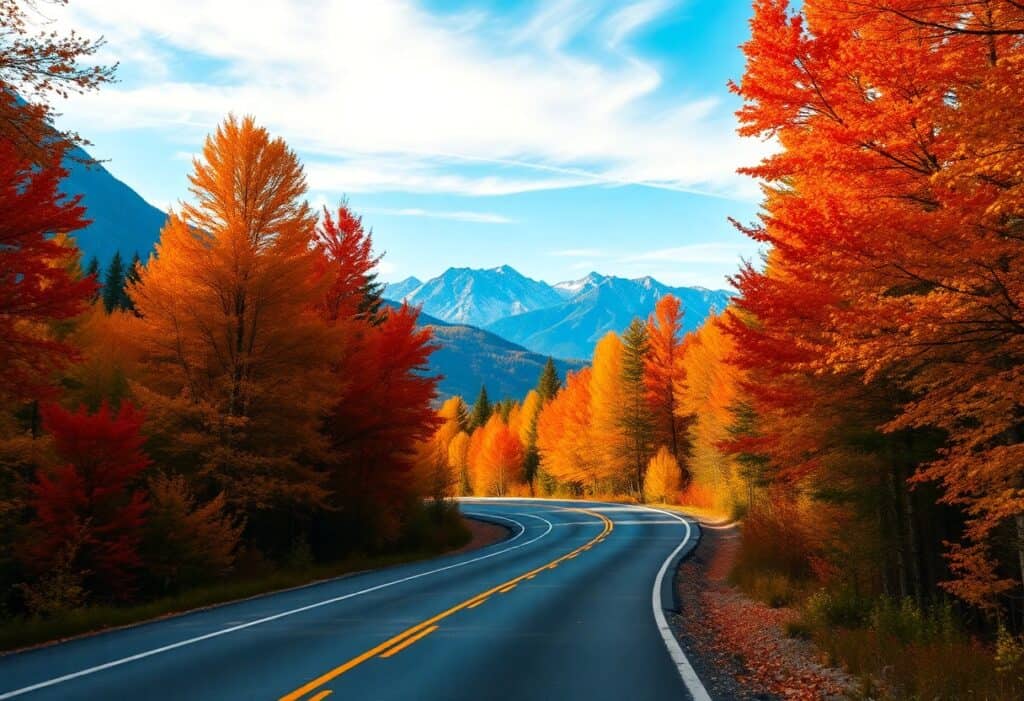
![10 scenic routes to explore in the usa zys[1]](https://online.rentacar24.org/wp-content/uploads/2025/01/10-scenic-routes-to-explore-in-the-usa-zys1-1024x701.jpg)
The best scenic drives in the USA are even better when they match your rental car, trip length, and season. If you want the right balance of views and practicality, start with the planning angle used in our USA road trip hub and then narrow down to the route that fits your schedule.
Best Fit By Trip Style coastal views for relaxed drives, mountain roads for late-spring to early-fall trips, historic routes for longer itineraries, and island/highway routes for easy one-day escapes.
If you are booking a vehicle for a scenic drive, use this page as a decision aid first, then move to road-trip rental planning and choose the car that fits the route, not just the destination.
| Route | Best for | Typical drive time | Road difficulty | Recommended vehicle |
|---|---|---|---|---|
| Pacific Coast Highway | Coastal scenery and flexible day-by-day stops | 3–5 days | Moderate | Sedan or convertible |
| Going-To-The-Sun Road | High-elevation alpine scenery | Half day to 1 day | Challenging | Compact or mid-size vehicle within size limits |
| Route 66 | Classic cross-country road trip | 1–2 weeks | Easy to moderate | Comfortable sedan or SUV |
| Florida Keys | Relaxed tropical driving | 1 day or 2–3 days with stops | Easy | Convertible or economy car |
| Beartooth Highway | Mountain scenery and wildlife viewing | 1 day | Challenging | SUV with good traction |
How To Choose The Right Scenic Route
The strongest scenic drive for your trip is usually the one that matches your timing and vehicle choice. A short coastal route can work beautifully for a weekend, while high-country roads reward travelers who can build in more flexibility for weather, elevation, and photo stops.
If you are still deciding what to rent, the most useful next read is all-wheel-drive rental options. That page is especially helpful for mountain routes, remote byways, and trips where weather can change quickly.
Mountain Routes That Depend On Timing
Going-to-the-Sun Road and Beartooth Highway are the routes most likely to reward careful timing. Both are defined by elevation, sharp turns, and quick weather shifts, so they are better planned as seasonal drives rather than spontaneous detours. Going-to-the-Sun Road is typically open from late June to early October, while Beartooth Highway usually runs from late May to early October.
For these roads, a vehicle with enough ground clearance and good road manners matters more than style. If your trip includes snow, steep grades, or remote access points, review car rental safety tips before you book.
Historic Roads For Longer, Flexible Itineraries
Route 66 and the Great River Road work best when the road trip itself is the priority. Route 66 offers diners, retro motels, and roadside landmarks across eight states, while the Great River Road follows the Mississippi through river towns, parks, and heritage sites across ten states. These are not the fastest routes, but they are some of the most rewarding when you want a trip with context as well as scenery.
Because both routes can stretch into multi-day itineraries, they are a good fit for travelers who want to pair the drive with a broader planning guide like road trip planning tips.
Warm-Weather Routes For Lighter Planning
The Florida Keys and Maui’s Road to Hana are the easiest scenic routes to understand from a logistics standpoint, but they still reward preparation. The Overseas Highway gives you 113 miles across 42 bridges, including the Seven Mile Bridge, while the Road to Hana packs 64 miles with more than 600 curves and 54 bridges. Both are best enjoyed when you leave time for stops rather than trying to rush through them.
If you are looking for a more relaxed experience, book a car that is comfortable on long, scenic stretches and keep your itinerary light. A one-day drive works for the Keys, but Hana is far better as a full-day outing with an early start.
When To Go And When To Book
Timing matters most on mountain routes, and it still changes the experience on coastal and historic drives. If you want the easiest planning window, book earlier for summer mountain trips and holiday periods, then stay flexible on departure time so you can avoid fog, traffic, or weather delays.
A Practical Rental-Car Match For Each Route
Vehicle choice becomes more important the farther you move from easy coastal or city-adjacent driving. For scenic highways with lots of pullouts, a mid-size car is often enough. For remote, hilly, or high-altitude routes, an SUV is the safer and more comfortable choice, especially when your trip includes long distances between services.
- Best For Comfort Pacific Coast Highway, Skyline Drive, and the Blue Ridge Parkway.
- Best For Visibility And Style Florida Keys and other warm-weather coastal drives.
- Best For Terrain And Weather Flexibility Going-to-the-Sun Road, Beartooth Highway, and other mountain routes.
- Best For Long-Range Planning Route 66 and the Great River Road, where mileage and fuel stops matter more than short hops.
If you want to compare practical booking options, the next best step is to review how to rent a car for a road trip and then match the reservation to your route length, luggage needs, and road conditions.
Book The Car That Fits The Drive
The most scenic route is only as good as the vehicle and timing behind it. If your trip includes mountains, long service gaps, or seasonal weather changes, make the rental choice before you finalize the route.
Frequently Asked Questions
What Is The Best Time Of Year To Drive Scenic Routes In The USA?
It depends on the route. Coastal drives such as the Pacific Coast Highway work well year-round, while mountain roads like Going-to-the-Sun Road and Beartooth Highway are best in their short summer-to-early-fall windows. For fall color, the Blue Ridge Parkway and Skyline Drive are especially strong choices.
What Type Of Rental Car Works Best For These Routes?
A mid-size sedan works for many scenic highways, but an SUV is the safer all-around pick for mountain roads, changing weather, or routes with long gaps between services. Convertibles are best when the road is easy, the weather is stable, and the drive is more about the view than the terrain.
How Much Time Should I Plan For A Scenic Road Trip?
Short scenic drives can work as a single-day outing, but the most rewarding routes usually need at least a weekend. Plan 3–5 days for the Pacific Coast Highway, 2–3 days for the Blue Ridge Parkway, and 1–2 weeks for Route 66 if you want the full experience rather than a rushed highlight reel.

Samantha Price is a dedicated author and travel enthusiast who specializes in writing about affordable car rental options online. With a keen eye for detail and a passion for helping readers save money, she provides insightful tips and practical advice on navigating the world of cheap car rentals. Through her engaging content, Samantha empowers travelers to explore new destinations without breaking the bank, making their journeys both enjoyable and budget-friendly.



Your exploration of America’s driving routes has me reminiscing about my own road trip experiences along the Pacific Coast Highway. There’s something transformative about being behind the wheel, with the ocean breeze on your face and the rugged cliffs looming on one side. Each twist and turn reveals a new vista that feels like nature’s own painting—almost too beautiful to be real.
Your reflection on the Pacific Coast Highway resonates deeply, and it’s remarkable how such experiences can stay with us long after the journey is over. There is a unique connection between the traveler and the landscape that seems to transcend the physical act of driving. It’s as if every corner you round unveils not just a new view, but a new mood or a moment of reflection.
There’s a unique magic about hitting the open road, especially routes like the Pacific Coast Highway. The combination of the ocean, cliffs, and the freedom of driving captures something deep within our wanderlust. It’s like you can feel the pull of the waves and the whisper of the wind nudging you along.
Your description of the Pacific Coast Highway captures that feeling so beautifully. There’s definitely something about that drive that feels like a balm for the soul. I remember one stretch near Big Sur where the cliffs drop sharply to the ocean and you feel almost weightless behind the wheel, as if the car is just gliding over the landscape.
This exploration of America’s scenic routes truly piques my interest, especially the Pacific Coast Highway. Having driven part of this route myself, I can attest to its transformative power—it’s more than just a drive; it’s an immersive experience of nature, culture, and history. One of the aspects that stand out to me is how these routes allow for spontaneous stops at charming seaside towns, vineyards, and historical sites that might easily be overlooked with more traditional travel methods.
It’s great to hear you appreciate the Pacific Coast Highway so much. There’s definitely something special about the way it connects people not just to the scenic views but also to the diverse cultures along the coast. I remember my own trip down that route and the unexpected joy of finding a local farmers’ market in a small town. It sparked conversations with the vendors about their crafts and the history of the area, which I think is often the best part of traveling—those spontaneous connections.
You hit the nail on the head about the Pacific Coast Highway being more than just a stretch of road. It’s like a gateway into the heart of those small towns. I remember stumbling upon a quirky little antique shop in Cambria during my last drive, and I ended up chatting with the owner for over an hour. He shared stories about his family’s history in the area and how each item in the shop has its own story. Those moments really stick with you, right?
The Pacific Coast Highway truly sounds like an extraordinary journey! I took a road trip along a portion of it a couple of years ago, and it completely changed my perspective on what a road trip can be. The views were simply stunning, especially around Big Sur, where the cliffs drop dramatically into the ocean. Each stop along the way felt like discovering a hidden gem, from the charming towns like Carmel to the breathtaking vistas of Point Lobos State Natural Reserve.
Your overview of the Pacific Coast Highway captures its allure well, but I think it’s worth considering how accessibility has evolved over the years. With the rise of technology, road trip planning has become more straightforward—apps now help identify stunning viewpoints and local dining spots along the way. However, I sometimes wonder if this convenience detracts from the spontaneous joy of discovering hidden gems off the beaten path.
Your exploration of America’s scenic driving routes is a refreshing reminder of how much beauty this country has to offer. The Pacific Coast Highway, in particular, holds a special place in my heart. I vividly recall my last journey along this route, where I finally got to witness Big Sur in person. The rugged cliffs and swirling ocean waves were mesmerizing, but beyond the natural splendor, I found myself deeply moved by the stories tied to each landmark—like the historic Bixby Creek Bridge, which has stood the test of time and represents more than just a functional crossing; it symbolizes the enduring spirit of American ingenuity.
I have to say, the allure of a good road trip is hard to resist, especially when the Pacific Coast Highway is involved. I mean, who wouldn’t want to drive along cliffs with the ocean crashing below, feeling simultaneously adventurous and slightly terrified? It’s the perfect balance of thrill and beauty—like eating a gourmet meal while bungee jumping!
You bring up a fascinating point about the thrill of a good road trip along the Pacific Coast Highway. There’s something uniquely captivating about that mix of adventure and beauty. But it’s worth considering that not everyone feels at ease on those cliffs. For some, the stunning views might be overshadowed by anxiety over the drop-offs. That said, the option to pull over and take it all in can turn a nerve-wracking passage into a memorable experience.
You really hit on an important aspect of road trips—the balance between adventure and personal comfort. The Pacific Coast Highway is undeniably beautiful, but for those who deal with anxiety, especially around heights or drop-offs, it can be a mixed bag. I remember my first drive along the coast; while I was captivated by the views, there were moments when I felt that familiar twinge of anxiety creeping in.
You raise an important perspective that often gets overlooked when discussing the allure of the Pacific Coast Highway. The breathtaking landscapes can indeed evoke a sense of unease for those who struggle with heights or anxiety while driving along those dramatic cliffs. It’s a reminder that the same experience can elicit completely different emotions among travelers.
Ah, the Pacific Coast Highway—where every twist and turn feels like a scene straight out of a movie, and you find yourself – in between gasps at the views – trying to convince your carpool buddies that you’re totally not going to stop for yet another photo op… again. I mean, can you blame us? Those cliffs aren’t going to Instagram themselves!
You captured the essence of the Pacific Coast Highway perfectly. It’s hard to resist stopping for that perfect shot when every corner offers a new perspective of the stunning coastline. It’s almost like a living gallery, with nature itself as the curator, and who can say no to being part of that experience? That little tug to pull over one more time is definitely one of the joys of the journey.
You’ve beautifully articulated what makes the Pacific Coast Highway so special. It’s true—the way the scenery shifts with every bend in the road creates this irresistible pull to stop and absorb the moment. There’s something about the blend of mountains, ocean, and sky that just feels alive, doesn’t it?
I get what you mean! The Pacific Coast Highway really does have a way of pulling you in with those stunning views. Every time I find myself cruising along those cliffs, I can’t help but pull over for just one more shot. It’s almost like that inner photographer comes out, and I start seeing potential photo ops around every bend.
Your overview of America’s most spectacular driving routes is timely and resonates with many who seek adventure on the open road. The Pacific Coast Highway, in particular, has always intrigued me, not only for its stunning vistas but also for its unique blend of nature and culture. I remember my trip along this route, where each turn offered a new perspective on the rugged coastline. However, I found myself grappling with the impact of tourism on these natural landscapes. As we flock to these breathtaking sites, there’s an undeniable tension between preserving their beauty and the influx of visitors, which can sometimes detract from the experience.
Your exploration of America’s most spectacular driving routes resonates deeply with my appreciation for road trips as a means of adventure and connection with nature. The way these scenic drives allow you to experience the vastness and diversity of the American landscape is truly remarkable. I often think about the idea of travel as more than just a way to reach a destination but as a transformative journey that can change our perspectives and deepen our understanding of the environment and culture around us.
You hit the nail on the head with your thoughts on road trips. It’s like life’s little metaphor on wheels, isn’t it? Forget the destination; it’s the quirky roadside diners and those random pulls into scenic overlooks that really spice things up. Who doesn’t love a good slice of pie at some mom-and-pop joint while debating whether the local “Biggest Ball of Yarn” is really worth the detour?
You really captured the essence of road trips as a metaphor for life. It’s so true that it’s often the unexpected stops that become the highlights of the journey. Those quirky roadside diners have a charm that goes far beyond just a meal; they carry stories, share local culture, and often serve food that feels like a warm hug from an old friend.
What a fantastic overview of America’s scenic routes! I couldn’t agree more that the Pacific Coast Highway is truly a stellar choice for anyone looking to immerse themselves in stunning natural beauty while enjoying the thrill of the drive. I took a trip along this coast a few years back, and I can still vividly recall the exhilarating moments of cruising alongside those dramatic cliffs and spotting the waves crashing against the shore. It’s as if each turn reveals a new postcard-worthy view.
This post brings back so many cherished memories of my own road trips along America’s breathtaking routes. The Pacific Coast Highway, in particular, has always held a special place in my heart. The way it weaves along the coastline, with the ocean on one side and stunning cliffs on the other, creates a sense of freedom and exploration that is hard to find elsewhere. I remember stopping at Big Sur and feeling completely awestruck by the vastness of the Pacific, and that feeling of serenity and adventure blended beautifully together.