

A careful pickup inspection takes only a few minutes, but it can save you from charges, delays, and arguments later. The goal is simple: document the car’s condition before you leave and make sure everything works as expected.
- Check the rental agreement, driver details, and payment method before you sign.
- Walk around the car and photograph every scratch, dent, crack, or stain you see.
- Confirm mileage, fuel level, and fuel type before you leave the lot.
- Test the lights, wipers, windows, locks, mirrors, air conditioning, and infotainment.
- Ask staff to note anything unusual on the contract before you drive away.
If you also need help with documents, payment methods, and standard rental rules, the companion guide on rental requirements and paperwork is a useful next read.
Start With The Car, Not The Assumptions
The biggest mistake at pickup is treating the vehicle as “probably fine” and moving too quickly. Give yourself enough time to inspect the car while staff are still available, because the best moment to resolve a problem is before you leave the depot.
A non-airport pickup is often calmer than a busy terminal handoff, which makes it easier to spot problems and ask questions. That said, the same standards apply everywhere: verify the contract, walk the car, test the controls, and document everything that looks off. If your trip starts at an airport, the more specific airport pickup guide can help you handle that setting without rushing the inspection.
A Practical Inspection Sequence
Think of the process in three phases: check the paperwork, inspect the vehicle, then confirm it is comfortable and road-ready. That order keeps the pickup efficient and reduces the chance that you miss something important.
1) Review The Agreement Before You Touch The Car
Before you inspect the vehicle, confirm the basics on the rental agreement. Make sure the name on the contract is correct, the pickup and return times match your booking, the insurance or coverage terms are clear, and the fuel policy is written down. If a credit card hold, additional driver, or cross-border restriction is mentioned, ask for clarification while you are still at the desk.
This is also the right moment to check for anything that could affect the rest of your trip, such as mileage limits or return conditions. If you want a broader explanation of rental protection and what coverage does or does not do, see rental car insurance basics.
2) Walk Around The Car And Record Everything Visible
Start outside and move slowly. Check the front bumper, grille, headlights, mirrors, windshield, roof, doors, sills, rear bumper, and every wheel. Look for dents, scuffs, chips, cracks, curb rash, and anything that looks like fresh damage. Do not forget smaller spots such as the underside of the bumper, the trim near the wheel arches, and the edges of the doors where parking contact often shows up first.
Take clear photos in good light, and include wide shots plus close-ups. If a scratch is already on the car, capture the whole panel and then the defect itself so the image has context. When staff are busy, photos matter even more because they give you a timestamped record of the vehicle’s condition.
3) Check The Interior Like You Plan To Use It Immediately
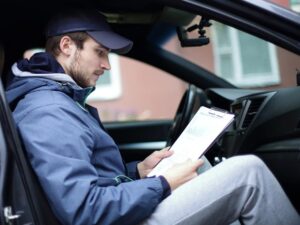
Once you are inside, don’t limit the check to obvious damage. Look at the seats, seatbelts, dashboard, floor mats, headliner, mirrors, vents, and touchscreen or radio unit. Open and close the doors, roll the windows down and back up, and confirm that the locks work from the driver’s seat and from the keys or fob.
Then test the features you are most likely to rely on during the trip: air conditioning, heating, Bluetooth, charging ports, navigation prompts if the car has them, and windshield wipers. A quick test at pickup is much easier than figuring out a fault on an unfamiliar road.
4) Confirm Mileage, Fuel, And The Starting Condition
Read the odometer before you start the engine and note the number if it is not already printed on the contract. Check the fuel gauge at the same time. If the rental company says the car is full, make sure the gauge reflects that; if it is not full, ask how the return policy works so you do not guess incorrectly later.
Fuel type is worth confirming twice. A petrol, diesel, hybrid, or electric vehicle each comes with different expectations, and the wrong refill can become an expensive mistake. If fuel policy is a recurring concern for you, the dedicated guide on fuel policy explanations gives the broader context behind full-to-full, same-to-same, and electric charging rules.

If You Spot Damage, Document First And Debate Later
When you notice a problem, stay calm and get it recorded. Point out the issue to staff, ask them to mark it on the contract or damage sheet, and keep your own photos. If the vehicle has a warning light, broken trim, a cracked lens, or anything that may affect safety, ask whether another car is available before you leave.
A useful rule is simple: inspect now, document immediately, and drive only after the issue is acknowledged. That approach is especially important for items that are easy to miss later, such as wheel damage, glass chips, dashboard warnings, or a fuel reading that does not match the paperwork.
| Situation | Best move |
|---|---|
| Small scratch, dent, or chip already on the car | Photograph it from several angles and ask staff to note it on the contract. |
| Warning light, broken control, or unsafe tire | Do not assume it will be fixed later; ask for a replacement or written confirmation before leaving. |
| Minor interior wear such as seat marks or scuffed plastics | Take a photo anyway so there is a clean record at return time. |
Comfort Checks That Make The First Hour Easier
A proper pickup inspection is not only about avoiding charges. It is also about making the car usable for the rest of the day. Adjust the seat, steering wheel, mirrors, and headrest before you leave. Make sure you can see clearly, reach the pedals comfortably, and access the controls without stretching.
If the car has unfamiliar settings, spend a minute learning them in the lot. That includes parking brake style, gear selector layout, headlight switches, and dashboard controls. If you are not sure how a specific feature works, ask before the handoff ends. You will be calmer on the road if the basics already feel familiar.
For readers who want broader driving reassurance after pickup, these car rental safety tips pair well with this checklist and help you settle in after departure.
Before you leave the depot
- Confirm the staff member has acknowledged any damage you found.
- Save your photos in case you need them at return.
- Check that the fuel type is clear and the starting fuel level matches the contract.
- Verify that you have the keys, parking ticket, and any required contact number.
Need the broader rental rules too?
If your trip is still in the planning stage, it helps to understand what rental companies typically ask for before pickup. The guide to documents needed to rent a car online covers the usual requirements, while the page on avoiding hidden fees is helpful if you want to compare terms before booking next time.
If your main goal is airport collection rather than a general depot pickup, use the airport-specific article so the advice matches the setting and you do not miss terminal or shuttle details.
Frequently Asked Questions
What Should I Check First When Picking Up A Rental Car?
Start with the contract, your identification, and the fuel or mileage terms. Then inspect the car’s exterior, interior, and basic controls before you drive away.
What If I Find Damage On The Rental Car?
Photograph it, show it to staff, and ask for the damage to be written into the paperwork before you leave. Do not rely on a verbal promise alone.
Should I Test The Car’s Features Before Driving Off?
Yes. Test the lights, wipers, windows, mirrors, locks, air conditioning, Bluetooth, and charging ports so you know the car is ready for the trip.
Why Is Mileage And Fuel Level So Important At Pickup?
Those two details are among the most common sources of disagreement at return time. Recording them at pickup gives you a clear baseline and helps prevent extra charges.
When you are ready to continue planning the trip, the next useful stop is the general articles page for related rental advice and travel preparation topics.

Samantha Price is a dedicated author and travel enthusiast who specializes in writing about affordable car rental options online. With a keen eye for detail and a passion for helping readers save money, she provides insightful tips and practical advice on navigating the world of cheap car rentals. Through her engaging content, Samantha empowers travelers to explore new destinations without breaking the bank, making their journeys both enjoyable and budget-friendly.




This is such a timely reminder! I once picked up a rental car that had the distinct smell of… let’s just say it had hosted quite the “party” before I arrived. Lesson learned: a thorough inspection can save you from elevated blood pressure and precarious choices like a half-hearted air freshen-up from a gas station!
That sounds like quite an experience. It’s interesting how something as simple as a car can carry so much history—or, in your case, a not-so-pleasant reminder of a wild night. I’ve had my share of rental car mishaps, too, though thankfully none have involved lingering party smells. It really emphasizes the importance of doing a thorough inspection.
It sounds like you had quite the adventure with that rental car! It’s amazing how a vehicle can tell a story, isn’t it? Your experience is a solid reminder that taking a moment to check things out can really make a difference. Who wants to start a trip with extra stress over a less-than-pleasant odor?
It really is fascinating how much a vehicle can mirror our experiences, isn’t it? Every trip has its own little stories woven into it, right down to the smallest details, like the scent inside the car. That reminder about checking things out before we hit the road resonates with me. We often underestimate how much stress can be alleviated with just a bit of extra attention, especially at the start of a journey.
I appreciate this reminder about the importance of checking your rental car thoroughly before hitting the road. It takes just a few extra moments but can save a lot of hassle later. I remember a trip where I found a small dent in the car I was renting and alerted the staff before I took it, which ended up being so helpful during my return. It’s fascinating how something so simple can impact the start of your journey—it really sets the tone for the trip ahead.
You bring up an essential point about those extra moments of checking the car. It’s interesting how something as small as a dent can shift your whole experience. By reporting that before driving off, you not only protected yourself from potential charges, but it also created a solid foundation of trust with the rental team. That’s a good way to kick off any road trip—feeling secure in your vehicle helps you focus on the adventure ahead. Have you noticed other little things that can impact your journey, like taking a moment to review the rental agreement or making sure you have a full tank of gas? Those little details can really set the stage for a smoother ride.
This is such an important reminder about the often-overlooked details of renting a car! I can’t count how many times I’ve rushed through the pickup process, barely glancing at the paperwork or the car itself, only to realize later that I didn’t check for dents or had issues with different functions like the air conditioning or even the trunk latch. Taking a few extra moments to inspect the car can make a huge difference in your overall travel experience.
I completely agree with the importance of taking time to inspect the rental car before hitting the road. I once had an experience where I overlooked checking the air conditioning, only to find it wasn’t working during a sweltering summer trip. It really made me appreciate the little details!
Your emphasis on thoroughly inspecting the rental car before driving off resonates with my own experiences. I recall a trip where I neglected this step and ended up with a minor issue that could have been avoided had I taken the time to check the functionality of the windows and lights. It’s so easy to get caught up in the excitement of traveling and overlook these details, but it truly makes a difference in the overall experience.
I totally relate to your experience with that trip. It’s so easy to get swept up in the excitement of traveling and forget those essential checks. I once had a similar situation where I didn’t notice a small dent on the side of the rental until I was returning it. It turned out to be a headache I could have avoided by just taking a few minutes to look things over.
I can totally relate to your experience; I recently came across some helpful tips that emphasize the importance of checking rental car details before hitting the road, and it really made me rethink my own travel prep.
‘Rental Car Safety Checklist: What To Check Before You Drive Off’
https://online.rentacar24.org/car-rental-safety-tips-for-a-smooth-trip/.
It’s fascinating how the choice of a rental car can subtly shape our travel experiences. I remember a road trip where selecting a compact car not only saved us money but also made navigating tight city streets and remote paths much easier. It’s those little decisions that can lead to unexpected adventures.
Your experience really captures the nuance of travel. Choices like the type of rental car we pick often reflect how we want to engage with our surroundings. A compact car, as you mentioned, can open up a different relationship with the road—making you feel more connected to the places you pass through rather than simply observing from a distance.
You raise an interesting point about how a rental car can shape the travel experience in ways we might not initially consider. Your memory of that road trip really highlights how practical choices can have a bigger impact than expected. It’s true that opting for a compact car can be both economical and functional, especially when tackling those narrow city streets or winding mountain roads. It’s almost a dance of sorts—finding the right vehicle to match the rhythm of your journey.
You raise an interesting point about the importance of inspecting rental cars before hitting the road. I’ve always found that taking a few extra minutes to familiarize myself with a vehicle can make a significant difference in both safety and comfort during my trip. It’s surprising how many people overlook simple checks like ensuring the brakes feel right or if the air conditioning works properly, considering how much we rely on these features for a stress-free journey.
You make a solid point about those little pre-drive checks. It’s so true that taking just a few minutes to get to know the rental can really set the stage for a smoother trip. I’ve had my own share of experiences that remind me of this every time I get behind the wheel of a new car.