
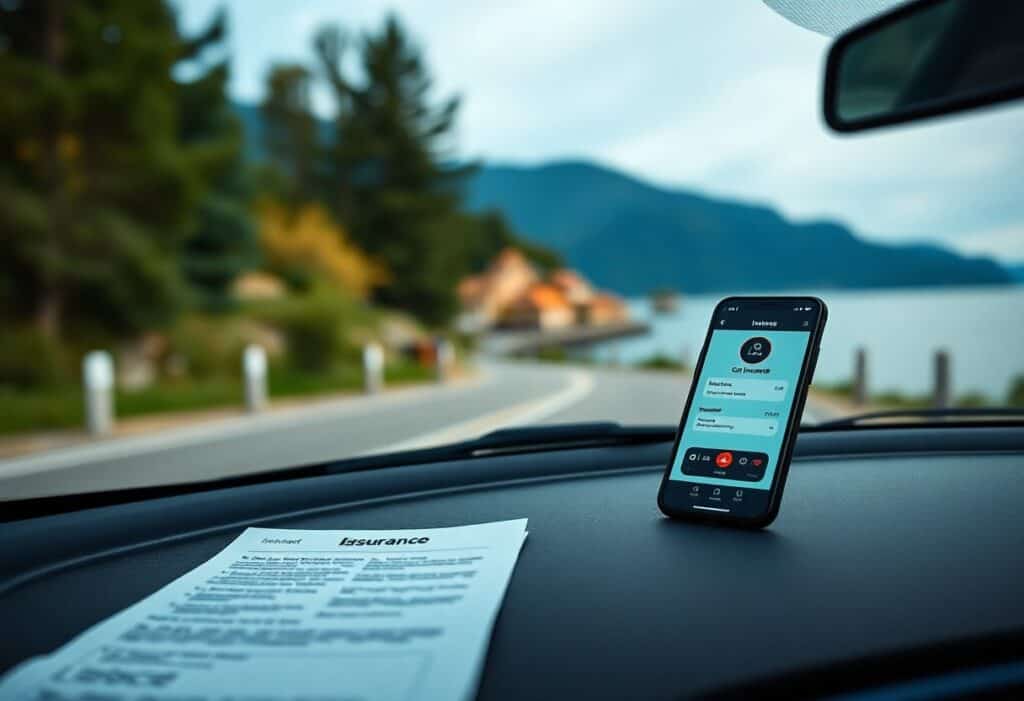
Rental car insurance is easiest to handle when you separate what protects the vehicle, what protects other people, and what you may already have through your own policy or credit card. If you want the collision-damage decision first, start with the collision-insurance guide and then use this page to sort out the rest of the coverage picture.
What most renters actually need
For most trips, the right choice comes down to four questions: does your personal auto policy extend to rentals, does your credit card offer rental coverage, do you need liability protection, and is the rental company’s CDW/LDW worth the extra cost for this trip?
- If you already have strong auto insurance, you may not need every add-on.
- If you are renting abroad or want less hassle at the counter, third-party coverage can be a cleaner option.
- If your main concern is damage to the rental car itself, compare CDW/LDW against your existing benefits first.
The original article covered the right territory, but the better search fit is not a generic “complete guide.” It works better as a practical decision page that helps you choose coverage without paying twice for protection you already have. For readers focused on whether collision or loss damage waiver coverage is worth adding, the collision page should remain the next step.
| Coverage option | What it usually covers | Best for | Common watch-outs |
|---|---|---|---|
| Personal Auto Insurance | May extend liability and physical damage to a rental car, depending on your policy. | Domestic renters who already carry solid coverage. | Deductibles, excluded vehicle types, and limited overseas use. |
| Credit Card Coverage | Often offers secondary collision coverage if you pay with the card and follow the rules. | Travelers who want backup protection without buying every add-on. | Usually excludes liability, may not cover expensive cars, and often requires you to decline the rental agency waiver. |
| Cdw / Ldw | Reduces or removes your responsibility for damage to, or theft of, the rental vehicle. | Renters who want a simple counter decision and less out-of-pocket risk. | Not the same as liability insurance; exclusions still apply, especially for misuse or prohibited driving. |
| Third-Party Rental Insurance | Can bundle damage protection and sometimes extras in a separate policy. | Longer trips, international rentals, or renters who want an independent policy. | Policy terms matter more than price; read exclusions and claim steps carefully. |
| Liability Protection | Helps cover injury or property damage you cause to others. | Anyone whose personal policy does not provide adequate liability while traveling. | This is often the most overlooked gap because many cards do not cover it. |
How Rental Car Insurance Really Works
The biggest mistake renters make is assuming one purchase covers everything. In practice, rental protection is split across different layers: damage to the rental car, liability for other people’s losses, personal medical expenses, and belongings inside the car. That is why a renter can be fully protected on one risk and still be exposed on another.
Your personal auto policy is often the first place to check. Many policies extend to rental cars in the U.S. and Canada, but the details vary. Some policies carry the same deductible you already have on your own car, while others may exclude certain vehicle types, long rentals, or overseas driving. If you are planning to drive outside your home country, the guide to renting a car abroad is a useful companion read because coverage gaps become more common once you cross borders.
Credit card benefits can help, but they are usually narrower than renters expect. Most premium cards focus on damage to the vehicle, not liability, and they may work only if you charge the full rental to that card and reject the agency waiver. If you want to compare whether a third-party policy is a better fit than relying on card benefits alone, this third-party coverage overview is the right next stop.
When The Rental Company Waiver Makes Sense
CDW or LDW is most appealing when you want a simple decision at pickup, are renting a more expensive vehicle, or do not want to rely on multiple outside policies to piece together protection.
When Outside Coverage May Be Enough
If your auto policy already covers rentals and your card adds collision benefits, you may only need to fill a liability gap or skip extra coverage entirely on a routine domestic trip.
When Third-Party Coverage Is Cleaner
Independent policies can be useful for international rentals, longer trips, or travelers who prefer to avoid the rental desk’s high daily add-on pricing.
What To Check Before You Decline Or Buy Coverage
A good insurance decision starts with what is already in place. Start with your auto insurer, then your credit card, then the rental company’s offer, and only after that compare a third-party policy. That order matters because the cheapest option is not always the one that closes the most important gap.
- Where You Are Driving domestic trips, cross-border trips, and overseas rentals often come with different rules.
- What Vehicle You Booked larger, luxury, or specialty vehicles may be excluded from card benefits.
- How Long You Are Renting longer rentals can change both price and eligibility.
- Your Deductible Comfort Level a low daily fee can still be a bad trade if the deductible is high.
- How Much Hassle You Can Tolerate After A Claim some policies are cheaper because they ask more from you later.
If your trip is mainly about minimizing rental counter friction, the broader decision point often comes back to whether you are willing to self-insure the damage portion. That is why the collision-insurance article remains the best companion page for the rent-a-car waiver decision, while this article helps you judge the rest of the package.
A practical way to buy less, but buy correctly
If you already have rental coverage through your auto policy and card, do not pay twice for the same protection. If you do not have reliable liability or damage coverage, choose the option that closes the gap most cleanly rather than the one that sounds most complete.
Read the buying decision guidefor a tighter yes-or-no framework.
Common Questions Renters Ask
For readers who are still comparing broader rental costs, the adjacent hidden-fees guide is helpful because insurance add-ons are one of the easiest places for totals to climb.

Megan Hartley is a dedicated writer and travel enthusiast specializing in affordable car rental solutions. With a passion for helping travelers navigate the complexities of securing budget-friendly transportation, she shares insightful tips and engaging content on her platform. Megan’s expertise extends to exploring the latest trends in the car rental industry, ensuring her readers make informed choices for their journeys. Through her work, she inspires others to explore the world without breaking the bank.




You’ve really hit on an important topic here. When I first started renting cars, I typically saw insurance as just another line item in the budget, something I could gladly skip to save a few bucks. But I quickly learned that having the right coverage can make a world of difference. A couple of years ago, a friend of mine had a minor accident while on vacation, and the costs associated with the damages quickly ballooned—not to mention the stress of dealing with the rental company and insurance claims while trying to enjoy a much-needed getaway.
It’s interesting how our perspectives shift once we have a personal experience, isn’t it? Your story about your friend is a perfect example of why insurance can’t be just an afterthought. Renting a car often feels like a hassle on top of everything else during a trip, and skipping coverage seems like a quick way to save some cash. But then, when something goes wrong, those few bucks start looking a lot more significant.
You bring up such an important point about the realities of rental car insurance. I remember when I was in that same boat, thinking of those policies as unnecessary expenses until I had a close call myself. It’s one of those situations where a small financial decision can have big consequences down the line.
You bring up such an important point about the realities of rental car insurance. It’s interesting how we often overlook those policies as unnecessary expenses until we find ourselves in a situation where they become crucial. I recall a time when I was hesitant about rental insurance myself—I thought my personal auto insurance would cover pretty much everything. But during a trip, a minor fender bender at a gas station turned into a costly situation that made me rethink my approach to these policies entirely.
I totally relate to that experience—it’s easy to overlook rental car insurance until it’s suddenly relevant; I found this article really clarifying about when adding extended coverage makes sense and thought it might help you too.
‘Extended Rental Insurance Explained: When It’s Worth Adding’
https://online.rentacar24.org/rent-a-car-online-your-ultimate-guide-to-extended-insurance/.
You make a really valid point about the importance of rental car insurance. A few years ago, I rented a car for a road trip, and I opted out of the insurance because I thought my own auto policy covered me. Big mistake! I ended up in a minor fender bender that left me with unexpected repair costs that weren’t fully covered. It was a stressful experience that taught me not to underestimate the financial implications of skipping those rental insurance options.
Your experience really highlights how tricky rental car insurance can be. Many people think their personal auto policy has them covered, but the nuances can lead to unexpected situations. Those repair costs can sneak up on you, especially when you’re least expecting it during what should be a fun trip.
You’ve really nailed it with your thoughts on rental car insurance. It’s one of those areas where a little knowledge can make a huge difference, but a lot of people end up in the dark. Many folks just assume their personal auto policy has them covered, but as you mentioned, it really gets tricky when you dig into the details.
Your insights into rental car insurance really highlight an often-overlooked area of travel planning. It’s fascinating how many travelers bypass or underestimate the importance of this coverage, thinking it’s just an additional cost rather than a critical line of defense against unforeseen financial burdens. I remember when I rented my first car on a business trip—I opted out of the insurance thinking my personal auto policy would cover me. It was a stressful experience. When I returned the car, I discovered that a small scratch had appeared on the bumper during my time on the road. Thankfully, it was a minor cost, but it made me acutely aware of the potential risks involved.
Navigating the world of rental car insurance can indeed be quite daunting. I’ve experienced that sense of overwhelm firsthand, especially on a recent trip where I forgot to review my insurance options ahead of time. It’s interesting how a seemingly minor oversight can lead to significant stress, not to mention potential financial consequences, especially if something goes wrong during the rental.
It sounds like you’ve had a firsthand experience with the stress that can come from not having a solid plan. It’s easy to overlook the details when you’re caught up in the excitement of a trip. So many people aren’t fully aware of their coverage options until they’re standing at the rental desk, trying to make a quick decision with a ticking clock.
It’s true; that rush at the rental desk can really put you in a tight spot. I’ve been there myself—standing there, looking at all those boxes to check and feeling the pressure to make a choice fast. I’ve learned that having a solid understanding of insurance options beforehand can save a lot of stress. It’s like preparing for a road trip; the thrill of the journey is palpable, but the bumps in the road can feel way worse without a bit of planning.
I totally relate to the last-minute scramble at the rental desk; I found an article that outlines some really straightforward options for military personnel to make the process a lot smoother.
‘Rent a Car Online: Hassle-Free Options for Military Personnel’
https://online.rentacar24.org/rent-a-car-online-hassle-free-options-for-military-personnel/.
I can totally relate to that feeling of being overwhelmed by rental car insurance options. It’s easy to overlook those details when you’re focused on everything else that comes with travel. I remember a trip where I thought I was covered only to realize the policy I had didn’t extend to rental cars. That moment of realization was definitely stressful, especially because of the potential for extra financial hit.
I can totally relate to that feeling of overwhelm with rental car insurance; it’s a relief to find a guide that breaks down everything for renting a car, especially if you’re planning a theme park visit.
‘Rent a Car Online for Theme Park Visits: Complete Guide’
https://rentacar24.org/rent-a-car-online-for-theme-park-visits-complete-guide/.
Navigating the world of rental car insurance can indeed feel daunting, especially with so many options on the table. I remember when I first rented a car for a road trip; I was overwhelmed by the array of coverage plans. Ultimately, opting for the collision damage waiver gave me peace of mind, especially since we were driving through some remote areas where the risk of accidents seemed higher.
I can totally relate to feeling overwhelmed with all the rental car insurance options. It’s like stepping into a maze where every turn offers a new choice, and they all sound so similar yet so crucial. When I rented a car for a trip to the mountains last year, I felt the same pressure to make the right decision. I ended up going with a basic plan, but I constantly wondered if that was enough, especially when I saw some of those narrow, winding roads.
You know, diving into the world of rental car insurance feels a bit like trying to decipher the instructions for assembling IKEA furniture—just when you think you’ve got it figured out, there’s a new option that makes you question all your life choices. I ended up opting for the “super cover everything” plan once after a particularly terror-inducing experience where I almost became the world’s worst parking attendant. Spoiler alert: it involved a hedge and an eviscerated garden gnome.
Diving into rental car insurance can really feel like navigating a maze where every turn leads to another option. It’s understandable to feel overwhelmed—after all, the last thing anyone wants after a vacation is a headache over paperwork and what-ifs. Your hedge-gone-wrong incident with the garden gnome is a classic reminder that accidents can happen in the blink of an eye, whether you’re a seasoned driver or just someone trying to navigate tight city streets.
You raise some important points about the necessity of rental car insurance, especially since many travelers often overlook this aspect amid the excitement of their trip. However, I’m curious about how frequently people actually use these insurances. For many, the possibility of damage or theft may feel remote—yet, incidents can happen unpredictably.
You bring up a really good point about the unpredictability of incidents when it comes to rental cars. I think the idea that “it won’t happen to me” is something a lot of people believe, especially when caught up in the excitement of travel. I remember a trip a few years ago where my friend opted out of insurance, convinced nothing would go wrong. We ended up getting a flat tire on a remote road, and it turned into quite a hassle.
You make an interesting point about how often travelers overlook rental car insurance in the midst of all the excitement. It’s true that for many, the odds of something going wrong can feel pretty slim—like getting a flat tire or having someone accidentally scratch the car in a crowded parking lot. But it’s those unexpected moments that can really put a dent in your trip and possibly your wallet.
Navigating rental car insurance can indeed feel overwhelming, but it’s so important to prioritize understanding these options. I remember once renting a car without fully grasping the implications of forgoing additional coverage. I ended up with a small dent that turned into a massive repair bill—definitely a lesson learned.
It sounds like you’ve had quite an experience navigating the ins and outs of rental car insurance. Your story really highlights how easily things can spiral when those little details get overlooked. We often think a small dent won’t lead to much, but it’s a real eye-opener to see how quickly those small issues can escalate into significant costs.