
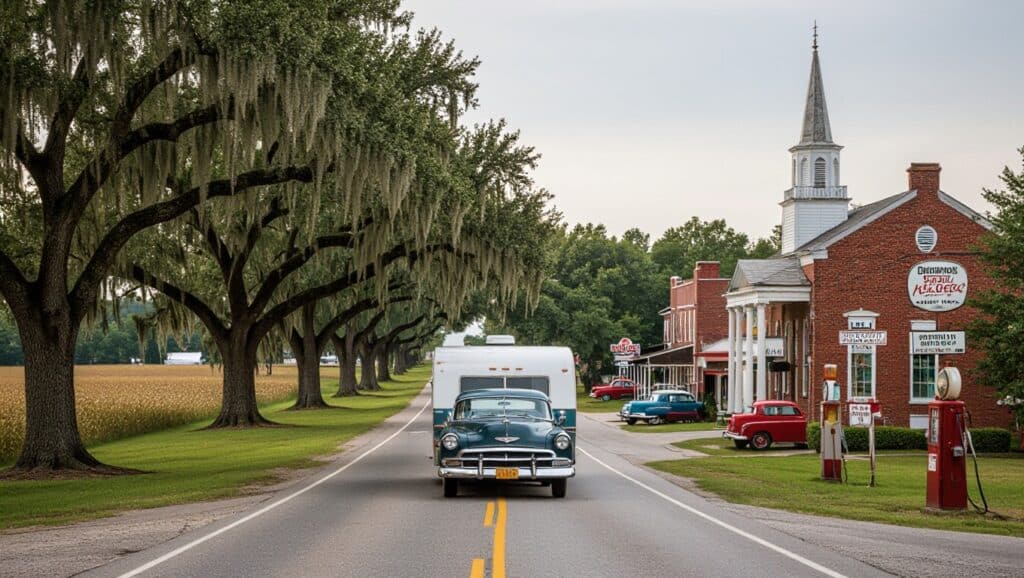
Discover the Essence of Cultural Heritage Drives
What Is a Cultural Heritage Drive and Why Should You Experience It?
A cultural heritage drive offers an immersive journey that delves into the historical and cultural landmarks of a region, providing profound insights into its past and present. These drives invite travelers to engage with the unique narratives that shape a community’s identity, allowing for a deeper connection to the area. Key components of a cultural heritage drive include:
- Historical landmarks and sites
- Cultural narratives and stories
- Local traditions and customs
- Interactive experiences and workshops
- Community engagement and participation
- Ethnic cuisines and local gastronomy
- Art and music that reflect the region’s heritage
Travelers embark on these drives not just to see the sights but to forge connections with the history and culture of a place, enriching their understanding of diverse human experiences. These journeys reveal the heart of a community, allowing for personal growth and cultural exchange.

What Are the Key Benefits of Exploring Cultural Heritage?
Exploring cultural heritage goes beyond simple sightseeing; it enhances understanding and appreciation of diverse histories and traditions, fostering a sense of connection and belonging among individuals. The educational benefits of engaging with cultural heritage are substantial and varied:
- Increased awareness of historical contexts
- Enhanced intercultural appreciation
- Development of critical thinking through historical analysis
- Strengthened community ties through shared narratives
- Opportunities for experiential learning
- Promotion of empathy and understanding
- Encouragement of lifelong learning
By immersing themselves in cultural heritage, individuals not only enrich their knowledge but also contribute to a more interconnected global community. This engagement cultivates respect for diversity and encourages active participation in preserving cultural legacies.
How to Plan an Unforgettable Cultural Heritage Drive?
Effective planning is critical for maximizing the experience of a cultural heritage drive. This involves selecting routes, accommodations, and activities that align with the theme of the drive. Here are some essential planning tips to enhance your journey:
- Research historical and cultural sites along the route
- Prioritize local experiences over tourist traps
- Engage with local guides for authentic insights
- Plan for flexible itineraries to allow spontaneous exploration
- Incorporate cultural festivals or events into your schedule
- Ensure accommodations reflect local heritage
- Prepare for varying transportation needs along the drive
A well-planned cultural heritage drive not only maximizes your learning but also deepens your connection to the communities you encounter. Thoughtful preparation ensures that each moment spent on the drive is meaningful and enriching, allowing for a truly immersive experience.
What Are Some of the Most Popular Cultural Heritage Drives Around the World?
Across the globe, numerous renowned cultural heritage drives invite travelers to explore unique histories and cultures. These drives showcase the rich tapestry of human experience, highlighting various cultural narratives. Notable drives include:
- The Silk Road: Connecting East and West through trade and cultural exchange
- The Inca Trail: A journey through ancient Incan history in Peru
- Route 66: An iconic American highway showcasing mid-century culture
- The Wine Roads of France: Exploring vineyards and culinary heritage
- The Camino de Santiago: A spiritual pilgrimage with deep historical roots in Spain
- The Ring Road: A scenic drive around Iceland, rich in natural and cultural wonders
- The Great Ocean Road: Showcasing Australian coastal heritage and indigenous culture
Each of these drives offers a unique perspective, allowing travelers to immerse themselves in local customs, histories, and identities. These journeys create lasting memories and foster a deeper appreciation for the world’s diverse cultures.
Expert Insights on the Cultural Heritage Drive in the USA’s Deep South
What Makes a Cultural Heritage Drive Successful?
The success of a cultural heritage drive hinges on several critical factors, including engaging narratives, well-preserved sites, and interactive experiences. Successful drives often weave together local stories that resonate with participants. For instance, the Mississippi Blues Trail effectively highlights the importance of blues music in cultural history, offering specific sites tied to famed musicians and their legacies. The inclusion of music festivals, walking tours, and workshops enhances the drive’s appeal and provides visitors with a multifaceted experience.
Another exemplary drive is the Civil Rights Trail, which explores pivotal locations in the civil rights movement across the Southern United States. This drive not only provides historical context but also facilitates discussions on contemporary issues, engaging visitors in meaningful ways. By immersing participants in profound stories of struggle and triumph, these drives leave lasting impressions.
Cultural heritage drives that incorporate community participation and storytelling create lasting impressions and foster connections between visitors and local residents, enhancing the overall experience. These connections not only enrich the visitor’s understanding but also empower communities to share their narratives.
How Can Communities Benefit from Cultural Heritage Drives?
Cultural heritage drives yield numerous benefits for local communities, creating opportunities for economic growth, preserving traditions, and enhancing community pride. Communities can leverage these drives by adopting actionable steps such as:
- Engaging local artisans and performers to showcase traditional crafts and arts
- Developing educational programs for schools that highlight local heritage
- Creating partnerships with tourism boards to promote the drive
- Incorporating community feedback into the planning process for more relevant experiences
- Organizing local events and festivals that align with the drive
- Utilizing social media to showcase local stories and attractions
- Encouraging local businesses to offer heritage-related experiences
By capitalizing on the cultural heritage drive, communities can enhance their economic vitality while fostering pride in their unique histories and traditions. These initiatives not only bolster local economies but also strengthen community bonds.

What Are the Challenges of Organizing Cultural Heritage Drives?
Organizing cultural heritage drives is not without its challenges. Key issues include securing funding, maintaining historical sites, and effectively managing visitor traffic. Addressing funding concerns can involve seeking grants from arts and cultural organizations, collaborating with local businesses, and engaging community stakeholders to support initiatives. Building a robust financial foundation is essential for the sustainability of these drives.
Site maintenance is critical for preserving the authenticity and integrity of cultural landmarks. Communities can form preservation societies that focus on educational outreach and volunteer efforts to maintain these sites. Visitor management is equally essential; implementing sustainable tourism practices can help minimize the negative impacts of increased foot traffic, ensuring that cultural sites remain accessible and preserved for future generations.
Expert analysis indicates that fostering strong relationships with local stakeholders and involving them in the planning process can mitigate many of these challenges, ensuring the drive is sustainable and beneficial for all parties involved. By cultivating collaboration, communities can create a supportive environment that nurtures cultural heritage.
The Historical Significance of Cultural Heritage Drives
What Can We Learn from Historical Sites?
Historical sites serve as living testimonials to past societies, revealing their achievements, struggles, and cultural practices. From ancient ruins to preserved colonial towns, these sites impart valuable lessons that can be applied to modern life. For example, examining sites like the Acropolis in Greece or Machu Picchu in Peru allows contemporary society to reflect on the ingenuity and adaptability of past civilizations.
Understanding the historical context of these sites fosters an appreciation for cultural diversity and highlights the importance of preservation. Moreover, these lessons encourage individuals and communities to engage with their history, shaping their identities and informing their decisions in the present. By reflecting on the past, we can better navigate the complexities of the contemporary world.
Engaging with historical sites can also provide insights into social justice movements, economic systems, and artistic expressions, allowing modern societies to address ongoing challenges with greater awareness and empathy. These interactions can inspire individuals to become advocates for cultural preservation.
Effective Preservation Techniques for Historical Sites
Effective preservation of historical sites involves a combination of conservation, restoration, and public education efforts. Techniques range from using advanced materials for restoration to implementing sustainable practices that protect the sites from environmental degradation. For example, the meticulous restoration of the Cologne Cathedral in Germany demonstrates how careful conservation can revive historical structures while maintaining their integrity.
Public education plays a vital role; communities can organize workshops and guided tours to raise awareness about the significance of preservation. Local governments and organizations can also develop training programs for artisans and craftspeople, ensuring that traditional techniques are passed down through generations. This educational approach fosters a culture of appreciation for heritage among community members.
Improving these preservation techniques requires ongoing research, collaboration between experts, and community engagement to create robust preservation strategies that honor the past while responding to contemporary needs. By prioritizing preservation efforts, communities can ensure that their historical sites remain vibrant and relevant.
How Do Historical Sites Impact Modern Culture?
Historical sites profoundly influence contemporary art, architecture, and societal values. These sites shape our cultural identity by providing a reference point for understanding shared histories. For example, the Pyramids of Giza inspire not only architectural endeavors but also an entire genre of literature and media that reflects on ancient civilizations.
Moreover, historical sites often serve as catalysts for dialogue, prompting discussions around identity, heritage, and the lasting impact of history on our lives. They challenge individuals to reconsider their relationships with their past, encouraging a deeper understanding of their cultural roots. This introspection can lead to a more inclusive narrative that honors diverse experiences.
The influence of historical sites extends to modern architectural practices, where designers draw inspiration from past aesthetics while integrating contemporary functionality. This synergy between history and modernity enriches cultural expressions and promotes a sustainable approach to urban development, ensuring that the legacy of the past informs the future.
Enhancing Community Engagement Through Cultural Heritage
How Can Cultural Heritage Drives Foster Community Involvement?
Cultural heritage drives can serve as a powerful catalyst for community engagement, inspiring local members to actively participate in preservation efforts and cultural events. By integrating local traditions into these drives, communities can foster a sense of ownership and pride. For instance, when local artists and musicians are included in the programming, it not only showcases their talents but also reinforces community bonds. These connections can lead to a more vibrant cultural landscape.
Additionally, organizing cultural festivals that coincide with the heritage drive can further engage community members. These events provide an opportunity for individuals to share their stories and traditions, creating a vibrant atmosphere that celebrates local culture. Encouraging community members to volunteer as guides or storytellers also enhances the visitor experience while deepening their connection to their heritage. This involvement creates a sense of belonging among residents.
Involving local schools in these initiatives can further amplify community engagement. Educational programs that encourage students to explore local history can instill pride and a sense of responsibility toward their cultural heritage. By nurturing the next generation’s relationship with their heritage, communities ensure the continuity of their cultural narratives.
What Role Does Education Play in Cultural Heritage?
Education about cultural heritage is essential for fostering appreciation and understanding among younger generations. Schools can integrate cultural heritage into their curricula by organizing field trips to historical sites, inviting local speakers, and engaging students in hands-on projects that explore their community’s history. This approach not only enhances students’ learning experiences but also cultivates a sense of belonging and responsibility toward their cultural roots.
Educators can utilize innovative teaching methods, such as project-based learning, to immerse students in local culture. For instance, students might research their local history and present their findings through creative projects, such as documentaries or art exhibits. This engagement can ignite a passion for heritage preservation among youth.
Furthermore, partnerships between schools and local cultural organizations can provide valuable resources and expertise, enriching the educational experience. By emphasizing cultural heritage in education, communities can ensure that future generations cherish and preserve their unique histories. This commitment to education empowers individuals to take an active role in cultural preservation.
How Do Cultural Heritage Drives Celebrate Diversity?
Cultural heritage drives highlight the rich tapestry of human history and culture, promoting inclusivity and understanding among diverse communities. These drives serve as platforms to celebrate various cultural expressions, showcasing the artistic, culinary, and social contributions of different groups. Events such as multicultural festivals, art exhibitions, and food fairs can be organized to celebrate this diversity, allowing participants to engage with a range of traditions and practices. These celebrations foster appreciation for the richness of cultural diversity.
Creating spaces for dialogue and exchange during these events fosters mutual respect and understanding. Encouraging community members to share their cultural stories can bridge gaps and build connections between different groups. For example, storytelling sessions or workshops led by local artisans can provide insights into diverse cultural practices, enriching the experience for all participants. These interactions can help cultivate a sense of shared community.
Promoting inclusivity within cultural heritage drives also involves recognizing underrepresented voices and histories. By actively seeking to include marginalized communities, these drives can contribute to a more comprehensive understanding of cultural heritage, fostering unity in diversity. This inclusivity strengthens the fabric of society.
What Impact Does Technology Have on Cultural Heritage Preservation?
Technology offers innovative avenues for preserving and sharing cultural heritage, enhancing community engagement through digital platforms. For example, virtual reality experiences can transport users to historical sites, allowing them to explore these locations from anywhere in the world. Such experiences not only broaden access to heritage but also stimulate interest among younger audiences. This technological engagement can revitalize cultural narratives.
Digital archiving is another critical aspect of technological impact. Communities can utilize digital tools to preserve oral histories, photographs, and artifacts, ensuring that future generations have access to vital cultural narratives. Social media platforms can amplify these efforts, allowing communities to share their heritage stories with a global audience, thus fostering wider engagement. This digital presence can enhance community visibility.
Moreover, technology can facilitate collaboration among different communities, enabling joint projects that celebrate shared heritage. By leveraging technology, communities can create dynamic, interactive experiences that connect individuals to their cultural roots and inspire ongoing engagement with their heritage. This connectivity can strengthen communal bonds.

Research-Backed Benefits of Cultural Heritage Drives in the USA’s Deep South
What Are the Psychological Benefits of Cultural Heritage Drives?
Cultural heritage drives can significantly enhance mental well-being by providing a sense of connection to the past and fostering mindfulness. Engaging with historical sites and stories can evoke a sense of belonging and identity, which are vital for psychological health. For instance, individuals who visit heritage sites often report feeling more grounded and connected to their roots, which can reduce feelings of isolation. This emotional connection plays a crucial role in mental health.
Research indicates that exploring cultural heritage can improve cognitive functions and emotional well-being. Real-world examples demonstrate that people who participate in cultural heritage activities, such as community festivals or guided historical tours, often experience heightened levels of happiness and decreased anxiety. These activities provide meaningful engagement that promotes psychological resilience.
By immersing themselves in cultural narratives, individuals can foster a deeper appreciation for their own histories and those of others, enhancing empathy and understanding. These psychological benefits underscore the importance of promoting cultural heritage drives as a means to support mental health and community well-being. This focus on mental wellness can lead to healthier, more cohesive communities.
What Is the Economic Impact of Cultural Heritage Drives?
Cultural heritage drives can serve as powerful economic engines, stimulating local economies through tourism and related industries. They attract visitors eager to experience local culture, arts, and gastronomy, thus providing opportunities for local businesses to thrive. For example, in the Deep South, heritage drives often center around culinary experiences, attracting food enthusiasts who contribute to the local economy. These drives can significantly boost local revenue streams.
To maximize the economic impact of cultural heritage drives, local governments and organizations can develop comprehensive marketing strategies that showcase unique cultural experiences. Collaborating with tourism boards can enhance visibility, drawing attention to lesser-known sites and stories that enrich the heritage narrative. This strategic marketing can help diversify local economies.
Moreover, creating partnerships with local businesses to offer combined packages—such as guided tours that include meals at local restaurants—can further boost revenue. By prioritizing cultural heritage in economic development strategies, communities can create a sustainable model that benefits both residents and visitors. This collaborative approach fosters economic resilience.
How Do Cultural Heritage Drives Promote Social Cohesion?
Cultural heritage drives can strengthen social bonds by bringing people together to celebrate shared histories. These drives create opportunities for individuals to connect over common experiences and narratives, fostering a sense of unity and belonging. Community events that coincide with cultural heritage drives facilitate interaction among diverse groups, promoting social cohesion and understanding. These connections can enhance community identity.
Expert analysis suggests that involving community members in planning and executing these drives can enhance ownership and pride. Engaging local leaders, artists, and historians helps reflect the community’s unique identity and ensures that the narratives shared resonate with participants. This engagement can lead to a more authentic representation of cultural heritage.
Moreover, shared experiences during cultural heritage drives can lead to the formation of lasting friendships and networks, further reinforcing social bonds. By emphasizing inclusivity and collaboration, cultural heritage drives serve as catalysts for community building and social harmony. This emphasis on connection can transform communities.
What Is the Educational Value of Cultural Heritage Drives?
Cultural heritage drives offer tremendous educational opportunities, enhancing understanding of history and culture. They immerse participants in the narratives that have shaped societies, fostering deeper connections to the past. Educational programs associated with these drives can include interactive workshops, guided tours, and lectures by local historians. These educational experiences provide a rich context for understanding contemporary issues.
Specific educational initiatives, such as collaborative projects with universities or schools, allow students to engage with their local history actively. These programs can include research projects, community presentations, or even the creation of digital resources that document local heritage. This engagement promotes critical thinking and creativity among students.
The impact of these educational programs extends beyond individual learning; they contribute to the broader community’s understanding of its cultural identity. By integrating educational components into cultural heritage drives, communities can ensure that the knowledge and appreciation of their history are passed down through generations. This educational focus fosters a culture of lifelong learning.
How Do Cultural Heritage Drives Contribute to Preservation?
Cultural heritage drives play a vital role in the preservation of historical sites and traditions. By attracting visitors and raising awareness, these drives can generate essential funds for preservation efforts. For instance, entrance fees, donations, and merchandise sales from heritage drives can be reinvested into maintaining and restoring local sites. These financial contributions are crucial for sustaining cultural landmarks.
Effective strategies for preservation through tourism involve creating sustainable practices that protect heritage while accommodating visitors. This can include implementing visitor caps, promoting off-peak travel, and providing educational programming that emphasizes the importance of preservation. These strategies ensure that cultural sites remain intact while allowing for responsible tourism.
Engaging local communities in these efforts is crucial. By fostering a sense of ownership and pride in their heritage, residents are more likely to participate in preservation initiatives. Moreover, partnerships with conservation organizations can enhance the effectiveness of preservation efforts, ensuring that cultural heritage remains intact for future generations. This collaborative approach strengthens community ties.
Leveraging Technology in Cultural Heritage Drives
How Can Technology Enhance Cultural Heritage Drives?
Technology can significantly enhance cultural heritage drives by providing interactive experiences, virtual tours, and educational resources that engage participants. For example, mobile applications can streamline navigation and offer audio guides, allowing visitors to explore cultural sites at their own pace while receiving rich contextual information. This technological integration enhances the overall visitor experience.
One effective tool is augmented reality, which overlays digital information onto physical locations. This technology can bring historical narratives to life, offering immersive experiences that deepen understanding and appreciation. Communities can employ this technology to create engaging storytelling experiences that resonate with visitors of all ages. By appealing to diverse audiences, augmented reality can attract more participants.
Additionally, technology can facilitate real-time interaction between participants and local guides, enhancing the educational experience. By utilizing platforms that allow for live Q&A sessions or discussions, visitors can gain direct insights from those who know the culture best, enriching their overall experience. This interaction fosters a deeper connection to the heritage being explored.
What Role Does Digital Preservation Play in Cultural Heritage?
Digital tools can play a transformative role in preserving and sharing cultural heritage with a broader audience. Initiatives such as digitizing archival materials, creating comprehensive databases of historical sites, and developing online exhibitions make cultural heritage accessible to people worldwide. This accessibility broadens the reach of cultural narratives.
By utilizing social media platforms and digital storytelling, communities can share their heritage narratives and engage a global audience. Documenting local histories through video, photography, and oral history projects can preserve these narratives for future generations while fostering a sense of global community. This digital engagement can inspire worldwide interest in local cultures.
Moreover, integrating digital preservation into cultural heritage drives can enhance visitor experiences. For instance, providing access to virtual tours allows individuals unable to travel to engage with local heritage, fostering a wider appreciation for diverse cultures. This inclusivity strengthens connections across geographical boundaries.
What Future Trends Are Emerging in Cultural Heritage Drives?
Emerging technologies and trends will undoubtedly shape the future of cultural heritage drives, making them more accessible and engaging. Innovations such as virtual reality and gamification are transforming how individuals interact with cultural heritage, creating immersive learning experiences that captivate audiences. These trends can attract younger generations who seek interactive engagement.
Expect to see an increase in personalized experiences tailored to individual preferences, leveraging data analytics to create custom itineraries. This trend will enable participants to explore cultural heritage at their own pace, enhancing the overall experience. Personalization can lead to deeper connections with the content.
Furthermore, sustainability will be at the forefront of future drives, with an emphasis on eco-friendly practices and community involvement. By prioritizing sustainable tourism, cultural heritage drives can protect the very sites they celebrate while promoting responsible travel behaviors among participants. This focus on sustainability can strengthen the commitment to heritage preservation.
How Is Augmented Reality Integrated into Cultural Heritage Drives?
Augmented reality (AR) can be a powerful tool in enriching the experience of cultural heritage drives. By overlaying digital content onto physical locations, AR can provide visitors with interactive storytelling elements that enhance their understanding of the culture and history associated with each site. This technology creates a more engaging experience for participants.
For example, using AR applications, visitors can see historical reenactments, view 3D models of long-gone structures, or access multimedia content that deepens their connection to the narratives being presented. This technology not only makes cultural heritage more engaging but also appeals to younger generations accustomed to digital interaction. This appeal can broaden the audience for cultural heritage.
Communities can implement AR by collaborating with tech developers to create user-friendly applications that enhance the visitor experience. By integrating AR into cultural heritage drives, communities can attract more visitors, providing immersive experiences that showcase their unique histories. This innovation can lead to increased tourism and community engagement.
Personal Stories and Experiences from Cultural Heritage Drives
What Personal Stories Emerge from Cultural Heritage Drives?
Participants in cultural heritage drives often share personal stories that highlight the emotional and transformative power of these experiences. These narratives can range from discovering ancestral roots to gaining insights into unfamiliar cultures. For example, a traveler might recount how visiting a family’s ancestral home during a cultural heritage drive led to a profound understanding of their identity and history. Such journeys can be deeply moving and impactful.
These personal stories inspire others by demonstrating the potential for cultural heritage drives to foster connections and broaden perspectives. They can serve as powerful testimonials, encouraging others to embark on similar journeys of exploration and discovery. These narratives can create a ripple effect, motivating others to engage with their heritage.
Moreover, these personal stories often highlight the impact of community engagement, as participants recount how interactions with locals enriched their experiences. Sharing these narratives can create a sense of belonging and encourage others to explore their own cultural roots. By fostering these connections, cultural heritage drives can unite communities.
How Do Cultural Heritage Drives Impact Individuals?
Cultural heritage drives can profoundly impact individuals, fostering a deeper appreciation for history and culture. Participants often report a heightened awareness of their own cultural identity and a greater understanding of others. This process can lead to transformative experiences that shape personal values and perspectives. Engaging with cultural narratives can provoke introspection and strengthen one’s connection to their own heritage.
For instance, individuals might come to understand the significance of local traditions or historical events that they previously overlooked. This engagement can lead to a newfound respect for cultural diversity and encourage individuals to become advocates for preservation. These insights can be life-changing.
Moreover, the social connections forged during these drives can have lasting effects. Individuals often form friendships and networks that extend beyond their immediate experience, creating a sense of community that persists long after the drive concludes. These relationships can be instrumental in encouraging ongoing engagement with cultural heritage, fostering a culture of shared responsibility.
How Can You Share Your Cultural Heritage Drive Experience?
Sharing experiences from cultural heritage drives through blogs, social media, and personal narratives can inspire others to embark on their own journeys. By documenting their travels, individuals can highlight unique cultural insights, share personal reflections, and promote lesser-known heritage sites. This sharing can broaden the audience for cultural heritage.
Visual storytelling through photography or video can be particularly impactful, allowing audiences to engage with cultural heritage in dynamic ways. Utilizing platforms like Instagram or YouTube can attract a broader audience, fostering interest and encouraging others to explore their local heritage. This visual engagement can create a sense of excitement and curiosity.
Furthermore, individuals can participate in community forums or cultural events to share their experiences directly. These interactions not only inspire others but also contribute to a collective narrative surrounding cultural heritage, reinforcing its significance in our global community. By sharing stories, individuals can help preserve cultural narratives for future generations.
Frequently Asked Questions About Cultural Heritage Drives
What is a cultural heritage drive?
A cultural heritage drive is an immersive journey that explores historical and cultural landmarks of a region, providing insights into its past and present. These drives foster a deeper understanding of the cultural landscape.
What are the benefits of exploring cultural heritage?
Exploring cultural heritage enhances understanding, fosters appreciation of diverse histories, and creates a sense of connection among individuals and communities. This engagement cultivates respect for cultural diversity.
How do I plan a cultural heritage drive?
Effective planning involves researching historical sites, prioritizing local experiences, engaging with local guides, and being flexible in your itinerary. This thoughtful approach ensures a richer experience.
What are some popular cultural heritage drives worldwide?
Notable drives include the Silk Road, Camino de Santiago, and Route 66, each offering unique insights into various cultures and histories. These drives serve as gateways to understanding diverse traditions.
How can communities benefit from cultural heritage drives?
Cultural heritage drives can boost local economies, foster community pride, and preserve traditions, leading to enhanced social cohesion. This impact strengthens the local cultural landscape.
What challenges are faced in organizing cultural heritage drives?
Challenges include funding, site maintenance, visitor management, and ensuring community involvement while promoting sustainable practices. Addressing these issues is crucial for successful drives.
How do historical sites impact modern culture?
Historical sites influence contemporary art and architecture, shape societal values, and serve as catalysts for cultural dialogue and understanding. They play a vital role in shaping cultural identity.
How can technology enhance cultural heritage drives?
Technology can provide interactive experiences, virtual tours, and educational resources, making cultural heritage more engaging and accessible. This innovation enriches visitor experiences.
What are the psychological benefits of cultural heritage drives?
Cultural heritage drives can enhance mental well-being by fostering a sense of connection to the past and promoting mindfulness. This engagement supports emotional health.
How can I share my cultural heritage drive experience?
Sharing experiences through blogs, social media, and personal stories can inspire others to explore cultural heritage and engage with their local histories. This sharing fosters community connections.
Connect with us on Facebook!
See also: Car Rental Australia.
Clara Bennett is a passionate writer and expert in the world of car rentals, focusing on providing insightful guidance for affordable options available online. With years of experience in travel and a keen understanding of the industry, she aims to simplify the car rental process for her readers. Clara’s engaging articles and practical tips help travelers navigate the complexities of securing the best deals, making her a go-to resource for anyone looking to save money on their next adventure.




Your exploration of cultural heritage drives brings to light an often-overlooked aspect of travel that goes beyond mere sightseeing. When I think about the significance of engaging with historical landmarks and local customs, it resonates deeply with my own experiences. I’ve found that understanding the narratives behind a place can truly transform the way we perceive our surroundings.
I completely resonate with what you’re saying. Engaging with historical landmarks and local customs can enhance the travel experience in such profound ways. It makes me think of a trip I took to a small town in Italy where the locals were so connected to their traditions. I remember attending a festival that celebrated a centuries-old custom, and it was incredible to see how the community came together, sharing stories and laughter over time-honored practices.
What a compelling exploration of cultural heritage drives! The idea of journeying through narratives deeply embedded in our communities resonates strongly with me. These drives not only provide an opportunity to see the physical landmarks but also serve as a powerful reminder of the stories and traditions that shape our identities. It’s fascinating to consider how these experiences can bridge the gap between generations, allowing younger travelers to connect with the histories that may not always be part of their immediate realities.
The concept of a cultural heritage drive resonates deeply with me, as it provides a unique opportunity to travel not just through space, but through time. It’s fascinating to think about how our understanding of history is enriched when we engage with the stories and people that have shaped a region.
The concept of a cultural heritage drive is truly fascinating and resonates on many levels—both personally and socially. I appreciate how you highlight the importance of engaging with historical landmarks, local customs, and community narratives, as these elements serve as crucial threads in the intricate tapestry of a region’s identity.
It’s interesting to see how cultural heritage drives can transform the way we engage with the places we visit. I remember taking a drive through the Lowcountry of South Carolina a couple of years ago, stopping at plantation homes and historic towns. Each stop told a different story about the region’s complex history, from the Gullah culture to the Civil War. It was more than just seeing the sights; it felt like a way to connect with the past and understand the cultural fabric that still influences the area today.
I appreciate the emphasis on cultural heritage drives—they truly offer a unique way to explore a region that goes beyond just sightseeing. I remember taking a drive through the Deep South, where each stop revealed not only historical landmarks but also stories of resilience and community. For instance, visiting local museums and engaging with residents deepened my understanding of the civil rights movement’s impact on the area.
Your exploration of cultural heritage drives resonates deeply with me, especially in a world where travel often prioritizes quick experiences over meaningful connections. One of my favorite cultural drives was through the Appalachian region, where each stop revealed not just stunning landscapes, but also stories of early settlers, local crafts, and music traditions that shaped American culture.
Your experience in the Appalachian region perfectly encapsulates how travel can be so enriching when we focus on depth rather than speed. Those stories of early settlers and the local crafts really are the threads that weave our cultural fabric together. It’s fascinating how the music traditions you mentioned not only tell tales of hardship and joy but also create a sense of community that lingers long after the notes fade away.
I love the idea of a cultural heritage drive! It’s not just about getting from point A to point B; it’s about experiencing the stories and traditions that define a place. I recently took a road trip through the Appalachian Mountains, and instead of just rushing to see the major sights, I made a couple of stops at local crafts shops and spoke with artisans. Hearing their stories about the traditions behind their crafts brought the area to life in a way I hadn’t anticipated.
Your description of cultural heritage drives truly resonates with my recent experiences while traveling. There’s something deeply enriching about exploring a region’s past through its landmarks and local stories. I recall a recent trip to the American South, where I took a scenic drive that highlighted not just historical sites but also the narrations of the people who lived those histories. Visiting places like small historical towns and engaging with locals at community events provided a rich tapestry of insights that guidebooks often miss.
This post beautifully captures the essence of cultural heritage drives and how they can enrich our travel experiences. I remember my last road trip through the Deep South where we visited Civil Rights landmarks, small museums, and even participated in a local storytelling session. Each location revealed unique narratives that made the history feel both personal and immediate.
This concept of a cultural heritage drive really resonates with me. I took a road trip through the South last summer, and it felt like each stop was like peeling back layers of history. Visiting places like historic plantations and museums not only taught me about the local culture but also challenged some of my own assumptions about our collective past. I remember participating in a local festival where we learned traditional dance and music – it was such an immersive experience firsthand!
This exploration into cultural heritage drives really resonates with me, as they serve as a bridge connecting us to the layers of history and identity within different communities. The beauty of these drives lies in their ability to transform a simple journey into an engaging experience where every landmark and story contributes to a larger narrative about a place.
The concept of a cultural heritage drive that you’ve introduced is both captivating and essential for fostering a deeper understanding of our world. I find the intersection of travel and cultural history to be a particularly enriching experience that goes beyond mere sightseeing. Engaging with historical landmarks, local traditions, and communities allows us to grasp the complexities and narratives that shape different societies.
Your exploration of cultural heritage drives hit an intriguing note for me! I’ve always felt that travel can be like peeling an onion—layer after beautiful layer, each revealing its unique scent of history, culture, and sometimes tears, depending on how often we make wrong turns trying to follow directions!
I really appreciated your insights on cultural heritage drives. They remind me of road trips I’ve taken where the journey felt as significant as the destination. One particularly memorable experience was driving through the Natchez Trace Parkway, where every stop introduced me to local stories and traditions that I had never encountered before.
I truly appreciate the exploration of cultural heritage drives in your post. It’s fascinating to see how travel can transform from mere sightseeing into an enriching experience that fosters a genuine connection with history and local culture. The emphasis on historical landmarks and local traditions really resonates with me, as I’ve often found that the most memorable travel moments arise from engaging directly with the narratives that shape a community’s identity.