
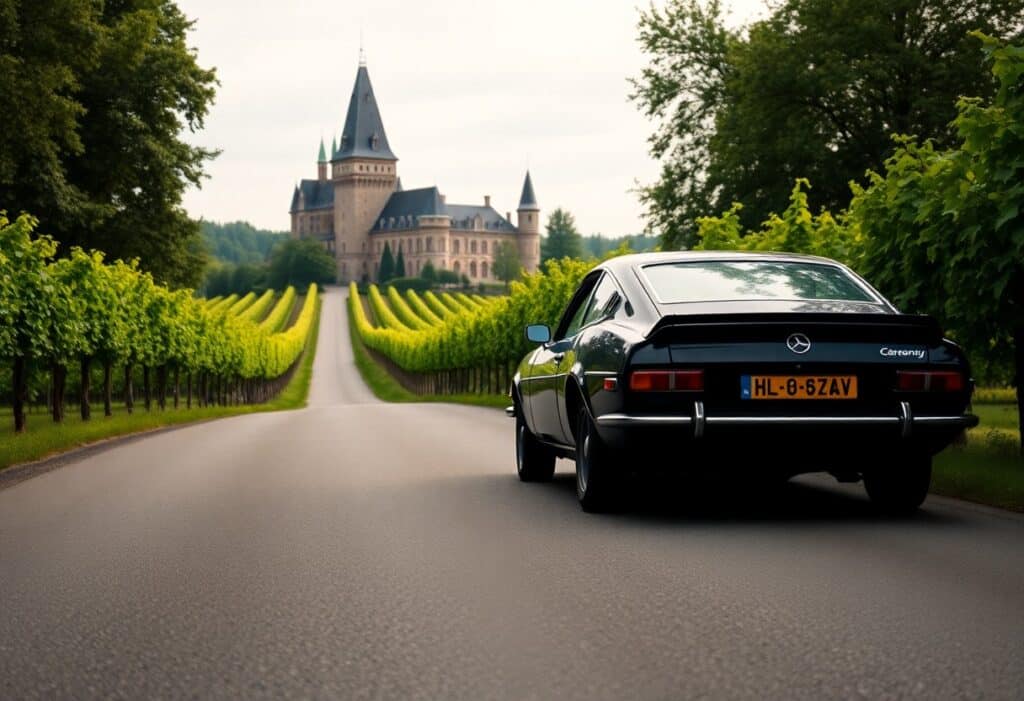
Germany works especially well for a road trip because its routes are varied, the driving network is efficient, and the scenery changes quickly once you leave the cities. If you want to keep the trip focused, start with one of these three ideas and pair it with practical planning from these road trip planning tips.
Best fit at a glance
Choose the coastal route for relaxed scenery, Bavaria for castles and alpine roads, or the Christmas market route for a winter trip with the strongest seasonal atmosphere.
The common thread is simple: all three trips work best when you plan routes around regions, not just individual cities. If you are still shaping the broader trip, it also helps to understand Germany’s driving rules before you lock in your itinerary.
What To Know Before You Choose A Route
Germany is easy to tour by car because distances between highlights are manageable and the route density is strong. But the best road trip for you depends on more than scenery: weather, comfort level, parking, and the kind of stops you want all change the answer.
If you want relaxed driving with flat terrain and sea views, the north is a better fit than the Alps. If you want iconic storybook scenery, Bavaria gives you more dramatic landscapes and more obvious “I’m glad I drove here” moments. If your trip is tied to the festive season, the Christmas market route makes sense only if you are traveling in late autumn or December and you are comfortable with colder conditions.
Bavaria Route
Best if you want lakes, castles, and mountain backdrops with the most classic German postcard feel.
Christmas Market Route
Best if your trip is seasonal and you want cities, food, and festive stops to be the main event.
Three Germany Road Trip Ideas That Work Well In Real Life
1) North Sea And Baltic Sea Coast: Easygoing, Scenic, And Family-Friendly
This is the best choice if you want a Germany road trip that feels spacious and unhurried. The north coast gives you dunes, harbors, beach towns, and a cleaner driving rhythm than an alpine itinerary. It is especially appealing if you like a trip that mixes short driving days with long outdoor stops.
A practical route can start around Hamburg and continue toward the Schleswig-Holstein coast, then branch to islands or seaside towns along the North Sea and Baltic Sea. Places such as Lübeck, Fehmarn, and Sylt give the trip a different mood depending on how much time you have. Lübeck adds old-town character, Fehmarn gives you easy beach access, and Sylt brings a more polished coastal feel with strong surfing and kiting culture.
This route works well for travelers who want a lower-stress drive and a balanced mix of city stops and scenery. It is also a smart option if you are traveling with children or if you prefer fewer steep roads and less weather sensitivity than the south. If you want more route inspiration that stays in a road-trip mindset, the broader travel articles section is a useful place to compare trip styles without overcommitting to one region too early.
2) Bavaria And The Alpine Loop: Castles, Lakes, And The Classic Scenic Drive
If you want the most cinematic Germany road trip, Bavaria is the strongest single-region answer. The roads between Munich, Füssen, Ettal, and nearby lake districts make it easy to build a compact route without long dead stretches in between. This is the route to choose if your priority is scenery first and logistics second.
A good Bavaria loop usually includes Munich as the arrival point, then heads toward Neuschwanstein, Linderhof, and the surrounding lakes and mountain towns. You can keep it simple with a short loop or add more time for hiking, cycling, and smaller villages. The scenery gets more dramatic as you move west and south, so you do not need to cover a huge distance to feel the trip change.
This option is best for travelers who like variety within a manageable radius: castle views one day, alpine lakes the next, and plenty of chances to stop for local food and photos. It is also the route where your car choice matters most. A compact vehicle can be enough for two people, but a slightly roomier car makes sense if you have luggage, winter gear, or plan to spend long stretches on mountain roads. For a deeper look at route safety and local rules, keep German driving essentials open while you plan.
3) Christmas Market Road Trip: Festive, Compact, And Best Saved For Winter
Germany’s Christmas markets are one of the country’s best seasonal travel experiences, and a road trip is a sensible way to string several of them together. This is not the route for warm-weather flexibility; it shines when you are traveling in late November or December and want the atmosphere to be as important as the destinations.
You can base the trip around cities with well-known market scenes, then connect smaller festive stops in between. Berlin, Munich, Hamburg, and Cologne are all practical anchors if you want a larger-city balance, while places like Lübeck bring a more intimate historic setting. The food and drink are a major part of the appeal, from glühwein and lebkuchen to regional snacks and handmade gifts.
Because this route is seasonal, timing matters more than on the other two. Crowds rise quickly, parking gets tighter, and weather can shape both the mood and the pace of the trip. That does not make it difficult, but it does mean you should book earlier than you would for a summer scenic drive. If you are combining market visits with castle stops or winter landscapes, keep the itinerary compact so you are not spending too many hours on the road between evening events.
Planning Window, Budget, And Booking Timing
The strongest time to take a Germany road trip depends on the route. May through July gives you the widest weather window for the coast and Bavaria, while December is the obvious choice for Christmas markets. If you travel in shoulder season, you can still have a great trip, but you should expect more weather variation and plan your daily driving with a little extra flexibility.
Your budget will vary by route and season, but the original estimate of roughly £730 per person for a 7-day trip is a useful planning marker if you are sharing costs sensibly. A practical budget should include car hire, fuel, accommodation, food, and a small buffer for parking or unexpected route changes. If you are comparing vehicle options, a guide like limited vs unlimited mileage can help you decide whether your route justifies paying more for freedom.
The earlier you book, the easier it is to keep the trip balanced. For summer trips, booking accommodation and the vehicle in advance can save money and reduce the risk of weak availability near the most scenic stops. For December, early booking is even more important because market weekends can fill quickly and parking becomes more limited in the busiest cities.
Simple Planning Checklist For A Smoother Drive
- Check weather by region, especially if your route includes Bavaria or winter travel in the north.
- Choose a car that fits your luggage and route, not just the lowest daily rate.
- Confirm parking near your hotels, especially in cities and market towns.
- Allow extra time for scenic stops rather than packing the itinerary too tightly.
- If you are driving in colder months, make sure the vehicle is appropriate for winter conditions.
- Use no more than one or two major bases if you want the trip to feel relaxed instead of rushed.
The original article repeatedly pushes car rental, but the real value is in matching the vehicle to the route. An economical car works well for the coast and for city-linked market trips, while a slightly larger car can feel better for Bavaria if you have passengers, luggage, or winter gear. Unlimited mileage is worth considering if you plan to wander rather than keep to a tightly fixed loop.
Ready to map out the rest of the trip?
If you have chosen your route, the next practical step is to align your car, hotels, and driving plan so the trip feels calm rather than rushed.
Frequently Asked Questions
What Is The Best Time To Take A Road Trip In Germany?
May through July is the safest all-round choice for a scenic Germany road trip, while December is the best month if Christmas markets are the goal. Shoulder seasons can be rewarding too if you want fewer crowds and better value.
How Many Days Do I Need For A Germany Road Trip?
Five to seven days is enough for one strong regional route, such as the coast, Bavaria, or a Christmas market loop. If you want to combine regions, add extra time so the trip does not become mostly transit.
Do I Need A Special Car For Driving In Germany In Winter?
For winter travel, choose a car that is suitable for colder conditions and confirm that the setup matches the season. That matters most if you are heading to Bavaria or driving in December for Christmas markets.
Is Unlimited Mileage Worth It For A Germany Road Trip?
It is often worth comparing, especially if you want the freedom to add detours, scenic stops, or extra regional driving without watching the odometer too closely. For a short, tightly planned loop, a lower-cost mileage cap may be enough.
Germany is one of the easiest countries in Europe to turn into a memorable self-drive trip, but the best results come from choosing one region and building around it. Coastal calm, Bavarian scenery, and festive winter markets each deliver a very different experience, which is exactly why this guide works better as a focused planning page than as a generic road-trip roundup.

Jessica Malone is a passionate writer and travel enthusiast, specializing in affordable car rental solutions. With a keen eye for detail, she explores various aspects of cheap car rentals, offering readers practical tips and insights to maximize their travel experiences. Through her engaging articles, Jessica aims to empower travelers to make informed decisions and navigate the world of online car rental services with ease.


Germany really does offer an incredible range of road trip experiences! I fondly remember a trip along the Romantic Road, where we stopped at picturesque towns like Rothenburg ob der Tauber and Dinkelsbühl, with their medieval charm. It was a great way to immerse ourselves in the local culture, enjoying delicious German cuisine at small family-run restaurants.
Your suggestions for road trips in Germany are really intriguing! I particularly love the idea of a coastal road trip; there’s something so refreshing about the sea. On my last visit, I drove along the Baltic coast and was amazed by the quaint seaside villages and the incredible sunsets.
Ah, the allure of a German road trip! With the Autobahn calling your name and those scenic routes beckoning, it sounds like a quest for both adventure and bratwurst. I remember my own escapade through Bavaria, where I learned (the hard way) that “unlimited mileage” doesn’t always mean unlimited sense—especially when I mistook a detour for a straight shot to Neuschwanstein Castle and ended up in a tiny village debating the merits of sauerkraut with locals who looked suspiciously like they hadn’t left in decades.
Your Bavarian adventure sounds like quite the memorable experience. The charm of the German countryside often lies in those unexpected detours. Finding yourself in a tiny village, engaging locals over sauerkraut, can sometimes provide the most authentic travel memories, far richer than any tourist attraction. Those moments really capture the essence of travel—where the journey can often unravel in ways you never anticipated.
Your insights on road trips in Germany are truly inspiring, and they highlight the diverse experiences one can have while exploring the beautiful landscapes and rich culture of the country. I particularly appreciate the mention of different themes for road trips, such as coastal and mountainous routes—each offering a unique perspective on Germany’s multifaceted charm.
Your suggestions for road trips in Germany are fantastic! I particularly appreciate the focus on diverse landscapes, as each region offers a unique charm and cultural experience. Last summer, I had the chance to explore the Romantic Road, which winds through beautiful medieval towns and castles. It was fascinating to see how each stop had its own local specialties, from traditional Bavarian pretzels to those delightful Franconian wines.
It’s great to hear about your experience on the Romantic Road! That route truly encapsulates the rich history and culture of Germany with such ease. The medieval towns along the way really transport you back in time, don’t they? It’s fascinating how each locale boasts unique customs and culinary delights. Your mention of Bavarian pretzels and Franconian wines reminds me just how integral food culture is to the overall traveling experience. I find that tasting local specialties provides a deeper connection to the place and its people.
Your blog post paints a vivid picture of the possibilities for road trips in Germany, and I find the idea of exploring the coastal routes particularly appealing. I’ve always been fascinated by how a country can offer such diverse landscapes—from the sandy beaches of the North Sea to the dramatic peaks of the Bavarian Alps.
It’s great to hear that you’re interested in the coastal routes and the stunning diversity of Germany! It’s fascinating how you can go from the soft sands of the North Sea to the rugged mountains of the Bavarian Alps in just a few hours. Each region has its own vibe, and the contrasts are one of the things that make road tripping in Germany so special.
What an insightful guide on planning a road trip in Germany! Your suggestions are not just practical; they also capture the essence of what makes road trips so special—freedom and the opportunity for adventure. Driving through Germany can truly be a remarkable experience, especially with its diverse landscapes that range from the serene coastlines to breathtaking mountainous regions.
It’s great to hear that you found the guide insightful! Planning a road trip in Germany really does feel like curating your own adventure. One of the things I particularly love about driving there is how the landscape changes so dramatically from one region to the next. You can go from the rolling vineyards of the Rhine Valley to the rugged peaks of the Alps in just a short drive, and that variety keeps the journey fresh and exciting.
I couldn’t agree more about the varying landscapes in Germany. Each region feels like its own little world. I particularly love how the transition from the Rhine Valley to the Alps includes such distinct cultural shifts as well. You can almost feel the atmosphere change; the Rhine is so vibrant with its vineyards and castles, while the Alps bring a more serene, rugged spirit that’s just breathtaking.
I recently came across an article that beautifully captures the essence of road trips, focusing on the stunning shifts in scenery you can experience while driving through the Southwest Desert.
‘Southwest Desert Drive: Exploring a Timeless Journey’
https://online.rentacar24.org/southwest-desert-drive-exploring-a-timeless-journey/.
It’s great to hear you connected with the guide! Planning a road trip in Germany really brings to mind the balance between spontaneity and structure, doesn’t it? There’s something about the open road that invites you to embrace the unexpected. I often find that some of the most memorable moments come from those unplanned stops—like stumbling upon a quaint village market or a hidden hiking trail.