
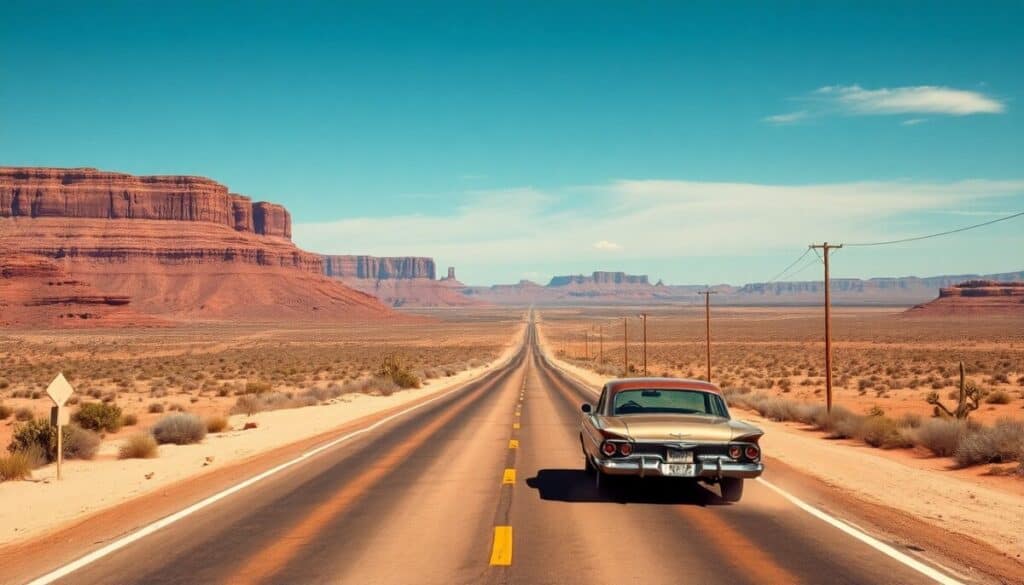
Explore the Captivating Experience of Desert Drives
Discover the Allure of Scenic Desert Routes
Desert drives enchant travelers through their breathtaking landscapes and profound sense of peace. The wide-open vistas, adorned with extraordinary rock formations and stunning sunsets, provide a refreshing escape from the hustle and bustle of city life. The barren yet beautiful terrain, often free from crowds, encourages deep reflection and a genuine appreciation for the natural world. Whether it’s the gentle whisper of the wind across the sand dunes or the captivating colors of twilight, the desert journey is both sensory and transformative. This experience allows individuals to disconnect from their everyday routines and fully immerse themselves in the peacefulness of expansive outdoor spaces.
Furthermore, the charm of desert drives transcends mere visuals; it unfolds as an emotional adventure. As you navigate winding roads beneath a limitless sky, enveloped by muted tones and sweeping landscapes, you encounter a profound sense of liberation. Each bend in the road unveils fresh perspectives, imbuing every moment with significance. Travelers often find themselves reminiscing about these journeys long after they’ve returned home, as the memories resonate deeply within. The combination of striking beauty and emotional release renders desert drives an irresistible escapade.

What Elements Make a Desert Drive Unforgettable?
Unforgettable desert drives are characterized by their distinctive paths and the diverse sights encountered along the way. Each journey creates a rich tapestry woven from the landscapes explored, the personal moments shared, and the narratives birthed from the adventure. Unique geological formations, vibrant oases, and ancient petroglyphs provide a vibrant backdrop that elevates the experience. The striking contrast between rugged mountains and a crystal-clear blue sky, or the subtle color transitions in shifting sands, can transform an ordinary drive into an extraordinary adventure.
In addition, the personal experiences gathered during the drive, such as unexpected wildlife sightings or spontaneous visits to local attractions, enrich the journey. Sharing these moments with companions, or reflecting on them in solitude, crafts a narrative that remains vivid in memory. The emotional bonds forged through these experiences often leave a lasting impact, transforming the drive from a simple means of travel into a significant journey that shapes one’s outlook on life.
Why Solitude Plays a Vital Role in Desert Travel
Solitude is a vital component of the desert experience, offering travelers a unique opportunity to detach from the chaos of contemporary life. The expansive landscapes provide a setting for personal introspection, where quiet moments spent in nature can lead to significant self-discovery. Many individuals find that the desert’s isolation fosters creativity and mental clarity, as it frees the mind from distractions. This tranquility inspires honest self-reflection, promoting emotional well-being and a deeper understanding of one’s desires and aspirations.
Additionally, solitude during desert travel allows for a deeper reconnection with nature. The stillness invites contemplation, and the vast surroundings can instill feelings of humility and gratitude. By being fully present in such an environment, travelers often report experiencing a renewed sense of purpose and a stronger connection to the Earth. Embracing solitude in the desert thus transforms into not just a personal journey, but a universal invitation to explore the inner landscapes of one’s mind.
Insights from Experts on Southwest Desert Drives
What Insights Do Experts Provide About Desert Drives?
Experts highlight that proper preparation and safety measures are crucial when embarking on desert drives. Considering the unique challenges that desert environments present, including extreme temperatures and remote locations, meticulous planning is essential to ensure a safe and enjoyable experience. They suggest a proactive approach, ensuring that vehicles are well-maintained and equipped for the journey ahead. A well-prepared vehicle not only enhances safety but also elevates the overall enjoyment of the drive.
Here are some expert recommendations for desert drives:
- Always carry sufficient water and hydration supplies.
- Check all vehicle fluids and tire pressure before departure.
- Have a first aid kit and emergency supplies readily accessible.
- Inform someone about your travel plans and estimated return time.
- Ensure your vehicle is equipped with a spare tire and repair tools.
- Pack a reliable navigation system, as cell service may be limited.
- Familiarize yourself with the specific terrain and weather conditions in the area.
- Consider traveling with a companion for added safety and support.
These insights emphasize the significance of thorough preparations and establish a knowledge base that enhances the experience of traversing the desert.
How Can You Effectively Prepare for a Desert Drive?
Preparing for a desert drive involves a comprehensive approach that ensures both safety and enjoyment. First and foremost, ensuring vehicle readiness is paramount. A complete inspection should encompass checking brakes, lights, wipers, and verifying that the air conditioning is operational for hot weather conditions. Additionally, packing essential supplies is critical, as the desert can be unforgiving.
Essential items to pack for a successful desert drive include:
- At least one gallon of water per person per day.
- Non-perishable snacks and food items.
- A fully stocked first aid kit.
- Maps, GPS devices, or offline navigation apps.
- A flashlight with extra batteries, as desert nights can be extremely dark.
- Sun protection gear, including sunscreen, hats, and sunglasses.
- Warm clothing for cooler evenings, despite daytime heat.
- Emergency tools and a spare tire with jack.
Beyond physical preparations, mental readiness is equally vital. Familiarizing yourself with the route, potential hazards, and local wildlife will bolster your confidence as you navigate the desert landscape. Dedicating time to thoughtfully plan your drive can significantly enhance your experience, ensuring you are well-prepared to embrace the adventure that lies ahead.
What Psychological Benefits Are Associated with Desert Travel?
Desert travel offers remarkable psychological benefits, as the expansive landscapes and solitude can foster mental clarity and emotional healing. Research indicates that spending time in natural environments, particularly in vast spaces like deserts, can reduce stress levels, elevate mood, and enhance cognitive function. The serenity found in nature promotes mindfulness, allowing individuals to immerse themselves in the present moment, thereby alleviating anxiety and encouraging relaxation.
Moreover, the distinctive environment of the desert ignites a sense of freedom. As travelers navigate the arid expanse, they often feel an invigorating connection to nature, rekindling their sense of wonder and exploration. This newfound appreciation for the environment can inspire a deeper commitment to personal well-being and conservation efforts. Experts advocate for desert drives as a therapeutic outlet, promoting mental health and offering an invaluable opportunity to reconnect with oneself and the surrounding world.
Crafting Your Ideal Desert Drive Adventure
What Essentials Should You Pack for a Desert Drive?
When planning a desert drive, strategic packing is essential to ensure safety and comfort. Given the unpredictable climate and remoteness of many desert locations, possessing the right supplies can significantly enhance your experience. Key considerations should encompass hydration, nutrition, and tools for navigation and emergencies.
Essential items for packing include:
- Enough water to last the duration of your trip, plus extra supplies for unexpected delays.
- A variety of portable, energy-dense foods such as nuts, granola bars, and dried fruits.
- A comprehensive first aid kit, including medications for common ailments like headaches or allergies.
- A reliable map or GPS unit, with pre-downloaded maps for areas with poor cell service.
- Multi-tools or emergency kits that include items for vehicle repairs.
- Sun protection: high-SPF sunscreen, lip balm, and protective clothing.
- A portable power bank for charging electronic devices.
- Camping gear if planning to stay overnight, including tents and sleeping bags.
By thoughtfully preparing your pack, you ensure that you are equipped to face the unique challenges of desert driving while also fully enjoying the journey. The right mix of supplies not only facilitates safety but also enhances the overall adventure experience.
How to Choose the Right Vehicle for Desert Terrain?
Choosing the appropriate vehicle for desert driving is essential for navigating the diverse challenges presented by the terrain. Factors such as ground clearance, stability, and durability should significantly influence your selection. Vehicles designed for off-road capabilities typically excel on uneven and rugged landscapes, facilitating a smoother and safer journey.
When considering your vehicle, look for features that enhance desert driving:
- High ground clearance to avoid obstacles and rough patches.
- Four-wheel drive capabilities for improved traction on sandy or rocky paths.
- Robust tires designed for desert conditions, which can withstand heat and abrasive surfaces.
- Good air conditioning to provide relief from extreme temperatures.
- A spacious interior to comfortably accommodate passengers and gear.
- Fuel efficiency, as gas stations may be sparse in remote areas.
- Navigation systems specifically tailored for off-road use.
- Reliable safety features, including advanced braking systems and stability control.
Investing time in selecting the right vehicle not only enhances your driving experience but also significantly contributes to your safety and enjoyment throughout your desert adventure.
What Strategies Should You Employ for Effective Route Planning?
Effective route planning is crucial for a successful desert drive. This involves thorough research on the best paths, necessary stops, and maintaining flexibility to accommodate unexpected changes. A well-planned route ensures that you experience the highlights of the desert while staying safe and avoiding potential hazards.
Start by researching the most popular trails and roads known for their scenic beauty and unique attractions. Identify key locations you wish to visit, such as national parks, historical sites, or local landmarks. It’s also beneficial to check current road conditions and any potential closures or detours that may impact your journey.
In addition to pinpointing key locations, effective route planning includes allowing for flexibility. The desert environment can be unpredictable, and the ability to adapt to changing conditions or spontaneous discoveries can greatly enhance your experience. Incorporate a balance of planned stops and open-ended exploration to fully embrace the adventure.
Finally, ensure that your navigation aids, whether physical maps or GPS devices, are ready for use. Familiarize yourself with alternative routes in case of emergencies, as cell service may be unreliable in remote areas. Proper planning will provide peace of mind, allowing you to focus on the joy of the journey ahead.
The Fascinating History of Desert Exploration
Who Were the Early Explorers and What Were Their Journeys Like?
The history of desert exploration is rich with tales of adventure, resilience, and discovery. Early explorers ventured into these harsh landscapes, often driven by necessity or curiosity. They faced daunting challenges, from extreme temperatures to scarce resources, which tested their limits and inspired incredible stories of survival. Notable figures such as Marco Polo and Ibn Battuta documented their travels through arid regions, leaving behind accounts that would inspire generations to come.
These journeys were often perilous, requiring explorers to rely on their ingenuity and local knowledge. They navigated by the stars, learned to find water sources, and adapted to the rhythms of desert life. The accounts of these early explorers reveal not only their courage but also the profound connection they developed with the land. Their experiences laid the groundwork for future explorations and significantly contributed to geographic knowledge.
Moreover, the cultural exchanges that occurred during these explorations enriched societies, leading to the establishment of trade routes and the sharing of ideas. Encounters between different cultures fostered the exchange of knowledge regarding navigation, resource management, and survival strategies in desert environments.
How Have Methods of Desert Travel Evolved Over Time?
Methods of desert travel have significantly evolved, reflecting advancements in technology and the changing needs of explorers. Initially, journeys were undertaken on foot, demanding immense stamina and local knowledge of the terrain. Nomadic tribes thrived in these environments, utilizing camels and horses to traverse vast stretches of desert, showcasing a deep symbiotic relationship with their surroundings.
As transportation technology progressed, so too did the methods of desert travel. The invention of the automobile revolutionized access to remote areas, enabling more individuals to experience the breathtaking beauty of the desert. Modern vehicles designed for off-road capabilities have made it feasible to navigate rugged landscapes with greater ease, opening the desert to adventurers and tourists alike.
Furthermore, the development of navigation tools, from compasses to GPS systems, has transformed how travelers interact with desert landscapes. These tools have increased safety and efficiency, allowing for more spontaneous exploration. Yet, despite these technological advancements, the essence of desert travel remains rooted in the exploration of nature, echoing the timeless adventures of early explorers.

What Impact Has Desert Exploration Had on Society?
Desert exploration has profoundly influenced society by revealing new lands and fostering cultural exchanges. Discoveries made by early explorers often led to the establishment of trade routes that connected disparate cultures, enriching economies and promoting the exchange of ideas and goods. These interactions contributed to the growth of civilizations, as resources and knowledge flowed between regions.
Additionally, the allure of the desert has inspired countless works of art, literature, and philosophy. The stark beauty and mysteries of desert landscapes have sparked the creativity of artists and writers throughout history, shaping cultural narratives. The desert’s harshness juxtaposed with its beauty symbolizes human struggle and resilience, themes that resonate across various forms of artistic expression.
Moreover, desert exploration has prompted discussions about conservation and environmental stewardship. As awareness of the fragile ecosystems within deserts has increased, so has the emphasis on preserving these landscapes for future generations. The legacy of desert explorers serves as a reminder of humanity’s relationship with nature and the ongoing responsibility to protect these unique environments for the benefit of all.
What Safety Considerations Should You Keep in Mind for Desert Drives?
How to Effectively Handle Emergencies While in the Desert?
Handling emergencies in the desert necessitates a blend of preparation, knowledge, and calmness. The remote nature of desert environments means that help may not be readily available, making it essential for travelers to be equipped with survival skills. Understanding basic survival techniques, such as how to find water and signal for help, can be crucial during an emergency.
In cases of dehydration, it’s vital to know how to locate water sources. Travelers should learn to recognize signs of moisture in the environment, such as plant roots or animal tracks leading to water. Additionally, signaling for help can involve using reflective objects, creating smoke signals, or utilizing emergency communication devices.
Remaining calm is crucial in emergency situations. Panic can cloud judgment and hinder effective decision-making. Having a clear plan for emergencies, including communication strategies and evacuation routes, can greatly improve the odds of a swift and safe resolution. Familiarity with the terrain and potential risks will enhance preparedness, enabling travelers to respond effectively to challenges.
Why is Vehicle Maintenance Vital for Desert Travels?
Vehicle maintenance is critical for ensuring safety during desert drives. The extreme conditions characteristic of desert environments can take a toll on vehicles, making regular checks and timely repairs essential. Before embarking on a journey, drivers should conduct a comprehensive inspection of their vehicles to ensure all systems are functioning correctly.
Key maintenance tasks include checking fluid levels, such as engine oil, coolant, and transmission fluid, which are vital for optimal performance in high temperatures. Tire pressure should also be monitored, as both under-inflated and over-inflated tires can lead to blowouts or reduced traction on sandy surfaces. Additionally, ensuring that the vehicle’s air conditioning system is operational can provide much-needed relief from the desert heat.
Moreover, regular maintenance of brakes and lights enhances safety during journeys, particularly in low-visibility conditions at night. By prioritizing vehicle health, travelers can prevent breakdowns and ensure a smoother, safer experience throughout their desert adventure.
How to Stay Safe from Wildlife and Environmental Hazards in the Desert?
Staying safe from wildlife and environmental hazards is a crucial aspect of desert travel. Deserts host various animals, some of which may pose risks to unprepared travelers. Understanding the local fauna, such as venomous snakes or aggressive insects, is essential for avoiding dangerous encounters. Familiarizing oneself with basic first aid for bites or stings can prepare travelers for unexpected situations.
Environmental hazards also require vigilance. Extreme temperatures during the day can lead to heat-related illnesses, while cold nights necessitate appropriate clothing. Travelers should be aware of the signs of heat exhaustion and know how to mitigate these risks by staying hydrated and taking breaks in shaded areas whenever possible.
Additionally, sharp rocks, cacti, and rugged terrain can lead to injuries if not navigated carefully. Awareness of one’s surroundings, along with wearing suitable footwear, can prevent accidents. By taking proactive steps to stay informed about local wildlife and environmental conditions, travelers can significantly enhance their safety while enjoying the breathtaking beauty of the desert.
The Cultural Importance of Desert Drives
How Do Desert Drives Shape Art and Literature?
Desert drives have profoundly influenced art and literature, serving as a backdrop for exploration, personal reflection, and the quest for identity. The stark beauty of desert landscapes, with their expansive vistas and vibrant colors, has inspired countless artists. Painters have captured the shifting light and shadows on the dunes, while writers have drawn upon the desert’s solitude to delve into themes of existentialism and adventure.
Artists like Georgia O’Keeffe, celebrated for her paintings of the Southwestern United States, have transformed the desert into a canvas, translating its beauty into evocative visual representations. Meanwhile, literary figures such as Edward Abbey have utilized the desert as a stage to express deeper philosophical inquiries about nature and humanity’s relationship with the environment. These works encapsulate the essence of the desert experience, highlighting its allure and complexity.
Furthermore, the cultural significance of the desert extends to various forms of storytelling, where narratives intertwine with the landscape. Folklore and myths from indigenous cultures often reflect the desert’s influence, resonating through generations. This synergy between the desert landscape and creative expression continues to inspire and challenge artists and writers to explore the depths of their imagination.
What Role Do Desert Drives Play in Contemporary Culture?
In contemporary culture, desert drives symbolize adventure, freedom, and exploration. The allure of embarking on an open road journey under the vast desert sky resonates with travelers seeking a respite from urban life. Social media has amplified this appeal, with stunning imagery from desert landscapes inspiring a new generation to embark on their own adventures through arid terrains.
Desert drives often represent a rite of passage, where individuals reconnect with nature and escape the pressures of modern living. The romanticism associated with road trips in these landscapes reflects a broader cultural trend that values experiences over material possessions. As more people seek meaningful connections with the environment, desert drives serve as a catalyst for adventure and personal growth.
Moreover, modern tourism has evolved to embrace desert destinations, leading to the establishment of eco-tourism initiatives that promote sustainability and responsible travel. Travelers are increasingly aware of their impact on delicate ecosystems and are motivated to engage with the natural world in a manner that honors and preserves its beauty. This growing consciousness reflects a cultural shift toward valuing authenticity and stewardship of the land.
What Traditional Practices Exist for Desert Travel?
Traditional desert travel practices have developed over centuries, reflecting the unique relationship between indigenous cultures and their arid environments. These practices often emphasize sustainable living, respect for the land, and a deep understanding of the desert’s rhythms. Many indigenous communities have honed their navigation skills through generations, utilizing natural landmarks and celestial bodies to guide their journeys.
Following ancient trade routes has also been fundamental, as these pathways connect vital resources and cultural exchange points. Modern travelers can glean insights from these traditional practices, fostering an appreciation for the wisdom embedded in indigenous knowledge. Utilizing local guides who understand the terrain not only enriches the travel experience but also supports cultural preservation.
Furthermore, there is a profound respect for the desert environment, with practices aimed at minimizing human impact. Traditional methods of conserving water, for example, underline the importance of resource management in arid climates. As contemporary travelers explore the desert, embracing these practices is essential for fostering sustainable tourism and building a harmonious relationship with the land.
Research-Backed Benefits of Southwest Desert Drives
What Health Benefits Are Associated with Desert Environments?
Research indicates that desert environments offer unique health benefits, contributing to both physical and mental well-being. The arid conditions often result in lower levels of allergens and pollutants, making it easier for individuals to breathe and enjoy outdoor activities. This aspect is particularly beneficial for those with respiratory issues, as the clarity of the desert air can provide relief and improve overall health.
Additionally, the desert encourages outdoor activity, promoting a more active lifestyle. Hiking, biking, or simply exploring the landscape fosters physical fitness, while exposure to sunlight can enhance vitamin D levels, which are crucial for bone health and immune function. Engaging with nature has been linked to improved mental health, as the tranquility of the desert helps alleviate stress and anxiety.
Moreover, the experience of solitude in the desert can lead to reflective moments that promote emotional healing. Many individuals report feeling rejuvenated and inspired after spending time in such environments. The tranquility found in the vastness of the desert serves as a natural antidote to the stresses of modern life, reinforcing the importance of integrating time spent in nature into our daily routines.
How Does Desert Driving Improve Cognitive Function?
Desert driving can significantly enhance cognitive function by providing a stimulating environment that fosters focus and problem-solving skills. The unique challenges presented by desert landscapes require drivers to actively engage their mental faculties. Navigating rugged terrains, managing navigation tools, and adapting to changing conditions demand heightened concentration, thus sharpening cognitive abilities.
Moreover, the expansive nature of the desert landscape encourages creativity and innovative thinking. The solitude and vastness stimulate introspection, allowing individuals to brainstorm and reflect on personal and professional goals. Many drivers find that the rhythmic motion of traversing the desert promotes a meditative state, potentially leading to breakthroughs in creativity and clarity of thought.
Additionally, studies show that exposure to natural environments enhances mental agility and cognitive flexibility. The desert serves as a backdrop for thoughtful exploration, inviting individuals to contemplate their experiences and aspirations. As such, desert driving becomes not just a means of travel but a catalyst for personal growth and cognitive advancement.
What Do Studies Reveal About the Therapeutic Effects of Desert Drives?
Numerous studies underscore the therapeutic effects of desert drives, particularly regarding mental health and emotional well-being. The natural beauty of desert landscapes and the sense of solitude they provide have been linked to reduced levels of anxiety and depression. Engaging with the environment helps individuals disconnect from daily pressures, fostering a sense of peace and contentment.
Moreover, the act of driving through the desert offers a unique form of therapy through adventure and exploration. The journey itself becomes a metaphor for personal growth and resilience, allowing travelers to confront challenges and navigate through life’s uncertainties. Engaging with nature in this manner cultivates a sense of connection and belonging, which can be profoundly healing.
Additionally, research indicates that spending time in natural environments can lead to increased feelings of happiness and well-being. The desert, with its stunning vistas, can evoke awe and wonder, reinforcing the notion that beauty exists in the world. As individuals embark on desert drives, they often return home with a renewed sense of purpose and an improved outlook on life, showcasing the transformative power of nature.
Capturing the Splendor of Desert Landscapes
What Techniques Work Best for Photographing Desert Scenery?
Photographing desert scenery necessitates an understanding of light, composition, and the unique features that characterize these landscapes. The interplay between shadows and sunlight during various times of the day creates opportunities for breathtaking shots. Early morning and late afternoon, known as the golden hours, are particularly ideal for capturing the warm hues and textures of the desert.
A well-composed shot often includes elements of foreground interest, such as cacti or rock formations, which create depth. Incorporating leading lines, such as roads or trails, can guide the viewer’s eye through the composition, enhancing the overall visual impact. Balancing elements within the frame is crucial for effectively telling a story through photography.
Moreover, experimenting with different angles and perspectives can yield captivating results. Shooting from a low angle can emphasize the grandeur of towering rock formations, while aerial shots can showcase the vastness of the desert landscape. Utilizing filters, such as polarizers or ND filters, can help manage glare and enhance colors, resulting in vibrant images.
Incorporating these techniques into your photography can lead to stunning representations of desert scenery that capture its essence and allure, providing a visual narrative that resonates with viewers.

How Can You Best Capture the Vibrant Colors of the Desert?
Capturing the colors of the desert involves strategic timing and an understanding of the landscape’s inherent qualities. The desert is known for its rich color palette, which shifts throughout the day. Understanding the best times to shoot is crucial, with sunrise and sunset providing the most dramatic lighting conditions. The low angle of the sun during these times casts long shadows and enhances the vibrancy of colors, creating breathtaking photographs.
In addition to timing, utilizing camera settings effectively can improve color representation. Adjusting the white balance can help accurately depict the warm tones of the desert, while experimenting with exposure settings can enhance contrast and saturation. Post-processing techniques, such as adjusting brightness and vibrance, can further refine the colors captured in your shots.
Using filters can also play a vital role in color capture. A polarizing filter helps reduce glare and enhance color saturation, particularly in the sky and vegetation. Additionally, neutral density filters can allow for longer exposure times, resulting in smoother effects in dynamic elements like clouds or water features.
By mastering these techniques, photographers can successfully capture the stunning colors of the desert, translating its beauty into visual narratives that evoke emotion and wonder.
What Is the Art of Painting Desert Landscapes Like?
Painting desert landscapes demands that artists capture the vastness and subtlety of the environment, reflecting both the physical and emotional experiences associated with these unique settings. Artists often draw inspiration from the interplay of light and shadow, the varied textures of sand and rock, and the vibrant color palettes that shift throughout the day.
To convey a sense of space and depth, artists typically employ perspective techniques, ensuring that foreground elements are distinct while creating a sense of distance with background features. Techniques such as layering color and using glazes can mimic the atmospheric effects found in the desert, adding richness to the artwork. Many artists spend time in the desert, observing the nuances of the landscape to inform their work, making plein air painting a valuable practice.
Moreover, capturing the ephemeral qualities of the desert—such as the movement of clouds, the shifting sands, or the play of light on rocks—can lead to evocative pieces that resonate with viewers. The emotional connection to the landscape can be conveyed through brushstrokes and color choices, allowing the artist to express their personal experience of the desert.
Ultimately, the art of painting desert landscapes celebrates nature’s beauty, inviting viewers to share in the artist’s journey through this captivating environment.
How Can Artists Draw Inspiration from Desert Flora and Fauna?
Incorporating desert plants and animals into artistic endeavors can add depth and detail to the representation of desert ecosystems. The unique biodiversity found in these arid environments offers a wealth of inspiration, from the intricate shapes of cacti to the fascinating adaptations of desert wildlife. Artists can highlight the resilience and beauty of these organisms, showcasing their vital roles within the ecosystem.
Observation is key when drawing inspiration from desert flora and fauna. Artists often study the forms, colors, and textures of plants like the saguaro cactus or desert wildflowers to authentically capture their essence. Understanding their adaptations to harsh environments can lead to a more profound appreciation and representation in artwork.
Similarly, depicting desert animals, such as lizards, snakes, or birds, can illuminate the intricate relationships within the ecosystem. Capturing their behavior and habitat enhances the narrative quality of the artwork and fosters a deeper understanding of the desert environment. Artists might choose to portray these creatures in their natural settings, highlighting the symbiotic relationships that define desert life.
By integrating elements of desert flora and fauna into their work, artists can create dynamic compositions that reflect the richness of desert ecosystems and inspire a greater appreciation for the natural world.
What Is the Atmosphere and Mood of Desert Evenings?
Desert evenings possess a unique atmosphere characterized by tranquility and beauty that can be captured in artistic expressions. As the sun descends, the landscape undergoes a dramatic transformation, with colors shifting from vibrant oranges and reds to deep purples and blues. This transition creates an ethereal quality that can evoke a sense of peace and introspection.
To capture the essence of desert evenings, artists often focus on the interplay of light and shadow. The long shadows cast by rocks and plants create striking contrasts, emphasizing the textures of the landscape. Utilizing soft brushstrokes and blending techniques can help convey the gentle gradients of color that mark the transition from day to night.
Moreover, incorporating elements such as the expansive sky, fading light, and emerging stars can evoke the vastness of the desert and its connection to the cosmos. Artists may choose to highlight the stillness of the environment, inviting viewers to experience the serenity and contemplative mood that desert evenings evoke.
By focusing on these atmospheric qualities, artists can create works that resonate emotionally with viewers, capturing the profound beauty and essence of the desert at dusk.
The Future of Desert Driving
How Will Technological Advancements Affect Desert Drives?
Technology is set to significantly impact desert drives, enhancing safety, navigation, and overall travel experiences. Advancements in vehicle design, such as improved suspension systems and all-terrain capabilities, will simplify navigating diverse desert terrains, making it easier and more enjoyable. These innovations facilitate increased accessibility, allowing a broader range of travelers to witness the beauty of the desert landscape.
Moreover, the integration of smart technology into vehicles promises to improve navigation and safety features. Real-time mapping and GPS systems provide accurate route information, helping travelers avoid hazards and find optimal paths through the desert. Meanwhile, advancements in vehicle-to-vehicle communication can offer vital information regarding road conditions and potential dangers ahead.
Additionally, the rise of electric and hybrid vehicles is influencing desert travel, as innovations in battery technology enhance range and charging accessibility. This shift not only promotes environmental sustainability but also encourages the development of charging infrastructure in remote areas. As technology continues to evolve, the desert driving experience will become safer, more efficient, and more environmentally friendly.
What Are the Emerging Trends in Desert Travel?
Current trends in desert travel reflect a growing desire for adventure, eco-tourism, and authentic experiences. As travelers seek to connect with nature and escape the hustle of urban life, desert destinations are rising in popularity. Many individuals are drawn to the unique beauty of desert landscapes, prompting an increase in guided tours and adventure travel packages that highlight the allure of these environments.
Eco-tourism initiatives are also gaining momentum, as awareness of environmental stewardship grows. Travelers are increasingly interested in sustainable travel practices that minimize their impact on fragile desert ecosystems. This trend encourages responsible exploration, motivating visitors to engage with local communities and support conservation efforts.
Social media plays a pivotal role in shaping travel trends, with platforms like Instagram and TikTok showcasing stunning desert landscapes and experiences. The powerful visual appeal of desert drives inspires individuals to embark on their journeys, further popularizing these destinations. Consequently, tourism initiatives are focusing on creating memorable experiences that resonate with travelers, enhancing the cultural significance of desert exploration.
What Is the Role of Sustainability in Future Desert Drives?
Sustainability will play an essential role in the future of desert drives, as the need to minimize environmental impact becomes increasingly evident. The delicate ecosystems of desert environments require careful management and preservation, prompting travelers and tour operators to adopt more sustainable practices. Future initiatives will likely focus on promoting eco-friendly transportation options, such as electric vehicles, to reduce carbon footprints.
Moreover, responsible tourism practices that prioritize conservation will shape the way travelers engage with desert landscapes. Educational programs and guided tours that emphasize environmental awareness can foster a deeper understanding of the desert’s ecological significance. These initiatives benefit the environment and enrich the traveler’s experience by providing valuable insights into the fragility and beauty of the desert.
Furthermore, collaboration between local communities and conservation organizations can enhance sustainability efforts. Engaging with indigenous cultures and respecting traditional practices will ensure that tourism benefits local populations while preserving the integrity of the land. As sustainability takes center stage, the future of desert drives will reflect a commitment to protecting and celebrating these unique environments.
How Will Climate Change Influence Desert Driving?
Climate change presents significant challenges for desert driving, impacting road conditions, weather patterns, and the overall landscape. As temperatures rise, the risk of extreme heat events increases, potentially affecting vehicle performance and driver safety. Travelers may need to be more vigilant about hydration and preparedness during hotter months, as the desert can become even more inhospitable.
Moreover, changing precipitation patterns can result in unpredictable weather conditions, including flash floods or increased dust storms. These environmental shifts necessitate adaptations in vehicle technology and travel planning. Modern vehicles may require enhanced cooling systems and improved filtration to manage dust and debris more effectively.
Additionally, the impact of invasive species and changes in local flora and fauna could alter the desert ecosystem, affecting the biodiversity that travelers seek to appreciate. Travelers will need to stay informed about local environmental changes and adjust their plans accordingly. As climate change continues to influence desert environments, responsible travel practices will become essential in preserving these landscapes for future generations.
What Are the Prospects of Autonomous Vehicles in Desert Travel?
The emergence of autonomous vehicles presents exciting possibilities for desert driving, enhancing safety, navigation, and accessibility. These vehicles, equipped with advanced sensors and artificial intelligence, can navigate challenging terrains with precision, reducing the risks associated with rugged landscapes. The potential for autonomous navigation allows travelers to focus on the experience rather than the stresses of driving.
Autonomous vehicles can also improve safety in remote areas by incorporating real-time data on road conditions and environmental hazards. This technology can facilitate better route planning and emergency responses, ensuring that travelers remain safe while exploring the desert. Moreover, the ability to travel in autonomous convoys can enhance group travel experiences, allowing for more efficient exploration.
As technology continues to advance, integrating autonomous vehicles into desert travel could revolutionize the industry. With a focus on sustainability and safety, these innovations promise to make desert exploration more accessible and enjoyable, opening new opportunities for adventure in some of the world’s most stunning landscapes.
FAQs About Desert Driving
What Is the Optimal Time for a Desert Drive?
The optimal time for a desert drive is typically during the cooler months, from late fall to early spring, when temperatures are more manageable. Early mornings and late afternoons also provide the most pleasant conditions and beautiful lighting for photography.
What Emergency Supplies Should I Carry?
Essential items include a first aid kit, ample water, non-perishable food, a flashlight, a multi-tool, a spare tire, and a reliable map or GPS device. Ensure you also have a means of signaling for help.
Is Solo Travel in the Desert Advisable?
While traveling alone in the desert can be a rewarding experience, it is advisable to inform someone of your plans. Having a reliable means of communication and emergency supplies is crucial for solo travelers.
How Can I Maintain Hydration During a Desert Drive?
Always carry sufficient water—at least one gallon per person per day. Regularly sip water, even if you don’t feel thirsty, to maintain proper hydration levels.
Are There Specific Vehicle Requirements for Desert Driving?
Yes, a high-clearance, four-wheel drive vehicle is recommended for navigating rough terrain. Ensure your vehicle is well-maintained and equipped with off-road capabilities.
What Are Some Popular Desert Destinations for Driving?
Popular desert destinations include the Mojave Desert in California, the Sonoran Desert in Arizona, and the Atacama Desert in Chile. Each offers unique landscapes and experiences for travelers.
How Can I Protect Myself from the Sun While Driving in the Desert?
Wear sunscreen with high SPF, hats, and sunglasses. Additionally, use sunshades in your vehicle to reduce glare and keep the interior cooler.
What Types of Wildlife Should I Be Cautious of in the Desert?
Be cautious of snakes, scorpions, and other potentially dangerous wildlife. Understanding their behaviors can help you avoid encounters while exploring.
How Do I Effectively Plan My Route?
Research popular trails and stops beforehand, stay informed about road conditions, and be flexible with your itinerary to accommodate any unexpected changes or discoveries.
Can I Camp in Desert Areas?
Yes, camping is popular in many desert areas, but always check local regulations and secure necessary permits. Ensure you follow Leave No Trace principles to protect the environment.
Connect with us on Facebook!
Samantha Price is a dedicated author and travel enthusiast who specializes in writing about affordable car rental options online. With a keen eye for detail and a passion for helping readers save money, she provides insightful tips and practical advice on navigating the world of cheap car rentals. Through her engaging content, Samantha empowers travelers to explore new destinations without breaking the bank, making their journeys both enjoyable and budget-friendly.



Your exploration of desert drives really resonates with me; there’s something undeniably special about those vast expanses of open land that fosters a unique sense of peace. I remember embarking on a road trip through the Mojave Desert a few years ago. The sheer isolation and tranquility allowed me to take a step back from the frenetic pace of daily life. As I traversed the winding roads, each mile unfurled with its own breathtaking vista—towering rock formations, sprawling sand dunes, and sunsets that painted the sky in hues of orange and purple.
Your reflections on the transformative power of desert drives resonate deeply with me. There’s an undeniable magic in those vast landscapes that invites not just a visual appreciation but also a profound internal journey. I remember my first experience driving through the desert; it was as if the expansive horizons swept away the noise and chaos of daily life, leading me toward a silent yet vibrant space where thoughts could flow freely.
Ah, the desert drive! It’s like nature decided to shove a whole bunch of stunning landscapes into one vast, sun-kissed canvas, and then the universe added some dramatic lighting for good measure. I couldn’t agree more with your reflections on this experience. Who knew that barren expanses could be so enchanting? It’s like we’re all a bunch of desert nomads, craving that peace away from the chaotic melodies of city life.
Your exploration of the emotional and sensory dimensions of desert drives resonates deeply with my own experiences. One of the most transformative aspects of traversing these open landscapes is indeed the ability to disconnect from everyday distractions and immerse oneself in the stark beauty of the environment. I recall a particular trip along the Route 66 corridor, where the vastness of the desert highlighted the contrast between solitude and our often hectic lives. The rhythm of the journey—the gentle hum of the car and the shifting colors of the sky at dusk—created a meditative space that was both grounding and liberating.
It’s really interesting how our experiences can weave together through these landscapes, isn’t it? That contrast you mentioned—solitude versus the hustle and bustle of life—really shapes how we see ourselves and our surroundings. Driving along a road like Route 66 is like slipping into a different time, where the world slows down and the little details become more vivid.
It sounds like your trip along the Route 66 corridor was a pretty profound experience. I get what you mean about that stark beauty. There’s something about the desert that really strips everything down to the essentials. Being surrounded by such vastness forces you to sit with your thoughts. The way the landscape shifts, especially around dusk, paints a picture that feels alive and constantly changing—it’s almost like nature has its own rhythm that gets under your skin, right?
The allure of desert drives truly captivates the spirit, as you’ve beautifully articulated. I’ve personally found that these journeys offer not just stunning visuals, but also an opportunity for introspection that is often absent in more crowded environments. I remember a trip through Southern Utah’s landscapes, where the vastness of the terrain made significant life changes feel manageable, almost as if I was processing them alongside the same ancient rocks and sweeping skies.
I love how you captured the essence of desert drives! There’s something so profound about those wide-open spaces; they really invite a sense of reflection. I remember a road trip through the Mojave Desert, where the sunsets felt like a private show—each color so vivid and serene. The quiet moments, just me and the horizon, allowed me to disconnect from daily life and reconnect with my thoughts. It’s fascinating how a simple drive can become a transformative experience. Have you explored any specific routes that stand out for their emotional impact? I’d love to hear others’ experiences too!
The exploration of desert drives certainly evokes a profound sense of wonder and introspection, as you aptly described in your post. I have had the privilege of experiencing several desert landscapes across the United States, and each journey has left an indelible mark on my perspective of nature and self.
Exploring the enchanting landscapes of the desert always stirs something deep within me. Your description of desert drives truly resonates, as they’ve been some of my most transformative experiences. Each time I venture into the desolate beauty of the Southwest, I feel an overwhelming sense of clarity and introspection that city life rarely offers.
What a beautiful exploration of the desert drive experience! I couldn’t agree more about the profound impact these journeys have on one’s state of mind. I still remember my own trip through the deserts of Arizona – the stark beauty was both humbling and invigorating.
Your exploration of desert drives truly resonates with me. There’s something incredibly meditative about the vastness of those landscapes; once, during a trip to the Mojave, I found myself pulled into the rhythm of the open road. The moments of solitude, with only the wind for company, offered a unique chance for self-reflection and connection with nature.
The beauty of desert drives truly resonates with me, especially the way they allow for moments of deep introspection. I remember a trip to the Mojave Desert, watching the sun dip below the horizon and feeling a profound sense of calm wash over me. It’s fascinating how such stark landscapes can evoke a sense of clarity and connection to nature.
Your exploration of the emotional journey afforded by desert drives really resonates with me. There’s something uniquely grounding about being surrounded by such vastness—it’s like the landscape invites you to reflect deeply. I remember my own journey through the Mojave Desert, where I felt an overwhelming sense of peace, especially during those golden hour sunsets. It’s fascinating how these drives not only reconnect us with nature but also with ourselves, offering an escape from our fast-paced lives.
I love your take on desert drives; there’s something truly magical about them that resonates on so many levels. I recently had the chance to drive through the vast landscapes of Arizona, and I found that the solitude really helped clear my mind. It’s not just the visuals that are breathtaking—the quietness of the desert creates this wonderful space for reflection that feels hard to find in everyday life.
While the allure of desert drives is undeniably captivating, I wonder how many travelers truly reflect on the environmental impact of such journeys. As these scenic routes become increasingly popular, the challenge of balancing tourism with conservation becomes more pronounced. For instance, areas like the Mojave Desert are at risk of degradation from both foot and vehicle traffic.
I find your exploration of desert drives to be incredibly resonant, particularly in today’s fast-paced world where moments of solitude and reflection can feel rare. There’s something uniquely captivating about the vast expanses of the desert that seem to strip life down to its essence, allowing for a deeper connection to nature and oneself. The imagery of the “barren yet beautiful terrain” truly encapsulates that paradox; while the landscape may appear desolate, it’s rich with beauty and opportunity for introspection.
Your exploration of desert drives and their emotional impact resonates deeply, reflecting the profound connection many of us have with nature. I have experienced the calming effect of these wide-open spaces firsthand, particularly during a road trip through the Mojave Desert. There’s something uniquely liberating about driving on those endless roads, where every turn reveals a new panorama of color and light—particularly during sunrise or sunset, when the sky transforms into a canvas of vibrant hues.
Your exploration of the emotional impact of desert drives truly resonates, especially considering how environments shape our mental states. I’ve always found that the vastness of the desert encourages a unique type of introspection that urban settings often inhibit. It prompts me to think about how our natural surroundings not only provide a backdrop for adventure but also serve as a catalyst for self-discovery.
Your insights about the emotional resonance of desert drives reveal some important truths about our connection to different environments. It’s intriguing to consider how the spaciousness of the desert fosters a type of introspection that feels almost suffocating in the city. Each landscape brings with it a different aura, doesn’t it? You can almost feel the weight of the sky in the desert, which invites a kind of thoughtfulness that urban sprawl complicates with its noise and chaos.
Your insights into the transformative power of desert drives truly resonate with me. I have fond memories of a road trip through the Southwest, where the sweeping landscapes seemed to have a life of their own. The way the sunlight danced on the rock formations at dawn left me in awe, and those quiet moments in the vastness sparked a sense of introspection that I rarely find in everyday life.
Your exploration of the emotional impact of scenic desert drives resonated with me on several levels. I’ve often found that a journey through the desert isn’t just about the physical landscape; it’s a profound experience for the mind and soul. A few years ago, I took a road trip through the Southwest, starting from Phoenix and winding my way through the stunning scenery of Sedona before heading towards the Grand Canyon. Each stretch of the journey brought a new level of introspection and awe.
The allure of a desert drive indeed resonates deeply with me. There’s something uniquely introspective about traversing such wide-open landscapes. For me, it was a trip along Route 66 through the Mojave Desert that truly encapsulated this experience. The vast, arid expanses seemed to strip away distractions, allowing my thoughts to flow more freely, almost like the endless horizon itself.