
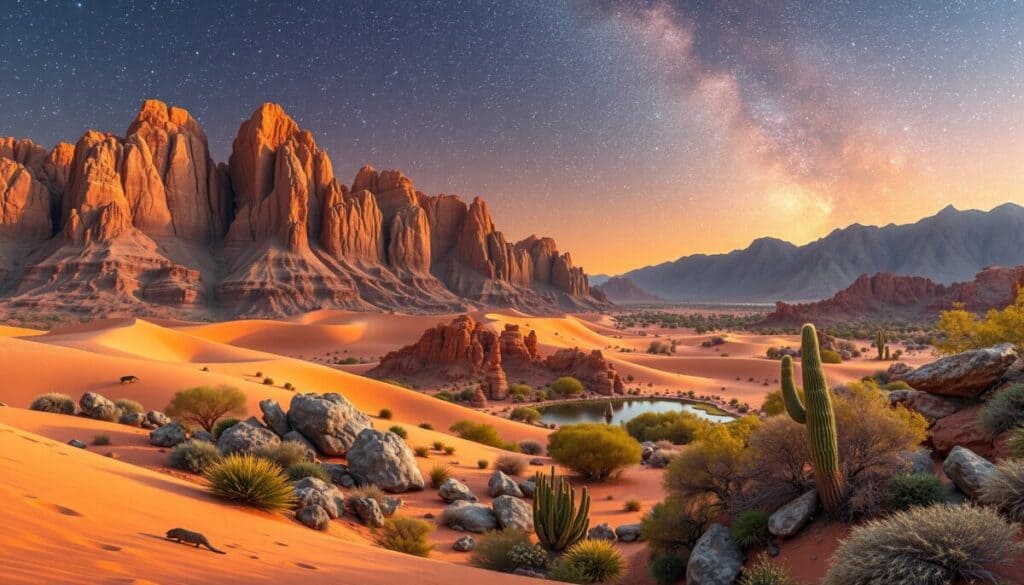
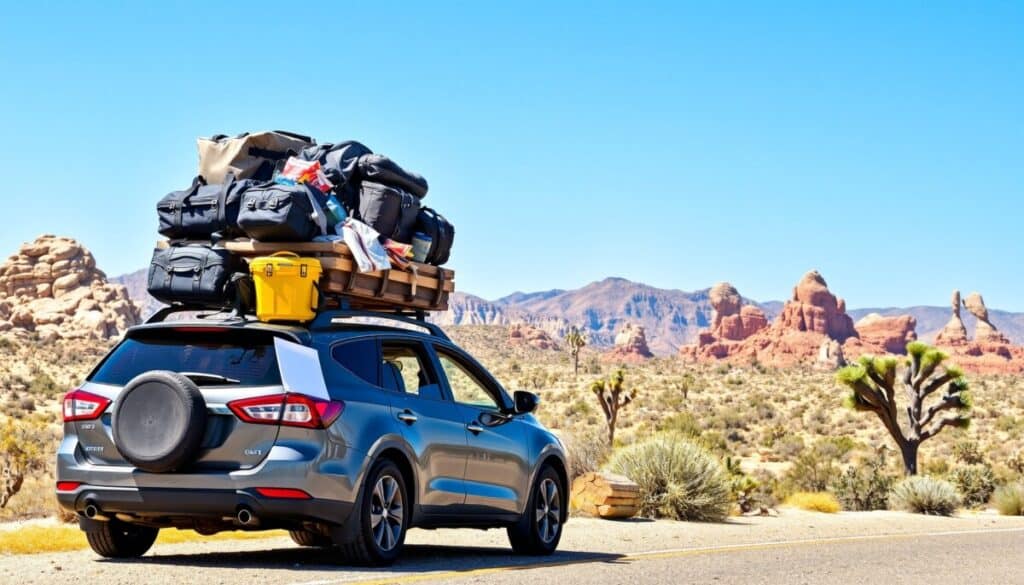
California’s desert parks are some of the state’s most dramatic places to drive, with long sightlines, sculpted rock, and quiet roads that reward a slower pace. If you want a trip that blends scenery, short walks, and practical route planning, this guide focuses on the parks and driving choices that matter most.
Best For travelers who want a California-only desert road trip with clear park highlights, safe timing, and a simple plan for where to stop.
Top Picks Joshua Tree for iconic rock gardens, Death Valley for the most dramatic landscapes, and Anza-Borrego for spring blooms and wide-open desert mileage.
Start Here compare this guide with our broader U.S. scenic route ideas if you want to turn the desert drive into a bigger road trip.
Which California Desert Parks Belong On A Drive?
The strongest California desert parks drive is not about covering everything in one sweep. It is about choosing a few parks that match your time, your comfort with heat, and the kind of scenery you want to see from the car and on short stops. For most travelers, the most useful route pattern is a loop or one-way drive built around Joshua Tree, Death Valley, and Anza-Borrego, with optional add-ons if you have more than a weekend.
| Park / stop | Best for | Why it works on a drive |
|---|---|---|
| Joshua Tree National Park | First-time desert visitors | Easy to pair scenic pullouts, short hikes, and classic Joshua tree views without overcomplicating the route. |
| Death Valley National Park | Big landscapes and photography | It delivers the most extreme scenery, from salt flats to overlooks, and rewards early starts and careful fuel planning. |
| Anza-Borrego Desert State Park | Spring drives and quieter roads | Best for wide desert stretches, seasonal wildflowers, and a less crowded experience than the most famous national parks. |
| High Desert Viewpoints And Spurs | Longer loop trips | Useful as connecting miles when you want a fuller road trip rather than a single-park visit. |
What Makes These Parks Worth The Drive?
California desert parks stand out because they compress a surprising amount of variety into a relatively small region. You can move from monolithic boulders to dry basins, from cactus gardens to wind-carved ridges, and from quiet trailheads to broad overlooks without changing the overall character of the trip. That variety is what makes desert driving different from a standard sightseeing loop.
Joshua Tree is the easiest place to understand the appeal. The park combines sculptural granite formations, iconic Joshua trees, and accessible roads that let you sample the landscape without a long backcountry commitment. Death Valley is the opposite in scale and mood: it feels vast, stark, and elemental, with major landmarks like Badwater Basin and Zabriskie Point offering quick but memorable stops. Anza-Borrego adds a different rhythm, especially in spring when blooms can transform an otherwise dry drive into something unexpectedly colorful.
If you are still deciding whether to focus on California only or expand into the wider Southwest, it helps to compare this trip with a broader Southwest desert drive. That route style can be great for longer itineraries, but the California-only version stays cleaner, easier to plan, and more useful if you want a compact park-to-park road trip.
When Should You Go, And When Should You Book?
Timing matters more here than in many other road trips because heat can reshape the whole day. The most practical window for California desert parks is late fall through early spring, when daytime temperatures are generally more manageable for driving, short hikes, and photography stops. Spring is especially attractive if you want wildflowers in Anza-Borrego or softer desert light for landscape photos.
| Season | What to expect | Trip planning advice |
|---|---|---|
| Late Fall | Milder temperatures and lighter crowds | A strong time for full-day drives and first-time visitors who want comfortable stops. |
| Winter | Cool to pleasant in most desert areas | Good for scenic driving, though higher elevations and mornings can feel colder than expected. |
| Spring | Best wildflower odds and strong photo conditions | Book earlier if you want lodging near popular parks, especially on weekends or bloom-heavy years. |
| Summer | Extreme heat in many areas | If you must travel then, plan sunrise starts, very short stops, and a conservative route with lots of water. |
For a trip that includes Death Valley or remote sections of Anza-Borrego, it is smart to book lodging and car rental earlier than you would for a normal weekend drive. The desert is forgiving when you are prepared, but options thin out quickly during holiday periods, spring break, and bloom season. If you are planning to rent a car for the route, compare pickup and vehicle options early through a practical guide like choosing the right rental car for your journey so the vehicle matches the roads you actually plan to drive.
How To Build A Realistic Route
A good California desert parks route is simple enough to stay enjoyable. Start with one anchor park, add one or two supporting stops, and leave room for heat, fuel, and unplanned photo breaks. That keeps the trip from becoming a race between viewpoints.
One-Day Version
If you only have a single day, Joshua Tree is the easiest choice because the drive-to-scene ratio is strong. Spend your time on a loop through the main park roads, make a few short trail stops, and keep your pace relaxed. This is the version for travelers who want a scenic day without long distances between services.
Weekend Version
For two or three days, pair Joshua Tree with Anza-Borrego or add a Death Valley detour if you are comfortable with longer stretches of road. A weekend lets you balance driving with hiking, photography, and a slower breakfast-before-sunrise rhythm that works well in the desert.
Longer Road Trip Version
If you have four days or more, you can connect the parks into a more satisfying road trip that includes scenic spurs, viewpoints, and small-town stops. That is where the route starts to feel like a true driving journey instead of a series of park entrances. For more inspiration on how to shape the overall trip, a broader route roundup like 10 scenic routes to explore in the USA can help you compare this drive against other road trip styles.
Safety, Water, And Desert Driving Basics
The most important safety rule is to treat the desert like a place with limited margins. Always carry more water than you think you need, especially if you plan to walk even a short trail. Temperatures can rise quickly, and the difference between a pleasant stop and a rough one can be a matter of timing.
- Leave early and avoid midafternoon hiking whenever possible.
- Keep a full fuel tank before entering remote sections.
- Bring paper backup or offline maps in case cellular coverage drops.
- Wear sun protection, even on days that feel mild at sunrise.
- Stay on marked roads and respect closures, washouts, and trail limits.
- Watch for wildlife at dawn and dusk, especially on quiet park roads.
Support your plans with practical car-rental preparation if your trip starts in a city or airport. For drivers who want a clean, low-stress pickup before heading into the desert, the advice in this pickup inspection checklist can help you avoid problems before you leave pavement behind. And if your trip includes a longer highway section, it is worth reviewing basic driving flexibility in tips for driving a rental car out of state so your route feels easier from the start.
What To Expect From Wildlife, Photography, And The Landscape
Wildlife in California desert parks is subtle rather than showy, which is part of the appeal. You may see lizards, jackrabbits, coyotes, roadrunners, desert bighorn sheep, and other animals that are adapted to heat and scarcity. Early morning and late afternoon are the best windows because many species avoid the midday sun.
Photography is strongest when you lean into the low light. Sunrise gives you clean shadows, while sunset adds warm color to rocks, sand, and shrubs. Death Valley often feels most dramatic just after first light or just before dusk, and Joshua Tree can be especially rewarding when the sky is clear and the silhouettes of the trees stand out against a bright horizon. If your trip is photography-first, keep your stops simple and give yourself time to wait for the right light rather than trying to chase too many locations in one day.
The ecological story matters too. These parks protect plants and animals that are built for harsh conditions, from hardy desert shrubs to species like the desert tortoise. Staying on roads and marked trails helps preserve fragile ground cover and protects the landscape for future visitors. That is one reason a California desert parks drive feels satisfying even when the itinerary is modest: the scenery is big, but the experience is better when you keep your footprint small.
Planning Note if you want a California desert drive that feels polished rather than rushed, choose one anchor park, book the car and first night early, and use the second day for slower stops and photos.
For travelers who want to explore the park roads with a vehicle that fits the trip, the most relevant next step is to compare options before peak-season dates fill up. A helpful starting point is affordable car rental near me, especially if you are building the desert drive around a city pickup and a multi-day route.
A Practical Closing Choice
If your goal is the easiest and most satisfying California desert parks drive, Joshua Tree is usually the simplest starter park, Death Valley is the most dramatic, and Anza-Borrego is the best quieter seasonal alternative. You do not need to try to force all three into one rushed itinerary. Choose the one that best fits your season, your time, and your tolerance for heat, then build the rest of the road trip around that decision.
Ready To Map The Route?
Use our broader scenic-drive guidance to shape a longer road trip, then narrow it back to California parks once you know how many days you have.
Frequently Asked Questions
What Is The Most Scenic Drive In California’s Desert Parks?
That depends on what you value most. Joshua Tree is usually the most accessible and iconic, Death Valley is the most dramatic, and Anza-Borrego is the best choice if you want a quieter drive with room to explore at a slower pace.
Can You Drive Through Death Valley?
Yes, you can drive through Death Valley on designated roads, but you should plan carefully, keep enough fuel, and avoid relying on very small windows of time in hot weather. Early starts make the experience much safer and more enjoyable.
What Is The Best Time Of Year To Visit California Desert Parks?
Late fall through early spring is generally the best time, with spring offering the strongest chance of wildflowers and comfortable daytime exploring. Summer can still work, but only with very early starts and limited exposure.
Do You Need To Book Ahead?
For peak weekends, spring break, and bloom season, yes. Lodging, popular campsites, and rental cars can tighten quickly, so booking ahead gives you more flexibility and a safer, less stressful route plan.

Samantha Price is a dedicated author and travel enthusiast who specializes in writing about affordable car rental options online. With a keen eye for detail and a passion for helping readers save money, she provides insightful tips and practical advice on navigating the world of cheap car rentals. Through her engaging content, Samantha empowers travelers to explore new destinations without breaking the bank, making their journeys both enjoyable and budget-friendly.


Ah, the California Desert Parks—those majestic, sun-baked masterpieces of nature where it seems like the very sands themselves have stories to tell! Your post brilliantly highlights the unique characteristics of these ecosystems, but can we pause for a moment and reflect on how they serve as the ultimate getaway? I mean, who doesn’t want to feel like a rugged explorer while sipping iced coffee under a relentless sun, right?
It’s interesting to see how desert parks are framed not just as recreational spaces but as vital ecosystems. The biodiversity they harbor is often overlooked compared to more lush environments. For example, the adaptations of desert flora and fauna highlight the intricate balance of life in these harsh climates.
The significance of desert parks as unique natural spaces cannot be overstated. Having recently explored Joshua Tree National Park, I was struck by how the stark beauty and resilience of the landscape told a story of survival against the odds. It made me think about how these environments not only foster biodiversity but also serve as vital reminders of the delicate balance of nature.
The exploration of desert parks truly opens a doorway to understanding the resilience of nature and the spectacular biodiversity that thrives in these seemingly harsh environments. Your insights into their unique ecosystems resonate deeply, especially when considering how they serve as living laboratories for adaptation and survival.
I completely resonate with your thoughts on desert parks. There’s something about the stark beauty of these landscapes that really does challenge our perceptions of what life can thrive under harsh conditions. I find it fascinating how these ecosystems have evolved intricate mechanisms for survival, from the resilience of the plants like the saguaro cactus to the way animals have adapted their behaviors to cope with extreme temperatures.
Exploring the stunning landscapes of the Southwest desert offers a chance to appreciate the incredible adaptiveness of nature, and this guide brings together the best routes and tips to fully experience that resilience and biodiversity.
‘Southwest Desert Drive: Best Routes, Stops, And Planning Tips’
https://online.rentacar24.org/southwest-desert-drive-exploring-a-timeless-journey/.
I appreciate your exploration of desert parks and their ecological significance. The resilience of life in such harsh conditions is indeed fascinating. I recall my visit to Death Valley National Park, where I marveled at the vibrant wildflower blooms that occur after rare rainfalls—it’s a reminder of nature’s tenacity and adaptability.
Your insights into the significance of desert parks resonate deeply, particularly as they illustrate the intricate balance between biodiversity and extreme environmental conditions. These parks not only serve as critical habitats for unique flora and fauna but also reflect the larger conversation about conservation and ecological resilience.
Your exploration of the importance of desert parks resonates with the growing recognition of these ecosystems as crucial to both biodiversity and cultural heritage. It’s fascinating to consider how these unique environments not only serve as habitats for specialized species but also embody rich histories and narratives that connect us to nature in profound ways. For instance, the resilience of desert flora and fauna under extreme conditions can serve as a powerful metaphor for adaptation and survival. This consideration invites us to reflect not only on conservation efforts but also on how we might overcome our own challenges in an increasingly unpredictable world.
It’s fascinating to see how desert parks are regarded as important natural spaces, particularly given their unique ecosystems that defy the extremes of climate. I’ve often found myself drawn to the contrasting landscapes these parks provide. In fact, they serve as a refuge for not just wildlife, but also for people seeking solace and a profound connection with nature.
Your insights on desert parks resonate with my experiences exploring these unique ecosystems. I remember visiting Joshua Tree National Park and being struck by the interplay of its diverse flora and remarkable rock formations. Each corner of the park felt like a different world, showcasing nature’s resilience in the face of harsh conditions.
I appreciate your insights on the importance of desert parks! I often think about how these unique ecosystems teach us about resilience and adaptation, not just in nature but in our own lives. When I visited Death Valley a couple of years ago, I was struck by the stark beauty and the way the wildlife thrived despite the harsh conditions. It really highlighted the delicate balance of these ecosystems.
It’s great to hear how your visit to Death Valley impacted your perspective on resilience and adaptation. Those stark landscapes really do have a way of making us reflect on the broader themes of survival. There’s a certain humbling quality to watching life persist in such an unforgiving environment.
It’s fascinating to read about the importance of desert parks and their unique ecosystems. These areas truly embody the resilience and adaptability of nature, often flourishing in conditions that seem so inhospitable at first glance. I recall a trip I took to Death Valley last summer; the way the landscape shifts dramatically from dunes to mountains, all while housing specialized flora and fauna, is a humbling experience and offers a profound connection to our planet’s biodiversity.
I really appreciate your insights on the importance of desert parks as unique ecosystems. It’s fascinating how these environments not only support distinctive wildlife but also offer us a glimpse into the resiliency of nature. I personally love visiting places like Joshua Tree National Park, where the surreal landscapes and diverse plant life truly feel like another world.
Ah, the allure of desert parks! It’s fascinating how these seemingly barren landscapes can boast such vibrant life. I mean, who knew that something as desolate as a cactus could be the life of the party? These spiky little guys, with their adaptations to capture every drop of moisture, remind me of my attempts in the winter to keep houseplants alive at all costs. Spoiler alert: they usually win.
This guide provides a commendable overview of California’s desert parks, illustrating the unique charm and features of each destination. However, I’d like to delve deeper into the driving aspect. While the long sightlines and quiet roads encourage a slower pace, they also create a space for reflection on the stark beauty of the landscapes. For instance, as you traverse the otherworldly terrain of Death Valley, there’s something humbling about the vastness that can prompt thoughts on environmental conservation and the fragility of such ecosystems.
This is a fantastic overview of California’s desert parks and the unique experiences they offer. I particularly appreciate how you’ve highlighted the importance of a slower pace to truly absorb the dramatic landscapes. Driving through places like Joshua Tree can be almost meditative, especially as the sunlight casts shadows on the iconic rock formations.
I couldn’t agree more with your highlights of California’s desert parks! The drive through Joshua Tree is like stepping into an otherworldly art installation where the rocks have just had a really good day at the gym. I once hiked a ridiculously short trail there, only to have my breath taken away by the view—it’s amazing how a little bit of effort can lead to such a big reward.
Your guide to California’s desert parks does an excellent job of capturing the allure of these remote landscapes, which often get overshadowed by the more populous coastal attractions. It’s interesting how the unique geography of the desert can influence not just travel experiences but also our connection to nature and ourselves. When considering a desert road trip, the contrast between the vibrant, lively scenery of Joshua Tree, with its iconic rock formations, and the stark, stunning vastness of Death Valley really showcases the diverse beauty within just one state.
I really appreciate the focus on practical route planning for a desert road trip! It’s interesting how each park has its distinct personality—Joshua Tree’s rock formations are perfect for climbing and photography, while Death Valley’s vastness always brings me a sense of awe. I remember visiting Anza-Borrego in spring; the wildflower blooms were a delightful surprise, especially against the arid landscape.
Your exploration of California’s desert parks as scenic driving destinations resonates deeply with the way I perceive our relationship with nature and travel. Long, open roads lined with breathtaking vistas provide not just a backdrop for adventure but also a space for reflection and connection with the environment. I have often found that slow drives through such majestic landscapes bring a kind of clarity that is sometimes lost in our fast-paced daily routines.
I love how you’ve captured the essence of California’s desert parks! There’s something truly special about the serenity of those wide-open spaces and the unique landscapes each park offers. I took a road trip through Joshua Tree a couple of years ago, and the iconic rock formations really blew me away. It felt like stepping into a different world.
As someone who once mistook a Joshua Tree for a particularly interesting cactus in a full-on “Where’s Waldo” search, I can confirm that California’s desert parks have a way of making you stop in your tracks (or maybe just stop and squint). Your advice on blending scenery with short walks is spot on! It’s like a fitness plan where the treadmill is a scenic overlook. And who wouldn’t want to trade a crowded gym for the vast quiet of Death Valley? Just remember to pack more than one water bottle—those dramatic landscapes have a way of draining your hydration faster than your enthusiasm for another boring workday. Can’t wait to hear where others are planning to trot their tired tires next!
The California desert parks truly offer a unique driving experience that can deeply resonate with those seeking both adventure and tranquility. Your emphasis on the serene roads and the breathtaking landscapes perfectly encapsulates what makes these parks worth exploring. I’ve always found that taking the time to enjoy the journey, as you suggest, transforms a simple drive into a meditative experience.
It’s fascinating to think about how California’s desert parks offer such a stark contrast to the urban landscapes we often associate with the state. The expansive drives through places like Joshua Tree and Death Valley bring a sense of peace and introspection that’s hard to find elsewhere. Driving through these parks can feel like a journey into another world, where the rugged beauty reshapes our understanding of nature itself.
I really resonate with your take on California’s desert parks as some of the most beautiful and serene places to explore. There’s something about the vastness of the desert that just puts things into perspective, doesn’t it? I’ve taken a few road trips through these areas, and each time, I’m reminded of how refreshing it is to slow down and soak in the surroundings rather than rushing from one spot to another.