
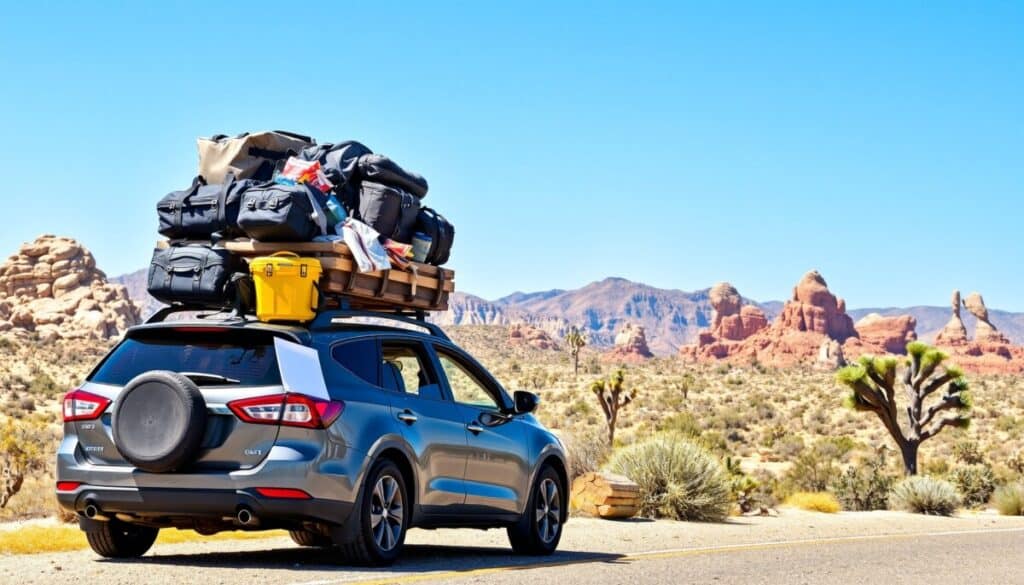
A Joshua Tree road trip works best when you plan for desert conditions, park-drive logistics, and the right time of year before you leave home. The trip feels simple on paper, but heat, limited shade, and long stretches between services change the way you pack and drive.
If you are building a broader driving plan at the same time, start with these road trip planning tips and then narrow the details to Joshua Tree’s desert conditions.
At a glance
Plan Joshua Tree around cooler hours, enough water, and a realistic drive pace.
| Best time to go | Fall, winter, and early spring for milder temperatures |
| Drive through time | A park drive can be short, but stops make it a half-day outing |
| Packing priority | Water, sun protection, snacks, sturdy shoes, and a charged phone |
| Main trip risk | Heat and under-preparing for remote desert driving |
What To Know Before You Drive To Joshua Tree
Joshua Tree National Park is not a casual fill-in-the-weekend drive. The roads are manageable, but the desert is the point: temperatures can swing quickly, cell service can be uneven, and the most enjoyable version of the trip comes from slowing down enough to stop at overlooks, trailheads, and photo pullouts without rushing through them.
If you are also comparing vehicle options, this car rental guide for road trips is a useful companion read before you book, especially if you want a comfortable SUV or a vehicle with enough cargo space for water, cameras, and layers.
For the Joshua Tree query specifically, the most useful approach is to focus on trip logistics first and scenery second. That means choosing the best season, understanding Park Boulevard and the main park drives, packing for dry heat, and leaving enough flexibility for sunrise, sunset, and unplanned trail stops.
Best Timing For A Joshua Tree Road Trip
Timing matters more here than on many other road trips. Joshua Tree can be rewarding in almost any season, but the quality of the drive changes dramatically with the weather. Summer heat makes midday stops less comfortable, while winter and shoulder seasons are usually the easiest time to mix driving, hiking, and photography.
For most travelers, the best month to go is not about a single perfect date but about balancing heat, crowds, and how much hiking you want to do. If your priority is easy driving and outdoor time, aim for a cooler season and plan the most active parts of the day early or late. If you are going for a quick scenic drive only, you have more flexibility, but you still need extra water and sun protection.
Weekend traffic and holiday pressure can also matter more than newcomers expect. If your schedule is flexible, a weekday arrival gives you a calmer start, easier parking at popular trailheads, and more space to enjoy the park’s quieter stretches.
Park Boulevard, Scenic Drives, And The Shape Of The Day
Joshua Tree is often described as a scenic drive destination, but that label can make the day sound more automatic than it is. The main park roads are easy to follow, yet the real value comes from choosing where to stop. Park Boulevard is especially important because it connects some of the most familiar Joshua Tree viewpoints and trail access points, making it one of the most practical routes for a first visit.
A good park-drive day usually combines driving with short walks, photo stops, and one or two longer trail experiences. If you try to cover too much ground, the desert can start to feel repetitive. If you slow down, the same landscape becomes layered: Joshua trees in the foreground, granite formations in the distance, and changing light that transforms the entire drive during sunrise and sunset.
For a trip of this type, it helps to read the park as a sequence rather than a checklist. Drive a section, stop for a view, then continue. That rhythm works better than trying to overpack the day with every named attraction. It also gives you room to adjust if a trail is crowded or the temperature rises faster than expected.
A Simple Joshua Tree Day Plan
- Arrive early enough to avoid starting your day in the hottest part of the morning.
- Use the main park roads as a framework, then choose a few deliberate stops instead of trying to see everything.
- Take your longest walk before the heat builds, especially in warm months.
- Save sunset for a viewpoint or open area where the light and sky can do the work.
- Leave enough time to drive out of the park without feeling rushed after dark.
Desert Packing That Actually Helps
The original packing advice was on the right track, but Joshua Tree deserves a more specific version. You do still need comfortable clothes, snacks, and hiking shoes, yet the desert version of “prepared” means carrying more water than you think you need, building around the sun, and planning for dry air rather than cool shade.
A reusable water bottle is a minimum, not a bonus. Many travelers also do better with a cooler, because water and simple food are much easier to keep appealing when the temperature rises. The rest of your bag should support the way you will actually move through the park: short drives, short hikes, photo stops, and long stretches in strong sunlight.
Must-pack basics
Water, sunscreen, hat, sunglasses, sturdy shoes, and a light layer for cooler evenings.
Helpful extras
Flashlight, first-aid kit, portable charger, blanket, and a small multi-tool.
Food strategy
Use simple, non-perishable snacks and a cooler for anything that will spoil in heat.
For snack ideas that travel well, this road trip snacks guide pairs well with Joshua Tree planning because it focuses on foods that hold up over long drives and changing temperatures. That matters more in a desert setting, where you do not want to depend on finding the perfect food stop at the exact right time.
If you are traveling with kids, the same packing logic applies, but the margin for error gets smaller. Bring more water, extra shade options if you have them, and enough familiar snacks to avoid turning every stop into a negotiation. The goal is not to overpack; it is to make the day smooth enough that the desert feels enjoyable instead of exhausting.
Safety, Water, And Vehicle Prep In Desert Conditions
The vehicle advice in the original draft is worth keeping, but Joshua Tree needs a more focused safety frame. You are not just preparing for a road trip; you are preparing for dry air, high sun exposure, and the possibility that your phone signal, fuel planning, or energy levels may not match the way they do in a city drive.
Before you leave, check oil, coolant, brake fluid, tire pressure, and tread depth. Tires matter especially because heat and long road sections can expose problems quickly. A spare tire in good condition is not optional. Neither is a phone charger, because navigation, weather checks, and contact with family become more important when you are far from services.
- Carry more water than you think you need for every person in the vehicle.
- Check your fuel before entering longer park stretches or remote connectors.
- Keep a first-aid kit in the car, not buried in luggage.
- Download maps ahead of time in case service weakens.
- Tell someone your rough plan if you are heading out early or staying late.
A practical desert mindset also helps. Start slower than you think you need to. Take breaks before everyone is thirsty or overheated. If something feels off with the car, the weather, or your energy level, adjust early instead of pushing through. That approach does more for safety than any one emergency item.
For a more general vehicle-readiness reference, the car rental safety tips guide covers a useful mindset for checking the car, reading the basics of the route, and staying calm when conditions change unexpectedly.
How To Spend One Day, Three Days, Or A Longer Trip
Joshua Tree can work as a day trip, but it becomes much better when you give it enough time to breathe. The right number of days depends on whether you want a scenic drive, a couple of hikes, camping, photography, or a broader desert itinerary that includes nearby stops.
If you want the trip to feel like a true scenic drive rather than a single park visit, give yourself at least a full day and ideally two or three. That creates enough space for Park Boulevard, hiking, photos, food breaks, and the practical reality of desert pacing. More time also means you can avoid forcing every activity into the hottest hour of the day.
Where Road-Trip Planning And Joshua Tree Planning Meet
A strong Joshua Tree trip is still a road trip at heart, which means route choice, playlists, snacks, and comfort still matter. The difference is that the desert rewards preparation more than spontaneity. If you like to make the drive itself part of the experience, keep a few simple comforts in mind: a good seat setup, enough music or audio for the long legs of the trip, and a route that leaves room for breaks without making the day feel rushed.
For lighter trip mood and passenger energy, you can also browse road trip playlists before you leave. That small detail helps on a long desert drive because it keeps the trip feeling lively without adding any extra planning burden.
If your trip is still in the booking stage, compare the car itself against the terrain and timing of your visit. A vehicle with comfortable seating, enough cargo room, and reliable air conditioning can make the difference between a decent outing and a genuinely easy one. That is why a flexible rental choice often fits a Joshua Tree road trip better than a minimal, just-barely-sufficient option.
Book smart
Choose the car and timing that fit desert driving, not just the cheapest headline price.
If you are still arranging transportation, compare options early and look for a vehicle that gives you room for water, luggage, and comfortable park-day stops.
Frequently Asked Questions
Joshua Tree is at its best when the road trip is treated as a desert experience, not just a drive to a famous place. If you plan around timing, water, vehicle readiness, and a few meaningful stops, the trip becomes calmer, safer, and far more memorable.

Megan Hartley is a dedicated writer and travel enthusiast specializing in affordable car rental solutions. With a passion for helping travelers navigate the complexities of securing budget-friendly transportation, she shares insightful tips and engaging content on her platform. Megan’s expertise extends to exploring the latest trends in the car rental industry, ensuring her readers make informed choices for their journeys. Through her work, she inspires others to explore the world without breaking the bank.


I really appreciate the focus on packing essentials for a road trip. It’s so true that what you bring along can truly make or break the experience. I remember a road trip I took to the Pacific Northwest last summer; I learned firsthand the importance of being prepared for variable weather. One moment, we were hiking in t-shirts under a dazzling sun, and the next, we found ourselves scrambling to put on layers when a sudden cool breeze rolled in. Your suggestion about packing a mix of clothing layers is spot on!
It sounds like your trip to the Pacific Northwest was quite an adventure. I can relate to those sudden weather shifts; they can catch you off guard, especially when you’re immersed in the beauty of nature. I remember a similar experience when I visited the Rocky Mountains last fall. We were hiking with bright blue skies overhead, and out of nowhere, dark clouds rolled in, and it started to snow lightly. It really drove home the importance of being prepared.
I really appreciate your perspective on the importance of packing for a road trip! It’s true that what we choose to bring along can really shape our journey. I recall a trip I took to the Grand Canyon a few years ago, and your advice about layers was spot-on. The temperature swung dramatically between the chilly mornings and warm afternoons, and I ended up regretting the shorts I packed for the morning sunrise hike!
Packing for a road trip can sometimes feel like prepping for an expedition to Mars—how many pairs of shoes are too many? I mean, is it really a two-hour drive if you aren’t contemplating the existential implications of bringing three types of footwear? But you nailed it with the whole layering thing. One minute you’re basking in the sun, and the next you’re battling a surprise chill that has you questioning life choices. I’ve made the mistake of relying solely on my summer wardrobe before; let’s just say a parka is now a permanent resident in my car.
Your insights on packing for a road trip resonate deeply with me, especially the emphasis on layering clothing. I learned the importance of this the hard way on a camping trip to the Pacific Northwest. One moment I was enjoying the sun, and the next, I was caught in a chilly downpour. Having a lightweight rain jacket and some thermal layers saved the day!
You’ve hit the nail on the head with those packing essentials! I can’t stress enough the importance of sturdy footwear, especially when you unexpectedly find yourself on a two-hour hike because “the trail looked shorter on the map.” (Spoiler alert: it wasn’t.) Layers are also a game-changer! I once went from basking in the sun to dodging hail within a single afternoon in the Rockies. Packing a range of clothing really keeps you ready for any mood swings Mother Nature might throw your way.
I completely agree on the importance of sturdy footwear—nothing quite like realizing you’re in for a trek when you were just planning for a leisurely stroll. I had a similar experience on a hiking trip to the Appalachian Trail; I ended up underestimating the terrain and regretted not having my hiking boots on. It really changes how you approach the hike when you have the right gear.
You bring up such great points about footwear and layers. It’s wild how one minute you’re soaking up the sun and the next you’re dodging hail—total mood swings from Mother Nature for sure.
I really resonate with your emphasis on packing the right clothing layers for a road trip, especially considering how unpredictable weather can be in places like Joshua Tree. I’ve learned the hard way that being unprepared can turn a fun adventure into a frustrating one.
I resonate deeply with your insights on the importance of packing for a road trip, particularly how it can shape the overall experience. Preparing for the journey is so much more than just tossing items into a bag; it sets the tone for the entire adventure.
Your thoughts on road trip packing resonate with my own experiences! I’ve always found that the little things can make a big difference in how enjoyable a trip is. You mention clothing layers for places like Joshua Tree National Park, which reminds me of a recent adventure there. One morning, I started in a cozy sweatshirt but ended up shedding layers by midday as the sun warmed everything up. It’s amazing how quickly conditions can change in such beautiful, expansive landscapes.
It’s cool to hear that my thoughts resonated with your experiences! It sounds like you had a classic Joshua Tree day—those temperature swings can be pretty wild. Starting cozy in the morning and then having to adapt by midday really highlights how important it is to be ready for anything when you’re out in nature.
You’ve raised some excellent points regarding packing essentials for a road trip. It’s intriguing how what we choose to bring can shape our adventures and comfort on the road. I particularly resonate with the idea of packing layers; I remember a trip to the Grand Canyon where an unexpected temperature drop at night caught us completely off guard. It emphasizes the unpredictability of outdoor environments and the need to be prepared for anything.
Your insights on packing for a road trip really resonate with me. I remember a trip to the Smoky Mountains where the drastic temperature changes caught us off guard. Having a versatile wardrobe made a significant difference in our comfort.
Your emphasis on the importance of packing for a road trip resonates deeply with my experiences. I often find that a well-prepared packing list can transform a trip from chaotic to enjoyable. For instance, I’ve learned the hard way that a comprehensive first-aid kit is not just a safety measure but also a comfort; knowing you have solutions for minor mishaps allows for greater peace of mind while exploring.
I totally agree with the emphasis on packing for a road trip! I’ve learned the hard way how crucial it is to prepare for unexpected weather changes. One time, I went to the mountains without a warm jacket, and I ended up layering all my shirts just to stay warm – not fun! Also, those snacks are lifesavers. I always pack trail mix; it seems to keep everyone happy in the car.
I really appreciate your emphasis on packing smartly for road trips, especially the importance of layering clothing. I remember a similar experience during a trip to the Grand Canyon, where early mornings were chilly, but by midday, we were sweltering in the sun. I’ve learned the hard way that having the right mix of layers can make or break your comfort levels.
Packing for a road trip is like preparing for a mini-expedition, isn’t it? I mean, one minute you’re a casual traveler, and the next you’re channeling Bear Grylls, wondering if a granola bar will sustain you on a three-hour drive. And let’s be honest—snacks are the unsung heroes of any road journey; without them, your driving buddy might turn into a hangry monster, and nobody wants that!
You’ve touched on some crucial packing tips that can really enhance the road trip experience. I find that the selection of snacks is particularly important—not just for energy, but also for creating a more enjoyable atmosphere in the car. I often bring a mix of sweet and savory options, like dark chocolate or spiced popcorn, which can boost morale during long stretches of driving.
This blog captivates the essence of what makes a Joshua Tree road trip unique, and your insights are incredibly timely for anyone considering it. Planning for the desert conditions truly cannot be overstated. I remember my first outing to a national park where I underestimated the effects of the sun and heat; it was a bit of a wake-up call! The dry air and expansive landscapes are mesmerizing, but they definitely require a tailored approach to ensure a safe and enjoyable exploration.
This is such an insightful overview of planning for a Joshua Tree road trip. I couldn’t agree more with the emphasis on preparing for the unique desert conditions. I’ve made the mistake of under-preparing on a trip to the desert before, and it really can shift the whole experience.
Your insights on planning a Joshua Tree road trip hit home for me. I remember my last visit; we underestimated the heat, and it really changed the experience. We had packed for a casual day in the park, thinking we’d take it easy, but the sun was relentless. It’s fascinating how something as simple as timing—like driving during cooler hours—can completely transform a trip.
I love your insights on planning for a Joshua Tree road trip! It’s so true that it’s not just a drive; it’s about embracing the desert’s unique challenges. When I went last spring, I was blown away by how quickly the temperature shifted, especially with the sun going down. We started hiking around dawn to make the most of those cooler hours, which made a huge difference.
Your insights about planning for a Joshua Tree road trip definitely resonate with me, especially the emphasis on understanding desert conditions and the challenges that come with them. I’ve always been captivated by the beauty and unique landscape of Joshua Tree National Park, but your post has really reinforced the importance of preparation, especially regarding timing and packing essentials.
Your insights on planning for a Joshua Tree road trip resonate deeply, especially as someone who has ventured into the desert myself. I can’t stress enough the importance of timing your trip—there’s nothing quite like witnessing the sunrise over those unique rock formations in cooler months. I remember one trip in late fall where the early morning chill gave way to a warm glow that made each hike feel magical.
I completely resonate with your insights on planning for a Joshua Tree road trip; it’s truly a unique experience that doesn’t just pop up on a whim. One of the first things I learned on my own adventure there is that, although the landscape appears open and inviting, the desert has its own set of rules that can turn a joyful excursion into a challenge if not taken seriously. Your point about needing to plan for heat and limited services hits home. I remember hiking in the mid-afternoon only to realize I had underestimated the sun’s intensity. The dry air can really dehydrate you faster than you think!
It’s refreshing to see such a concise overview of the essential tips for a Joshua Tree road trip! I couldn’t agree more about the importance of planning around the desert’s unique challenges. My experience visiting the park during early spring was a revelation—perfect weather, with those clear blue skies and wildflowers starting to bloom—a true feast for the eyes. It really highlights how crucial it is to choose the right time of year.