
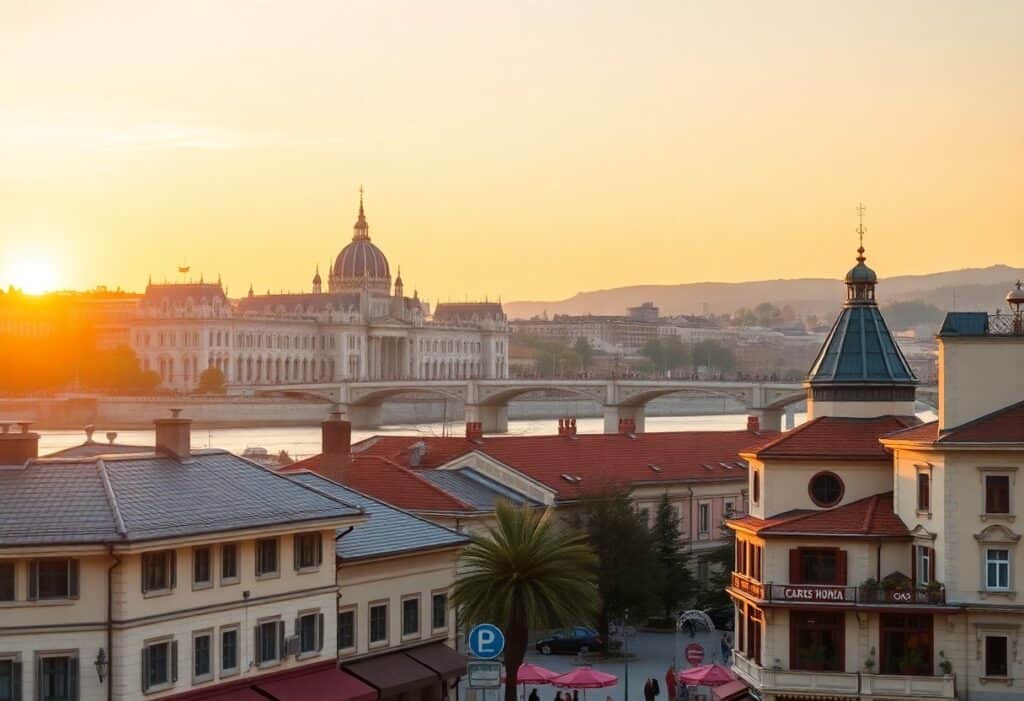
Budapest works best as an attraction-led city break: spend your days crossing between Buda and Pest for castles, baths, basilicas, and Danube views, then choose a neighborhood that matches your pace. For most first-time visitors, the sweet spot is 3 to 5 days, with District V, VI, or VII giving you the easiest access to the main sights.
- First-Time Visitors stay in District V for the easiest sightseeing base.
- Nightlife And Value choose District VII for bars, ruins pubs, and lower rates.
- Culture And Shopping District VI keeps you close to Andrássy Avenue and the Opera.
- Best Trip Length 3 days for the highlights, 5 days if you want baths, markets, and slower evenings.
If you are deciding how to structure the trip, start with the dominant city-break planning guide for a broader stay-duration framework, then use Budapest’s neighborhoods to fine-tune where you book.
What To Prioritize First
| Decision | Best choice | Why it works |
|---|---|---|
| Top Sights | Buda Castle, Parliament, Chain Bridge, Fisherman’s Bastion | They cover the classic Budapest experience in one compact route. |
| Best Base | District V | Central, walkable, and ideal if sightseeing matters most. |
| Best Value | District VII | Good prices, lively evenings, and strong public transport links. |
| Best Timing | March–May or September–November | Milder weather, fewer crowds, and easier walking between attractions. |
The Budapest Attractions That Define A First Trip
Budapest earns its reputation through a rare mix of river views, grand civic buildings, and easy access to thermal baths. You can cover a surprising amount on foot if you group sights by side of the river and save the longer jumps for public transport.
Historical Landmarks
Buda Castle, the Chain Bridge, and the Parliament Building are the core trio. They give you the city’s most recognizable views and the strongest photo stops.
Cultural Stops
St. Stephen’s Basilica, Heroes’ Square, the Opera House, and the museums around Castle Hill add a deeper look at Hungarian history and design.
Relaxation And Nightlife
Thermal baths, ruin bars, and the Jewish Quarter’s late-night energy turn Budapest into a city that feels full from morning to midnight.
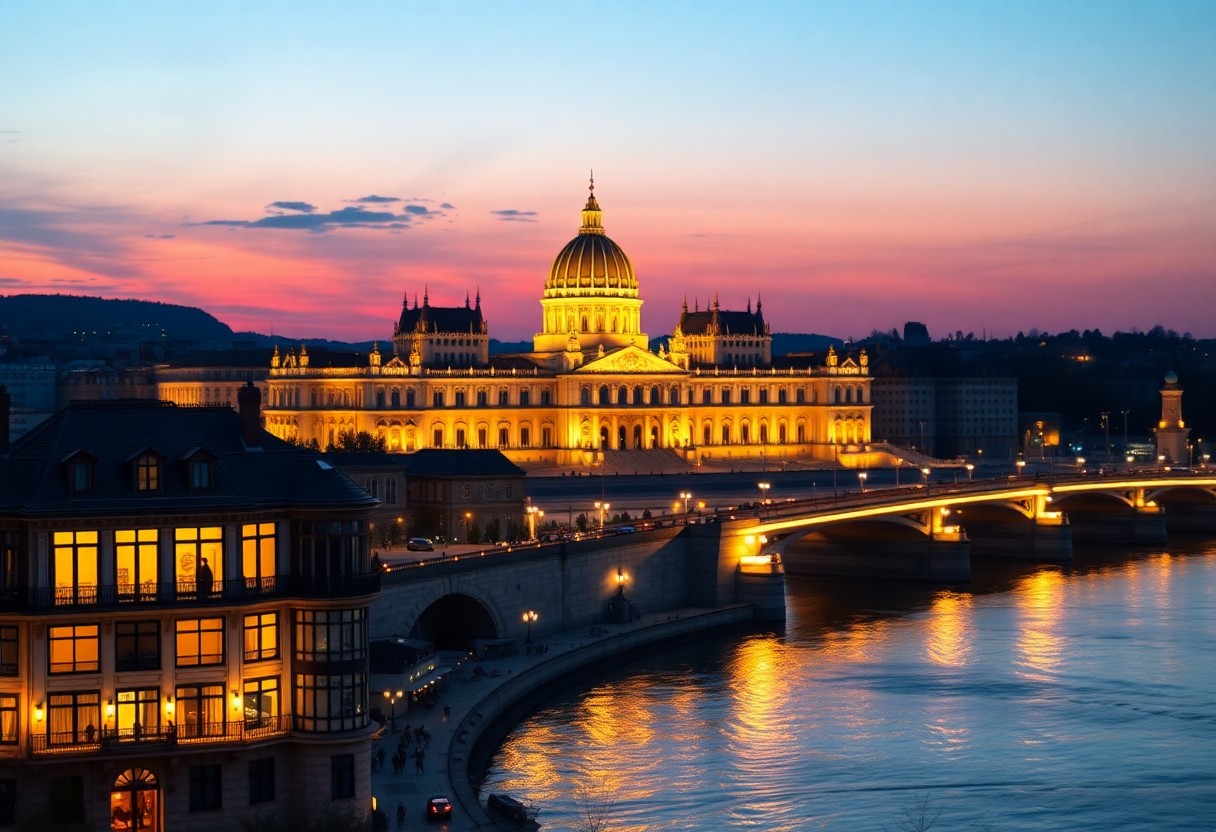
The most efficient way to see the city is to divide your time between Buda and Pest. Start early for the busier landmarks, then use the afternoon for museums, markets, or a slower walk along the river.
Where To Stay Without Overthinking It
Budapest’s districts each suit a different style of trip, and the right base can save you a lot of time. District V is the cleanest all-round choice, District VI balances culture and convenience, and District VII is best if you want a busier, more affordable stay.
Timing, Transport, And Budget
For most travelers, the shoulder seasons are the safest choice. March to May and September to November usually mean better walking weather, more manageable crowds, and softer hotel prices than the summer peak.
Best Time To Go
| March — May | Mild weather, good for long walks, good value on stays |
| June — August | Warmest period, but busier and more expensive |
| September — November | Excellent sightseeing weather and lower crowd pressure |
| December — February | Cold, but festive markets and warm thermal baths make it worthwhile |
Budapest’s public transport is reliable and easy to use, with metro, tram, and bus connections that cover the main visitor corridors. A 72-hour travel card is often the simplest option for a short break, especially if you plan to move between Buda Castle, the Jewish Quarter, and City Park without relying on taxis.
Budget Planning
A practical daily budget is roughly 15,000–45,000 HUF, depending on hotel level, meals, and transport. Budapest still offers strong value compared with many western European capitals.
Advance Booking
Book thermal baths ahead of peak dates, and reserve central hotels early if you want District V or a popular boutique stay in District VI.
Getting Around
Walk the central districts when possible, then use the metro or tram for longer hops. It is the easiest way to preserve time and energy on a short stay.
If you want more inspiration for building a balanced short trip after you choose your base, the Chicago attractions guide and the Amalfi Coast itinerary and stay guide are useful comparison points for how different city breaks balance sightseeing with accommodation choice.
Plan Your Budapest Stay With The Right Base
If sightseeing is the priority, stay in District V. If you want a more energetic and affordable trip, look at District VII. For an elegant middle ground, District VI is often the best compromise.
Local Habits And Practical Details
A few simple habits make Budapest easier to enjoy. Tip around 10–15% in restaurants, keep small forint notes handy for smaller purchases, and be thoughtful about valuables in crowded tourist areas. The city is generally easy to navigate, and a little planning goes a long way.
If you are visiting in winter, the colder weather makes the thermal baths especially appealing. In warmer months, plan early starts for the biggest landmarks and keep the late afternoon for less crowded indoor stops or a riverside break.

Frequently Asked Questions
Is Budapest A Good Place To Go For A City Break?
Yes. Budapest is one of Europe’s strongest city-break choices because it combines major landmarks, thermal baths, walkable districts, and good value for money.
How Many Days In Budapest Is Enough?
Three days is enough for the headline attractions, but five days gives you time for baths, markets, and slower exploration without rushing.
What Is The Best Month To Visit Budapest?
May, September, and October are excellent months for comfortable sightseeing, lighter crowds, and generally better hotel value than the summer peak.
Is Budapest Very Expensive?
Budapest is usually more affordable than many major European capitals, especially if you use public transport, choose mid-range dining, and stay outside the most premium riverfront hotels.
Can You Drink Tap Water In Budapest?
Yes, tap water in Budapest is generally safe to drink, which makes it easy to stay hydrated while sightseeing and cuts down on bottled water costs.

Jessica Malone is a passionate writer and travel enthusiast, specializing in affordable car rental solutions. With a keen eye for detail, she explores various aspects of cheap car rentals, offering readers practical tips and insights to maximize their travel experiences. Through her engaging articles, Jessica aims to empower travelers to make informed decisions and navigate the world of online car rental services with ease.




I completely resonate with your description of Budapest! The city’s blend of history and modern life is truly fascinating. When I visited, I was particularly taken by the thermal baths—they offer such a unique and relaxing experience. I spent a whole afternoon at Széchenyi, soaking in the warm waters while enjoying the stunning neo-Baroque architecture.
Your experience at Széchenyi really highlights one of the more delightful aspects of Budapest, doesn’t it? Those thermal baths are such an integral part of the city’s culture and history. Soaking in those warm waters while being surrounded by those stunning buildings almost feels like traveling back in time. It’s amazing how the baths not only provide relaxation but also a chance to witness a slice of local life.
I completely agree with you about Budapest’s unique charm. The combination of history and vibrant city life really sets it apart. Those thermal baths are such a treasure, aren’t they? I remember my time at Gellért Baths; it was a wonderful mix of history and relaxation. There’s something quite special about soaking in those healing waters while surrounded by beautiful architecture. It’s like stepping back in time.
Speaking of unique experiences, I recently came across this great article about Italy road trips that captures the same mix of culture and stunning landscapes you enjoyed in Budapest.
‘Culture, Cuisine, and Coastlines: Amazing Italy Road Trips You Can’t Miss’
https://rentacar24.org/amazing-italy-road-trips-you-can-t-miss/.
I can relate to what you’re saying about the Gellért Baths. The ambiance there is really something else. It’s amazing how a place can blend relaxation with such rich history. I remember just lounging in the thermal waters, gazing up at the stunning mosaics and feeling a sense of connection to everyone who has visited before. It’s like a little escape from the buzz of city life—definitely a must-do when in Budapest.
I’m glad to hear you had such a memorable time in Budapest! The thermal baths really do offer a unique blend of relaxation and history. Széchenyi is a favorite for many; it’s fascinating to soak in the same waters that have been enjoyed for centuries while surrounded by such beautiful architecture.
Your description of Budapest evokes a sense of wanderlust that’s hard to resist! I visited a few years ago, and I was truly taken by how the city’s atmosphere seamlessly blends history and modern life. Walking along the Danube, especially at sunset, feels like a scene out of a fairy tale. The contrast between the stunning Gothic architecture of the Parliament building and the vibrant murals of the ruin bars reflects a city that embraces both its past and present.
I’m glad the piece struck a chord with you. Budapest really has this unique way of making you feel like you’re stepping into different eras all at once, doesn’t it? I remember walking along the Danube as well, and the sunset truly transforms the scene. The way the light bounces off the water, casting warm hues against those grand buildings, is something that sticks with you long after the trip.
Your exploration of Budapest captures the essence of this remarkable city beautifully. I have had the pleasure of visiting Budapest several times, and each experience has reinforced the unique charm that sets it apart. The blend of history and modernity you mentioned is truly fascinating; it creates a backdrop that is both rich in culture and comfortable for travelers.
Ah, Budapest! A city that effortlessly gives me a serious case of wanderlust—right up there with the unshakable desire for a second helping of goulash! Your description captures the essence of this place perfectly. It’s like walking through a history book that also serves you wine (because let’s be real, who doesn’t love a good Hungarian Tokaji after a long day of sightseeing?).
Budapest really does have that way of pulling you in, doesn’t it? The blend of history, culture, and, of course, those steaming bowls of goulash makes for an unforgettable experience. And you’re right about the wine—Tokaji has this unique ability to turn any evening into something special. Have you tried pairing it with a nice slice of Hungarian cheesecake? It’s such a delightful combination.
It really does have a magnetic charm, doesn’t it? I love how each corner of Budapest has its own story to tell, from the historic architecture to the vibrant street art. The goulash is just the beginning—each dish seems to resonate with the country’s rich heritage.
Budapest has that unique blend of history and charm that really draws you in, doesn’t it? It’s fascinating how the city’s architecture tells stories from different eras, all while inviting you to indulge in its culinary delights. Goulash is just the beginning—don’t forget about the chimney cakes and pastries that pop up in cozy little cafés throughout both Buda and Pest.
I totally get that feeling of wanderlust mixed with a craving for goulash—there’s something about Budapest that just sticks with you. Walking those streets really does feel like flipping through a living history book, doesn’t it? Each corner you turn unveils a new story, whether it’s from the grand architecture along the Danube or the little shops that have been around for generations.
Budapest really does have that magical blend of history and culture, doesn’t it? It’s like every street tells a story and each corner has a hidden gem waiting to be discovered. I love the way the thermal baths offer a break from all that exploration—soaking in those mineral-rich waters feels like stepping back in time. After all, there’s nothing quite like indulging in a good soak while reflecting on a day filled with stunning architecture and culinary delights.
Budapest really does have that magical mix of history and charm, doesn’t it? Strolling along the Danube, surrounded by stunning architecture, feels like a living postcard. And the goulash… such a comforting dish, especially when paired with a glass of Tokaji.
I couldn’t agree more with your depiction of Budapest’s enchanting allure. During my visit last year, I was truly captivated by the city’s unique juxtaposition of history and modernity. Strolling along the Danube River, with the stunning views of the Parliament building illuminated at dusk, felt like stepping into a painting.
Your observations about Budapest truly capture its essence. I recently spent a week in the city, and I echo your sentiments about the mesmerizing blend of architectural beauty and cultural vibrancy. The way the Danube interlaces Buda and Pest creates not just a geographical divide but a cultural one, each side distinctly unique yet harmonizing perfectly when viewed from one of the many bridges.