
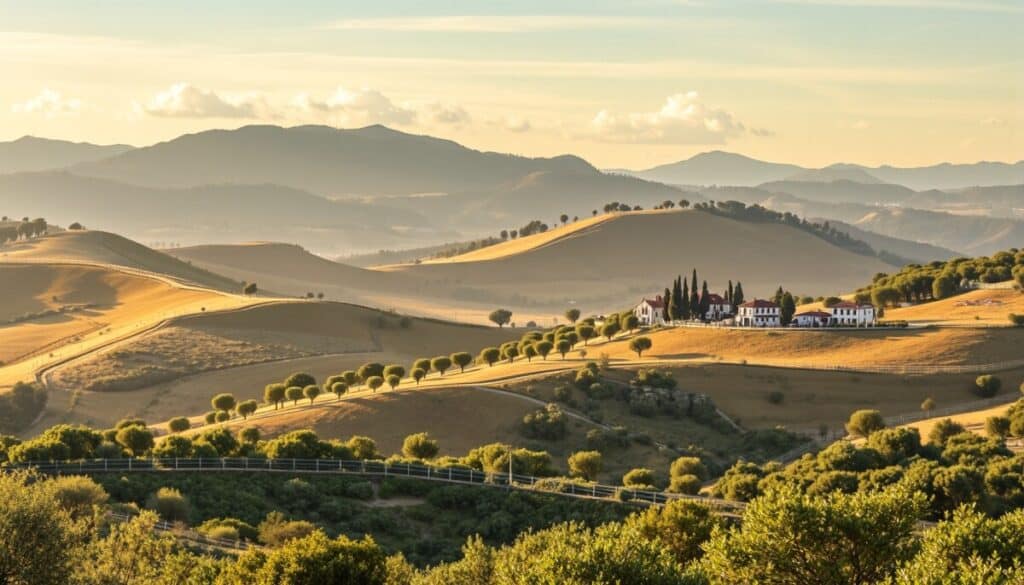
The Alentejo Olive Route Is A Self-Drive Journey Through Southern Portugal’s Olive Country, Where Historic Mills, Family Producers, And Open Countryside Shape The Experience. It works best as a slow travel route with tasting stops, village time, and a flexible car-based itinerary.
If you are planning a wider Portugal trip, it helps to pair this route with a broader driving plan such as the 7-day Portugal itinerary, especially if you want to connect Alentejo with Évora, Serpa, Moura, or the coast.
What The Route Is Really About
The Alentejo Olive Route is not a single marked road so much as a cluster of olive groves, producers, mills, food experiences, and heritage stops spread across one of Portugal’s most recognizable rural landscapes. In practice, that means short scenic drives between farms, tastings, and towns that still feel tied to the rhythm of the harvest.
The strongest version of this trip is experiential: taste olive oils, compare varieties, visit an old press, and then sit down for local dishes that show why olive oil matters so much in Alentejo cooking. That focus makes the route more rewarding than treating it as a drive-through sightseeing loop.
Because the route is spread out, independent transport matters. A car gives you time to stop at small producers, detour to villages, and travel at the unhurried pace this part of Portugal deserves. If you are arranging wheels for the trip, the practical starting point is rent a car in Portugal.
Quick Planning Guide
| Best time to visit | Late autumn through early winter for harvest energy; spring for mild weather and open-country driving. |
|---|---|
| Ideal trip length | 1 to 3 days if paired with Évora or nearby Alentejo towns. |
| Best for | Food-focused travelers, cultural road-trippers, and self-drive visitors who want slower stops. |
| Booking priority | Reserve tastings and guided farm visits in advance, especially during harvest season and weekends. |
Where To Go And What To See
The route makes the most sense when built around towns and places that already carry a strong olive identity. Évora is the easiest anchor for many travelers because it combines heritage, food, and access to the wider region. From there, smaller places such as Moura, Serpa, and Castro Verde add depth through mills, harvest traditions, and food festivals.
A good route day often includes one producer visit, one tasting, one town stop, and one meal built around local ingredients. That balance keeps the trip from becoming repetitive and lets the landscape, the production process, and the cuisine each play a role.
Best Way To Pace The Route keep one main base and make short excursions rather than moving hotels every night.
That approach works especially well if you want to add a broader Portugal drive afterward. A single base in Alentejo also makes it easier to combine olive visits with nearby heritage stops, which is where the route’s real value shows up.
Olive Cultivation, Varieties, And The Harvest Season
Alentejo’s olive tradition is built on long cultivation history, hot summers, open land, and careful harvesting. The region is known for varieties such as Cobrancosa, Galega, and Cordovil, each contributing a different profile to table olives and oil blends. That variety is one reason tastings in the area feel so educational: you are not just sampling oil, you are comparing orchard character and production choices.
Farmers often rely on pruning, soil-aware irrigation, and prompt processing after harvest. These methods matter because olive quality changes quickly once the fruit is picked. Many producers use cold-pressing to preserve freshness, flavor, and aroma, especially when the goal is extra virgin oil with a clean finish.
What To Taste, Pair, And Compare
Olive tourism in Alentejo is strongest when you treat the tasting room as part of the region’s food culture rather than a standalone stop. Extra virgin oils here are often judged by freshness, aroma, and balance, but the real experience comes from learning how different cultivars change the final flavor.
Cobrancosa usually brings a richer and more robust impression. Galega can lean fruitier and works well across both table olives and oil. Cordovil tends to feel softer, with a mild, buttery quality that suits lighter dishes. Those distinctions become much clearer once you taste them side by side.
Common Olive Varieties
| Cobrancosa | Rich, robust, often used in blends |
|---|---|
| Galega | Fruity and versatile for oil or table use |
| Cordovil | Mild, buttery, and softer on the palate |
Good Alentejo Pairings
- Alentejano bread with a generous drizzle of oil
- Queijo de Azeitão with fruity olive oil
- Grilled lamb or pork finished with local oil
- Roasted vegetables and simple salads
- Unexpected desserts, such as olive oil over vanilla ice cream
Why The Route Works As A Road Trip
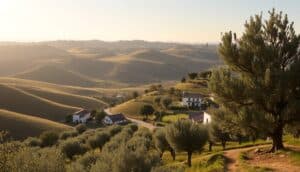
The Alentejo Olive Route is best understood as a food-and-landscape drive. The region’s appeal comes from distance between places: enough space to feel rural and calm, but short enough hops that you can build an easy one- or two-day itinerary without rushing.
That pace also makes the route appealing for visitors who like independent travel. You can stop for photography, linger at a mill, or detour into a village for lunch without worrying about fixed tour schedules. If you want to extend the trip beyond the olive stops, use the route as part of a larger Portugal circuit rather than as a stand-alone day trip.
Recommended Activities
- Tour an olive grove with a local producer
- Book an olive oil tasting with food pairings
- Visit an old mill or olive museum
- Join a cooking class focused on regional dishes
- Plan lunch around local olive-rich recipes
When To Book Ahead
Advance booking matters most for guided tastings, farm visits, and harvest-season weekends. During those windows, small producers often have limited time slots and fewer English-language sessions.
If you are pairing the route with a Portugal road trip, secure the car first, then lock in producer visits once your dates are fixed. That order gives you flexibility without losing the tasting experiences you want most.
Plan The Drive With One Clear Starting Point
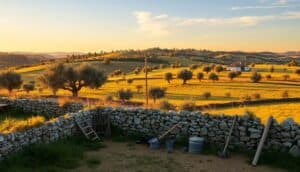
The simplest way to enjoy the route is to base yourself in or near Évora and drive outward from there. That keeps the trip efficient while still giving you enough freedom to visit producers, festivals, and heritage stops without constantly changing accommodation.
If your wider trip includes Lisbon, the coast, or another Portugal region, you can fold the olive route into a longer self-drive plan and keep the itinerary flexible. For a broader trip structure, the 7-day Portugal itinerary is a useful companion page for deciding how much time to give Alentejo.
Best fit: travelers who want a scenic cultural route, not a rushed sightseeing checklist.
Frequently Asked Questions
Is Alentejo Worth Visiting For A Road Trip?
Yes. Alentejo is one of Portugal’s best regions for slow driving, food experiences, and open scenery, especially if you enjoy quiet roads and local culture.
What Is The Main Town In Alentejo For Visitors?
Évora is often the easiest base because it combines history, restaurants, and access to surrounding olive country.
When Is The Best Time To See Olive Harvest Activity?
Late autumn into early winter is the best window for harvest energy, though spring is easier for relaxed driving and comfortable outdoor visits.
How Far In Advance Should I Book Tastings Or Farm Visits?
Book as soon as your travel dates are fixed, especially for weekends, harvest season, or any producer visit that includes a guided tasting or meal.

Matthew Thompson is an accomplished author specializing in topics related to budget travel and cheap car rental options. With a keen eye for detail and a passion for helping travelers save money, he shares valuable insights on navigating the complexities of online car rental services. Matthew’s work not only provides practical tips but also empowers readers to make informed decisions, ensuring they enjoy memorable journeys without breaking the bank.




Your exploration of the Alentejo Olive Route beautifully highlights the rich cultural tapestry woven into the landscapes of Portugal. It’s fascinating how travel can be deeply rooted in agricultural traditions, and engaging with local producers not only fosters appreciation for their craft but also strengthens the bond between the land and its stewards.
Ah, the Portugal Alentejo Olive Route! Now that’s a journey I can truly get behind—literally, as long as I’ve got a comfy car rented from you folks at RentaCar24.org! There’s something wonderfully romantic about a road that winds through the landscapes of history, isn’t there? Just imagine rolling down the windows to let in the earthy aroma of olive groves while your favorite tune plays in the background. I mean, who needs an overpriced spa retreat when you can bask in the serenity of nature and good old-fashioned olive oil?
I love the idea of the Alentejo Olive Route as a way to immerse oneself in the rich cultural heritage of olive oil production. I recently visited a small olive farm in Tuscany, and it was fascinating to see how much passion the producers have for their craft. Olive oil isn’t just about what’s in the bottle; it’s the whole process—the trees, the land, and the stories behind each producer.
The Portugal Alentejo Olive Route indeed offers a profound lens into both agricultural practices and cultural identity. I’ve often found that regions with a rich agricultural background, like Alentejo, not only provide a feast for the senses but also a deeper understanding of local traditions that have been passed down through generations. The connection between olive cultivation and Mediterranean cuisine is particularly fascinating—olive oil is not just an ingredient but a symbol of life and health in these cultures.
Your exploration of the Portugal Alentejo Olive Route brings to light not just the beauty of the region but also the intricate relationship between culture and agriculture. Olive oil production, particularly in Mediterranean contexts, is not merely an economic activity; it is a way of life steeped in centuries of tradition, community, and identity. As we embrace globalized food systems and mass production, it becomes crucial to recognize the nuances of artisanal practices that define regions like Alentejo.
The Portugal Alentejo Olive Route truly represents a rich tapestry of history and culture, not just in the cultivation of olives but also in the deep-rooted customs surrounding those who tend to these ancient groves. I find it fascinating how olive oil is not merely a cooking ingredient in Mediterranean cuisine; it embodies an age-old tradition that reflects the values of community, sustainability, and artistry.
Your exploration of the Portugal Alentejo Olive Route certainly highlights the rich tapestry of culture and tradition embedded within this stunning region. I find it intriguing how the route not only serves as a pathway for tasting and experiencing olive oil but also acts as a conduit for understanding a way of life that has been cultivated over generations.
Ah, the Alentejo Olive Route – such a delightful concept! It’s like a road trip through a Mediterranean Instagram feed, minus the filters and with a lot more olive oil. I can almost taste that rich flavor drizzled on a slice of fresh bread already. And let’s not forget the educational aspect; who knew olives had such a robust social life?
The Portugal Alentejo Olive Route truly sounds like a remarkable experience, blending natural beauty with rich cultural heritage. I’ve always found that such routes provide not just a taste of local flavors, like the exquisite olive oils, but also a deeper understanding of the traditions that shape a region’s identity. It’s fascinating how olive cultivation has evolved over centuries, and engaging with local producers can be an enriching way for travelers to appreciate the craftsmanship behind their food.
I find the concept of the Portugal Alentejo Olive Route truly captivating. It’s not just about tasting delicious olive oil or enjoying scenic views; it’s an immersive experience that connects us to the land and the history behind one of the Mediterranean’s most cherished ingredients. As someone who has always appreciated the subtle complexities of olive oil, I can’t help but think about how the journey not only nourishes our bodies but also enriches our souls, reflecting the heart of a region steeped in tradition.
The Portugal Alentejo Olive Route sounds like a truly enriching experience. I appreciate how it not only emphasizes the beauty of the landscapes but also serves as a bridge connecting travelers to the deep-rooted traditions of olive cultivation. There’s something special about engaging with local producers and learning about their artisanal methods—it’s a reminder of how food and culture intertwine, revealing much about a region’s identity.
The Portugal Alentejo Olive Route sounds like an incredible journey that goes far beyond just tasting good food; it offers a deep dive into the heart of a culture that has thrived over centuries. The way you describe the connection between travelers and local traditions of olive cultivation resonates with me on several levels. When I think about the importance of such experiences in today’s fast-paced world, it seems crucial to not only visit a place but to engage with its history and the people who keep its heritage alive.
The exploration of the Portugal Alentejo Olive Route truly resonates with me, as it encapsulates the very essence of cultural and historical richness that can often be lost in today’s fast-moving world. The way you’ve illustrated the connection between olive cultivation and the Mediterranean lifestyle is fascinating, especially since olive oil not only serves as a culinary staple but also embodies a deep-seated tradition that has been passed down through generations.
Your exploration of the Portugal Alentejo Olive Route beautifully captures the essence of not just a scenic journey but a profound cultural experience. I’ve always believed that food is a gateway to understanding a region’s heritage, and olive oil is such a rich part of that narrative in Mediterranean cultures.
The Portugal Alentejo Olive Route sounds like a truly enriching experience that goes beyond merely tasting exceptional olive oils. It’s fascinating how such a simple ingredient can embody centuries of history and culture, reflecting the passions and traditions of the people who cultivate it. This journey through the rolling hills and ancient trees adds a layer of depth to our understanding of food as something that nourishes not just the body, but also the spirit and community.
The Portugal Alentejo Olive Route truly seems like a remarkable way to connect with both the land and its history. Your description of the stunning landscapes and the deep-rooted traditions of olive farming resonates with me. I remember visiting a small olive farm in Spain, where the owner shared the labor-intensive process of harvesting olives and the passion that goes into making high-quality olive oil. It made me appreciate not just the product, but the stories behind it.
The Portugal Alentejo Olive Route indeed presents a rich tapestry of cultural and agricultural heritage, offering travelers much more than just scenic views. The emphasis on traditional practices around olive cultivation and oil production resonates deeply, highlighting not only the economic significance of the industry but also its pivotal role in shaping regional identity and cuisine.
Your exploration of the Portugal Alentejo Olive Route is truly enlightening, and it resonates deeply with me. The way you framed it as a cultural journey highlights how food can be a powerful lens through which we understand history and community. Olive oil, particularly in Mediterranean cuisine, embodies not just a flavor but a way of life, reflecting the traditions and labor of generations.
The Alentejo Olive Route sounds like a captivating way to immerse oneself in the rich agricultural heritage of Portugal. The idea of combining scenic drives with tastings from family producers adds a personal touch, which is often lacking in more commercial travel experiences. It strikes me that this route exemplifies the slow travel philosophy, allowing travelers to truly engage with the landscape and its traditions.
You’re spot on about the Alentejo Olive Route. It really does offer a unique glimpse into Portugal’s agricultural traditions in a way that feels much more intimate than typical tourist spots. The scenic drives and the chance to meet family producers adds layers to the experience that resonate with the slow travel philosophy you mentioned.
I love the way you’ve highlighted the Alentejo Olive Route—it truly captures the essence of what makes slow travel so memorable. I recently explored a similar journey in Tuscany, and the magic of wandering through the countryside, stopping at local producers, and tasting fresh oils was a game-changer.
The Alentejo Olive Route sounds like a unique way to immerse oneself in the rich agricultural heritage of Southern Portugal. Olive oil has such a fascinating history, not just in Tuscany or Greece but right in the heart of Alentejo. I particularly appreciate how you emphasize the importance of slow travel—taking time to engage with local producers and savor the flavors of the region can truly offer a deeper connection to the culture.