
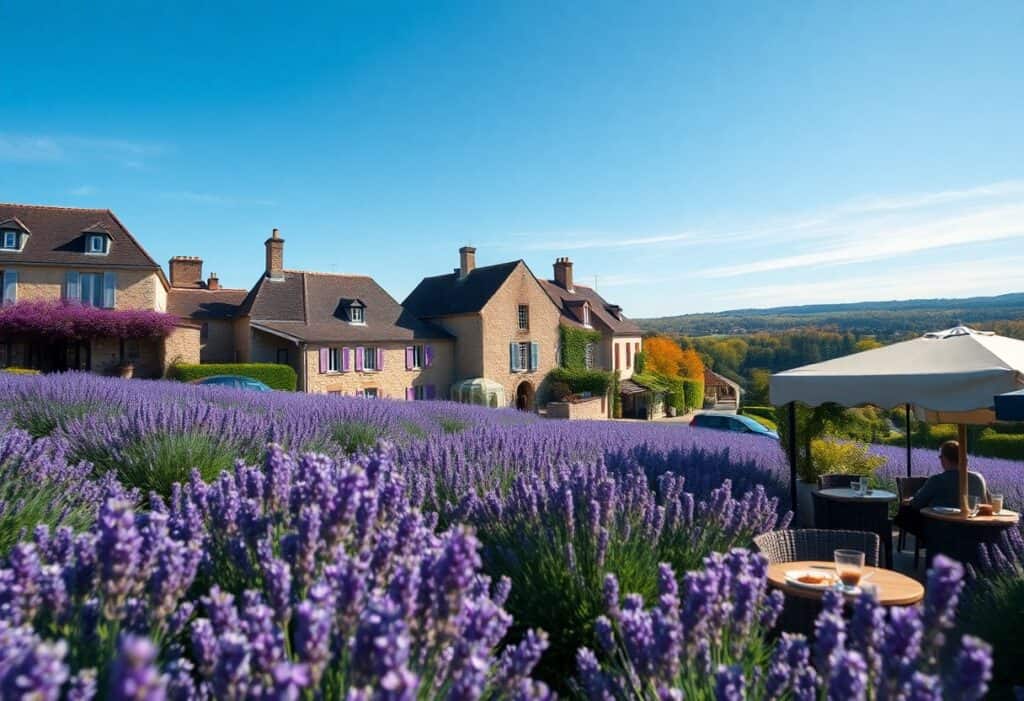
France is easy to love in every season, but the right month changes the whole trip. If you want the clearest weather-first view, start with the seasonal guide to visiting France, then use this page to match weather, crowds, and prices to your travel style.
Best time to visit France, depending on what you want
For most travelers, April To May and September To October are the sweet spots: comfortable temperatures, workable crowds, and better value than peak summer. Choose summer for long days and beach weather, or winter if you want the lowest prices and do not mind cold, rain, and shorter opening hours.
- Spring Best balance for city breaks, gardens, and easy sightseeing.
- Summer Best for beaches, festivals, and long daylight.
- Autumn Best for food, wine, and softer crowds.
- Winter Best for budgets, museums, and ski trips.
A Weather-First Way To Plan France
France has real seasonal variety, and that matters when you are deciding between Paris museums, Provence road trips, Atlantic beaches, or the Alps. Northern and central France tend to feel cooler and more changeable, while the south warms up earlier and stays milder later into the year.
If you are traveling by car, the timing also affects road conditions, parking pressure, and how comfortable it feels to move between regions. For that side of the trip, it helps to read driving in France: essential tips and rules before you lock in dates.
France By Season: The Practical Comparison
What Each Season Feels Like On The Ground
In Spring, France usually feels fresh and manageable. Temperatures in many regions sit around 10-20°C, with more sunshine arriving by the week. This is a strong time for first-time visitors who want to see Paris, the Loire Valley, or smaller historic towns without the intensity of July crowds. Southern France warms faster, so places like Provence can already feel pleasant when the north is still carrying a chill.
In Summer, France is at its most animated. Long daylight hours make it easy to fit in museums, markets, and evening walks, and the coast becomes the obvious draw. The Mediterranean south can be hot, and Paris can occasionally spike well above typical summer comfort, so early sightseeing and late dinners often work better than midday plans. The Atlantic coast usually offers more breathing room thanks to sea breezes and slightly softer temperatures.
In Autumn, the mood changes. Early autumn often delivers mild, dry weather and a calmer pace, especially for city travel and regional food trips. By late autumn, rainfall rises and the days shorten, but it is still one of the most rewarding periods for travelers who want better value and a less hectic feel. Wine regions, in particular, become more interesting in September and October, when harvest activities give the trip a seasonal character.
In Winter, France splits into different experiences depending on where you go. Northern cities feel cool and damp, the Mediterranean coast stays milder, and the mountains can turn snowy and ideal for skiing. Winter also rewards slower travelers: museums are easier to enjoy, hotel prices are often lower, and festive markets give the season a distinct appeal. If you want a quiet city break or a ski-focused itinerary, winter can be an excellent fit.
Where The Weather Changes Most
France is not a one-weather destination. Northern and central areas are more affected by seasonal swings, while the Mediterranean south is warmer for longer. The Atlantic coast benefits from the Gulf Stream’s moderating effect, which keeps winter conditions milder than many travelers expect. Mountain regions follow their own calendar altogether, with snow from roughly December through April in ski areas such as the Alps and Pyrenees.
That regional difference matters if your trip crosses several areas. You might need a light jacket for Paris, a sun-ready wardrobe for Provence, and winter gear for the mountains on the same trip. If your itinerary leans toward a self-drive route, the pacing ideas in perfect France road trip itineraries and tips can help you choose the order of regions based on weather and distance.
Timing, Booking, And Budget: When The Trade-Offs Matter Most
If you are choosing dates mainly for value, November Through March is usually the cheapest stretch, outside the Christmas and New Year window. Hotel rates can drop sharply, and attractions are often easier to enjoy without long waits. The trade-off is obvious: you will need warmer clothing, more flexible plans, and a little more attention to opening hours.
The most balanced booking window is usually Three To Four Months Ahead for shoulder-season travel, and earlier for summer or major events. Spring and autumn often deliver the best mix of weather and price, so they are the strongest picks if you care about value but do not want to travel in the coldest months. For summer, booking early matters more because demand rises fast and availability tightens in popular cities, coastal towns, and wine regions.
Useful timing rule of thumb
Book spring and autumn trips a few months ahead, summer sooner, and winter only after checking holiday periods and mountain availability. If your plans involve a car, review local rules and driving conditions before you commit to the route.
How To Pack And Plan Without Overthinking It
The best packing strategy for France is versatility. Comfortable walking shoes matter in every season, especially if your trip includes cobblestone streets, train stations, old town centers, or museum days with lots of standing. Light layers are useful year-round because morning and evening temperatures can differ sharply from midday conditions, even in summer.
- Spring Bring a light waterproof jacket and layers for changing temperatures.
- Summer Pack sun protection, breathable clothing, and flexible plans for heat.
- Autumn Carry a warmer outer layer and be ready for rain later in the season.
- Winter Bring a proper coat, closed shoes, and a backup plan for short days.
If you are building a wider France itinerary, weather often determines whether a train-led trip or a road trip is easier. Rail works beautifully between major cities, but a car gives you more freedom for Provence, the Loire, Normandy, or the Atlantic coast. The best next read for route-based travelers is perfect France road trip itineraries and tips, especially if your trip spans several regions with different climates.
Choose your France trip with the weather in mind
If you want the most comfortable all-around trip, pick spring or autumn. If you want beaches and festivals, go in summer. If you want lower costs, museums, or ski time, winter can be the smarter choice.
For the broader seasonal picture, keep the seasonal guide to visiting France open as your main planning reference.
Season-Specific Travel Notes Worth Remembering
A few details can change how smooth the trip feels. Museums are often closed on Tuesdays, many smaller shops still close on Sundays, and lunch-to-dinner gaps can limit dining in some places. Summer brings more extended opening hours, but it also brings longer queues and more strain on central neighborhoods. Winter can be calmer, yet some attractions scale back hours or shut temporarily, especially outside major cities.
Major events also move the needle. Bastille Day in July, the Cannes Film Festival in May, and the Tour de France in July can all affect hotel availability and prices in specific regions. If your trip lines up with one of these, book earlier and expect a busier atmosphere around the event zone.
Frequently Asked Questions

Jessica Malone is a passionate writer and travel enthusiast, specializing in affordable car rental solutions. With a keen eye for detail, she explores various aspects of cheap car rentals, offering readers practical tips and insights to maximize their travel experiences. Through her engaging articles, Jessica aims to empower travelers to make informed decisions and navigate the world of online car rental services with ease.


Your guide beautifully encapsulates the enchanting diversity of France throughout the seasons, and I couldn’t agree more about the importance of timing your visit. Having traveled there multiple times, I’ve come to appreciate how vastly different each season can feel, not just in terms of weather, but also the atmosphere and unique experiences each one offers.
I’m glad to hear you resonate with the idea of experiencing France in different seasons. Each time I’ve returned, I find new layers to explore, largely because of how the seasons shape the atmosphere. Take spring, for instance—how the countryside bursts into color and the markets overflow with fresh produce feels almost like nature throwing a celebration. It’s a completely different vibe compared to winter, where the coziness of cafés and the festive spirit during the holidays create a unique charm.
Your reflections on the seasonal charm of France resonate deeply with me. Every time I return, I’m struck by how the essence of a place can shift so dramatically with the changing seasons. There’s a special rhythm to each time of year, shaping not only the landscape but also the vibe of the towns and cities we explore.
I completely understand what you mean about the essence of a place shifting with the seasons. It’s fascinating how the changing weather and light can completely alter our perception of a town or city. I always find that spring in Paris brings a sense of renewal and vibrancy, as the flowers bloom in the gardens and the cafés shift their seating outside. Everything feels like it’s awakening, and there’s such an energy in the air.
You’ve really captured that spirit of spring in Paris beautifully. It’s like the city shakes off its slumber and comes alive. I find that the way the sunlight changes can almost feel intimate; it bathes the streets in a soft glow that draws people out, doesn’t it? Those vibrant blossoms in the gardens seem to invite everyone to slow down and soak in the moment.
I completely relate to that feeling of renewal in spring, especially in a city as iconic as Paris. There’s something magical about witnessing the transformation of the landscape—the way the warm sunlight seems to coax the flowers into bloom and how the terraces of cafés come alive with laughter and conversation. It’s almost like the city breathes a sigh of relief after the long winter.
You’ve captured that essence of France beautifully. Each season truly brings its own charm, doesn’t it? I remember visiting in the spring when the gardens came to life with colors—places like the Jardin des Tuileries felt magical with all the blossoms. It was almost as if the entire city was awakening from a slumber.
You’ve hit the nail on the head about spring in France. There’s something downright magical about the gardens bursting into life, isn’t there? It’s like nature decided to throw a party, and everyone was invited. The Jardin des Tuileries really does feel like the front row seat to a floral symphony. I love how the entire city seems to shake off its winter coat and strut around with its finest blooms on display.
I really appreciate how you’ve highlighted the unique experiences France offers across its seasons. It reminds me of my last trip during autumn in Provence—the vineyards were ablaze with color, and the harvest festivals added such a vibrant atmosphere. I’ve always thought visiting in the shoulder seasons can provide the best of both worlds: pleasant weather without the overwhelming crowds.
Your experience in Provence sounds truly lovely, especially during such a picturesque time of year. The vibrant colors of the vineyards combined with the festive atmosphere must have created a magical setting. I’ve always found that the shoulder seasons really offer a perfect balance—like catching the last warm rays of summer and enjoying the first hints of fall.
Your experience in Provence sounds truly enchanting. Autumn there must offer such a rich tapestry of colors and flavors, especially with the vineyards showcasing their harvest. It’s interesting how the shoulder seasons allow travelers to enjoy these unique experiences without the busyness of peak tourist times.
You’ve captured the essence of autumn in Provence beautifully. The vineyards during this time are not just a visual delight; they come alive with flavors too. Harvest is a communal event, and it brings a warmth to the region, as locals come together to celebrate.
You’ve touched on something really special about those autumn gatherings in the vineyards. There’s a unique energy when locals come together to share the joy of the harvest. It’s not just about collecting grapes; it’s a chance to reconnect with one another and celebrate the fruits of their labor.
Your guide beautifully encapsulates the multifaceted charm of France throughout its seasons. Having visited France in different times of the year, I can definitely relate to your observations about the regional variations. For instance, planning a trip in spring not only allows for stunning floral displays, especially in places like the Gardens of Versailles, but also provides a more tranquil experience before the summer crowds descend.
It’s great to hear that you share an appreciation for the diverse beauty of France throughout the seasons. I’ve always found that spring has a unique magic, especially in the Gardens of Versailles. The way the blossoms start to unfurl feels like nature’s own invitation to slow down and soak in the surroundings.
I’m glad to hear your experiences resonate with the observations in the guide. Spring does have a special kind of magic in France, doesn’t it? The charm of places like the Gardens of Versailles is amplified by the blooming flowers and the gentle buzz of nature awakening. It’s almost as if the landscape invites you to slow down and take it all in before the vibrant summer energy takes over.
You captured the essence of spring in France beautifully. There’s something undeniably enchanting about the way the Gardens of Versailles transform as the season unfolds. Walking through those meticulously tended paths, it feels as if the entire world around you is waking up alongside the flowers. The air is different—filled with that fresh, invigorating scent of new blooms. It’s like the gardens themselves invite you to pause and soak in every detail, whether it’s the soft rustle of leaves or the mesmerizing play of sunlight on the fountains.
You really captured the essence of spring in France beautifully. There’s something about those early moments when the gardens start to wake up—it’s like the whole country takes a deep breath after the winter chill. The Gardens of Versailles, with their grand layout, seem even more enchanting when the flowers burst into color. You start to notice details you might overlook during the busier months.
I completely relate to your experiences in France across different seasons. There’s something undeniably special about spring in places like the Gardens of Versailles; the blooming flowers have a way of bringing a sense of renewal that feels almost therapeutic. It’s fascinating how the ambiance shifts from one season to another, isn’t it?
Ah, the enchanting allure of France—where the pastries are as flaky as the weather forecast but somehow equally delightful! Your insights about the seasonal rhythms of France truly resonate with my own travel experiences. I remember a spring trip to the lavender fields of Provence; it was like stepping into a painting—colorful blooms everywhere, and the fragrance was intoxicating! However, I learned the hard way that my love for sun-soaked afternoons often clashes with my aversion to crowds. Lesson learned: when you find yourself battling a sea of tourists at the Eiffel Tower, it’s time to pivot to the quiet charm of a less-trafficked café in Montmartre.
I get what you’re saying about the friction between romantic notions of travel and the reality of crowded tourist hotspots. That clash can be frustrating, especially when you imagine yourself sipping coffee by a quiet canal or wandering through those lavender fields without the buzz of selfie sticks around you. Montmartre does have that understated charm that can feel like a breath of fresh air, but even it has its busy seasons.
I really appreciate the insights you’ve shared about planning a French vacation! Having visited France in both spring and fall, I can confirm that each season offers its own charm. The spring blossoms in places like Provence are breathtaking, and it’s a pleasure to wander through smaller towns when the crowd levels are much lighter. Fall, on the other hand, has the added bonus of the grape harvest, especially in regions like Bordeaux. It’s fascinating how France’s diverse geography can create such varying experiences.
It’s great to hear about your experiences in France during both spring and fall! You’ve captured the essence of each season beautifully. The charm of Provence in spring with its blossoms really is something special. Those vibrant colors make every stroll feel almost magical, don’t you think? And exploring smaller towns, with their slower pace and lovely local markets, definitely allows for a more intimate connection to the culture.
It’s great to hear about your experiences in both spring and fall! You’ve highlighted two wonderful aspects of France that really showcase the country’s seasonal character. Spring in Provence is like walking through a painting with all those vibrant blossoms and the scents of blooming lavender filling the air; it’s almost as if nature wants to show off its best side. I can see why you enjoyed the quieter towns—there’s something magical about exploring without the hustle and bustle.
Your description of spring in Provence paints a vivid picture that resonates deeply with my own experiences. There’s something about walking through the vibrant landscapes, with the bright blossoms and intoxicating scents mingling in the air, that brings an undeniable sense of peace. Connecting with nature in such a raw, beautiful way makes every moment feel special.
Ah, the perennial question of when to visit France! It’s like trying to choose your favorite cheese—there’s just too many delicious options, and they all have their own charm! Spring with its blossoming flowers and mild weather can completely turn even the most seasoned indoorsy types into avid sightseers. But let’s be honest, who doesn’t wanna sip rosé in a sun-drenched café while avoiding the summer crowds that act like they just found out the Eiffel Tower is actually a giant cheese grater?
You hit the nail on the head with that cheese analogy. France really is a platter of experiences—each season offering its own distinct flavor. Spring is like that seasonal brie, often getting all the rave reviews for its charm and romantic weather. Picture it: flowers bursting with color as Parisians bust out their picnics and flâneur vibes. It’s a lovely time to roam the cobbled streets without feeling like you’re engaged in a battle for every square inch of the Seine.
I love how you captured the essence of spring in France! There’s something magical about that season, isn’t there? It’s like the whole country takes a deep breath after winter, shedding the gray and layering on all these vibrant hues—flowers popping up everywhere, cafés spilling into the streets with laughter and chatter as folks settle into their outdoor seating.
You’ve painted a pretty vivid picture of France, and I can’t help but agree that each season brings its own unique flair. Spring really is magical with all the blooms, and there’s something special about the air feeling fresh and filled with possibilities. I remember visiting the gardens at Versailles in late April—everything seemed alive, and it felt like the perfect time to wander aimlessly.
This guide provides valuable insights into planning a trip to France, particularly regarding its varied climate and tourist dynamics. I find it fascinating how the regional differences in weather can create such unique experiences, especially when considering activities like hiking in the Alps during fall or enjoying the lavender fields in Provence during summer.
I completely resonate with your thoughts on France’s diverse climate and its influence on travel experiences. It’s interesting how each region offers its own charm depending on the time of year. Hiking in the Alps during fall must be stunning, especially with the foliage transforming the landscape into a patchwork of colors. Have you ever tried it?
Speaking of unique experiences, I recently came across this handy guide on renting a car online that offers some great tips for navigating France’s diverse landscapes while keeping your trip smooth and secure.
‘Rent a Car Online: Your Safe and Secure Guide’
https://online.rentacar24.org/rent-a-car-online-your-safe-and-secure-guide/.
I completely agree with you about the charm of France’s regions and how they change with the seasons. Hiking in the Alps during fall seems like a dream; I’ve always imagined being surrounded by those vibrant hues of orange and red, with the crisp mountain air adding to the experience. I haven’t had the chance to hike there yet, but it’s definitely on my bucket list. The beauty of the Alps in autumn must be hard to top.
It’s interesting how much a destination can change with the seasons, isn’t it? The contrast between the Alps in fall and the lavender fields in Provence highlights just how diverse France’s landscapes and climates are. I’ve always thought that experiencing the outdoors in different seasons can truly enhance our appreciation of nature.
It really is fascinating how much our surroundings can transform with each season. The way the Alps shift from vibrant foliage in fall to serene snow-covered peaks in winter creates such a distinct atmosphere, doesn’t it? And then there’s Provence, which almost feels like a different world with its rolling lavender fields in full bloom. I love how each season tells a different story in the same place.
You hit the nail on the head with the regional charm of France! It’s like a treasure chest of microclimates, each brimming with its own unique experiences. Can you imagine hiking in the Alps, surrounded by those stunning fall colors, while simultaneously contemplating how to sneak back some fondue in your suitcase? There must be a balance between the majestic peaks and your love for cheese, after all.
You really captured that feeling of wandering through France’s regions perfectly. Each area has its own vibe, and it’s amazing how you can hop from the pebbled beaches of the Cote d’Azur to the rolling vineyards of Bordeaux in just a few hours.
It’s really interesting how France’s climate can shape our travel experiences in such distinct ways. The contrast between regions is something that truly caught my attention while exploring. For instance, hiking in the Alps during fall is such a brilliant way to experience nature’s shifting palette. Those autumn hues against the backdrop of crisp mountain air—there’s something almost magical about it. Plus, the trails tend to be a bit less crowded compared to summer, which is a bonus for anyone looking to enjoy a bit of solitude in nature.
I’m glad to hear you found the insights on France’s climate and its impact on travel resonating. The contrast in weather really does shape the experiences you can have in different regions. For instance, hiking in the Alps during the fall is not just about the stunning views; it’s also a treat for the senses with the crisp air and the vibrant foliage.
I couldn’t agree more about the sensory experiences in the Alps during fall. There’s something special about that crisp air, isn’t there? It really awakens the senses and makes you appreciate the beauty around you more intensely. I remember taking a hike in the Mont Blanc region a couple of years back, and the combination of the colorful foliage and the stunning mountain backdrop was truly breathtaking.
Your breakdown of France’s seasonal offerings really resonates with me. Having visited during both spring and fall, I found that spring, with its blooming flowers and mild weather, provided a fantastic backdrop for exploring cities like Paris and Lyon. However, fall has its own charm, especially in regions like Provence where the grape harvest creates a splendid atmosphere for wine enthusiasts. It’s interesting how each season not only shapes the landscape but also influences local festivals and experiences.
It’s great to hear that you’ve experienced the beauty of both seasons! There’s something magical about spring in Paris—those cherry blossoms can really take your breath away, and the city feels alive with that fresh energy. But then you hit fall in Provence, and it’s like stepping into a postcard with the vineyards bursting with color and that lovely, crisp air.
I really appreciate how you’ve broken down the seasonal experiences of France. It’s so true that each season offers something unique. I visited in the fall once, and the vineyards in Bordeaux were just stunning—especially with the autumn colors. Autumn feels like a hidden gem compared to the summer crowds.