
Driving in France is straightforward once you know the key rules, documents, and equipment you need before you set off. If you are planning a road trip, start with the essentials on the France trip-planning page, then check the driving rules that apply to your route.
What you need before driving in France
| Category | What to carry | Why it matters |
|---|---|---|
| Licence And Id | Valid driving licence, passport or ID, and any extra permit your licence type needs | Police checks and rental desks may ask for both identity and driving proof |
| Vehicle Documents | Insurance certificate and V5 registration document if you are using your own car | These confirm the car is legal and covered |
| Safety Kit | Warning triangle, hi-vis jacket, spare bulbs, and headlight beam deflectors | These are standard road-side requirements and useful in an emergency |
| City Access | Crit’Air vignette if you plan to enter environmental zones | Some cities restrict older vehicles and charge penalties for missing stickers |
If you are arranging a hire car, compare the rental terms early and keep the paperwork together. For general booking strategy, the broader road-trip planning guide is the best place to start, while this page focuses on the France-specific rules.
The Rules That Matter Most On French Roads
France drives on the right, speed limits are posted in kilometres per hour, and several cities use low-emission rules that can catch visitors out. The most useful habit is to check your documents, your equipment, and your route before you leave the ferry, tunnel, or airport.
For France-only trip ideas and route inspiration, you can also look at France road trip itineraries. If your visit depends on weather or shoulder-season conditions, the seasonal weather guide for France helps with timing.
| Rule or requirement | What to know |
|---|---|
| Driving Side | Drive on the right-hand side of the road. |
| Minimum Age | The minimum driving age for cars is 18, but car hire companies may require drivers to be older. |
| Alcohol Limit | The blood alcohol limit is 0.05%, so it is safest not to drink at all before driving. |
| Child Restraints | Child seats are required for children up to age 10. |
| Speed Limits | Typical limits include 50 km/h in built-up areas, 80 km/h on main roads, 110 km/h on some wet motorways, and 130 km/h on dry motorways. |
| Low-Emission Zones | Paris, Lyon, Toulouse, and other cities may require a Crit’Air sticker, especially for older cars. |
Documents, Equipment, And Rental Car Checks
If you are driving your own vehicle, carry the paper trail with you, not in the glovebox at the hotel. A valid UK photocard driving licence, proof of identity, the V5 certificate, and the insurance certificate are the core items already highlighted in the checklist above.
For a hire car, the essentials are simpler but still worth checking carefully. Many renters overlook the small print on excess, fuel policy, and damage cover, then face avoidable charges when they return the car. A quick vehicle inspection before leaving the lot is one of the easiest ways to avoid problems.
If you want a broader overview of rental terms and the most common add-ons, see rental car insurance basics. It is especially useful if your France trip includes a second country or a longer road journey.
When to book your car and when to plan around seasonality
For summer travel, school holidays, and long weekends, book earlier because prices and availability tighten quickly. If you are travelling in spring or autumn, the roads are often calmer, but city access rules and weather still matter.
If your timing is flexible, pair this guide with seasonal weather tips for France before you lock in the booking.
Road Types, Tolls, And What Driving Actually Feels Like
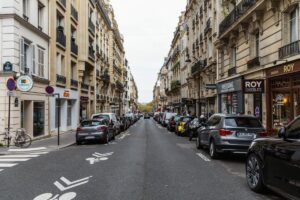
French driving changes a lot between city streets, motorways, rural lanes, and mountain roads. City driving is usually the most stressful because of traffic, cyclists, bus lanes, and parking restrictions. Motorways are fast and efficient, but tolls can add cost quickly.
Rural roads can be quieter but narrower, and mountain routes may involve steep bends, sudden weather changes, and slower traffic. Coastal drives are often the most scenic, which is why they are a good fit for readers planning a France-focused trip rather than a wider European itinerary.
Driving From The UK To France
If you are crossing from the UK, check your headlights, mirrors, and number plate before departure. Depending on the vehicle, you may need beam deflectors and a UK sticker, and you should also plan for the Channel Tunnel or ferry schedule so you are not rushing after arrival.
Drivers who want a broader cross-border overview can compare the guidance on renting a car abroad, but keep in mind that the France rules here are the ones that matter once you are on the road.
Low-Emission Zones And City Access
France’s environmental rules are easy to miss because they apply city by city rather than countrywide in a simple way. Paris, Lyon, Toulouse, and similar cities may require a Crit’Air vignette, and the restrictions can change depending on the vehicle’s emissions and the time of day.
If your trip is mainly urban, treat the sticker as part of the trip prep rather than an optional extra. Rental companies often provide the correct vignette for their vehicles, but it is still worth confirming before you leave the depot.
Practical checklist for tourist drivers
- Keep your licence, ID, and vehicle papers easy to reach.
- Carry the required safety kit if you are using your own car.
- Check speed limits every time the road type changes.
- Plan for tolls on motorways and parking limits in cities.
- Confirm whether your route crosses a low-emission zone.
Is Driving In France Worth It?
Driving in France gives you flexibility, access to scenic routes, and an easy way to reach places that are awkward by train or bus. The trade-off is that French roads come with tolls, strict rules, and city-centre parking headaches in busy destinations.
| Pros | Cons |
|---|---|
| Scenic routes, route flexibility, easy access to villages and coastlines | Tolls, city congestion, parking limits, and strict compliance checks |
| Good for longer road trips and multi-stop itineraries | More planning needed if you are crossing low-emission zones or mountains |
If your trip is turning into a larger European drive, the European road trip guide is a better companion piece than a generic rental article, while France-specific route ideas still belong on the France itinerary page.
Planning a France drive?
Book early if you are travelling in peak season, check your paperwork before collection, and confirm the car meets the rules for the cities on your route.
For route ideas, pair this with France road trip itineraries and then return here for the driving requirements that keep the trip smooth.
Frequently Asked Questions
Can I Drive In France With A Us License?
Many visitors can drive with a valid US licence for a short stay, but rental companies and local rules can add extra requirements, so check your booking terms before you travel.
What Do I Need While Driving In France?
At minimum, carry your driving licence, ID, vehicle documents, and the required safety equipment. If you are entering a low-emission zone, you may also need a Crit’Air vignette.
Is It Easy To Drive In France As A Tourist?
Yes, if you prepare properly. The roads are generally well signed, but tolls, city restrictions, and different speed limits mean it pays to plan ahead.
Do I Need A Crit’air Sticker?
You need one if your route takes you into a city environmental zone that requires it. If you are not sure, check the destinations on your itinerary before you travel.
What Is The 5 To 7 Rule In France?
The question is usually asked in a general travel context, but it is not a driving rule. For motorists, the more relevant items are speed limits, alcohol limits, and city access restrictions.
If you are still deciding on a route, booking window, or vehicle type, the broader road-trip planning guide is the right next step, and this article remains your France-specific checklist for getting on the road legally and confidently.


Clara Bennett is a passionate writer and expert in the world of car rentals, focusing on providing insightful guidance for affordable options available online. With years of experience in travel and a keen understanding of the industry, she aims to simplify the car rental process for her readers. Clara’s engaging articles and practical tips help travelers navigate the complexities of securing the best deals, making her a go-to resource for anyone looking to save money on their next adventure.


Reading your blog post has stirred up excitement about the prospect of driving through the picturesque landscapes of France! The diversity of driving experiences mentioned—from the hustle and bustle of city driving to the serene countryside roads—is truly captivating. Each type of driving adventure seems to offer its own unique set of challenges and rewards.
Your insights on preparing for driving in France are incredibly relevant, especially since road travel offers such a unique way to explore the diverse landscapes and cultures of the country. I appreciate the emphasis on understanding the different types of driving that one might encounter; each presents its own set of challenges and rewards.
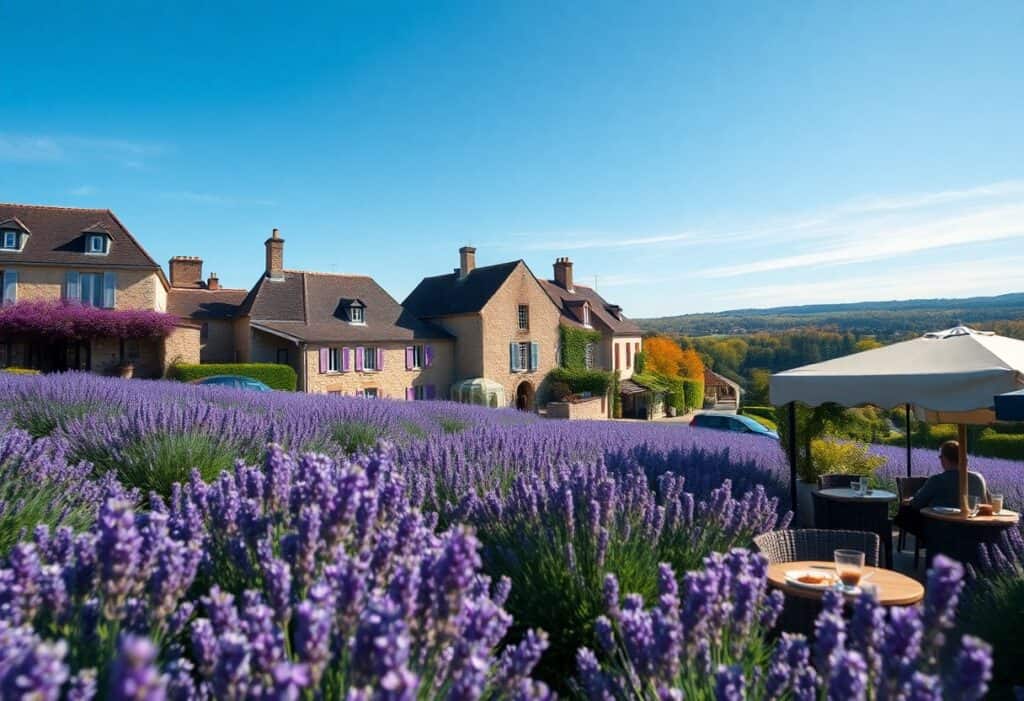
I completely resonate with your perspective on driving in France; it really is an intimate way to connect with the country. The landscapes you traverse can vary so dramatically, from the lavender fields in Provence to the rugged coastlines of Brittany, and each region has its own vibe and culture.
You’ve hit on a great point regarding the diversity of landscapes in France and how driving can enhance that experience. Each region unfolds like a story, doesn’t it? Take Provence, for example. Those endless lavender fields have a rhythm all their own, not just visually but in the scent that fills the air as you drive, almost coaxing a slower pace. You can almost map the change in mood from one stretch to another. Turning off a main road and winding down those smaller country routes leads to unexpectedly picturesque villages where time seems to pause.
You’re spot on about Provence. It’s amazing how a simple drive can turn into a sensory journey, isn’t it? Those lavender fields really do have a way of wrapping you in a calming embrace, especially when the scent wafts in through the open windows. It definitely encourages you to slow down and truly savor the moment.
You nailed it with that description of the landscapes. Driving through France really feels like flipping through a dynamic picture book, doesn’t it? One moment you’re surrounded by the vibrant fields of lavender, and the next, you’re hugging the dramatic cliffs of the coast.
I completely agree; driving through France can be such a rewarding experience. Each region has its own character, and being behind the wheel allows you to really soak in the scenery and culture at your own pace.
This is such a helpful guide for anyone looking to drive in France! Having driven through the picturesque countryside and bustling cities myself, I can attest to the beauty and unique experiences each type of driving offers.
It’s great to hear that you’ve had the chance to explore both the countryside and the cities! There’s something special about driving through those winding roads and discovering hidden gems along the way. Every region has its own vibe, and it’s fascinating how a short drive can change the scenery so dramatically.
This is an informative overview of the various driving conditions one might encounter in France. Having driven in different countries, I can certainly appreciate the nuances involved in adapting to each unique environment.
It’s interesting to hear your perspective after driving in various countries. France does present its own set of challenges, especially with the mix of urban congestion and rural roads. The diversity in driving conditions can really test a driver’s adaptability.
It’s fascinating how each country brings its own set of driving conditions that can really shape your experience on the road. I love hearing that you’ve taken the time to drive in different countries. It’s a great way to not only see new sights but also to get a genuine feel for the culture, right?
Your insights on driving in France capture the essential aspects brilliantly, especially the different driving types. Each offers a unique experience, and I think it’s interesting to consider how local culture influences driving habits. For instance, city driving in places like Nice, as shown in your caption, can be quite a challenge with narrow streets and bustling marketplaces. It’s crucial to stay alert for pedestrians and cyclists who might not always follow the same traffic rules.
I’ve always found driving in France to be such a unique experience! Each driving type presents its own charm—like how city driving in Paris can feel like navigating through a living painting with all the historic architecture. I remember getting a bit overwhelmed by the roundabouts at first, but now they feel like a fun challenge.
City driving in Paris does feel like an art form, doesn’t it? Those historic streets are essentially a museum on wheels. You can easily picture a painter setting up their easel in the middle of a bustling café, capturing the essence of life in the city. And let’s not forget the delightful scent of freshly baked croissants wafting through the air while you’re stuck in traffic. It makes the wait a bit more bearable, even if it does test the limits of your patience.
City driving in Paris really does have that almost poetic quality, doesn’t it? It’s fascinating how the ambiance of the streets can transform a mundane activity into something to savor. Those historic streets are indeed a living testament to art and culture, where every corner has a story, or perhaps even a lingering fragrance of history mixed with that fresh croissant aroma.
City driving in Paris really does weave that kind of enchanting experience, doesn’t it? Each time I navigate those twisting streets, I can’t help but appreciate how they echo with stories. It’s remarkable how the rhythm of daily life can blend with the whispers of the past.
I completely agree with you about the poetic quality of city driving in Paris. There’s something about gliding down those historic boulevards that feels almost like stepping into a living painting. It’s fascinating how the ambiance transforms each moment, turning an ordinary commute into an experience to remember.
You raise an interesting point about the unique experience of driving in Paris. It’s true that navigating those historic streets can feel like participating in an art form. Each turn reveals a new vignette, from the stunning architecture to the lively cafés bustling with life. The idea of a painter capturing the essence of city life while sitting in a café is particularly vivid; that blend of human activity and the backdrop of history creates a kind of visual harmony that is uniquely Parisian.
You’ve captured the magic of Parisian driving so well. It really is a unique experience, weaving through those historic streets that feel alive with stories and art. The idea of a painter setting up in a café is so vivid; it highlights how every corner has its own rhythm and charm. And yes, the aroma of those croissants can transform even the most frustrating traffic jam into a moment of indulgence. It’s fascinating how sensory experiences can shift our perspective, isn’t it?
You’ve hit the nail on the head about driving in France—it’s like being part of a surreal art installation, especially in Paris. You’ve got the stunning architecture, people dashing around on foot, and cars that don’t always seem to follow the same rules we’re used to. It’s almost like they’re trying out for a chaotic production of “Fast and the Furious: Seine Edition.”
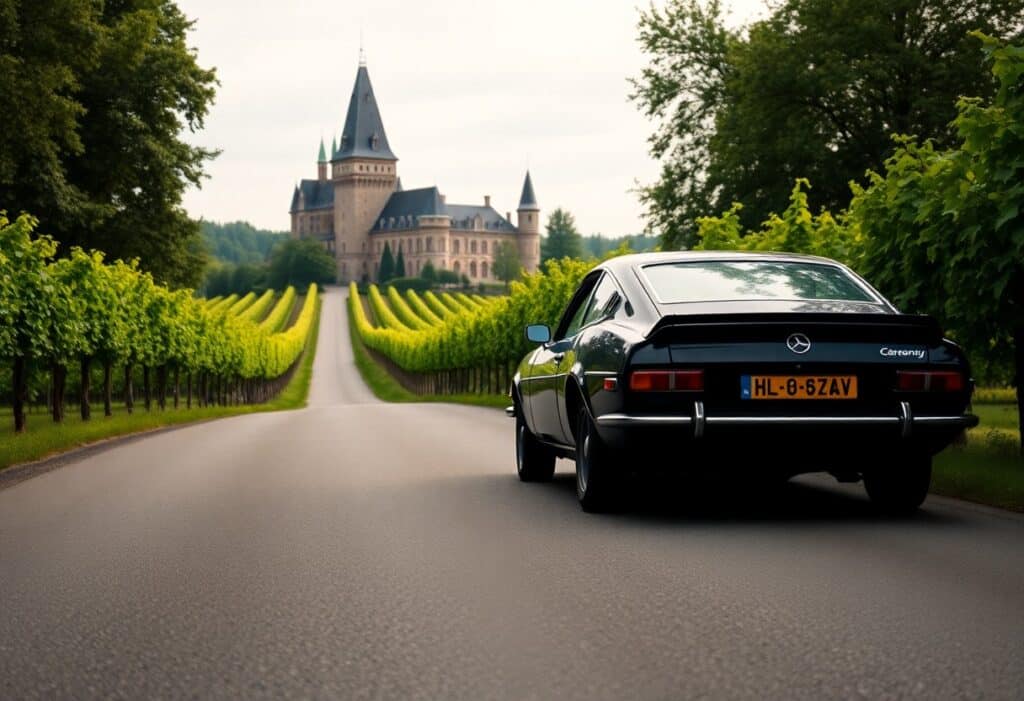
This is such a useful overview for anyone looking to hit the roads in France! I remember my first time driving in the French countryside; the scenery was absolutely breathtaking, but I definitely had to adjust to the winding roads and different driving habits. One piece of advice I’d offer is to keep an eye out for local road signs—they can be quite different from what you’d expect, and knowing the speed limits for rural versus urban areas can save you some hassle.
I completely relate to your experience driving through the French countryside. The views are just stunning, aren’t they? There’s something so calming about the rolling hills and vineyards, but those winding roads can definitely catch you off guard. It’s interesting how road signs differ from country to country; it adds a layer of complexity to navigating, especially when you’re trying to soak up the scenery at the same time.
I completely agree with you about the calming effect of the French countryside. There’s something almost meditative about driving through those landscapes, especially when the vineyards stretch out like a patchwork quilt under the sun. It reminds me of how important it is to take moments like that in our busy lives—just the act of being present amidst such beauty really can reset your mind.
I know exactly what you mean about the calming effect of the French countryside. There’s a certain rhythm there that feels different from our usual hustle and bustle. I’ve found that just pausing to take in the scenery can shift my perspective entirely.
Those winding roads really do add a unique character to the journey, don’t they? It’s fascinating how each curve reveals a new landscape, often surprising in its beauty. As you’re cruising along, it’s easy to forget about the navigation, but those unexpected turns can lead to some delightful discoveries. I remember coming across a hidden vineyard that wasn’t marked on the map—a perfect spot for a spontaneous picnic.
Your insights on preparing to drive in France are indeed crucial for ensuring a smooth experience for adventurers. Having recently made the journey myself, I can attest to the importance of being familiar with the various types of driving conditions. Each offers a unique experience that allows you to appreciate the diverse landscapes France has to offer.
It’s great to hear about your own journey through France. The driving experience there really is something special, isn’t it? I remember being surprised by how quickly the scenery can change—one minute you’re winding through vineyards, and the next you’re navigating coastal routes with stunning ocean views.
It really is special. The way the landscape unfolds in France feels almost cinematic, doesn’t it? I find that the varied scenery—from lush vineyards to dramatic coastlines—can evoke such different moods and inspirations. I remember driving along the Côte d’Azur, absorbing the vibrant colors and the salty breeze. It made me think about how nature’s diversity can influence our mental well-being.
I completely relate to that feeling. The way landscapes in France can shift so dramatically yet seamlessly is truly captivating. The drive along the Côte d’Azur, with its stunning blues and vibrant hues, really does have a way of grounding you, doesn’t it? It’s as if each view is a frame from a movie, inviting you to pause and reflect.
Your experience highlights just how dynamic driving in France can be. It’s true; each type of road presents its own narrative, and as you navigate through the countryside, coastal routes, or bustling city streets, you can almost feel the stories of the terrain surrounding you.
Ah, driving in France—where the croissants are flaky, and the roundabouts are a sport! Getting the hang of city driving is its own dance, especially when you factor in pigeons that seem to think they own the streets. The key here is patience, especially since that one person in the Peugeot always seems to think their car can magically transform into a parking space.
I really resonate with your tips on preparing for driving in France. It’s true, there’s a major adjustment when you’re used to driving on the left! I remember my first trip there; I spent the first few days feeling like I was constantly double-checking the mirrors, but once I got the hang of it, it was such a liberating experience.
I completely get where you’re coming from. Switching from driving on the left to the right can feel a bit like stepping into a parallel universe at first. It’s interesting how something as simple as seat positioning and mirror adjustments can really shift your entire mindset when you’re on the road.
It’s great to hear that the tips resonated with you. Shifting from driving on the left to the right definitely takes some adjustment, doesn’t it? That feeling of constantly double-checking mirrors is such a universal experience. It’s like your brain is in overdrive trying to recalibrate.
It’s funny how that adjustment can feel so intense at first, isn’t it? I remember my first experience driving in France as well; it took a few days to feel natural. I found that the roundabouts were one of the trickiest parts—it’s like they have a rhythm all their own. Once I got used to it, though, I felt like I was part of the flow of French life, and I began to enjoy those scenic drives through the countryside.
This is such a helpful overview for anyone planning to drive in France! I remember my first experience driving through the beautiful countryside—it felt completely different from city driving, and I had to adjust my mindset. The winding rural roads and stunning landscapes are more than just scenic; they require a certain level of caution.
Your experience really captures the essence of driving in rural France. The contrast between city and countryside driving is striking—city roads tend to be more structured, while the winding paths of the countryside often demand a more relaxed and cautious approach.
You really nailed it with that contrast. Driving in rural France has this unique charm that’s hard to put into words. I’ve found that those winding paths slow you down—not just in terms of speed but in a sense of urgency. There’s something meditative about navigating through those serene landscapes, where every bend reveals a new view or a quaint little village.
I completely resonate with your observations about driving in rural France. There’s a certain rhythm to those winding paths that really does draw you into the experience. It reminds me of how often we rush through life, fixated on our destination rather than the journey itself.
You really captured the essence of driving through rural France perfectly. There’s something special about those winding paths that invites you to slow down and breathe. It reminds me of how our fast-paced lives often overlook the beauty in the small moments and experiences.
You’ve really captured the nuances of driving between the city and the countryside so well. There’s something uniquely calming about those winding paths in rural France, isn’t there? I find that driving there almost feels meditative; the rhythm of the road encourages a slower pace that invites you to take in the landscape.
It’s fascinating how driving in different environments can transform your experience of a place, isn’t it? For instance, I remember navigating the winding rural roads in Provence; the scenic vineyards and sunflower fields were just as mesmerizing as the driving itself! Each type of driving, from the bustling city streets of Paris to the peaceful coastal routes of the Côte d’Azur, offers a unique glimpse into French culture and lifestyle.
Driving in France definitely has its unique charm, and you’re spot on about the different types of driving. I found city driving in places like Paris a bit overwhelming at first—it’s all about navigating the roundabouts and keeping an eye out for cyclists! Motorway driving has its perks, especially with the scenic views along routes like the A8 towards the Côte d’Azur.
You’ve really captured the essence of driving in France. City driving, especially in a bustling place like Paris, can feel a bit like stepping onto a very interactive stage. The roundabouts can take some getting used to, especially when you’re sharing the road with a mix of cars, scooters, and those ever-eager cyclists. It’s almost mesmerizing to watch Parisian drivers navigate those circles with a confidence that seems to come from years of practice. I remember feeling a bit like an outsider at first until I embraced the rhythm of it all.
You bring up some interesting points about driving in France. City driving, especially in Paris, can feel chaotic at first. The roundabouts can confuse even the most seasoned drivers, and cyclists seem to pop up out of nowhere. It’s a whole different rhythm compared to other cities, like those in the U.S. where rules may feel more straightforward.
Driving in Paris is certainly a unique experience, and you’re right—there’s a certain rhythm to the chaos that can be quite jarring for those used to the more predictable flow of traffic in many American cities. The roundabouts, especially, can seem like a dance, where everyone’s trying to find their own step while keeping an eye on the other drivers and the occasional cyclist zooming by.
I can totally relate to the experience of driving in Paris. The city’s energy is amazing, but those roundabouts can definitely catch you off guard. It’s interesting how you have to stay hyper-aware of not just other cars, but also pedestrians and cyclists. I remember having to mentally shift gears when I first drove there—being in a city where the rules of the road feel almost like suggestions can be a bit daunting.
Driving in Paris really does present a unique set of challenges, doesn’t it? The energy of the city has a way of weaving itself into the experience, making each drive feel like a part of an ongoing story. Your description of having to mentally shift gears resonates with many people. There’s definitely a rhythm to navigating Paris that feels different from other places.
You’re right; driving in Paris does feel like you’re part of something bigger, doesn’t it? It’s not just about getting from A to B; it’s about navigating through the layers of history and culture that feel alive in every street. I often think of the rhythm you mentioned—there’s definitely a dance involved, with the ebb and flow of pedestrians, cyclists, and those iconic scooters all weaving in and out.