
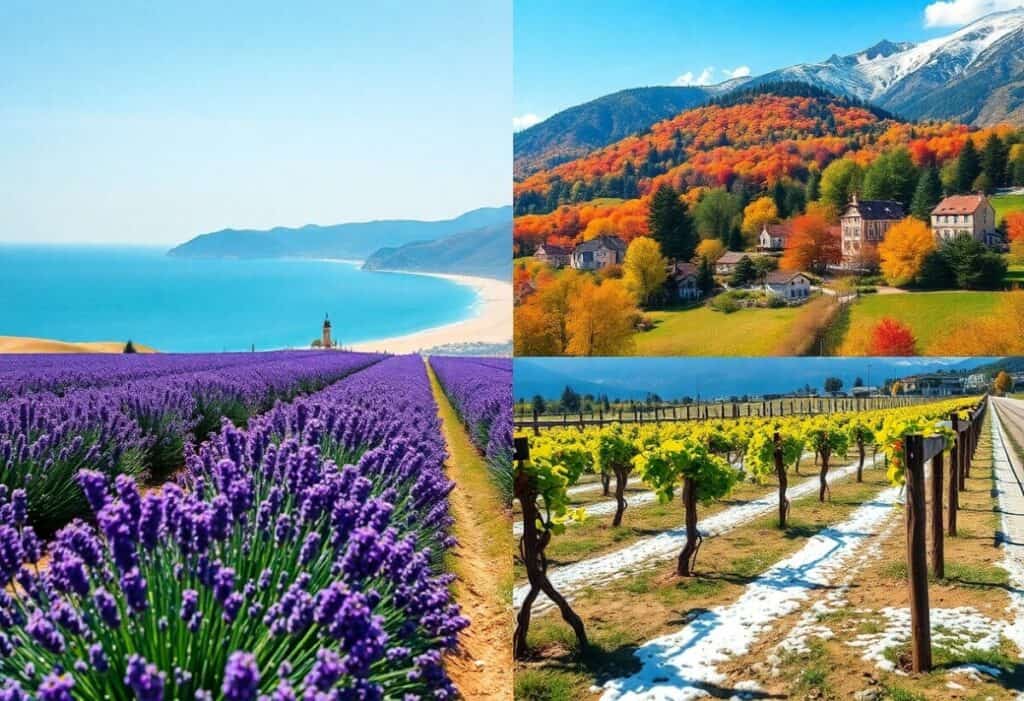
France rewards different kinds of travelers in different months. If you want the simplest rule, go in spring or autumn for the best balance of weather, crowds, and value, then choose summer only when long days or a specific event matter most.
Quick decision guide
- Best Overall April to June, or September to October.
- Best For Budgets November to March, with the calmest hotel and flight pricing in many areas.
- Best For Beaches And Festivals June to August.
- Best For Wine Regions And Countryside Drives September to October, when harvest season and softer weather line up well.
If your trip is likely to include a road journey, it also helps to read the essential driving rules for France before you settle on dates.
The Best Time Depends On What Kind Of Trip You Want
This guide is meant to help you choose the right season for your goal, not just name a calendar month. The same country can feel completely different depending on whether you are planning a city break in Paris, a coastal escape, a wine-focused trip, or a countryside road trip.
For broader seasonal conditions, you can also compare this advice with the more general France weather and seasonal travel tips page, which covers the country at a wider level. Here, the focus is on the practical choice: when to go for the trip you actually want.
| Season | Weather | Crowds | Cost | Best for |
|---|---|---|---|---|
| Spring | Mild, fresh, and often ideal for sightseeing | Moderate, rising around holidays | Usually mid-range | First-time visitors, gardens, city walks |
| Summer | Warm to hot, with long daylight hours | Highest | Highest in many destinations | Beaches, festivals, long road trips |
| Autumn | Comfortable, especially in September and October | Moderate and more manageable | Often good value | Wine regions, food trips, countryside drives |
| Winter | Cold, shorter days, and regionally varied | Lowest outside holiday periods | Usually lowest | Budget trips, museums, festive city stays |
When Each Season Makes The Most Sense
Spring: The Safest All-Round Choice
Spring is one of the easiest times to visit France because the weather is generally comfortable, the days are getting longer, and outdoor sightseeing starts to feel effortless again. It is a strong choice if you want city walks, café stops, gardens, and day trips without the full pressure of summer crowds.
April and May are especially appealing for travelers who want the classic France experience without peak-season congestion. If you are building a flexible itinerary, this is a strong time to use a rental car for village-to-village exploration, since the roads are typically easier than during the busiest summer weeks.
Summer: Best For Long Days And High-Energy Trips
Summer works best if your trip depends on warm weather, beach time, festivals, or the longest daylight hours of the year. It is a very good season for travelers who want to cover a lot of ground, especially if the trip includes coastal stops, outdoor dining, or a packed sightseeing schedule.
The trade-off is clear: more people, higher prices, and a greater need to book early. If you plan to rent a car in France during this period, the practical move is to reserve well ahead of time because prices and availability can tighten quickly. Seasonal pricing advice in this guide to seasonal rental discounts can help you avoid paying peak rates.
Autumn: The Best Balance For Many Travelers
Autumn is often the smartest answer if you want good weather, better prices, and fewer crowds than summer. September can still feel close to summer in the south, while October often brings crisp, comfortable days that suit museums, vineyards, hill towns, and slow scenic drives.
This is also a very strong season for food and wine travel. Harvest season gives the countryside more character, and destinations outside the biggest cities can feel easier to enjoy because parking, roads, and restaurant bookings are less strained than in peak months.
Winter: The Best Value If You Do Not Mind Colder Weather
Winter is the most budget-friendly option for many travelers, especially outside the Christmas and New Year period. It is a good fit for museum-heavy itineraries, café culture, Christmas markets, and travelers who care more about lower costs than mild weather.
If your trip is mostly urban, winter can be surprisingly rewarding. If you want to explore beyond the cities, be realistic about shorter daylight hours and the possibility of colder, wetter conditions. In that case, a car can still be useful, but only if you are comfortable planning around winter roads and reduced daylight.
Best Time By Trip Style And Destination Type
A better way to choose your dates is to match the season to the kind of France you want to experience. That makes this page more useful than a generic season list, especially if you are trying to balance weather, costs, and travel comfort.
| Trip style | Best timing | Why it works |
|---|---|---|
| Paris City Break | April to June or September to October | Comfortable walking weather, lively streets, and fewer extremes than midsummer or midwinter. |
| Countryside Road Trip | May, June, September, or October | These months usually give a better blend of open roads, scenery, and manageable tourism pressure. |
| Beach And Coast | Late June through August | Warmest weather and the best conditions for seaside stays, though prices are highest. |
| Wine And Food Trip | September and October | Harvest season, excellent dining focus, and a naturally stronger connection to the countryside. |
When To Book, And How Far Ahead To Plan
Booking windows matter in France more than many travelers expect. Summer and major holiday periods push up demand for flights, trains, hotels, and car rentals, while shoulder-season travel gives you more room to move. If you are planning a road trip, it is smart to secure your vehicle earlier than you think, especially if your trip starts in a major city or a busy airport.
- Peak Summer book flights, hotels, and car hire as early as possible.
- Spring And Autumn book with some flexibility, but do not wait if you need a specific car type or pickup location.
- Winter you may find better availability, but holiday weeks still require early planning.
Using A Car To Make The Seasonal Choice More Valuable
A car is especially helpful when your France trip is about more than one city. It lets you connect vineyards, villages, small coastal stretches, and countryside hotels without being locked into a fixed rail timetable. That flexibility matters most in autumn and spring, when the weather is cooperative enough for road travel but the roads are less pressured than in the middle of summer.
If road-tripping is part of your plan, keep the seasonal choice tied to the practical side of driving. Review the driving rules before you go, then match your dates to the type of route you want. For a wider France rental overview, the main France car rental page is the best next stop when you are ready to compare pickup options.
Practical booking note
If you want the easiest mix of value and comfort, start comparing travel dates in late spring or early autumn, then lock in accommodation and transport once your route is fixed. That is usually the sweet spot for travelers who want France without the premium pricing of peak season.
What To Pack By Season
Packing is part of choosing the right season, because even the best month can feel inconvenient if you are underprepared. France’s weather changes enough by region and month that a little flexibility goes a long way.
- Spring layers, a light waterproof jacket, and comfortable walking shoes.
- Summer breathable clothing, sun protection, and a refillable water bottle.
- Autumn a warm layer for evenings, shoes that handle damp streets, and a compact rain layer.
- Winter a proper coat, gloves, and a plan for indoor activities on colder days.
If you are traveling in the colder months and want a warm-weather fallback after France, you may also find these warm December destination ideas useful for comparing alternatives or extending your trip.
Frequently Asked Questions
What Is The Best Month To Visit France?
For most travelers, May, June, September, and October are the strongest months because they combine comfortable weather with more manageable crowds and better value than midsummer.
What Is The Rainiest Month In France?
Rain varies by region, but late autumn and winter tend to bring the most persistent wet weather in many parts of the country, so it is worth checking your exact destination before you book.
What Is The Best Time To Visit France For A First Trip?
Late spring or early autumn is usually the easiest recommendation for a first visit, because the weather is pleasant enough for sightseeing without the sharp price and crowd spikes of peak summer.
Is Autumn A Good Time For A France Road Trip?
Yes. Autumn is one of the best seasons for a road trip because the scenery is strong, the weather is often comfortable, and you can move between regions without the same level of summer congestion.

Megan Hartley is a dedicated writer and travel enthusiast specializing in affordable car rental solutions. With a passion for helping travelers navigate the complexities of securing budget-friendly transportation, she shares insightful tips and engaging content on her platform. Megan’s expertise extends to exploring the latest trends in the car rental industry, ensuring her readers make informed choices for their journeys. Through her work, she inspires others to explore the world without breaking the bank.


Ah, France! The land where even a simple baguette feels like a culinary masterpiece. I couldn’t help but chuckle at the idea of each season having its own fan club, complete with passionate members advocating for winter’s chilly embrace or summer’s sun-kissed adventures.
I appreciate your insights on the different seasons to visit France! I personally love springtime there, especially in regions like Provence where the lavender begins to bloom. The mild weather is perfect for leisurely strolls through the markets and vineyards.
You’ve really captured the essence of spring in Provence beautifully. There’s something magical about that time of year when the air is fragrant with lavender, and the landscapes transform into a tapestry of colors. Strolling through the markets must be quite the experience, too. The vibrant produce, local cheeses, and artisan breads create a feast for the senses, don’t you think?
You’ve touched on something truly special about Provence during spring. The fragrance of lavender indeed weaves its magic throughout the region, creating an inviting atmosphere that draws you in. Walking through the local markets is like stepping into a living canvas; each stall is bursting with color and life, showcasing the season’s bounty.
It’s fascinating to read about the different seasons to consider when planning a trip to France. Each one indeed brings a unique flavor, making the country vibrant all year round. Personally, I have always been drawn to spring. The idea of witnessing the blooming flowers and mild weather adds a beautiful touch to the experience. In places like the gardens of Versailles, where you can stroll among vibrant tulips and cherry blossoms, it feels like nature is staging a welcoming parade for travelers.
Spring in France really does have a special charm, doesn’t it? The way the gardens come alive, especially at places like Versailles, is something to treasure. It’s incredible how the fresh blooms and gentle weather can invite you to explore at a leisurely pace.
I love how you broke down the seasons for visiting France! Each has its own vibe, for sure. I went in the fall last year, and the colors in the vineyards were just breathtaking—like a living postcard. Plus, the harvest festivals added a fun local touch. I’d definitely recommend it for anyone looking for a more laid-back atmosphere with fewer crowds.
Your exploration of the best times to visit France highlights an essential aspect of travel planning that often gets overlooked: the significance of timing in maximizing the overall experience. Each season undeniably offers its own unique allure, and your summary captures that beautifully.
I’m glad you found the exploration of the best times to visit France resonant. Timing really can shape the experience so much. Each season does bring its own vibe, whether it’s the blossoms in spring, the vibrant festivals of summer, or the cozy charm of fall. I personally love visiting France in the off-peak months, like late September or early October, when the crowds thin out a bit. It feels like you get a more authentic taste of the local culture.
I appreciate the insights you’ve shared about planning a trip to France! It really does make a difference to think about the timing of your visit. My personal experience has been that visiting in the autumn is such a hidden gem. The weather is still pleasant, and you get to enjoy the incredible fall colors in the vineyards, especially in regions like Bordeaux and Burgundy. It’s fascinating to witness the harvest season, and the wine festivals can be quite an experience if you’re a fan of vino!
Visiting France in the autumn truly does offer a unique perspective on the country. I completely understand your appreciation for the harvest season; there’s something really special about the air during that time, isn’t there? The vineyards transitioning into those warm hues of red and gold can feel almost surreal. Plus, experiencing wine festivals in places like Bordeaux or Burgundy must be such a feast for the senses—the local culture, delicious food pairings, and of course, the chance to taste fresh wines right from the source.
I really appreciate your insights on planning a trip to France! It’s fascinating how much the experience can vary depending on the season you choose. I’ve had the pleasure of visiting during both spring and autumn, and each time was absolutely memorable for different reasons.