
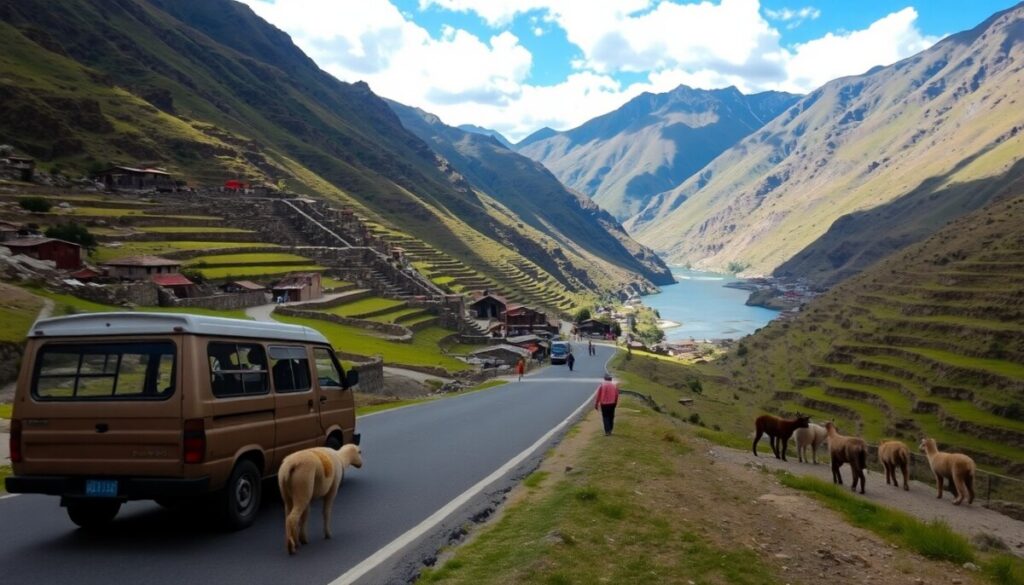
A Sacred Valley road trip works best when you treat it as a Cusco-based planning decision, not just a scenic drive. The right route depends on how many days you have, how confident you feel on mountain roads, and how much time you want for stops like Pisac, Ollantaytambo, and Moray.
At a glance
- Start from Cusco and plan around altitude, daylight, and road conditions.
- Choose a 3-Day To 7-Day loop based on how many sites you want to visit.
- Book an appropriate rental car early and confirm fuel, insurance, and pickup details through this road trip rental guide.
- Check weather, closures, and any permit or road-use rules before departure.
What Kind Of Sacred Valley Trip Makes Sense?
If you are deciding whether to drive the Sacred Valley yourself, the key question is simple: do you want a flexible route with your own stops, or a faster transfer that keeps the trip compact? Self-driving makes the most sense for travelers who want to pause often, carry luggage easily, and explore side roads between Cusco and the valley towns.
For broader planning advice before you finalize the route, pair this guide with practical road-trip planning tips. That helps with pacing, budget, and trip structure before you commit to a vehicle.
| Trip length | Best for | Typical focus | Good fit? |
|---|---|---|---|
| 3 Days | First-time visitors with limited time | Cusco, Pisac, Ollantaytambo, one scenic detour | Yes, if you want the essentials only |
| 4 Days | Travelers who want better pacing | Add Moray and Maras, more stop time | Best balance for most drivers |
| 5 Days | Slow travelers and photographers | More viewpoints, villages, and flexible lunch stops | Strong choice for a relaxed drive |
| 7 Days | Travelers combining the valley with nearby Peru highlights | Deeper exploration, flexible weather buffer, extra rest time | Best if you want a broader trip, not just a drive |
Best Routes, Road Conditions, And Vehicle Choice
From Cusco, the most practical Sacred Valley driving pattern is usually a loop that links the main valley towns rather than trying to rush through every stop in one day. The road network is workable, but the experience changes fast with weather, traffic, and altitude.
Pisac To Urubamba
Useful for travelers who want to break the route into manageable segments and avoid overpacking one day.
Urubamba To Ollantaytambo
A convenient stretch for more sightseeing, better food stops, and access to the rail link toward Machu Picchu.
The roads are not difficult in the same way as remote mountain tracks, but they do reward caution. Expect elevation changes, occasional narrow sections, slower local traffic, and weather that can shift quickly. If you are booking a rental, a compact SUV or sturdy small crossover is often the sweet spot: comfortable, manageable, and better suited than a low-slung car for rougher patches or unpaved pull-offs. If you want to compare rental options more broadly, the page on choosing the right rental car is a useful companion read.
When To Go And What To Check Before You Leave
Timing matters as much as route choice. In the dry season, roads are usually more predictable and visibility is better for scenic stops. In the wetter months, you should expect slower driving, occasional delays, and more reason to leave extra margin in your day.
| Planning factor | What to do | Why it matters |
|---|---|---|
| Weather Window | Check forecasts for Cusco and the valley towns before departure | Rain and visibility can change driving pace and photo stops |
| Closures Or Advisories | Verify current road notes and any local restrictions | Small disruptions can affect your schedule more than you expect |
| Permits Or Rules | Confirm whether any site-specific rules apply at your planned stops | Some attractions and access points may have separate conditions |
| Departure Time | Leave early, especially on a multi-stop day | Morning starts give you daylight, calmer roads, and more flexibility |
The protected guidance above is the right starting point: confirm conditions before you go, then build the day around the most reliable driving window. That approach is especially helpful if you are combining sightseeing with a rental pickup and do not want unnecessary pressure on your first day in the region.
What To Pack For The Drive
The original article spent too much time on generic packing language. For the Sacred Valley, the useful checklist is more specific: altitude-ready, weather-ready, and road-ready.
Altitude And Comfort
Carry water, light snacks, and layers. Cusco’s elevation can make a full day feel longer than the map suggests.
Road-Day Essentials
Bring a phone charger, offline maps if you use them, a small first-aid kit, and documents for the car and driver.
Weather Protection
Pack a rain layer, sun protection, and shoes that handle uneven ground if you plan to stop at ruins or viewpoints.
If you are still comparing travel styles, the page on car rental versus public transport can help you decide whether the flexibility is worth it for your itinerary.
Where To Book Next
If your trip is locked in, the best next step is to line up the rental and keep your route flexible. Start with the road-trip booking page, then confirm pickup timing, insurance, and mileage before you finalize hotel nights in the valley.
Questions Travelers Ask Before Driving The Sacred Valley
Is It Better To Drive The Sacred Valley In One Day Or Stay Overnight?
One day works for a focused highlights run, but overnight stays are better if you want less rushing, easier photo stops, and more time for ruins, markets, and meals.
What Type Of Rental Car Is Best?
A compact SUV or small crossover is a smart all-around choice for comfort and road confidence. If your plans stay on main paved routes, you do not need anything oversized.
Should I Worry About Altitude?
Yes, but in a practical way. Start slowly, hydrate, and avoid overloading the first day with too many stops. The drive is more enjoyable when you give yourself time to adjust.
How Far Ahead Should I Book?
Book as soon as your dates are firm, especially if you want a specific pickup time or vehicle type. For Peru trips that combine multiple destinations, the best inventory often goes first around peak travel periods.

Clara Bennett is a passionate writer and expert in the world of car rentals, focusing on providing insightful guidance for affordable options available online. With years of experience in travel and a keen understanding of the industry, she aims to simplify the car rental process for her readers. Clara’s engaging articles and practical tips help travelers navigate the complexities of securing the best deals, making her a go-to resource for anyone looking to save money on their next adventure.




Your emphasis on careful planning resonates with the experiences many travelers have faced. I recall a road trip I took to the Pacific Northwest, where a bit of advance research on weather conditions and local regulations significantly enhanced our journey. For instance, checking road closures ahead of time helped us avoid frustrating detours, and understanding park entrance rules enriched our exploration of natural wonders.
Planning a road trip is like prepping for a first date—you’re excited, a bit anxious, and you really hope it doesn’t end with a flat tire! The Sacred Valley sounds like an incredible place to explore, but I agree that knowing the weather and any permits feels like ensuring you can make it past the ‘mom test’: if she wouldn’t be proud of your planning skills, did you really plan at all?
Your insights on the importance of planning for road trips resonate deeply with me. In my experience, a well-structured itinerary not only enhances safety but also allows for a more immersive experience with the surroundings. When I took a road trip along the Pacific Coast Highway last summer, I made sure to research not just the landmarks but also the local cultures and potential road conditions. It transformed the road trip from merely traveling between points to a rich exploration of diverse communities and breathtaking landscapes.
I truly resonate with your emphasis on planning when it comes to embarking on road trips, especially to locations as inspiring as the Sacred Valley. The blending of nature’s beauty with cultural significance makes such locales worth exploring, but preparation can truly elevate the experience—transforming it from just a trip into a memorable adventure full of rich storytelling.
The emphasis on planning your adventure, particularly in the context of a road trip to a destination as unique as the Sacred Valley, is certainly an important aspect that often gets overlooked. I find it interesting how the act of planning not only impacts the logistics of a trip but also shapes our overall experience. A well-laid plan can indeed save us from potential pitfalls, such as unfavorable weather or unexpected road closures, which can derail even the most enthusiastic travelers.
Planning a road trip indeed serves as a foundation for an enriching adventure, especially in places as culturally rich and visually stunning as the Sacred Valley. When we take the time to prepare, we not only enhance our safety but also unlock the potential for unique experiences along the way. For instance, there might be local festivals or hidden gems that aren’t typically on the tourist map, which can transform a routine itinerary into a memorable journey.
I really appreciate your emphasis on the importance of planning for road trips. It’s something I’ve come to realize over the years, especially during my own adventures. For instance, on a trip to the Pacific Northwest last summer, I thought I could wing it by just picking a destination each day. It turned out that several attractions had limited hours or were closed on certain days, which made for some frustrating detours.
Ah, the sacred art of planning a road trip! It’s like trying to read a GPS while simultaneously cooking spaghetti—important, yet slightly chaotic. I once set out on a “spontaneous” trip only to realize halfway through that my grand plan of winging it didn’t include a map or any food supplies. Spoiler alert: it ended with a questionable gas station snack and an impromptu hiking expedition.
Planning a road trip really does have that delicate balance of excitement and chaos, doesn’t it? Your spaghetti analogy hits the nail on the head. I think there’s a certain joy in the unpredictability of travel—there’s something magical about being on the road with a vague destination and the open sky above you. Still, it’s funny how those “spontaneous” adventures can turn into a test of our resourcefulness.
Your emphasis on planning resonates deeply with me, especially when it comes to road trips. I’ve found that taking the time to research potential routes, weather conditions, and even local attractions can transform a trip from a simple drive into a rich and immersive experience. For instance, during a recent road trip through the Pacific Northwest, I discovered hidden gems near my planned routes that I would have completely overlooked without some prior digging.
What a fantastic guide to planning a road trip through the Sacred Valley! I love how you emphasize the importance of treating it as more than just a scenic drive. The Sacred Valley is such a treasure trove of culture, history, and breathtaking landscapes, and planning effectively really does enhance the experience.
I really appreciate how you emphasized treating a Sacred Valley road trip as more than just a scenic journey. It’s fascinating how places like Pisac and Ollantaytambo each have their own unique stories and cultural significance, and planning around them can make the experience more enriching. I remember when I took a similar road trip, I found that allowing for spontaneous stops often led to the best memories—like stumbling upon a local market in one of the smaller villages.
Your insights on planning a road trip through the Sacred Valley highlight the importance of thoughtful preparation, especially regarding altitude and road conditions. I recently took a similar journey, and treating it as more than just a drive transformed the experience for me. We scheduled our stops at local artisan markets and even set aside time to chat with locals about their traditions, which added a rich layer of cultural immersion beyond just sightseeing.
You bring up some really key points about planning a road trip in the Sacred Valley. Last year, I did a similar trip, and it made such a difference to start my planning from Cusco. We ended up adjusting our itinerary as we went along, especially after hearing locals recommend hidden gems that weren’t on my original list—stopping by a small village for lunch was a highlight!
Your insights on planning a Sacred Valley road trip are spot on! I completely agree that it’s not just about the drive; it’s about an immersive experience that requires thoughtful preparation. I found that blending sightseeing with a bit of local culture can really enhance the journey. For instance, during my visit, I made sure to stop at small markets along the way—like the one in Pisac—where I could chat with artisans and sample authentic Peruvian snacks. It added a personal touch to the trip that I didn’t expect.
This is a compelling take on planning a trip to the Sacred Valley. As someone who has navigated the mountainous terrain before, I can appreciate how vital it is to consider not just the scenic allure of the route, but also the practicalities involved. The emphasis on altitude and road conditions resonates deeply with my experience—during my visit, I encountered both beautiful landscapes and some challenging driving situations that required careful planning.
Your insights on approaching a Sacred Valley road trip from a Cusco-centered perspective resonate deeply with my own experience of exploring that captivating region. It’s crucial to acknowledge that the journey is more than just a series of stunning vistas; it’s a tapestry of culture, history, and connection with the land itself.
Your insights on approaching a Sacred Valley road trip from a Cusco-based planning perspective are incredibly valuable for anyone considering this journey. It’s true that this trip is so much more than just a scenic drive; it offers a tapestry of cultural experiences intertwined with the breathtaking landscapes of the Andes.
This is such a helpful breakdown for planning a Sacred Valley road trip! I particularly appreciate the emphasis on aligning our route with altitude and road conditions. During my last trip, we underestimated the altitude and ended up scrambling for altitude sickness remedies in Cusco! Planning those stops at Pisac and Ollantaytambo not only enhances the experience but allows for some amazing cultural immersion.
I’m so glad to hear the breakdown was helpful for your road trip planning! It’s really easy to overlook altitude until you’re right in the thick of it. A lot of travelers have that moment when they arrive in Cusco and start feeling the effects. I can’t blame you for scrambling for remedies—I’ve been there too. You think you’re just feeling a bit sluggish, and then suddenly you’re googling the best local remedies.
I love that you emphasized planning along with enjoying the scenery! On my recent trip, I found that stopping at Pisac not only broke up the long drive but also allowed me to immerse myself in local culture through the market. It’s fascinating how these little detours can transform the experience. I also discovered that going in the shoulder season helped avoid crowds, making sites like Ollantaytambo feel more magical. Has anyone else explored different times of year, and how did it change your journey?
I appreciate your focus on treating the Sacred Valley road trip as more than just a scenic drive; it’s truly an adventure that intertwines planning and exploration. During my own travels in the Andes, I found that the journey is as enriching as the destinations themselves. Each stop, whether it’s the vibrant market in Pisac or the breathtaking ruins of Ollantaytambo, offers a unique glimpse into the culture and history of the region.
Your insights on planning a Sacred Valley road trip from Cusco are spot on. Having just returned from a similar journey, I can attest to the importance of factoring in altitude acclimatization, especially when visiting sites like Ollantaytambo, which can leave you breathless—not just from the beauty! I found scheduling visits in the early morning not only helped avoid larger crowds but also allowed us to appreciate the serene atmosphere at places like Moray.
Your insights on approaching a Sacred Valley road trip as a meticulous planning exercise resonate deeply with my recent experiences. When I traveled to Cusco last year, I approached the trip with excitement, but I quickly learned that treating it merely as a scenic drive could lead to great disappointment. The altitude, in particular, was a surprising challenge—something that isn’t always fully appreciated until you experience it firsthand. I remember feeling a wave of fatigue that I hadn’t anticipated, even while just driving around the beautiful landscapes.
Ah, the Sacred Valley! I like to think of it as the ultimate test of endurance—both for your driving skills and your ability to resist the urge to stop every five minutes for yet another breathtaking view or a stray llama selfie. I learned the hard way that altitude affects not just your breath but your decision-making too; I might have accidentally booked a ten-day detour through remote villages just because I got a little too enthusiastic with planning!
You’ve hit on something really important with the whole road trip planning concept! I remember when I took a similar trip through the Sacred Valley; the experience was so much more enriching because I dove into the history and culture of each stop rather than just treating it like a checklist.
Your insights on planning a Sacred Valley road trip from Cusco truly highlight the importance of a strategic approach rather than merely seeing it as a picturesque getaway. Having traversed similar landscapes, I resonate with the emphasis on being mindful of altitude and road conditions. In fact, I recall a trip where overlooking these factors led to unforeseen challenges, illustrating the necessity of well-informed planning.
You bring up a really good point about the realities of planning a trip—it’s easy to get caught up in the beauty of a place and forget about the practical stuff. I’ve had my fair share of headaches due to altitude sickness and rough roads, turning what should’ve been an easy ride into a memorable (but not in a good way) experience.
I really appreciate how you emphasized planning around altitude and road conditions—it’s such an easy aspect to overlook when you’re daydreaming about all the beautiful spots to visit! I’ve done a few road trips in mountainous regions, and I can definitely relate. It’s not just about the destinations; feeling comfortable driving on those winding roads makes a huge difference in the experience.