
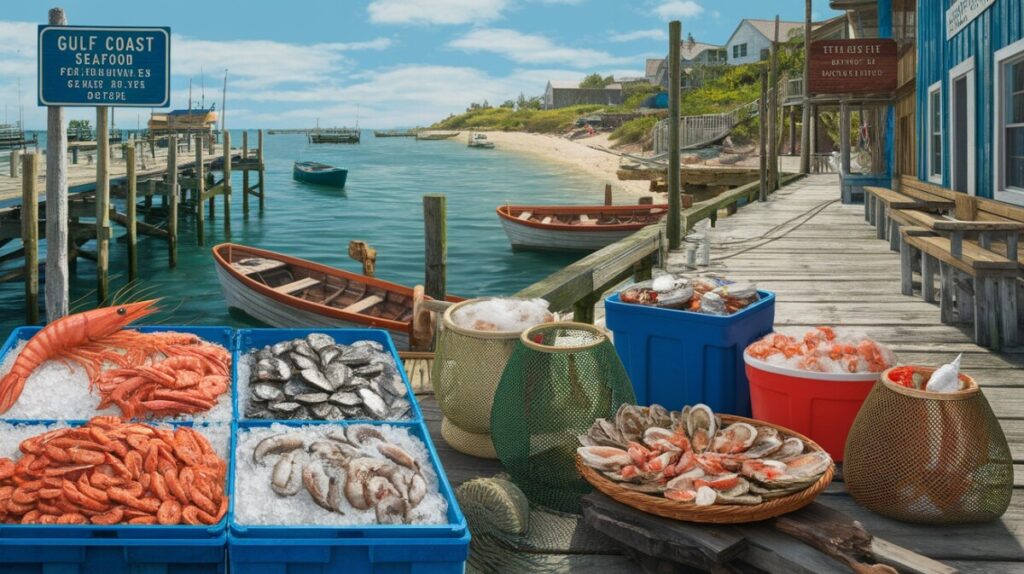
A Gulf Coast seafood trail works best when you treat it like a route-planning trip first and a tasting trip second. Pick a short stretch of coast, time it for the right season, and confirm any weather, closure, or advisory issues before you book anything.
Use this quick decision aid
- Best For travelers who want fresh seafood stops, scenic coastal drives, and a flexible day or weekend route.
- Best Route Shape one main coastal corridor with 3–5 planned stops, not a long zigzag between towns.
- Reserve Ahead When you want a popular dinner spot, a holiday weekend table, or a guided tasting experience.
- Check First weather, tide-sensitive access, local seafood seasonality, and any beach, pier, or harvest advisories.
- Good Fit For Renters yes, especially if you want to cover multiple towns in one trip without relying on fixed transit.
If you are also planning the driving side of the trip, the broader USA road trip routes hub is a useful starting point, while the more focused East Coast lighthouse drive page is a good comparison for coastal route pacing and scenic-stop planning.
What A Gulf Coast Seafood Trail Actually Is
A Gulf Coast seafood trail is a self-driven food route that links markets, oyster bars, shrimp docks, fish shacks, and destination restaurants along the coast. The appeal is not just the meal; it is the ability to plan a route where the stops, driving time, and seafood season all work together.
That matters because the best seafood stops are often spread across several towns. A good plan keeps the day relaxed, avoids long backtracking, and leaves room for a market visit, a dockside lunch, and one dinner reservation that is worth keeping.
Route Planning That Works
- Choose one coastal stretch and build outward from a single base.
- Limit the day to a few meaningful stops instead of chasing every recommendation.
- Mix one market stop, one casual lunch stop, and one nicer dinner stop.
- Leave extra time if your route depends on tide, ferry timing, or limited opening hours.
Best Time To Go And When To Book
Timing changes the whole experience. Spring and fall are usually the easiest windows for comfortable driving, fewer weather disruptions, and a better pace between stops. Summer can still be excellent for seafood, but you will want earlier reservations and more flexibility around storms, traffic, and weekend crowds.
If your trip includes a rental car, it is worth choosing one that matches the route rather than the restaurant list. The online car rentals guide for tech features can help if you want navigation, backup safety tools, and a calmer long-drive setup.
How To Build The Route Without Overcomplicating It
Start by identifying the seafood style you want most. Some travelers want oyster bars and dockside shacks; others want shrimp boils, fish plates, or a restaurant-heavy route with a stronger dining focus. Once that is clear, choose the part of the Gulf Coast that fits the drive time you actually have.
A route becomes easier to manage when you keep the geography simple. Clusters of towns are better than a scattered list, because they reduce driving fatigue and give you more freedom to linger when a stop is better than expected.
The original article spent too much time on generic travel language, but the useful core is still here: research local seafood hotspots, build around scenic drives, and allow room for cultural stops that actually improve the trip. That is especially important on the Gulf Coast, where weather, operating hours, and seasonal availability can change the best option from one week to the next.
What To Look For In The Best Stops
The strongest seafood trail stops usually share a few traits: a clear local specialty, simple access from your route, and enough turnover that the food feels fresh rather than overbuilt for tourists. A good mix can include a market, a casual counter-service lunch, and one sit-down meal with a stronger regional identity.
- Search for places known for Gulf shrimp, oysters, or local fish instead of choosing only from broad generic lists.
- Favor stops with easy parking if you plan to move between towns in a single day.
- Check opening hours carefully, especially outside peak season.
- Look for straightforward menu boards and local sourcing details when possible.
Safety, Weather, And Practical Prep
A seafood trail drive is easier when you prepare for ordinary road-trip issues instead of assuming every stop will run on the same schedule. Check the vehicle, confirm weather before you leave, and keep enough flexibility to skip a stop if conditions change.
The protective steps in the original post were directionally right, but they matter here only because they make the route more reliable. That is the real planning job: keep the trip easy enough that you can focus on the seafood and the coast instead of fixing avoidable problems mid-drive.
Planning to drive the trail yourself?
For a route like this, a rental should support flexibility, parking, and comfortable coastal driving. If you are comparing options, start with the broader road-trip planning context and then refine by vehicle features that make stop-to-stop travel easier.
Frequently Asked Questions
What Is A Gulf Coast Seafood Trail?
It is a coastal driving route built around seafood stops such as markets, oyster bars, shrimp houses, and restaurants, usually planned to fit one day or a weekend.
What Should I Book In Advance?
Reserve popular dinner spots, holiday-weekend tables, and anything that has limited seating or a fixed tasting time.
What Gear Do I Need For The Drive?
A cooler or insulated bag, water, snacks, a charger, and a simple navigation backup cover the basics well.
Are Seafood Trail Drives Good For Road-Trippers?
Yes, especially if you enjoy scenic driving, flexible stops, and a food-focused trip that is easy to adapt around weather and local hours.

Matthew Thompson is an accomplished author specializing in topics related to budget travel and cheap car rental options. With a keen eye for detail and a passion for helping travelers save money, he shares valuable insights on navigating the complexities of online car rental services. Matthew’s work not only provides practical tips but also empowers readers to make informed decisions, ensuring they enjoy memorable journeys without breaking the bank.




Your take on the Gulf Coast Seafood Trail really resonates with me! Combining scenic exploration with culinary experiences is such a beautiful way to appreciate local culture and food sustainability. I’ve always found it fascinating how local seafood specialties can tell stories about the region’s history and community.
I love the idea of blending culinary exploration with scenic drives—there’s something so refreshing about savoring local seafood while taking in beautiful landscapes. It reminds me of my last trip along the coast, where I stumbled upon a hidden gem of a seafood shack that served the best shrimp po’ boys. The experience of eating local, sustainable food in a picturesque setting is something that stays with you.
I truly appreciate your take on the Gulf Coast Seafood Trail! It’s such a fascinating concept that beautifully intertwines culinary exploration with an appreciation for local culture and the environment. I absolutely agree that the Seafood Trail Drives are more than just a dining experience; they really reflect the rich history and traditions of the coastal communities.
I love the idea of combining a scenic drive with local seafood delicacies! It reminds me of my recent trip along the coast where I stumbled upon a small fishing village. The local seafood market was not just about the fresh catch, but also about the stories shared by the fishermen, which added so much depth to the experience.
Sounds like your trip was a real catch! Those small fishing villages have a charm that’s hard to replicate—kind of like the perfect fish taco; it’s all in the details. The stories the fishermen share are like the seasoning that transforms a good meal into a memorable experience.
You’ve captured the essence of those fishing villages beautifully. There’s something so grounding about the simplicity and authenticity of the local communities. Each fisherman has a history that adds depth to their craft—it’s not just about catching fish; it’s about a way of life, lessons passed down through generations.
I really love the idea of a Seafood Trail Drive! Combining the thrill of a road trip with local cuisine sounds like an awesome way to explore. I remember doing something similar along the coast, stopping at little shacks and markets to try the freshest catch.
I love the idea of combining culinary exploration with scenic drives along the Gulf Coast! It’s such a unique way to experience a region—getting to taste local seafood while enjoying beautiful views. I recently took a trip along a similar trail and found that the small, family-run seafood shacks often have the best catches of the day. The stories behind the food really enhance the experience, too.
Your insights into the Seafood Trail Drive as a combination of culinary adventure and cultural exploration resonate with me on multiple levels. I find the structured approach you’ve proposed, utilizing a decision checklist, particularly intriguing. It underscores the importance of thorough planning, especially in light of the unpredictable nature of both weather and unique local regulations that can significantly affect the experience.
I appreciate how you highlighted the balance of scenic exploration with culinary delights along the Gulf Coast Seafood Trail. It really resonates with me—there’s something special about discovering local flavors that tell a story of the region. I recently went on a similar adventure where I not only enjoyed fresh seafood but also learned about sustainable fishing practices from the vendors. It’s fascinating how culinary experiences can deepen our connection to the local culture.
I really appreciate how you highlighted the importance of planning in your Seafood Trail Drives. It seems like the excitement of discovering new culinary gems can sometimes be overshadowed by logistical challenges. Your step-by-step checklist is a fantastic way to navigate those potential bumps in the road, ensuring a smoother experience.
The concept of combining culinary exploration with scenic drives, like the Gulf Coast Seafood Trail, is indeed a fascinating way to appreciate both local cuisine and culture. Planning ahead with considerations like weather and permits is crucial, especially in regions where seafood availability can fluctuate due to environmental conditions.
The Seafood Trail Drive indeed sounds like a wonderful blend of culinary delight and scenic beauty. I appreciate how you’ve highlighted the importance of thorough planning—it’s so easy to overlook the little details that can enhance the experience. Each seafood spot often tells a story of the local culture, and I think that adds depth to the adventure.
I really enjoyed reading about the Seafood Trail Drives! It’s so true that they’re not just about food but also about connecting to the culture and environment of the area. I went on a similar trail down the coasts of Florida last summer, and I was amazed at how each spot had its own unique take on seafood. From shrimp tacos in a beach shack to fine dining with locally-sourced fish, it really opened my eyes to the diversity of flavors and cooking styles.
This is such a refreshing take on planning a seafood adventure! I love the idea of prioritizing route planning before diving into the culinary experiences. It’s so true that the right timing can make all the difference—especially when dealing with seafood seasonality. I once planned a trip along the Alabama coast and learned the hard way that not all spots are open year-round.
I appreciate the emphasis on thoughtful planning before diving into a Gulf Coast seafood adventure. It’s so easy to get swept up in the excitement of seafood tastings, but as you pointed out, timing and local conditions play a critical role in the experience.
This approach to the Gulf Coast seafood trail reflects a smart blend of planning and spontaneity that can make all the difference in a culinary journey. As someone who has explored coastal culinary routes before, I completely agree that striking the right balance between route planning and flexibility is essential.
I appreciate how you emphasize the importance of planning with a seafood trail trip. I’ve found that the joy of tasting local cuisine really is enhanced when you take the time to craft a thoughtful itinerary. A few years ago, I explored the Florida coast and stumbled upon some hidden gems that didn’t show up on mainstream travel guides. It was during the off-season, which meant shorter waits and fresher catches!
This approach to planning a Gulf Coast seafood trail really resonates with me. I’ve often found that the best food experiences come not just from great culinary choices but also from the journey itself—the scenic drives, the salty air, and the anticipation of a delicious meal. Prioritizing stops and timing for local seafood seasonality is so crucial, especially to appreciate the freshness that each place offers.
You make some really practical points about planning the Gulf Coast seafood trail! I love the idea of treating it as a route-planning trip first. There’s something special about the anticipation of mapping out stops, especially when they include local favorites you’ve heard about.
The concept of a Gulf Coast seafood trail is not only appealing for its gastronomic delights, but also for the deeper journey it represents in terms of regional culture and community connection. Your emphasis on planning the route with care—selecting a manageable stretch of coastline with 3–5 well-chosen stops—strikes me as essential. This approach allows travelers to absorb the unique character of each locality, rather than just bolting from one destination to another.
Your guide to navigating a Gulf Coast seafood trail resonates with me, especially the emphasis on planning ahead. I recently undertook a similar journey along the Alabama coast and found that timing my stops around local seafood festivals made a huge difference in both the experience and the options available. For instance, visiting during the oyster season allowed for some truly memorable tastings.
Planning a Gulf Coast seafood trail sounds like such a delightful experience! I love the idea of treating it first as a route-planning trip; it makes the whole experience feel like an adventure waiting to unfold. One of my favorite memories was exploring the Oregon Coast, where we similarly plotted out our stops—and the spontaneous side trips turned out to be some of the best highlights.
This is such a thoughtful guide! I love the idea of prioritizing route planning before diving into the seafood tasting. It reminds me of my last trip down the coast where we made the mistake of not checking ahead on local recommendations. We ended up at an overrated spot—and totally missed out on an amazing hidden gem just a few miles down the road.
This is a fantastic approach to planning a seafood trail! I love the emphasis on treating it as a route-planning journey first. Last summer, I tried something similar along the Gulf Coast, and it made all the difference being flexible with our stops, especially with the local seafood spots that have limited hours.
Ah, the joys of planning a seafood pilgrimage! It’s like setting out on a treasure hunt but instead of gold doubloons, you’re after perfectly grilled shrimp and the elusive soft-shell crab. I totally agree with the idea of treating it like a route-planning trip first; nothing’s worse than pulling up to a seafood shack only to find it closed for “seasonal maintenance” or, worse yet, totally out of hush puppies!
Planning a seafood pilgrimage really does feel like a quest for hidden gems, doesn’t it? Each stop can be like uncovering a culinary treasure. I hear you on the seasonal maintenance woes—nothing throws off a seafood hunt quicker than showing up to a closed shack. A good tip is to check online for current hours and reviews before you hop in the car; sometimes locals share when places might be closed for updates or just running low on fan favorites.
This approach to a Gulf Coast seafood trail is so refreshing. I appreciate the emphasis on planning ahead—it’s something I’ve learned the hard way during previous trips. A few years ago, I set out for a weekend getaway without considering local advisories, and it turned into a scramble for dining options. The idea of a main coastal corridor with just a handful of stops really resonates; it allows for deeper exploration and less stress.
This is such a great perspective on planning a Gulf Coast seafood trail trip! I’ve always approached food trips with this sort of ‘eat-first, plan-later’ mentality, but your suggestion to prioritize route-planning really resonates with me.
This idea of treating a Gulf Coast seafood trail as both a route-planning and tasting adventure is spot on! I couldn’t agree more with the emphasis on planning your stops wisely. I’ve found that some of the best moments during my travels come from the spontaneous discoveries, but having a solid plan for your main stops—especially those local seafood gems—ensures you don’t miss out on hidden treasures along the way.