
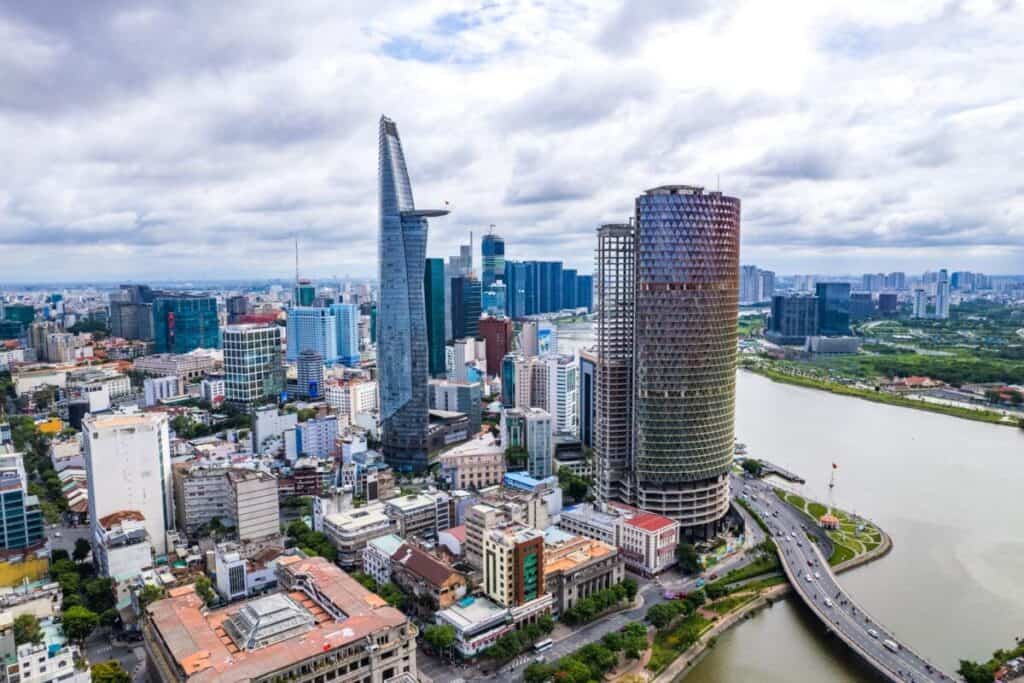
The Drive From Ho Chi Minh City To The Mekong Delta Is One Of Southern Vietnam’s Easiest Route-Based Trips To Plan. It works best for travelers who want flexibility, local stops, and a clearer sense of the region than a rushed day tour can provide.
If you are comparing trip style, start with this practical note and then check the vehicle and booking features that make self-drive planning easier. The right car, timing, and route choice matter more here than flashy sightseeing extras.
What To Know Before You Go
The best way to think about this trip is simple: leave Ho Chi Minh City early, keep the route flexible enough for breaks, and plan a return that avoids the heaviest traffic. The Mekong Delta is close enough for a day trip in some cases, but it becomes much more rewarding when you give it time for markets, river crossings, and a slower pace.
For travelers who like independence, a road trip is often more useful than a fixed tour. You can stop for food, shorten or extend the day, and adjust around weather or road conditions. If you are still deciding whether to drive or ride with a guided operator, the safest rule is to choose the option that matches your comfort with traffic, navigation, and local driving conditions.
Quick Planning Check
- Best For travelers who want a flexible southern Vietnam road trip with food and river stops.
- Typical Approach depart Ho Chi Minh City early, avoid peak congestion, and build in rest stops.
- Most Important Prep fuel, navigation, and a clear plan for tolls, road rules, and weather.
- Worth It If you value freedom more than a fully packaged itinerary.
| Decision point | What to expect | Practical tip |
|---|---|---|
| Drive Time | Usually a few hours depending on your exact destination and traffic. | Leave early to protect your sightseeing time on arrival. |
| Road Conditions | Main highways are generally straightforward, but traffic near the city can slow the start. | Plan the first stretch carefully and avoid unnecessary rush-hour departure. |
| Rules And Permits | Check local driving rules, documentation, and any route-specific requirements before leaving. | Confirm details before pickup so your itinerary matches the vehicle you book. |
| Tolls And Fuel | You may encounter toll roads and periods where fuel stops are less frequent once you move away from the city. | Start with a full tank and keep some cash or payment method ready for road expenses. |
| Best Travel Window | Dry, stable weather is usually the easier time for a road trip, especially if you want comfortable stops. | Book earlier if your dates overlap with holidays or busy travel periods. |
Route Planning: How To Make The Drive Smoother
Route planning is less about finding a dramatic shortcut and more about keeping the day clean and predictable. The simplest plan is to depart Ho Chi Minh City before the busiest traffic builds, then choose a Mekong Delta destination that fits your pace. Some travelers want a direct route to a river town; others want to detour for culture, food, and short sightseeing breaks.
If you are building a broader road-trip mindset around this journey, it helps to read travel advice with the same practical lens you would use for any long-distance rental. A useful companion is this explanation of fuel policy basics, since fuel rules and refill habits matter on a route where you may not want to improvise at the last minute.
For road-based exploration, the main win is control. You decide when to stop, how long to stay, and whether to build the day around river scenery, local food, or one bigger destination. That flexibility is exactly why a drive can feel more satisfying than a compressed transfer.
Useful Stops And Route Logic
Not every stop needs to be a major attraction. The most helpful stops on this kind of trip are the ones that break up the drive without stealing the day: a place to stretch, a food stop with local dishes, a viewpoint over rice fields or waterways, or a cultural detour that adds context to the region. That is also where the Mekong Delta becomes memorable. The landscape changes, the pace softens, and the trip starts to feel like a transition rather than just a transfer.
- Food Breaks choose simple local meals rather than long sit-down detours if you want to stay on schedule.
- Market Stops useful when timing allows, especially if you want to see daily river trade and local rhythms.
- Cultural Stops temples, craft villages, and small community stops can add depth without creating a big delay.
- Scenic Pauses make sense if the weather is clear and visibility is good.
What To Pack, Check, And Confirm Before Departure
A clean departure checklist prevents most problems on this drive. Start with the vehicle itself: brakes, tires, lights, mirrors, and fuel level. Then check the documents and tools that actually reduce stress on the road. A GPS device or offline map setup is useful, but so is a charged phone, a backup cable, and enough water for the trip.
Because the route can move between busy city roads and quieter stretches, small issues become annoying quickly. It is better to spend ten minutes checking the vehicle than to lose an hour later to avoidable trouble. If you are renting, this is also the point where a clear pickup and inspection process matters, so a proper pickup inspection checklist is worth using before the keys are in your hand.
Keep These Items Close
- Water, light snacks, and basic first aid supplies
- Portable charger and charging cable
- Offline navigation backup in case signal drops
- Small amount of cash for tolls or roadside purchases
- Comfort items for longer stretches, such as sunglasses or a neck pillow
When To Go And When To Book
Timing changes the experience more than many travelers expect. Dry-season conditions usually make the road trip easier, especially if you want better visibility, simpler roadside stops, and less weather-related disruption. Rainy periods can still work, but they make spontaneity less pleasant if you are trying to keep a fixed schedule.
| Timing | What it means for the drive | Booking advice |
|---|---|---|
| Dry Season | More comfortable for road conditions, sightseeing, and river-side stops. | Book earlier if you want a specific car class or pickup time. |
| Rainy Season | Still possible, but slower and less predictable for scenic detours. | Leave extra time and keep your route flexible. |
| Holiday Periods | Traffic and availability can tighten quickly. | Reserve in advance and verify pickup conditions before arrival. |
Why The Drive Is Worth The Effort
The appeal of this route is not just the destination. It is the contrast between the city and the delta: dense urban energy gives way to waterways, rice landscapes, and a slower regional rhythm. That contrast makes the trip feel bigger than its mileage. You also get more direct contact with local food and daily life, which is often the part travelers remember most.
There are also practical benefits. A self-directed drive can reduce schedule pressure, let you pause where the day feels most interesting, and make it easier to adapt if weather or road conditions change. For some travelers, that flexibility is the main reason to choose the route at all.
Thinking About Booking A Car For The Trip?
Compare the booking details that matter most for route travel, then confirm your pickup plan before you leave the city.

Frequently Asked Questions
Can You Do The Mekong Delta On Your Own?
Yes, many travelers do it independently, especially if they are comfortable with navigation, local road conditions, and planning their own stops.
Is The Mekong Delta Worth Seeing?
Yes, especially if you want river scenery, local food, floating-market culture, and a slower southern Vietnam experience beyond the city.
What Is The Best Way To See The Mekong Delta?
The best approach depends on your travel style, but a self-drive road trip works well if you want flexibility; guided trips can be easier if you prefer not to manage traffic or route decisions.
What’s Special About The Mekong Delta?
Its waterways, agricultural landscapes, local markets, and river-based daily life make it one of the most distinctive regions in southern Vietnam.
Can I Wear Red In Vietnam?
Yes. There is no general rule against wearing red, though it is still smart to dress respectfully when visiting temples or formal cultural sites.

Samantha Price is a dedicated author and travel enthusiast who specializes in writing about affordable car rental options online. With a keen eye for detail and a passion for helping readers save money, she provides insightful tips and practical advice on navigating the world of cheap car rentals. Through her engaging content, Samantha empowers travelers to explore new destinations without breaking the bank, making their journeys both enjoyable and budget-friendly.




The journey from Ho Chi Minh City to the Mekong Delta holds such a special place in the hearts of many travelers, capturing not just the essence of Vietnam’s cultural tapestry but also the stunning natural beauty that defines the region. Your mention of the urban vibrancy of Ho Chi Minh City juxtaposed with the serene landscapes of the Mekong Delta beautifully encapsulates why this drive is as much about the journey as it is about the destination.
You’re spot on about the journey from Ho Chi Minh City to the Mekong Delta. It’s remarkable how traveling just a few hours can transport you from the bustle of city life to the tranquil waterways of the delta. The contrast really is striking—one moment you’re in the thick of a vibrant metropolis, with its noise and energy, and the next, you’re surrounded by lush greenery and the gentle sounds of nature.
The journey from Ho Chi Minh City to the Mekong Delta represents a remarkable fusion of urban life and natural beauty, showcasing Vietnam’s diverse cultural tapestry. Your mention of the importance of understanding permits and road rules before embarking on this trip highlights a critical aspect of travel planning that often goes overlooked. As more travelers seek immersive experiences, being aware of local regulations not only enhances safety but also enriches the overall journey by allowing deeper engagement with the destinations.
The interplay between urban energy and natural beauty, as you’ve highlighted with Ho Chi Minh City and the Mekong Delta, truly underscores the unique travel experience Vietnam offers. The contrast between the bustling streets of the city and the serene landscapes of the Delta is emblematic of the diverse cultural tapestry found throughout the country.
It’s fascinating how the drive from Ho Chi Minh City to the Mekong Delta encapsulates such a rich blend of urban energy and serene landscapes. I remember my own journey in that direction, where the vibrant streets of the city gradually transitioned into lush greenery and tranquil waterways. It really feels like stepping into another world.
The drive from Ho Chi Minh City to the Mekong Delta truly does offer a fascinating blend of urban energy and serene natural landscapes. Having made this journey myself, I can vouch for how impactful the transition is—from the bustling city streets to the tranquil waterways and lush rice paddies of the Delta. What stands out to me about this route is not just the scenery, but also the rich tapestry of culture that unfolds along the way.
The journey from Ho Chi Minh City to the Mekong Delta is undoubtedly a fascinating one, serving not just as a physical trip but also as a cultural and sensory experience. Your mention of the importance of permits and local regulations prompts a deeper reflection. It highlights how travel, especially through such culturally rich areas, requires not just enthusiasm but also an awareness of local customs and requirements. This is especially significant in Vietnam, where diverse cultures and practices overlap, and where respect for local traditions can enhance the travel experience.
The drive from Ho Chi Minh City to the Mekong Delta is indeed a captivating journey, not only for its natural beauty but also for the cultural experiences it offers along the way. However, I find it intriguing that while the post touches on practical aspects like permits and safety, it neglects to mention the potential cultural etiquette travelers should be aware of in the Mekong Delta. Understanding local customs can enhance interactions with communities, especially in rural areas where traditions are often still observed closely.
The journey from Ho Chi Minh City to the Mekong Delta is indeed a captivating experience, blending the hustle and bustle of urban life with the tranquil beauty of nature. I appreciate your emphasis on understanding the local permits and rules before embarking on this road trip. This attention to detail is vital, as it not only ensures compliance but also enhances the travel experience by allowing one to focus more on enjoying the landscapes and interactions along the way.
Your insights into planning a trip from Ho Chi Minh City to the Mekong Delta resonate with both my experience and my aspirations for future travels. The flexibility of a self-drive adventure is often underrated, especially when considering how deeply it enriches our understanding of a region. When I last made that journey, the best moments came unexpectedly—stumbling upon a quaint roadside market where local vendors sold fresh fruits and homemade snacks, or stopping to chat with fishermen by the river.
The journey from Ho Chi Minh City to the Mekong Delta indeed presents a compelling opportunity for travelers eager to experience the region at their own pace. As you pointed out, the importance of flexibility cannot be overstated, especially in a culturally rich area like the Mekong Delta, where local life unfolds vividly along the waterways and bustling markets.
I really appreciate your insights on the drive from Ho Chi Minh City to the Mekong Delta. It’s so true that having the flexibility to stop and explore local spots can transform the experience from just a journey into a deeper cultural immersion.
You’ve raised some crucial points about the Mekong Delta driving experience that I hadn’t fully considered before. Flexibility is indeed one of the most appealing aspects of traveling by car, allowing for spontaneous stops that can lead to some of the best and most authentic experiences—whether it’s a local market, a roadside food stall, or a quiet village not on the typical tourist path.
The journey from Ho Chi Minh City to the Mekong Delta indeed paints a vivid picture of Southern Vietnam’s rich tapestry of culture and natural beauty. As you rightly pointed out, this trip serves as an excellent opportunity for travelers seeking flexibility and a more authentic experience compared to standard tours. The ability to pause for local interactions—whether with vendors at a roadside market or residents in a riverside village—deepens one’s understanding of the region’s daily life and traditions.
I really appreciate the practical advice about driving from Ho Chi Minh City to the Mekong Delta! I’ve always found that having the freedom to stop and explore little places along the way adds so much to the experience. Last time I did a similar trip, I stumbled upon this tiny riverside market that wasn’t in any guidebook—just a few locals selling fresh produce and homemade snacks. It really highlighted the local culture in a way that a tour can’t match.
I found your insights about the drive from Ho Chi Minh City to the Mekong Delta to be particularly enriching. It’s a route I’ve been eager to explore, partly because of the opportunity to truly immerse oneself in the local culture. The emphasis you placed on flexibility really resonates with me. Oftentimes, the most memorable travel experiences come not from the planned stops, but rather from the spontaneous discoveries along the way.
Your insights about the drive from Ho Chi Minh City to the Mekong Delta truly resonate with my own experiences traveling in Vietnam. I agree that embracing the flexibility of a self-drive trip allows for spontaneous local stops, which can be the highlight of any journey. One memorable stop for me was in Ben Tre, where I stumbled upon a small coconut candy workshop. The family running it shared stories about their craft, and I left not just with treats but also a deeper appreciation for the local culture.
Ah, the open road! The Mekong Delta sounds like a perfect excuse to exchange the cacophony of Ho Chi Minh City for the serene whispers of riverside life. You’re spot on about the flexibility—there’s nothing like the freedom to spontaneously stop for a bowl of pho or barter for some quirky souvenirs from roadside vendors.
Your insights about the flexibility of the drive from Ho Chi Minh City to the Mekong Delta really resonate with me. I’ve always found that the journey itself is just as important as the destination, especially in a region as vibrant and culturally rich as southern Vietnam. I remember my last trip there, we opted for a self-drive and stumbled upon a charming local market along the way. The vendors were incredibly welcoming, and we got to try delicious homemade rice paper rolls—something I definitely wouldn’t have experienced on a rushed tour.
Your observations about the journey from Ho Chi Minh City to the Mekong Delta resonate deeply with the essence of exploring Vietnam. It’s intriguing how you highlight the preference for flexibility and local stops over the confines of a hurried tour. This approach not only allows for a more immersive experience but also fosters a deeper understanding of the region’s culture and day-to-day life.
This perspective on the drive to the Mekong Delta captures the essence of exploring Vietnam’s vibrant culture at your own pace. The freedom to make spontaneous stops can really enhance the experience—perhaps sampling street food in a local village or chatting with farmers about their daily lives.
Ah, the drive from Ho Chi Minh City to the Mekong Delta—a little slice of freedom on four wheels! You nailed it when you mentioned the flexibility factor. I remember my last road trip where we embraced the whimsical art of detours. We stumbled upon a local market that smelled of exotic spices and fresh tropical fruits. Let’s just say my snack game improved exponentially that day!
I completely resonate with the perspective you’ve shared about the journey from Ho Chi Minh City to the Mekong Delta. The flexibility of a self-drive trip can indeed lead to a much richer experience than the oftentimes hurried nature of guided tours. I remember embarking on a similar journey a couple of years ago, and it was enlightening to discover how the route itself unfolds a narrative of local culture and daily life, far removed from the touristy facade.
I love how you’ve highlighted the importance of a flexible itinerary on this trip! The journey from Ho Chi Minh City to the Mekong Delta really allows travelers to immerse themselves in the local culture. I once made this drive and found spontaneous stops at local markets and roadside food stalls to be the most memorable parts of the trip. There’s something special about chatting with locals and trying regional dishes like bánh mì or fresh coconut juice.
What a delightful rant about road-tripping from Ho Chi Minh City to the Mekong Delta! I must say, the idea of trading in the hustle and bustle of the city for some tranquility amongst the rice paddies and waterways sounds like my kind of detox – minus the avocado toast and overpriced lattes, of course.
Your post captures the essence of a road trip from Ho Chi Minh City to the Mekong Delta perfectly. I completely agree that the flexibility this journey allows is invaluable compared to the rigidity of packaged tours. It opens up opportunities for spontaneous exploration, and as you mentioned, local stops can truly enhance the travel experience.
I totally agree that the drive from Ho Chi Minh City to the Mekong Delta offers such a unique glimpse into the local life. On my last trip, we made a few spontaneous stops along the way—like a little roadside market where we tasted freshly made coconut candy. It felt so much more authentic than any tour could offer. I think that flexibility is key; it allows you to connect with the landscape and the people in a way that you just can’t rush through. How did you come up with your route? I really want to explore more local spots on my next visit!
I completely resonate with your take on the drive from Ho Chi Minh City to the Mekong Delta. It really is one of those journeys where taking it slow can yield some unforgettable experiences. I remember my own trip, where I intentionally strayed off the main path to explore some local markets and chat with the vendors. Those little interactions added so much depth to my understanding of the area and its culture.
I found your insights on planning the drive from Ho Chi Minh City to the Mekong Delta really resonant, especially your emphasis on flexibility and local stops. It’s so true that the rush of a guided day tour often detracts from the real essence of the journey. I remember when I took a similar drive last year; we left early in the morning and made a few spontaneous stops at local markets along the way. Those little detours not only gave us a taste of authentic Vietnamese culture but also allowed for some lovely conversations with the vendors, who were more than willing to share stories about their products and lifestyles.
Your post captures the allure of a flexible road trip through the Mekong Delta beautifully. I wholeheartedly agree that the journey itself is as enriching as the destination, especially when you have the freedom to pause and soak in the local culture. One of my fondest memories from a similar trip was stumbling upon a small roadside market where locals were selling fresh fruits and homemade snacks. It was a delightful reminder of the vibrant daily life in the regions we often overlook in a hurried tour.
Your insights on the flexibility of the drive from Ho Chi Minh City to the Mekong Delta resonate deeply with many travelers’ needs today. In a world where rushed itineraries often overshadow authentic experiences, having the freedom to explore local stops adds significant value to the trip.