
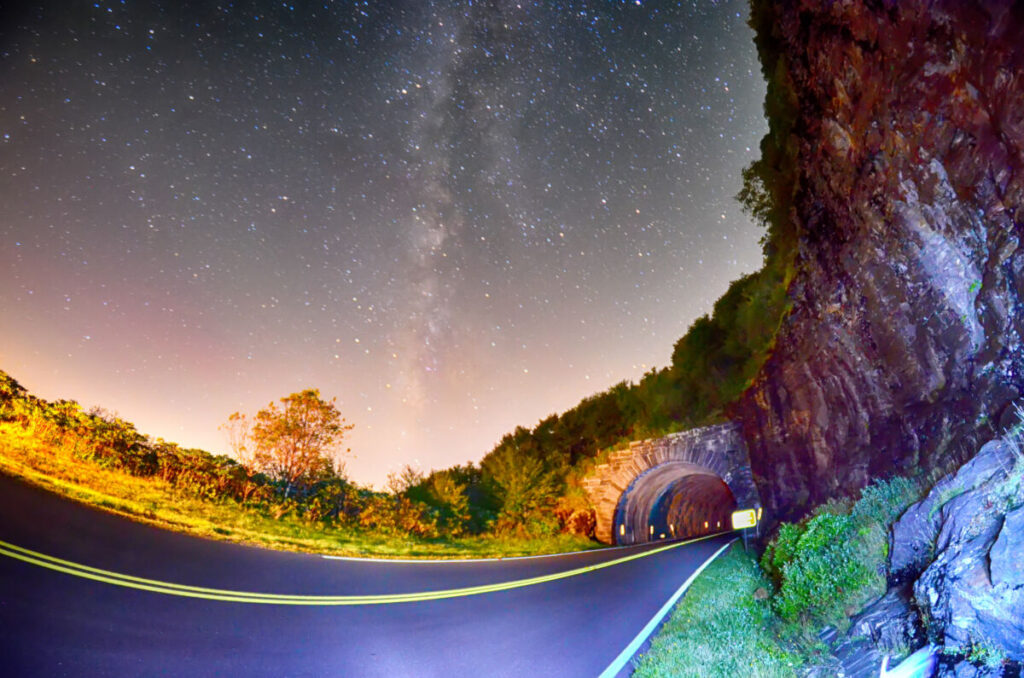
A Blue Ridge Parkway trip works best when you plan around distance, season, and road conditions rather than trying to fit in every overlook. The Parkway rewards slower driving, so the smartest itinerary is the one that matches your available days and the time of year.
If you are also sorting out transportation, start with this practical car-rental planning guide and then return to the route details below so the vehicle choice supports the drive instead of complicating it.
What To Know First the Blue Ridge Parkway is best for a relaxed scenic drive, not a high-speed road trip. Choose a shorter section if you only have one day, plan extra time for overlooks and short hikes, and check closures before you leave.
Planning The Right Blue Ridge Parkway Trip
The Parkway stretches across a long mountain corridor, so the most important planning decision is not “how do I see it all?” but “which section fits my time, season, and energy?” That is the difference between a smooth scenic drive and a rushed checklist drive.
The original guide’s strongest point is still valid: preparation matters. But for this destination, preparation should be practical and specific. Check road conditions, expected weather, visitor center hours, and any closures before you build your route. A flexible plan is better than a packed schedule because mountain driving, fog, and slow traffic can change your day quickly.
- Choose your section of the Parkway before you choose activities.
- Keep drive times conservative and allow for overlooks.
- Pack layers, water, snacks, and a paper backup for navigation.
- Leave room for short hikes, scenic pullouts, and unplanned stops.
If you want a broader road-trip framework for the logistics side, the advice in this rental-trip essentials guide transfers well to mountain travel, especially where weather and pickup planning matter. For a more route-centered mindset, this scenic road-trip guide is also useful as a comparison for pacing and stop selection.
Best Month, Road Conditions, And Booking Window
The best month depends on what you want to see. Fall is the most famous season because of foliage, while spring gives you blooms, milder temperatures, and fewer crowds. Summer offers the fullest access to outdoor activities, but it can also be busier and warmer. Winter can be beautiful, yet it is the least predictable for a full drive because of mountain weather and possible closures.
For timing, the earlier you book accommodations along a popular section, the easier the trip becomes. If you are targeting peak fall color, plan far ahead and expect the most competition for rooms near the most sought-after stretches. Spring and early summer usually give you a little more flexibility. For any season, it is wise to check official road updates within a few days of departure and again the morning you start driving.
What To See Without Overloading The Day
A good Blue Ridge Parkway itinerary combines one or two anchor stops with a few easy pullouts. That keeps the day from turning into a blur of parking lots and backtracking. The most rewarding stops are usually the ones that give you a clear payoff: a vista, a short trail, a visitor center, or a place to slow down and take in the mountain landscape.
The guide’s original sections on scenic overlooks, ranger programs, and trail breaks are worth keeping, but they work better when grouped around trip flow. For example, start the morning with one longer stop, add a few overlooks during the middle of the drive, and save a final viewpoint for late afternoon light. That pace makes the Parkway feel intentional instead of random.
- Short Stop scenic overlook or photo pullout.
- Medium Stop visitor center, picnic area, or easy nature trail.
- Long Stop a hike, cultural site, or town break near the Parkway.
For ideas on how to combine road time with a smarter route structure, this adventure-road-trip example shows how a scenic drive can stay relaxed without losing momentum. That same approach fits the Parkway well.
Practical Trip Prep, Including Rental-Car Choices
If you are flying in, renting a car can make the trip much easier because the Parkway is built for self-paced travel. The right vehicle does not need to be fancy; it needs to be comfortable, reliable, and sized for your group and gear. A midsize sedan is often enough for a standard scenic drive, while an SUV can be more comfortable if you expect extra luggage, cooler-weather layers, or a heavier hiking setup.
Before you book, compare pickup location, mileage policy, fuel rules, and insurance coverage. These practical details matter more than a flashy price tag, especially if your trip includes mountain roads, flexible timing, or multiple stops. If you want a deeper rundown of what to check before confirming a booking, this driving-rules guide is a good reminder that local road conditions always shape the best rental choice.
You can also use the same logic from broader travel planning: book early in busy seasons, confirm the pickup return times carefully, and choose the simplest vehicle that still feels comfortable for your route. That keeps the trip focused on the Parkway rather than on the rental desk.
Need A Smoother Start To The Trip?
Use a car that fits your route, your bags, and your schedule, then build the Parkway around that choice instead of forcing the drive to fit a rushed itinerary.
Common Mistakes To Avoid
The biggest mistake is treating the Parkway like a normal highway. It is not designed for quick point-to-point travel. Another common problem is underestimating how much time scenic stops add to the day. A route that looks short on a map can stretch once you include photos, short walks, and traffic near popular overlooks.
It is also easy to pack too much. A better approach is to pick your priority experiences early: perhaps one iconic view, one easy hike, one visitor center, and one good place for a meal. That gives the day shape without making it rigid. Finally, never skip the closure check. Mountain roads and trails can change quickly, and the best trip plans leave room to adapt.
- Do not count on highway-style speeds.
- Do not try to see every overlook in one pass.
- Do not book lodging without checking your exact route section.
- Do not leave weather and closures as a last-minute task.
Frequently Asked Questions
What Month Is Best For The Blue Ridge Parkway?
Fall is the most famous month range because of foliage, but spring is a strong alternative if you want lighter crowds and comfortable weather. Summer is best if you want long daylight, while winter is least predictable because of closures and icy conditions.
How Many Days Do You Need To Drive The Blue Ridge Parkway?
One day gives you a taste, three days works well for most travelers, and five days lets you slow down enough to enjoy multiple sections, hikes, and viewpoints without rushing.
How Much Does It Cost To Go On The Blue Ridge Parkway?
The drive itself is typically free, but your total trip cost depends on lodging, food, fuel, activities, and whether you rent a car. Peak-season lodging is usually the biggest expense to plan for.
If you want to compare this trip style with other scenic drives, the broader road-trip advice in this planning guide can help you think through pacing, but the Parkway still works best when you prioritize scenery over mileage.

Clara Bennett is a passionate writer and expert in the world of car rentals, focusing on providing insightful guidance for affordable options available online. With years of experience in travel and a keen understanding of the industry, she aims to simplify the car rental process for her readers. Clara’s engaging articles and practical tips help travelers navigate the complexities of securing the best deals, making her a go-to resource for anyone looking to save money on their next adventure.




It’s exciting to see such a detailed guide on planning a trip along the Blue Ridge Parkway! I completely agree that understanding the necessary permits and rules before hitting the road can save so much hassle later on. I once took a similar trip and learned the hard way about a permit required for certain scenic overlooks—definitely a lesson in planning ahead!
The emphasis on planning around permits and safety is spot-on for a trip along the Blue Ridge Parkway. I’ve often found that spontaneous road trips can lead to unexpected challenges, especially when navigating scenic byways. For instance, researching seasonal closures or specific regulations has saved me from potential detours that might have complicated my travel plans.
Your approach to planning a trip along the Blue Ridge Parkway resonates deeply with me, particularly the emphasis on adopting a methodical strategy that integrates multiple factors—permits, road conditions, and seasonal variations—before venturing out. It’s a refreshing reminder of the value of preparedness in the face of adventure. Trying to squeeze every overlook into a single itinerary often leads to disappointment and a frenzied pace that takes away from the beauty of the experience.
Your insights into planning a trip along the Blue Ridge Parkway resonate deeply with the reality of travel preparation. I’ve often found that the most memorable journeys are those taken at a slower pace. This is especially true on scenic routes where the landscape offers so much to absorb, and yet, the impulse to rush from one view to the next can diminish the experience.
This guide to planning a trip on the Blue Ridge Parkway resonates deeply with my own experiences. The emphasis on aligning your itinerary with the season and road conditions is crucial. I remember one trip where we rushed to see every overlook and completely missed the breathtaking beauty of the changing leaves around us. The slow drive truly enhances the experience, allowing time not just for the views but also for spontaneous moments—like witnessing wildlife or finding a hidden hiking trail.
I really appreciate your insights on planning a trip along the Blue Ridge Parkway. It’s so true that many travelers, myself included, have found ourselves caught up in the excitement of seeing every overlook, only to realize that it’s the leisurely pace that truly allows you to soak in the beauty of the landscape.
I really appreciate your detailed breakdown of planning a trip along the Blue Ridge Parkway. I completely agree with the emphasis on planning around the specific conditions of the route rather than trying to squeeze in every scenic overlook. I think it’s so easy to get caught up in the idea of seeing as much as possible, especially when you’re looking at stunning landscapes and viewpoints. But taking the time to enjoy the journey—slowing down, really absorbing the surroundings—is what makes trips like this so special.
I really appreciate how you’ve emphasized planning around the specifics of the Blue Ridge Parkway experience! It reminds me of how important it is to embrace the journey rather than just rush to hit every overlook. A couple of years ago, I took my time driving along the parkway during the fall. The weather was unpredictable, but that allowed for some of those spontaneous stops that turned out to be the highlights of the trip.
The way you’ve outlined the planning process for a Blue Ridge Parkway trip really highlights the importance of preparation. I completely agree with the emphasis on understanding local regulations and seasonal conditions before hitting the road. Last summer, I took a trip to the Parkway, and I was surprised by how much the weather impacted our experience. We had to adjust our itinerary last minute to avoid closures due to heavy rains, which ultimately led us to some lesser-known overlooks that were just as stunning.
Your insights on planning a Blue Ridge Parkway trip resonate with me, especially regarding the importance of aligning the itinerary with the season and road conditions. I’ve experienced the joy of slow driving there, taking the time to truly appreciate the views rather than rushing to tick off every overlook. Establishing a plan grounded in practical considerations, like permits or safety rules, is crucial for avoiding unexpected hiccups.
It’s refreshing to see such a comprehensive approach to planning a trip along the Blue Ridge Parkway. I completely agree that understanding the logistical aspects—like permits and road conditions—can make all the difference in ensuring a smooth journey. I recently took a similar trip and found that the best moments came when we weren’t rushing to see every overlook, but rather soaking in the scenery and savoring the journey itself.
Your insights on planning a trip along the Blue Ridge Parkway really resonate with me. I recently took a road trip through that area, and I can definitely attest to the importance of considering distance, season, and road conditions to make the most of the experience. It’s true that the Parkway’s allure lies in its scenic beauty that invites leisurely exploration rather than a rushed itinerary.
It’s refreshing to see the emphasis on planning and the practical considerations that can make or break a trip along the Blue Ridge Parkway. Your point about aligning the itinerary with road conditions and seasons resonates deeply with my own experiences. On my last trip, I found that taking the scenic drive at a slower pace truly allowed me to absorb the breathtaking views and serendipitously discover hidden gems off the beaten path, like local artisan shops and quaint cafes.
Your insights on planning for a Blue Ridge Parkway trip resonate deeply, especially the reminder to prioritize distance, season, and road conditions over simply checking off overlooks. I’ve always found that the journey itself often rewards those who are willing to slow down and truly immerse themselves in the experience. There’s something special about taking the time to appreciate the changes in the landscape as you travel, the wildflowers in spring, or the vibrant foliage in autumn.
Ah, the age-old battle between the allure of each stunning overlook and the time constraints of real life. It’s like trying to savor every last bite of a chocolate cake while also fitting it into your fit-relife regime—somehow you end up with frosting on your face and crumbs in your lap. Your advice to prioritize permits and safety first is like reminding a kid before a candy rush about the importance of adult supervision—essential but often ignored.
Your insights on planning a trip along the Blue Ridge Parkway are spot on. The challenge of balancing time, distance, and the allure of the overlooks is something every traveler encounters. It reminds me of how important it is to embrace the journey rather than just the destination. I’ve found that each stop along the Parkway can be an invitation to discover more about local culture or historical narratives that really enhance the experience.
Your insights on planning a trip along the Blue Ridge Parkway ring true. I’ve always found that taking the time to map out details like permits and potential tolls makes a world of difference in the overall experience. It’s so easy to get caught up in the beauty of the scenery and overlook the practical aspects that can either enhance or hinder the journey.