
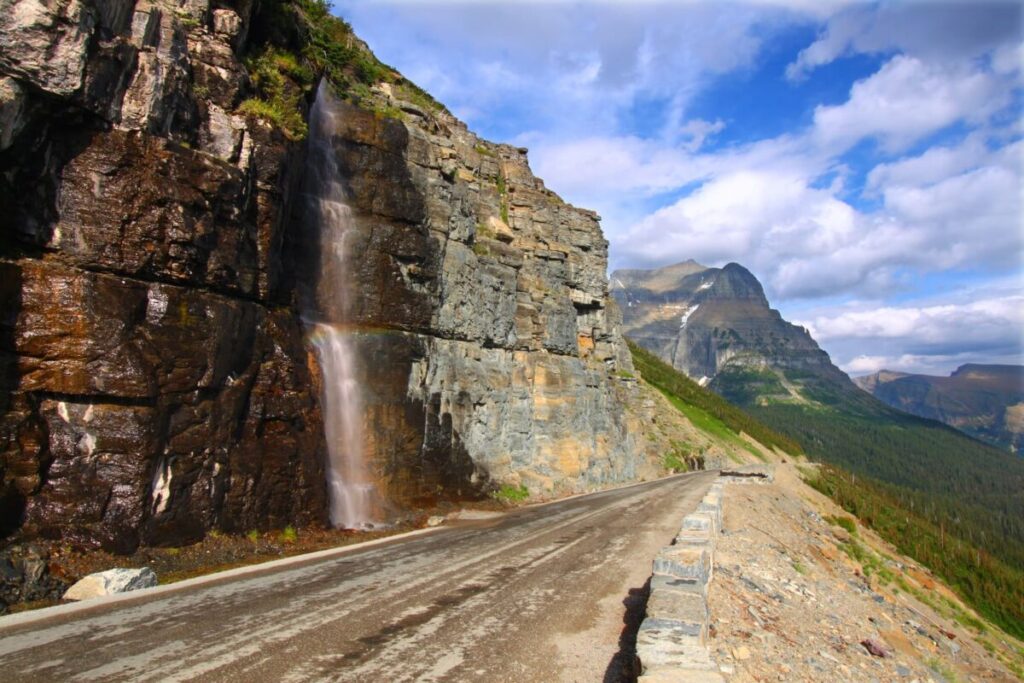
Going-to-the-Sun Road is Glacier National Park’s signature drive: a mountain route with alpine views, steep grades, and some of the park’s most memorable stops. If you’re planning the trip, the key details are timing, access, and what to expect on the road itself.
Quick Planning Note If you’re building a Glacier trip around this drive, it helps to pair it with a car that suits mountain roads. Our national park car rental guide is a useful place to start before you lock in dates.
Best For travelers who want a focused Glacier National Park scenic drive with major viewpoints, short walks, and a clear seasonal window.
At A Glance
| Planning detail | What to know |
|---|---|
| Route length | About 50 miles across Glacier National Park |
| Typical open season | Usually mid-June to mid-September, depending on snow removal |
| Drive difficulty | Scenic but demanding: narrow lanes, switchbacks, drop-offs, and busy summer traffic |
| Best stops | Logan Pass, Lake McDonald, St. Mary, and roadside overlooks |
| What to check before you go | Road status, vehicle restrictions, weather, and any entry or reservation requirements |
What Makes This Road Worth The Drive
Going-to-the-Sun Road is not just a scenic byway; it is the route that stitches together some of Glacier’s most dramatic terrain. As you climb from forested lower elevations to alpine country, the landscape changes quickly, which is part of what makes the drive feel so compact and rewarding.
The road’s appeal is its sequence of contrasts: calm water at Lake McDonald, steep mountain engineering, and the high-country views around Logan Pass. If you are comparing broader regional itineraries, our USA road trip routes guide can help you place Glacier in a longer western trip without losing focus on the park itself.
Logan Pass
The high point of the drive and a natural place to stop for short walks, mountain views, and trail access.
Lake Mcdonald
A classic first or last stop with a calmer pace, shoreline views, and easy access from the west side.
St. Mary
A practical eastern anchor for travelers approaching from the park’s east side or continuing deeper into the park.
When To Go And When To Book
Timing matters more here than on a typical scenic drive. The road is seasonal, and high-country conditions can change quickly even during summer. Mid-June through mid-September is usually the most reliable window, but the exact opening depends on snowpack and plowing progress.
| Timing | Why it matters | Best for |
|---|---|---|
| Late spring | Snow may still block the upper road | Lower-elevation park visits and quieter conditions |
| Mid-June to July | Best chance of a full opening, but also busy | Travelers who want the full drive and wildflower season |
| August | Stable weather but heavy traffic | Flexible travelers who can start early |
| Early fall | Often quieter, with cooler air and changing colors | Visitors who prefer a less crowded drive |
How To Prepare For The Drive
Even in good weather, Going-to-the-Sun Road rewards careful planning. The road is narrow, the scenery can distract you, and traffic can slow down near popular stops. Leave extra time, start early, and make your decisions before you are on the steepest sections.
- Check road status before you leave, especially if you are visiting at the start or end of the season.
- Confirm vehicle restrictions if you are driving an RV, towing a trailer, or using a larger vehicle.
- Pack water, snacks, layered clothing, and a charged phone or camera.
- Plan rest stops and viewpoints instead of trying to rush the route.
- Use offline navigation as a backup in case signal is weak.
If you are still shaping the broader trip, the national monuments road trip piece is a useful contrast for understanding how a park-centered drive differs from a wider western route.
Safety, Closures, And Road Conditions
The most important thing to know is that this road behaves like a mountain route, not a highway. Weather changes can bring fog, rain, or cold temperatures quickly, and those shifts matter more than mile count. Construction, wildlife crossings, and congestion can also slow the drive.
A cautious pace is the right pace. Use pullouts rather than stopping unexpectedly, keep an eye on your mirrors, and give yourself enough time to enjoy the scenery without feeling pressured by the schedule.
Best Next Step
If Glacier is your main destination, set your transportation early so you can focus on the drive itself, not the logistics.
Environmental Care On The Route
The park’s landscapes are part of the experience, so low-impact travel matters. Stay on designated paths, respect wildlife distance, and carry out any trash you bring in. Reusable containers and a lighter footprint are simple ways to help protect the same views you came to see.
- Keep a safe distance from wildlife and never block the road for photos.
- Use pullouts and trailheads rather than creating informal stopping spots.
- Leave no trace at overlooks and picnic areas.
Frequently Asked Questions
Is Going-To-The-Sun Road Hard To Drive?
It can be, especially for drivers who are not used to narrow mountain roads, steep drop-offs, or heavy summer traffic. The drive is manageable with patience and careful pacing.
What Is The Best Scenic Drive In Glacier National Park?
For most visitors, Going-to-the-Sun Road is the standout scenic drive because it combines the park’s strongest viewpoints, high-elevation scenery, and classic Glacier landmarks.
How Long Does It Take To Drive Going-To-The-Sun Road?
The drive itself can take about two hours without stops, but most visitors need much longer once viewpoints, photos, and short walks are included.
What Should I Not Miss At Glacier National Park?
Logan Pass, Lake McDonald, and the road’s pullouts are the essentials for a first visit because they capture the best mix of views and access.
What Is The Most Crowded Month In Glacier National Park?
Peak summer, especially July and August, is generally the busiest period, so early starts and advance planning make the biggest difference.

Samantha Price is a dedicated author and travel enthusiast who specializes in writing about affordable car rental options online. With a keen eye for detail and a passion for helping readers save money, she provides insightful tips and practical advice on navigating the world of cheap car rentals. Through her engaging content, Samantha empowers travelers to explore new destinations without breaking the bank, making their journeys both enjoyable and budget-friendly.




Your insights about going-to-the-sun road truly capture the allure of Glacier National Park. One aspect I’ve always found captivating about the drive is how it connects visitors with both nature and the history of the area. Each stop along the route, from Logan Pass to Lake McDonald, offers a unique glimpse into the region’s geological wonders and rich biodiversity.
The insights you’ve shared about Going-to-the-Sun Road really resonate with me, especially as someone who has had the privilege of traversing its breathtaking terrain. Your emphasis on the careful planning required for this iconic drive is spot-on; the unique challenges it presents—from the narrow lanes to those stunning switchbacks—make it a journey that deserves careful consideration. Having the right car, as you mentioned, can significantly enhance the experience, ensuring that one can focus more on the majestic scenery rather than vehicle performance.
I love the idea of heading out on the Going-to-the-Sun Road – it sounds like the perfect mix of breathtaking views and heart-pounding thrills! But let’s be honest, navigating those switchbacks can feel like a rollercoaster ride without the safety harness. And if you have a car that’s more ‘limo’ than ‘beast of the mountains,’ you might find yourself reconsidering your life choices halfway up!
The Going-to-the-Sun Road is indeed a breathtaking drive that embodies the awe of Glacier National Park. I appreciated your emphasis on not just the scenic aspects, but also the practical considerations like vehicle suitability and timing. Having driven this route myself, I found that having a reliable car made a significant difference in navigating those steep grades.
Your post on Going-to-the-Sun Road brings back some vivid memories from my own trip to Glacier National Park a few years ago. It’s true that the sheer beauty of the route is hard to overstate, particularly the views from Logan Pass. I still remember the moment we first caught sight of the jagged peaks and rushing streams—everything seemed to come to life in that alpine setting.
Ah, Going-to-the-Sun Road! The only place where you can feel like a seasoned mountain goat while gripping the steering wheel of a rental car with your knuckles turning white. I’ve learned the hard way that the “scenic but demanding” warning is not just park-speak for “you might need a new pair of pants if heights make you squeamish.” But fear not, it’s all worth it when you reach Logan Pass and see those stunning vistas!
Your insights about Going-to-the-Sun Road really resonate with me, especially since I had the pleasure of driving it last summer. The blend of breathtaking views with the thrill of navigating the mountain’s switchbacks made for an unforgettable experience. I remember reaching Logan Pass and feeling a sense of accomplishment, not just from the drive itself, but from how connected I felt to the stunning landscape. It’s remarkable how the sheer scale of the surrounding peaks can put everyday worries into perspective, reminding us of nature’s grandeur.
I appreciate the insights on Going-to-the-Sun Road, particularly the emphasis on the challenging drive and major stops. I’ve always found that the thrill of navigating switchbacks can often overshadow the breathtaking scenery. Planning for proper vehicle suitability can’t be overstated—my first drive through the park was in a compact car, which made those steep grades a bit nerve-wracking.
Your insights on Going-to-the-Sun Road capture the essence of what makes this drive so special. The blend of natural beauty and the thrill of navigating those challenging turns truly creates a unique experience. I remember my own journey through Glacier, where each stop—especially Logan Pass—felt like stepping into a postcard. It was breathtaking to see the landscape shift from dense forests to stark mountain peaks.
Your insights on Going-to-the-Sun Road resonate deeply, especially as I’ve experienced the breathtaking views firsthand. I remember the exhilarating feeling of navigating the switchbacks at Logan Pass, where the landscape transforms dramatically with every curve. It’s worth noting how the limited open window from mid-June to mid-September really enhances the anticipation; it feels almost like a privilege to drive this scenic route only during specific months.
Reading about the Going-to-the-Sun Road brings back memories of my own experience navigating this breathtaking route. The way you emphasize the importance of choosing the right vehicle really resonates with me; I remember feeling grateful for our SUV’s sturdy performance on those steep grades and narrow lanes. It adds a layer of adventure to the journey, doesn’t it?
I appreciate your insightful discussion about Going-to-the-Sun Road and the essential details for planning a trip along this iconic route. It’s fascinating how this drive serves as a microcosm of the larger experience in Glacier National Park, embodying both its rugged beauty and the challenges of navigating such a stunning but demanding landscape.
Your detailed overview of the Going-to-the-Sun Road really captures the essence of what makes this drive so special. I find it particularly interesting how you highlight the demands of the route, not just in terms of driving skills but also in how one must physically and mentally prepare for the experience. It’s not simply a drive; it’s an adventure that requires respect for nature and readiness for its challenges.
I absolutely agree that Going-to-the-Sun Road is a must-do when visiting Glacier National Park! I drove it last summer and was blown away by the views from Logan Pass—definitely worth the short hike to see that panoramic vista.