
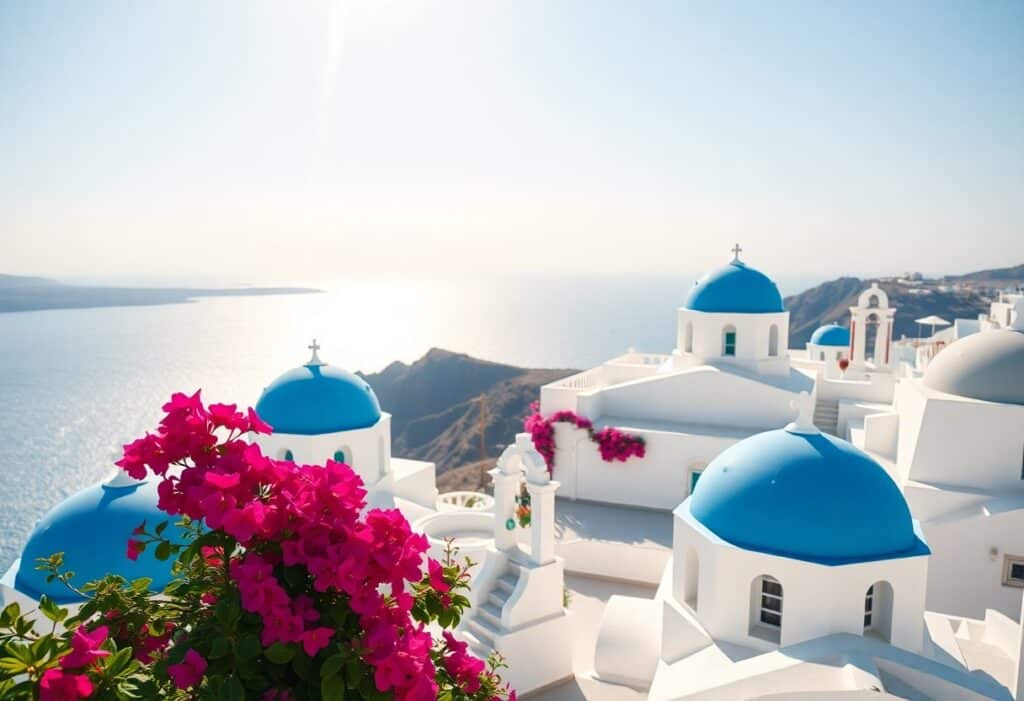
Greece works best when the trip plan is simple, regional, and matched to how you want to move around. For most summer travelers, the sweet spot is either a focused 7-day route or a relaxed 10-day Greece itinerary, with a rental car making the biggest difference on the mainland and in less-connected areas.
Quick planning snapshot
If you want the easiest decision: choose 7 Days for one region and fewer transfers, or 10 Days if you want Athens plus a second base or an island stop. A car is most useful when you plan to explore the mainland, smaller towns, or scenic coastal stretches rather than hop quickly between major cities.
If you are still deciding whether a road-based trip suits your style, start with rent a car in Greece and then shape the route around the places you actually want to see.
Choosing The Right Greece Itinerary Length
The strongest Greece itinerary is the one that gives you enough time to enjoy the country without spending half the trip in transit. For a summer holiday, the right structure usually comes down to three practical choices: how many days you have, whether you want islands or mainland, and whether you want the freedom of a car. That balance matters more than trying to cram in every famous stop.
A good starting point is to treat Athens as an arrival or departure anchor, then build one clear route from there. If you want a car-friendly route with more scenic flexibility, the planning advice in this summer car-rental guide helps you think through pickup timing, coverage, and what kind of vehicle fits a holiday road trip. For a broader comparison of road-trip planning approaches, the Japan itinerary and Maui Road to Hana itinerary pages are useful examples of how a route changes when transport becomes part of the experience.
The Greece Routes That Make The Most Sense
The original draft included several itinerary buckets, but Greece becomes easier to plan when those options are narrowed into a few useful route styles. That keeps the page practical instead of turning it into a generic list of travel ideas.
A 7-Day Mainland Route
This is the most efficient choice if you want history, beaches, and a sense of movement without rushing. A 7-day Greece itinerary can focus on Thessaloniki, Kavala, and Thassos, which keeps the geography manageable and gives you a real feel for northern Greece. You can fly into Thessaloniki, spend two nights exploring the city, continue east for a short city-and-coast break in Kavala, then finish with Thassos for beaches, sea views, and slower afternoons.
A 10-Day Highlights Route
If you have a little more time, the extra days let you add depth rather than distance. A 10-day trip works well for Athens, one historical inland stop, and then either a short island stay or a coastal extension. That extra room is valuable because summer travel in Greece is best enjoyed when you leave space for long lunches, late swims, and slower evenings instead of back-to-back packing.
A Balanced Island-Hopping Route
Island-hopping can be wonderful, but it becomes better when you resist trying to see too many places. Santorini, Mykonos, and Crete are the obvious names, yet the real planning rule is simple: pick fewer stops and build around ferry timing. If your goal is convenience and scenery in equal measure, Greek islands can be part of the trip, but they should not force the itinerary to become too thin.
A Practical 7-Day Greece Itinerary In Northern Greece
The strongest part of the original draft was the Central to East Macedonia route, and it deserves to stay at the center of the page because it is specific, useful, and easy to follow. It also fits the car-rental angle naturally without making that angle the main story.
Suggested 7-day structure
- Days 1 — 2: Thessaloniki for the White Tower, the waterfront promenade, nightlife, and easy city dining.
- Days 3 — 4: Kavala for a smaller historic base, old streets, coastal views, and the nearby Mud Bath of Krinides.
- Days 5 — 6: Thassos for Marble Beach, the ancient site of Aliki, forest drives, and the natural pool at Giola.
- Day 7: Return To Thessaloniki for ferry connections, airport drop-off, or one final meal before departure.
This route works because it mixes city energy, heritage, and island relaxation without stretching the distances too far. Thessaloniki gives you an urban starting point, Kavala adds a quieter coastal city with a strong old-town feel, and Thassos gives the trip a proper summer finish with beaches and clear water. If you want to explore beyond the obvious stops, a rental car is the easiest way to connect the pieces smoothly and still leave time for detours.
For road-trip style planning, it helps to think in terms of flexible day windows rather than rigid schedules. That is especially true on Thassos, where a car makes it far easier to reach quieter coves, village restaurants, and places such as Giola at the right time of day. If you are comparing transport choices before you book, the broader planning advice in this Europe road trip guide is a useful reminder that the best route is not always the busiest one.
Budget, Transport, And Timing: What Changes The Trip Most
Summer in Greece is popular for a reason: the weather is warm, the sea is inviting, and the towns feel lively well into the evening. But that also means higher prices and busier transport, so timing has a real effect on your budget. The draft already included useful cost anchors, and those are worth keeping because they help travelers make a realistic plan rather than guess.
Timing changes more than most first-time travelers expect. June through July gives you classic summer conditions, with temperatures around 28°C and long daylight hours, but it also brings crowds and price spikes. If you value easier parking, lower room rates, and a calmer pace, shoulder season can be a smarter trade-off even if you lose a little heat. For those who want to book efficiently, the best strategy is simple: reserve accommodation and transport early, especially if you plan to move between islands or rent a car during peak summer weeks.
When To Book And When To Be Flexible
Summer trips to Greece reward early booking. Secure flights, stays, and ferries first, then decide whether the route truly needs a car. If you are planning a mainland itinerary, book the car as soon as your dates are fixed; if you are island-hopping, check ferry timings before locking the rest of the schedule.
- Book Early hotels in Athens, popular ferries, and summer car rentals.
- Stay Flexible one or two open half-days for beaches, local food, or a weather shift.
- Watch Seasonality June and July are ideal for beach time, but shoulder season can improve value.
Transport Choices That Actually Work In Greece
The draft was right to include flights, ferries, and car rentals, because Greece travel often uses all three. The key is not to treat them as interchangeable. Each one fits a different part of the trip, and the smartest itineraries use them in sequence rather than making one option do every job.
Flights
Flying is the most practical way to enter Greece and the fastest way to cover long distances. Direct arrivals into Athens or Thessaloniki keep the start of the trip efficient, especially if you are working with a one-week schedule. Flights are ideal for arrival and departure, but they should not be the only planning tool if your goal is to see more than one region.
Ferries
Ferries are the best way to reach islands, and they can be a pleasant part of the holiday when you want sea views and a slower pace. They also demand more planning than many travelers expect, so book ahead during peak season and build some margin into your route. If you are visiting only one island group, ferries are manageable; if you are trying to fit in several islands, the itinerary can become too transfer-heavy.
Car Rentals
A rental car is the strongest option when you want freedom, scenic detours, or access to places that are awkward on public transport. It is especially useful in northern Greece, around smaller coastal towns, and for flexible day trips from one base. That said, a car should support the itinerary rather than force it; choose it when the route genuinely benefits from mobility, not just because it sounds convenient.
If you want to compare rental approaches before you commit, the broader advice in why people rent a car for special trips is useful for understanding when a car adds value rather than complexity. For travelers who care most about budget, the Greece decision also connects naturally with the car-rental tips in cheap car rental strategies, because the cheapest option is not always the best fit for a route with ferries, mountain roads, or city pickup logistics.
A Realistic Way To Book The Trip
A Greece itinerary becomes much easier to manage once you turn the route into a booking sequence. Start with your arrival city, then decide whether your second stop needs a ferry or a car, and only then lock in the hotels. That order prevents the common mistake of booking too many nice-looking places that do not connect well in real life.
- Step 1 Pick the trip length — 7 days for one region, 10 days for a broader route.
- Step 2 Choose your transport mix — flights for arrival, ferries for islands, car for flexibility.
- Step 3 Reserve stays near the route rather than chasing too many overnight changes.
- Step 4 Book the car only if it simplifies the route and improves access to the places you care about most.
Ready to turn the itinerary into a road-ready plan?
If your Greece trip includes northern routes, smaller towns, or a flexible mainland loop, the next logical step is to compare vehicle options and pickup locations before you finalize your hotels. A good starting point is rent a car in Greece, then pair that with broader advice from the summer rental guide so the booking choices fit your route instead of working against it.
Final Thoughts
A strong Greece itinerary is not about seeing everything. It is about choosing one clear shape for the trip and letting the country breathe around it. For a summer holiday, that usually means either a focused 7-day route like Thessaloniki, Kavala, and Thassos, or a 10-day plan with Athens, a historical stop, and enough time for beaches and long evenings. Keep the transport plan simple, book early in peak season, and use a rental car only where it genuinely improves the experience.
If you follow that approach, Greece feels less like a checklist and more like a trip you can actually enjoy: a coastline you can linger on, a city break with depth, and a route that stays memorable because it never becomes rushed.
Frequently Asked Questions
What Is The Best Way To Get To Greece For A Summer Holiday?
Flying is usually the best way to arrive, especially if you are starting in Athens or Thessaloniki. From there, you can continue by rental car, ferry, or a domestic flight depending on whether your route is focused on mainland Greece or the islands.
Is Renting A Car Worth It For Greece?
Yes, if your itinerary includes the mainland, scenic drives, smaller towns, or multiple stops where public transport is limited. If you are only staying in Athens or moving between a few major islands, a car may add cost without much benefit.
How Much Should I Budget For A 10-Day Greece Itinerary?
The original draft estimated about £859 per person for a 10-day trip, not including international flights. That figure is a useful planning baseline, but actual costs will shift depending on your hotel category, route, fuel use, and whether ferries are part of the trip.
When Is The Best Time To Visit Greece?
June and July are ideal for a classic summer holiday because the weather is warm and the sea is inviting, but they are also the busiest and most expensive months. If you want a calmer experience, shoulder season can offer better value and a more relaxed pace while still giving you good weather.

Megan Hartley is a dedicated writer and travel enthusiast specializing in affordable car rental solutions. With a passion for helping travelers navigate the complexities of securing budget-friendly transportation, she shares insightful tips and engaging content on her platform. Megan’s expertise extends to exploring the latest trends in the car rental industry, ensuring her readers make informed choices for their journeys. Through her work, she inspires others to explore the world without breaking the bank.




It’s exciting to see a post dedicated to traveling in Greece—it truly is an enchanting place with so much to offer! I love the idea of renting a car to discover the country, which gives you the flexibility to explore both well-known sites and those lesser-visited gems. During my own travels through Greece a couple of years ago, one of my favorite moments was stumbling upon a small, family-owned taverna in a village in Crete, where the owner served us homemade moussaka and shared stories of the local culture. Experiences like that make road trips so memorable!
It’s great to hear about your experience in Greece! Those hidden gems, like the family-owned taverna in Crete, really add a special layer to travel. There’s something unforgettable about sharing a meal made with love and stories from the locals. It transforms a simple dinner into a genuine connection with the culture.
Renting a car is a fantastic way to soak in all that Greece has to offer. You really hit the nail on the head with your experience in Crete; those local tavernas often hold the richest stories and flavors. It’s amazing how food can bridge cultures and connect us with locals.
I completely agree—traveling in Greece has a unique charm that’s hard to replicate. The flexibility of renting a car really opens up the opportunity to discover those hidden gems, like the family-owned taverna you mentioned in Crete. It’s moments like that, where you’re welcomed into someone’s home and get a taste of authentic local culture, that really stick with you.
I love the idea of a road trip in Greece! The freedom of having your own car really opens up opportunities to explore those lesser-known spots. When I visited, I found that some of my favorite experiences were in small villages away from the tourist trails. Those encounters with locals often led to some of the best meals I’ve ever had.
This post resonates deeply with my desire to immerse myself in the richness of Greek culture and stunning landscapes. The freedom that comes with renting a car truly opens the door to exploring the lesser-known gems of the country, where you can connect with locals and savor authentic dishes that might not be on the typical tourist path.
It’s great to hear how much you connect with that idea. Renting a car really does transform the experience in Greece. It’s not just about the destinations, but the journey itself—the winding roads, the surprise encounters with friendly locals, and those little roadside tavernas that serve up dishes you won’t find in the tourist guides. Have you thought about which regions you’d like to explore? The Peloponnese has some spectacular hidden spots, like the quaint village of Kardamyli, where you can enjoy stunning sea views along with incredible local cuisine. Each turn can lead to something unexpected, which makes every trip memorable in a unique way.
I completely understand where you’re coming from. Greek culture is such a beautiful tapestry of history, art, and community that really invites you to dive deeper. Renting a car does open up so many possibilities—not just the iconic spots like Santorini or Athens, but those hidden villages where you can experience the local way of life. It’s amazing how food is such a central part of that connection; I still remember having the freshest moussaka in a quiet taverna in Crete, made with ingredients sourced from nearby farms.
I completely share your enthusiasm for diving into the authentic aspects of Greek culture. Renting a car offers such a unique chance to weave through the countryside and stumble upon hidden tavernas where the cooks may still use family recipes passed down through generations. Just imagine driving through olive groves and then finding a spot where the owner invites you in for a meal, sharing stories of their life and traditions.
I love the idea of a road trip through Greece! There’s something so freeing about having your own wheels, especially in a place where you can stumble upon unspoiled beaches or tiny, family-run tavernas off the beaten path. Last summer, my friends and I drove from Athens to the Peloponnese, and it was such an eye-opening experience. Each little village we stopped in had its own charm, not to mention some incredible local food!
I love your approach to exploring Greece! There really is something special about having your own wheels to navigate the diverse landscape and rich history. When I traveled there last summer, I found that some of the best experiences came from driving off the beaten path. For instance, I stumbled upon a tiny taverna in a remote village where the owner served the freshest seafood I’ve ever had. It really emphasized the idea that sometimes the best memories are made outside the tourist hotspots.
It’s fantastic to hear about your experience! Those hidden gems, like the tiny taverna you discovered, really showcase the heart and soul of Greece. You never know where you’ll find that fresh seafood or a unique dish that just sticks with you. I find that when you venture off the usual path, you not only get a break from the crowds but also connect more deeply with the local culture.
You made such a great point about the joy of wandering off the beaten path in Greece. I completely understand that feeling of discovery—there’s something magical about finding those hidden gems that aren’t in guidebooks. I remember driving through some of the less-traveled roads in the Peloponnese and coming across a similar little taverna. The owner was an elderly gentleman who shared stories of the sea while we enjoyed the catch of the day. It’s experiences like that which stay with you long after the trip is over.
I completely relate to that feeling of discovery when you find those off-the-beaten-path spots. The charm of a remote taverna, especially one run by someone who can share stories and traditions, really adds a layer to the experience that you just can’t find in well-trodden tourist areas.
It sounds like an amazing adventure! I love the idea of renting a car to explore Greece; it really lets you connect with the scenery and local culture at your own pace. When I visited, I found driving through the Peloponnese was particularly mesmerizing—those coastal roads with the sun setting in the background were unforgettable. Plus, I stumbled upon some delightful family-run tavernas that aren’t in the guidebooks. It’s one of the joys of exploring off the beaten path!
This post really captures the essence of what makes Greece so special! The idea of renting a car is spot on; it opens up a whole new world of possibilities beyond the usual tourist spots. When I traveled there a few years ago, having my own vehicle allowed me to stumble upon some quaint villages and secluded beaches that weren’t on any tour itinerary. It was in a tiny bay near Pelion that I tasted the freshest seafood—caught that very morning—and it instantly became a highlight of my trip.
It’s so true that having a car really transforms the experience in Greece. You’re able to discover not just the stunning landscapes but also the rich tapestry of local life that tourists often miss. I had a similar experience when I explored some off-the-beaten-path spots on Naxos. Tucked away in those narrow streets were little tavernas where the locals gathered, and I enjoyed the best moussaka I’d ever had—cooked with ingredients from their own gardens.
I recently stumbled upon a guide that brilliantly maps out Japan for first-timers, and it really emphasizes the joy of exploring hidden gems away from the usual tourist routes, much like my adventures in Greece.
‘The Ultimate Japan Itinerary: A Perfect Guide for First-Time Travelers’
https://online.rentacar24.org/japan-itinerary-perfect-guide-for-firsttime-travelers/.
It’s interesting how traveling with a car can create such a different experience. There’s a certain freedom in being able to explore hidden corners at your own pace, isn’t there? Your mention of Naxos brings up a vivid picture of those charming little tavernas and the genuine connections with locals over a shared meal. Eating moussaka made from homegrown ingredients sounds like such a delightful way to immerse yourself in the local culture—it’s those simple pleasures that often leave the most lasting memories.
Renting a car in Greece does indeed open up so many possibilities for exploration beyond the typical tourist paths. I recall a trip where we stumbled upon a quaint village in the Peloponnese that wasn’t on any map but offered the most authentic experience of Greek hospitality. It’s fascinating how the freedom to drive can lead to such memorable encounters.
It sounds like you had a truly special experience exploring the Peloponnese. There’s something about the off-the-beaten-path villages that really captures the essence of a place, isn’t there? I remember a similar feeling when I visited a small town on one of the lesser-known islands. The locals were so welcoming, and it felt like stepping into a different world where time moved a little slower.