
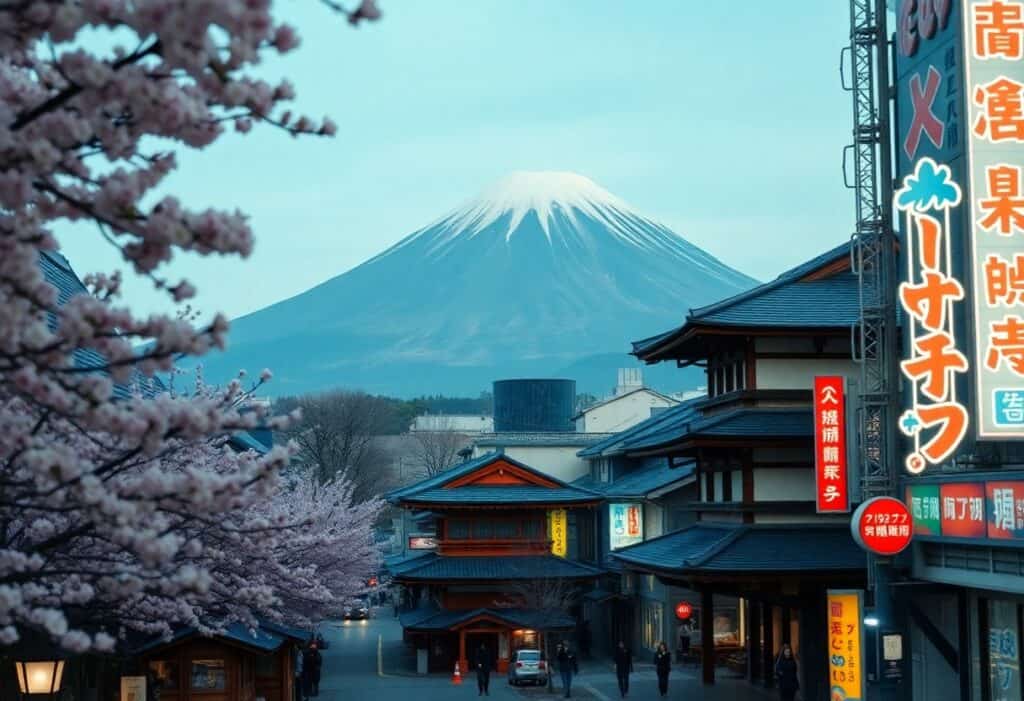
Planning a first trip to Japan goes much more smoothly when you choose the right trip length and transportation style early. If you are weighing trains against a rental car, the guide on first-time car rental basics is a useful companion while you shape your route.
Best fit at a glance
For most first-time travelers, 7 Days works best for Tokyo plus one mountain or hot-spring stop, 10 Days fits a classic Tokyo-to-Kansai route, and 14 Days gives you enough breathing room for both major cities and one slower regional detour.
How To Choose The Right Japan Itinerary
The simplest way to plan a first Japan trip is to match your route to your pace. Japan rewards travelers who avoid overpacking the schedule, so a good itinerary is less about how many cities you can squeeze in and more about how cleanly you move between them.
If your goal is to see the major highlights without feeling rushed, think in blocks: one block for Tokyo and nearby day trips, one for Kyoto and Osaka, and one optional block for a mountain, coastal, or hot-spring area. That structure makes it easier to decide whether you should rely on trains, or whether a rental car is worth it for a portion of the journey.
7 Days
Best if this is your first visit and you want a focused route. Keep Tokyo central, then add Hakone, Matsumoto, or another scenic stop that does not require constant hotel changes.
10 Days
The sweet spot for a classic first-timer route. You can pair Tokyo with Kyoto and Osaka, then add Nara, Hiroshima, Kobe, or a slower countryside segment.
14 Days
Best for travelers who want room to slow down. Two weeks lets you combine the big cities with one or two more relaxed regions without turning the trip into a sprint.
Two Proven Route Styles For First-Time Travelers
The original draft already pointed to two useful structures, and those are still the clearest way to keep the page useful. One route focuses on Tokyo and the mountains; the other pairs the Kansai region with Hiroshima for a deeper cultural and historical trip.
7-Day Route: Tokyo, Hakone, Matsumoto, And Shibu Onsen
This route is a strong fit if you want a first Japan trip with a city-and-scenery balance. Tokyo gives you the fast-paced modern side of the country, while Hakone adds hot springs and views, Matsumoto brings castle-town character, and Shibu Onsen gives the trip a traditional mountain feel.
It works especially well if you prefer one major base and a limited number of hotel changes. That pacing keeps the trip comfortable, and it also helps if you are still deciding whether you want to drive the mountain portion or handle the whole route by rail. If you want a broader road-trip mindset before committing, the advice in this short road-trip planning guide shows how pacing and route design shape the overall experience, even on a much shorter trip.
10-Day Route: Osaka, Nara, Kyoto, Kobe, And Hiroshima
If you have ten days, the Kansai route is one of the most practical first-time choices. Osaka gives you food and energy, Nara adds the famous deer park and temple atmosphere, Kyoto handles the traditional core of the trip, Kobe adds a polished city stop, and Hiroshima gives the journey historical weight.
This route is easy to understand because the stops are well connected and naturally grouped. You can do almost all of it by train, which is why this itinerary is usually the better fit for travelers who want simplicity and do not want to think about parking, tolls, or driving rules. If you want a broader comparison of how trains and road trips change a route, car rental versus public transport is a good side read.
When To Stretch The Trip To 14 Days
A 14-day itinerary is worth it if you want the classic cities plus one slower region without rushing. That extra time matters in Japan because transfer days can eat into sightseeing if you try to do too much. Two weeks lets you build in a rest day, linger in Kyoto, or add a countryside drive that would feel too compressed in a shorter trip.
For many first-time visitors, two weeks is also the point where a rental car becomes more realistic for a specific leg rather than the entire journey. You can use trains for the main intercity spine, then rent a car only for a mountain or rural area where flexibility matters more than speed. That hybrid approach preserves the comfort of rail travel while giving you access to places that are less convenient by train.
Best Time To Visit And When To Book
Timing changes both the feel of the itinerary and the pressure on your budget. The busiest periods are usually spring cherry blossom season and autumn, while late summer can be cheaper but hotter and more humid. Winter is a good option if you want ski resorts or onsen-heavy routes, and it is often easier to book popular places outside peak blossom dates.
| Season | What it feels like | Booking note |
|---|---|---|
| March To April | Cherry blossom season, beautiful but crowded | Book early for hotels, especially in Tokyo, Kyoto, and major rail hubs |
| May To June | Pleasant weather, generally easier pacing | Good balance of availability and comfort |
| July To August | Hot, humid, and often cheaper | Useful if budget matters more than perfect weather |
| October To November | Popular for mild weather and autumn color | Book transport and stays before peak travel dates fill up |
| December To February | Cooler, quieter in many cities, strong for skiing and onsen trips | Best for travelers who want lower crowd pressure |
For airfare and accommodation, the safest rule is to book earlier when traveling in cherry blossom season or autumn. For a self-drive segment, book even earlier if you need an automatic vehicle, want a specific pickup city, or need time to check license requirements and insurance details.
When A Rental Car Helps, And When Trains Are Better
The strongest way to support this itinerary page without drifting away from its main job is to keep transport advice practical. Japan’s trains are the easiest option for most first-time travelers because the network is fast, reliable, and simple between major cities. A car becomes more attractive once your route includes rural areas, mountain roads, or spread-out stops that would take too long on local transit.
A rental car can make sense for family trips, small groups, and travelers who want to explore beyond the standard rail corridor. It can also be a good choice for a portion of the trip if you want access to places like Hakone, the Japanese Alps, or smaller countryside towns. The tradeoff is that you need to think about tolls, left-hand traffic, parking, and whether you are comfortable driving in a new country.
If you are leaning toward driving, the best preparation is to handle the basics before you book. A useful next step is the detailed guide to car rental age requirements and booking tips, which helps you avoid surprises when you are comparing vehicles and picking up the car.
Choose the route first, then the transport
If your itinerary is mainly Tokyo plus one nearby mountain area, a train-first plan is usually the cleanest choice. If you want to add rural stops, spread-out family travel, or a flexible countryside detour, rent a car for that segment rather than forcing the whole trip into one transport style.
For readers comparing broader rental decisions, the main guide on first-time car renters is the best place to start before you lock in the Japan itinerary details.
Budget And Pacing Notes That First-Timers Should Not Skip
The original article included useful budget anchors, and those still matter because they change how ambitious your route should be. Hotel pricing in Tokyo can vary a lot by season, and rental-car costs can be reasonable for a day or two but less attractive if you are using the car for short city hops. In other words, the fewer cities you add for the sake of it, the easier it is to keep costs under control.
A good first-time pacing rule is to avoid changing hotels every night unless the route absolutely requires it. Japan’s transit system makes day trips and city clusters easy, so a calm itinerary often gives you more value than a packed one. That is also why the 7-day and 10-day patterns above are so effective: they are simple enough to manage, but still rich enough to feel complete.
Planning Checklist Before You Book
- Pick your trip length first: 7, 10, or 14 days.
- Choose one main city pair or region pair so the route stays focused.
- Decide whether any rural or mountain segment really needs a car.
- Book earlier if you are traveling during cherry blossom or autumn peak dates.
- Check parking, tolls, and documentation if you plan to drive.
If you want to keep the trip simple, trains are the safest default. If you want flexibility outside the big-city core, build that into one portion of the route instead of making driving the center of the whole itinerary.
Plan The Trip, Then Choose How To Move Through It
A first Japan itinerary works best when the route is clear before transportation becomes the main decision. Start with the city mix, set the trip length, and then decide whether a rail pass, a partial car rental, or a train-only itinerary fits your style.
If you are still refining your rental approach, the practical details in first-time online car renter tips will help you compare options with less guesswork.
Frequently Asked Questions
How Many Days Are Enough To Explore Japan For The First Time?
Seven days is enough for a focused first trip, but 10 to 14 days is more comfortable if you want Tokyo plus Kyoto, Osaka, and one slower stop. The extra time makes the itinerary feel less rushed and gives you room for a day trip or rest day.
Is A Rental Car Worth It For A Japan Itinerary?
A rental car is most useful when your route includes rural areas, mountain towns, or a family-style trip where flexibility matters. For a standard first-time city route, trains are usually simpler and often the better default.
When Should I Book Japan Hotels And Transport?
Book early for cherry blossom season and autumn, because those periods are popular and prices rise quickly. If you plan to drive, book the vehicle early too so you have time to check requirements and choose the right pickup location.
What Is The Most Practical Route For A First Visit?
For most first-time visitors, the most practical route is either Tokyo plus one mountain stop for a shorter trip, or Tokyo, Kyoto, and Osaka for a longer one. Those routes are easy to pace, easy to book, and easy to adjust if you decide to use trains for most of the journey.

Matthew Thompson is an accomplished author specializing in topics related to budget travel and cheap car rental options. With a keen eye for detail and a passion for helping travelers save money, he shares valuable insights on navigating the complexities of online car rental services. Matthew’s work not only provides practical tips but also empowers readers to make informed decisions, ensuring they enjoy memorable journeys without breaking the bank.




Your insights on planning a trip to Japan resonate deeply with anyone who has navigated the sometimes overwhelming task of itinerary creation. I particularly appreciate your emphasis on balancing budget and transportation options; these are often pivotal in shaping not just the logistics of a trip, but the overall experience as well.
I completely agree with you about the complexities of itinerary creation, especially in a place as rich and varied as Japan. It’s interesting how a well-planned trip can enhance the experience so much. I remember my last trip, where balancing budget and transportation not only influenced where I could stay but also how immersive my experience turned out to be.
Planning a trip to Japan does feel a bit like a puzzle, doesn’t it? Balancing budget and transportation really changes how you experience the country. I’ve found that using Japan’s train system not only saves money but also lets you soak in the scenery between cities. Have you thought about the Japan Rail Pass? It can be a game-changer for traveling longer distances without blowing the budget.
I can relate to the overwhelm that comes with planning a trip to Japan. Each city offers such unique experiences that it often feels impossible to narrow down the must-sees. When I visited, I decided to focus on my interests—food and culture—which made the planning easier. I discovered hidden gems in smaller towns like Takayama, where traditional markets are a feast for the senses. It also helped me appreciate the local customs and lifestyle more deeply.
I completely understand that feeling of overwhelm when planning a trip to Japan. It’s incredible how each city has its own unique vibe and attractions, making it hard to choose what to see. Focusing on your interests like food and culture is such a smart approach. There’s a certain richness in immersing yourself in local customs, and food is often at the heart of that experience.
I appreciate how you’ve highlighted the importance of planning a well-rounded itinerary when visiting Japan. It’s easy to feel overwhelmed by the myriad of options available, especially with such a rich cultural landscape and diverse experiences to choose from. I’ve found that one of the best ways to approach this is by aligning your itinerary with personal interests, whether that’s food, history, or outdoor activities.
You’ve touched on a really crucial aspect of travel, especially in a place like Japan where the options can indeed be overwhelming. Aligning your itinerary with personal interests is a strategy that can significantly enhance the experience. It not only makes your trip more enjoyable but also more meaningful.
Planning a trip to Japan certainly stirs up a delightful mix of excitement and anticipation, doesn’t it? As I reflected on your insights about crafting the ideal itinerary, I couldn’t help but recall my own adventures in this fascinating country. The sheer diversity—from the bustling streets of Tokyo to the tranquil temples of Kyoto—offers a kaleidoscope of experiences that can truly appeal to any traveler.
Your insights about planning a trip to Japan resonate deeply with me, especially the emphasis on creating a well-structured itinerary. Having traveled to Japan a couple of years ago, I can attest that the balance between the bustling urban life of cities like Tokyo and the serene beauty of rural locales, such as Kyoto or the Japanese Alps, can indeed be overwhelming to navigate.
Your insights on planning a trip to Japan truly resonate with me. It’s a delightful challenge to create an itinerary that balances all the rich experiences this remarkable country offers. I remember my trip to Japan a couple of years ago—what a tapestry of culture, technology, and natural beauty it was!
This post highlights the crucial aspects of planning a trip to Japan, especially with the diverse transport options available. I’ve often found that the Japan Rail Pass can be particularly economical for travelers wanting to explore multiple cities, allowing hassle-free travel on shinkansen (bullet trains). It’s fascinating how each region, from Tokyo’s bustling urban life to the serene mountains of Hakone, offers a distinct slice of Japanese culture.
You’ve beautifully captured the essence of planning an unforgettable trip to Japan! When I traveled there last year, I faced a similar challenge of balancing my itinerary with all the incredible experiences on offer. I ended up focusing my time on the Tokyo and Kansai regions, which turned out to be the perfect blend of urban excitement and rich traditional culture.