
What Are the Essential Exterior Inspections for Rental Cars?
How Do You Check the Tires?
Examining the tires is a critical step in ensuring the vehicle is road-ready. Proper inflation and adequate tread depth are vital for effective handling, especially on diverse terrains and varying weather conditions. Under-inflated tires can lead to inefficient fuel consumption and compromised traction. Worn-out tread significantly increases the risk of losing control on slick roads. As you approach the vehicle, assess the tire pressure using a gauge and verify it against the manufacturer’s recommended specifications found on the driver’s side door jamb.
Next, evaluate the tread depth. You can use the penny test, where inserting a penny into the tread should leave part of Lincoln’s head visible. If it doesn’t, it’s time to consider replacing the tires. Additionally, inspect for any signs of physical damage, such as cuts or bulges, which could lead to blowouts during your journey.
- Check tire pressure with a gauge.
- Use the penny test for tread depth.
- Inspect for physical damage.
Why Is It Important to Inspect the Lights?
Ensuring all lights are functioning correctly is vital for safety and visibility. Start by checking the headlights, taillights, and turn signals, as each plays a crucial role in communication with other drivers. A malfunctioning light can lead to misunderstandings on the road, particularly during nighttime driving or adverse weather. Here’s a quick checklist:
- Headlight bulbs
- Taillight bulbs
- Signal lights
- Brake lights
- Fog lights
- License plate lights
Pay attention to the brightness and clarity of all lenses; cloudy or cracked lenses can reduce visibility. A quick visual inspection combined with functional checks will ensure you maintain optimal safety while driving.
What Should You Examine on the Car Body?
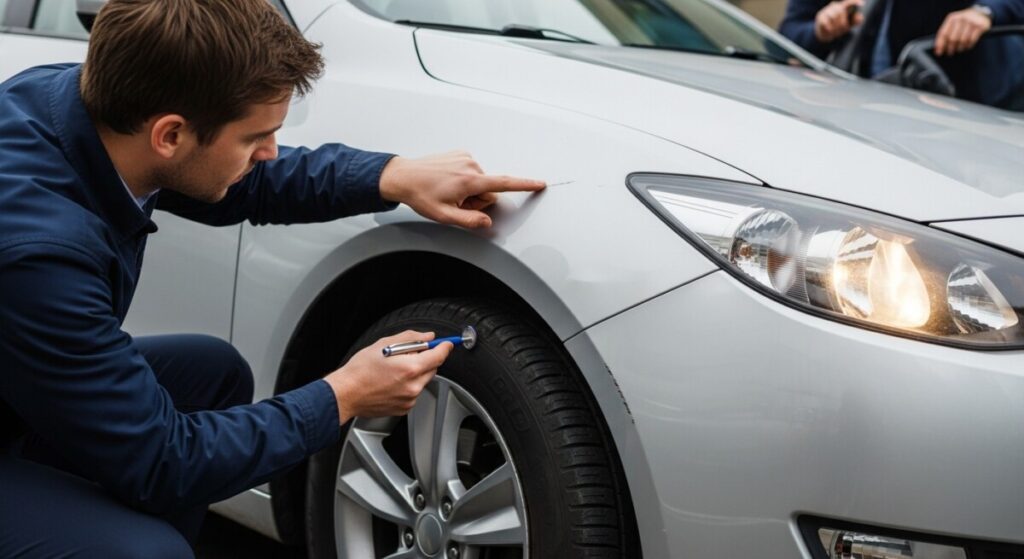
Conducting an exterior examination of the vehicle’s body allows you to identify dents, scratches, or other types of damage that could interfere with the car’s performance, particularly its aerodynamics. While these imperfections may seem superficial, they can indicate underlying issues or, at the very least, lead to increased wind noise or reduced fuel efficiency. Documenting the vehicle’s condition is essential, especially if you pick up a rental car; it helps prevent disputes with rental companies regarding pre-existing damages later on.
Look closely along the edges of the fenders, doors, and bumpers to ensure that there is no rust or misalignment. Checking for proper closure of doors and the trunk can also indicate whether the vehicle’s body is intact. A well-maintained exterior not only contributes to the car’s aesthetic appeal but also signals that the vehicle has been cared for, promoting a smoother and safer driving experience.
How Does Vehicle Maintenance Impact Safety?
How Do You Evaluate the Brakes?
Brakes are one of the most critical components of any vehicle, and evaluating their condition is non-negotiable. Start by assessing the pedal responsiveness; the pedal should feel firm underfoot and not sink to the floor. If you hear any unusual noises, such as grinding or squeaking, this may indicate worn brake pads or other issues. Regular maintenance of brake systems is essential for preventing accidents, as effective stopping power can mean the difference between safety and danger.
Additionally, consider the braking distance you may need, which can vary depending on your environment, such as city driving versus highway travel. In adverse weather conditions, like rain or snow, ensuring that your brakes are in top condition is even more critical to avoid skidding or losing control.
What Fluids Should You Review?
Checking vehicle fluids is paramount for ensuring consistent performance and preventing breakdowns. Start with the engine oil, which lubricates moving parts and prevents overheating. Look for indicators such as the oil dipstick, which should show a clear reading that is within the recommended range. Low levels can lead to engine wear and costly repairs.
Next, inspect the coolant level in the reservoir. Insufficient coolant can lead to overheating, especially on long drives in hot climates. Other essential fluids to review include transmission fluid, power steering fluid, and brake fluid. Each plays a vital role in vehicle functionality and should be monitored regularly to maintain efficiency during your travels.
How Do You Test the Mirrors?
Testing the mirrors is a straightforward yet crucial step in ensuring optimal visibility while driving. Begin by confirming that all mirrors—rearview and side mirrors—are clear and correctly adjusted for your height and seating position. Adjusting mirrors can significantly enhance your awareness of surrounding traffic, reducing blind spots that often lead to accidents.
Take a moment to check for any cracks or damage in the glass, as these can impair visibility. Once adjusted, test your sight lines to ensure that you have an unobstructed view of the road and other vehicles. Equipped with well-placed mirrors, you can navigate with confidence, particularly in busy urban environments or during long road trips.
What Expert Insights Should You Consider Before Driving a Rental Car?
How Do You Analyze the Suspension?
The suspension system is crucial for maintaining vehicle stability and ride comfort. To check its condition, perform a simple bounce test: press down on the front or rear of the vehicle and release. If the car bounces back more than a couple of times, it may indicate a worn-out shock absorber or suspension issue. Proper suspension alignment ensures even contact with the road, enhancing traction and preventing discomfort during your rides.
In real-world scenarios, a well-maintained suspension system can make a significant difference when navigating bumpy or uneven terrains, helping you maintain control and comfort. This is especially important on long journeys through challenging landscapes, such as mountain roads or rural paths, where unexpected bumps can lead to accidents without proper suspension support.
Why Should You Verify the Exhaust?
Checking the vehicle’s exhaust system is essential for ensuring efficient operation and minimizing emissions. Begin by inspecting the exhaust pipes for any visible signs of leaks, corrosion, or unusual sounds, such as hissing or rattling, which could indicate an underlying issue. A well-functioning exhaust system not only aids in effective engine performance but also contributes to environmental responsibility.
It’s crucial to address any exhaust issues promptly, as they can lead to increased fuel consumption and harmful emissions. For travelers, ensuring that your rental car has a properly functioning exhaust system is key to a smooth and eco-friendly driving experience, especially during long trips through pristine natural areas.
How Do You Assess the Wipers?
Testing the wiper blades is a simple yet essential step to ensure visibility during inclement weather. Start by examining the condition of the blades; they should be free from cracks or stiffness. Next, activate the windshield washer system to ensure that the fluid is spraying correctly. Clear visibility is critical when driving through rain or snow, and ineffective wipers can lead to dangerous situations.
For example, if you’re driving in heavy rain on a highway, properly functioning wipers allow you to maintain clear sightlines, reducing the risk of accidents. Additionally, consider checking the washer fluid reservoir to ensure it’s adequately filled; this small detail can make a significant difference in emergency situations. Having well-maintained wipers is key to overcoming weather-related challenges efficiently.

What Should You Inspect About the Tires Again?
Once again, tires deserve a detailed inspection, as they are critical for safe and efficient driving. Start by checking the tire pressure using a reliable gauge. Refer to the vehicle’s manual or the sticker located inside the door jamb for the recommended pressure levels. Properly inflated tires provide better fuel efficiency, enhanced handling, and reduced wear.
Next, assess the tread depth using the penny test. If you insert a penny and don’t see any part of Lincoln’s head, it’s time for a replacement. Tire alignment is another important factor; if the car pulls to one side, it may indicate misalignment. Addressing tire issues before travel ensures better traction on slippery roads, reducing the chances of blowouts and maintaining vehicle stability overall.
Why Is It Important to Check the Brakes Again?
Revisiting the brakes emphasizes their role in safety. Test the responsiveness by applying pressure on the brake pedal; it should respond immediately without any sponginess. Listen for any strange noises during this test, as unusual sounds can signal impending brake failure. Proper brake maintenance is essential for emergency stops, significantly lowering the risk of accidents.
Moreover, consider the environment in which you’ll be driving. If you’re navigating mountainous terrain or city streets, ensuring your brakes are in top condition is vital for controlling descents and sudden stops. Being proactive about brake checks can greatly enhance driving safety and overall peace of mind while on the road.
What Research-Backed Benefits Are There for Checking a Rental Car Before Driving?
How Do You Check the Battery?
Inspecting the battery is crucial for ensuring the vehicle starts without issues. Look for signs of corrosion around the terminals, which can indicate weak connections and potential starting failures. A well-maintained battery is essential for powering all electronics and starting the engine reliably, especially during extreme weather conditions.
Consider the age of the battery as well; most batteries last about three to five years. Regular checks and maintenance can prolong the life of the battery. If you notice any signs of weakness, it’s wise to have it tested professionally. This proactive measure helps avoid unexpected delays during your travels, promoting a smooth journey.
What Should You Inspect About the Doors and Locks?
Checking the doors and locks is essential for ensuring vehicle security and passenger safety. Ensure that each door opens and closes smoothly without resistance. It’s important to verify that all locks function properly, including child safety locks if applicable. Here’s a quick checklist of security features to consider:
- Central locking system
- Child safety locks
- Power locks
- Keyless entry
- Locking mechanisms
- Window locks
Having secure doors and locks not only safeguards your belongings but also enhances your sense of security while driving in unfamiliar areas. A well-maintained locking system can prevent unauthorized access, ensuring peace of mind during your travels.
How Do You Review the Fuel Level?
Confirming the fuel level is a basic yet essential step before embarking on your journey. Ensure that the tank is full enough to reach your destination without interruptions. Running out of fuel mid-journey can lead to unnecessary delays and inconvenience, especially in remote areas where gas stations may be sparse. Keeping an eye on fuel levels also allows you to plan refueling stops efficiently, especially during long drives.
A simple glance at the fuel gauge can help you avoid the frustrations associated with unexpected fuel shortages. Properly managing fuel levels enhances your travel plans, ensuring a seamless experience from start to finish.
What Are the Key Warning Signs to Watch For?
How Do You Examine the Dashboard?
The dashboard is the vehicle’s control center, providing critical information about its condition. Pay close attention to warning lights that may indicate potential problems, such as engine faults, oil changes, or battery issues. Ignoring these lights can lead to costly repairs or breakdowns while you’re on the road.
It’s important to familiarize yourself with what each warning light means, as some may require immediate attention while others are standard maintenance reminders. Addressing these warnings early can prevent serious complications and enhance your driving experience.
How Do You Test the Steering?
Testing the steering is a crucial step in ensuring precise handling and safety. While driving, pay attention to any resistance or play in the steering wheel. If you find that the steering feels loose or overly tight, this could indicate alignment issues that need to be corrected. Proper steering responsiveness contributes to the overall control of the vehicle, especially when navigating sharp turns or unexpected obstacles.
Quick checks can help prevent accidents and ensure a smooth driving experience. Being aware of how your car responds to steering inputs can significantly enhance your confidence while driving, especially in high-stress situations such as heavy traffic or challenging road conditions.
Why Is It Important to Verify the Seat Belts?
Ensuring that all seat belts fasten properly is a fundamental safety measure that protects everyone in the vehicle. Start by checking each seat belt for functionality, ensuring they retract smoothly and lock securely when pulled. Properly functioning seat belts are essential for safeguarding passengers in the event of an accident.
Encourage all passengers to adjust their seat belts according to their size and seating position. In some rental vehicles, the presence of adjustable seat belt anchors can enhance comfort and effectiveness. Emphasizing seat belt safety contributes to a culture of responsible driving, protecting both you and your passengers throughout your travels.
What Are the Interior Essentials to Check?
How Do You Check the Seats and Upholstery?
Checking the seats and upholstery is vital for ensuring comfort and safety during your drive. Look for any signs of wear, such as rips, stains, or excessive wear that might affect comfort levels, especially on long journeys. A clean and well-maintained interior not only enhances the driving experience but also reflects positively on the vehicle’s overall condition.
Consider how the seating arrangement accommodates your travel party. If you’re traveling with children or pets, ensure that the seats are suitable for safety and comfort. A thorough inspection of the seats can prevent discomfort and promote a pleasant atmosphere during your travels.
Why Should You Inspect the Climate Controls?
Ensuring that the climate controls function properly is essential for passenger comfort. Check the heating and cooling systems to confirm they operate efficiently, providing a comfortable environment regardless of external weather conditions. Ineffective climate control can lead to discomfort, particularly on long drives through varying climates.
Familiarize yourself with the settings and adjustments available, as this knowledge allows for quick adaptations to changing temperatures. A well-functioning climate control system enhances the overall driving experience, ensuring that everyone remains comfortable and focused on the road ahead.
What Should You Review About the Entertainment System?
Testing the entertainment system can add convenience to your drive, providing a distraction-free environment. Start by ensuring that basic functions like the radio and Bluetooth connectivity work smoothly. Accessing music or navigation can greatly enhance your driving experience, especially during long trips through remote or monotonous landscapes.
Familiarize yourself with the controls and features available so you can operate them without distraction while driving. A working entertainment system can prevent frustration and contribute positively to the overall mood during your travels. Make sure to set everything up before starting your journey to minimize distractions along the way.
How Do You Inspect the Interior Lighting?
Verifying that the interior lighting functions correctly is essential for safe visibility, particularly during low-light conditions. Check all cabin lights, including dome lights and map lights, to ensure they illuminate properly. Proper lighting is crucial when entering or exiting the vehicle at night and can enhance passenger comfort significantly.
Effective interior lighting can also assist in reading maps or navigation systems during evening drives, reducing the chance of accidents caused by poor visibility. Ensuring that all lights are operational and bright sets the stage for a safe driving experience, particularly during nighttime or in dark environments.
FAQs
What should I check before renting a car?
Make sure to inspect the exterior, including tires, lights, and body condition, as well as the interior features, such as seats and climate control, to ensure a safe and comfortable driving experience.
How can I tell if the tires are safe to drive on?
Check for proper tire pressure and tread depth; using the penny test can help you determine if the tread is sufficient for safe driving conditions.
What fluids should I check in a rental car?
Ensure that engine oil, coolant, brake fluid, power steering fluid, and windshield washer fluid levels are all adequate for optimal vehicle performance.
Why is testing the brakes important?
Testing the brakes is crucial for ensuring safety; a responsive brake pedal and absence of unusual noises can prevent accidents and ensure effective stopping power.
What warning signs should I look for on the dashboard?
Warning lights indicating engine faults, oil changes, or battery issues are crucial indicators that should not be ignored; addressing them early can prevent serious issues.
How do I check the mirrors for safety?
Ensure that all mirrors are clear and properly adjusted for your seating position to enhance visibility and reduce blind spots while driving.
What should I do if I notice a warning light?
If a warning light appears, consult the vehicle’s manual to understand its meaning and take appropriate action, whether it’s addressing maintenance or contacting roadside assistance.
Should I check the battery during a rental car inspection?
Yes, checking the battery for signs of corrosion and ensuring it’s securely connected is key for preventing starting failures during your trip.
Why is inspecting the exhaust system important?
A well-functioning exhaust system minimizes harmful emissions and ensures efficient engine performance; look for leaks or unusual sounds to avoid complications.
What are the benefits of checking the interior features?
Checking interior features enhances passenger comfort and ensures all essential systems, such as climate controls and entertainment systems, function properly, leading to a more enjoyable journey.
See also: Rent a Car US, Europe, Canada.

Megan Hartley is a dedicated writer and travel enthusiast specializing in affordable car rental solutions. With a passion for helping travelers navigate the complexities of securing budget-friendly transportation, she shares insightful tips and engaging content on her platform. Megan’s expertise extends to exploring the latest trends in the car rental industry, ensuring her readers make informed choices for their journeys. Through her work, she inspires others to explore the world without breaking the bank.