
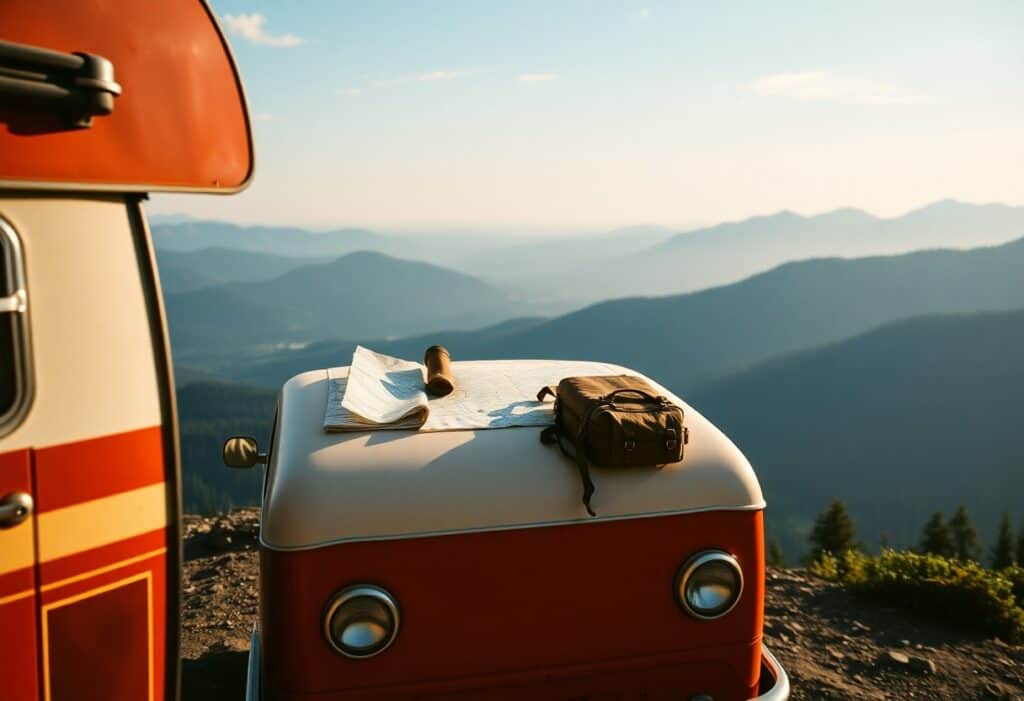
A good road trip starts with a simple plan: choose the trip length, set a budget, map the route, and book the right car early. If you want a deeper planning framework, the main road trip planning guide is the best place to start.
The simplest planning sequence
- Decide whether this is a cross-country drive or a shorter weekend escape.
- Set the daily mileage you can handle without rushing or fatigue.
- Choose a route, then check weather, road conditions, and rest stops.
- Book accommodations and your rental car before peak dates fill up.
- Pack for safety, comfort, and a few backup options if plans change.
Cross-Country Drive Or Weekend Escape?
This article is intentionally narrow: it helps you decide how to plan a road trip based on trip length and purpose. If you are already looking for inspiration for a specific route, you can also browse Sioux Falls road trip ideas or a more destination-led guide like Iceland road trip itineraries and budget tips.
| Trip type | Best for | What to prioritize | Typical planning risk |
|---|---|---|---|
| Cross-country adventures | Longer trips with several driving days, more stops, and varied weather | Mileage, overnight stays, fuel costs, and vehicle comfort | Underestimating fatigue or trying to cover too much ground each day |
| Weekend escapes | Short breaks focused on scenery, relaxation, or a single destination | Route simplicity, quick booking, and a flexible schedule | Spending too much time planning and not enough time enjoying the trip |
| Family road trips | Trips where comfort, storage, and predictable stops matter most | Space, safety, meal breaks, and kid-friendly pacing | Choosing an ambitious itinerary that is hard to keep on schedule |
Build The Trip Around Budget, Distance, And Driving Time
The original article gets one thing right: road trips become much easier when you set realistic expectations early. Budget is not just fuel and accommodation. It also includes food, parking, tolls, attraction tickets, and a cushion for detours or weather changes.
Distance matters just as much. A weekend escape can feel relaxed when the driving is light, but a cross-country adventure needs more disciplined pacing. A useful rule is to think in days rather than miles: if the route forces you into long, tiring stretches, the trip stops feeling like a break.
If your trip starts with a rental, it is worth reviewing the basics before you book. Guides like choosing the right rental car for your journey and the pickup inspection checklist help you avoid the most common mistakes before you leave the lot.
A Realistic Driving Limit
The source content correctly warns against cramming too much into one day. For many travelers, six to eight hours of driving is already a full day, especially when you add meals, fuel stops, and sightseeing. Breaks every two hours are still a smart baseline, not because every route demands a stop, but because fatigue sneaks up faster than most drivers expect.
Timing, Seasonality, And When To Book
Timing has a bigger effect on road trips than many first-timers expect. Weather can change what is comfortable, safe, and affordable, and busy travel windows can make hotel and rental availability tighter. If you are planning a trip during a holiday period or a popular season, book earlier than you would for a casual local getaway.
| When you travel | What changes | Best move |
|---|---|---|
| Peak summer or holiday weekends | Higher prices, heavier traffic, fewer last-minute options | Book car and lodging earlier than usual |
| Winter travel | More risk from icy roads, storms, and reduced daylight | Check forecasts, shorten driving days, and build in flexibility |
| Shoulder season | Often calmer roads and better rates, though weather can shift quickly | Use the lower demand to secure better car and hotel choices |
For destination-specific timing advice, seasonal conditions matter even more. A route-focused guide like the seasonal guide to visiting France is a better match when you need country-level planning, while this article stays focused on the basics that apply to almost any self-drive trip.
Route Tools, Overnight Stops, And Packing
The source draft mentioned Google Maps and Waze, and that advice still holds. You do not need complicated software to plan a useful road trip route; you need a map app that shows traffic, rest stops, and time estimates clearly. The goal is not perfect optimization. The goal is a route that feels realistic, safe, and easy to follow.
Overnight stops should be chosen with the day’s driving pace in mind. If you are traveling with family or friends, booking ahead is especially helpful because it keeps the trip from turning into a search for rooms after a long drive. The same logic applies to rental vehicles: availability can be tight during busy travel periods, and the best fit for a road trip may not be the cheapest option if it leaves you cramped or underprepared.
Packing should stay practical. The original article’s safety basics were strong, and they deserve to stay: a first aid kit, a tire pressure gauge, and a portable phone charger are all sensible additions. It is also smart to carry water, snacks, sunglasses, charging cables, and any paper copies of confirmations if your signal drops.
Useful packing essentials
- First aid kit
- Tire pressure gauge
- Portable phone charger and charging cable
- Water and easy snacks
- Navigation backup if your phone battery runs low
What Matters Most When You Choose A Rental Car
The article’s rental-car advice is useful, but it works best when kept tightly tied to trip planning. Choose the vehicle that fits the route, the number of passengers, and the amount of luggage you actually need to carry. For longer drives, comfort and mileage are often more important than flashy extras.
If you want to save money, the best opportunities often come from booking early, comparing vehicle types, and avoiding unnecessary add-ons. If you want convenience, then features like GPS support, roadside assistance, and clear mileage terms can matter more than the headline price. For a more detailed breakdown, the site’s road trip rentals pros, cons, costs, and tips page goes deeper into that decision.
Planning a longer route?
When the trip becomes more ambitious, a dedicated planning hub saves time and helps you avoid duplicate work. Use the main guide for the full planning framework, then come back here for the basics that keep the trip practical.
A Few Practical Road Trip Questions
How Do I Plan A Road Trip For Beginners?
Start with the destination, the number of travel days, and your budget. Then set a realistic daily driving limit, book the car and lodging, and sketch the route with rest stops and meal breaks. If you want ideas for the route itself, a destination-specific guide such as family road trip itineraries can help you shape the trip once the basics are set.
What Is The Best Route Guide For A Road Trip?
The best tool is the one that helps you see distance, traffic, and stops quickly. Many travelers rely on Google Maps or Waze for simple planning, and route-specific articles can help once you are choosing between actual destinations. For example, a guide like Germany road trip ideas works well after you know what kind of trip you want to take.
Is It Normal To Drive 200 Miles A Day?
Yes, that can be normal on a road trip, but it depends on the route, traffic, weather, and how many stops you want to make. Two hundred miles can feel easy on a smooth highway day and tiring on a winding scenic route. The more important question is whether the pace still leaves you enough energy to enjoy the destination.
What Is The 3-3-3 Rule For Road Trips?
The 3-3-3 rule is a simple travel pacing idea many people use to avoid burnout on long drives. Different travelers interpret it slightly differently, but the spirit is the same: keep the day manageable, build in breaks, and avoid overstuffing the itinerary.

Jessica Malone is a passionate writer and travel enthusiast, specializing in affordable car rental solutions. With a keen eye for detail, she explores various aspects of cheap car rentals, offering readers practical tips and insights to maximize their travel experiences. Through her engaging articles, Jessica aims to empower travelers to make informed decisions and navigate the world of online car rental services with ease.




Planning a road trip really does take some thought, doesn’t it? I’ve found that the best adventures come from a mix of spontaneous stops and a well-structured itinerary. For my last road trip, I opted for a cross-country journey and made sure to include both bustling cities and quiet nature hideaways.
Planning a road trip really can feel like piecing together a puzzle, can’t it? It’s all about finding that balance between structure and spontaneity. Your approach of mixing bustling cities with quiet nature spots sounds like a perfect way to experience the best of both worlds. There’s something special about the energy of a city, with all its sights and sounds, and then being able to escape into nature for some peace and quiet.
It really does feel like piecing together a puzzle, doesn’t it? I love how road trips let you blend different experiences—it’s like creating your own little adventure map. There’s something about the vibrancy of a city that just pulls you in, whether it’s the street art or the buzz of its cafés. I’ve always found that urban energy kind of inspires creativity in a way.
You’ve captured that feeling perfectly. There’s definitely something special about the way road trips allow you to collect all these distinct moments and memories, almost like a personal canvas. The unique energy of a city can spark creativity in unexpected ways; it’s fascinating how urban landscapes shaped by culture, art, and daily life can shift our perspectives.
Planning a road trip really does take some thought, doesn’t it? I completely relate to that mix of spontaneity and structure. It’s fascinating how those unplanned stops often lead to the most memorable experiences. For instance, on my last trip, we stumbled upon this charming little diner in the middle of nowhere that served homemade pie. It turned into a highlight of the journey, and we ended up chatting with the locals for hours.
You’re spot on about the mix of spontaneity and planning. It’s interesting how both elements can lead to completely different experiences. On my last road trip, I found that some of my favorite memories came from those unexpected detours—like that tiny diner off the interstate where the locals welcomed us like family. It added a charm that a big city stop just can’t replicate.
Your experience really highlights the beauty of the road less traveled, doesn’t it? Those unplanned moments can often leave a lasting impression, shaping our journeys in ways that meticulous planning can sometimes miss. Stopping at that tiny diner sounds like the kind of encounter that transforms a routine trip into something far more personal and memorable. It’s fascinating how local spots hold stories and atmospheres that big cities, despite their hustle and attractions, often lack.
I really appreciate the breakdown of different types of road trips! It’s fascinating how both cross-country adventures and weekend escapes can fulfill our wanderlust in unique ways. I recently took a weekend trip to the coast, and it was a perfect way to recharge without the hassle of extended travel.
It’s interesting how road trips can cater to such diverse travel styles, from the expansive landscapes of cross-country adventures to the quick rejuvenation of weekend escapes. A few years ago, I opted for a last-minute weekend getaway to the mountains, which turned out to be the perfect antidote to a hectic workweek. I found that even a short trip could leave me feeling refreshed and inspired.
I really appreciate how you broke down the different types of road trips! Planning ahead makes such a difference in ensuring a smooth experience. I’ve found that mixing up both cross-country adventures and weekend escapes offers a nice balance. For instance, a few months ago, I took a weekend trip to a nearby state park and discovered some hidden gems along the way—like a quaint little diner that served the best blueberry pie!
It’s great to hear about your experiences with road trips. Mixing cross-country adventures with weekend escapes really does create a wonderful balance. I can imagine how refreshing it is to dive into a shorter trip without the extensive planning usually required for longer journeys.
Planning a road trip really does set the stage for unforgettable experiences. It reminds me of a cross-country adventure I took last summer. The key was to blend the spontaneous moments—like stumbling upon a local diner in a small town—with a structured itinerary that ensured we didn’t miss out on must-see sights along the way.
I really appreciate your insights on planning for a road trip! As someone who has gone on both cross-country adventures and quick weekend escapes, I can definitely relate to the excitement and the importance of preparation.
I totally agree that planning ahead is key for a stress-free road trip! A few years back, I did a cross-country adventure that focused on national parks – it was an incredible way to disconnect and appreciate nature. I think having a flexible itinerary helped a lot; we had a rough plan but left room for spontaneous stops, which turned out to be some of the best memories.
That sounds like an amazing journey. National parks have a unique way of recharging our spirits. I love the idea of having a flexible itinerary; it really allows you to embrace the unexpected. Sometimes those unplanned moments lead to the most memorable experiences. Did you discover any hidden gems during your trip? I’ve heard tales of some great spots just off the beaten path that can enrich the adventure even more. Incorporating downtime in nature can also be a game changer, offering space to reflect and enjoy the surroundings. What was your favorite park, and how did it shape your experience?
I couldn’t agree more about the transformative power of national parks. There’s something so liberating about allowing the adventure to unfold without a rigid plan. You end up stumbling upon those moments that really stay with you, right?
This is such a timely reminder about the joys of road trips! I’ve always found that whether it’s a spontaneous weekend escape or a well-planned cross-country adventure, the journey itself often becomes just as memorable as the destination. I recently took a weekend trip up the coast, and it was refreshing to disconnect from the hustle and bustle of daily life, even if just for a couple of days.
I totally get what you’re saying about road trips. There’s something special about hitting the open road and leaving the routine behind. It’s almost like a reset button, isn’t it? A weekend trip up the coast sounds fantastic. Was there a particular spot you found that surprised you or became your little hidden gem?
Your insights on planning a stress-free road trip truly resonate with me! It’s fascinating how road trips can cater to such diverse experiences, whether it’s the thrill of a cross-country adventure or the simplicity of a weekend escape.
I love the idea of planning road trips as a way to break free from routine! Just a few months ago, I did a weekend escape to the coast, and it was so refreshing. I think a big part of the fun is the spontaneity of it all—like stopping at quirky roadside attractions or discovering small-town eateries. It’s interesting how a simple car rental can turn into a gateway for unexpected adventures.