
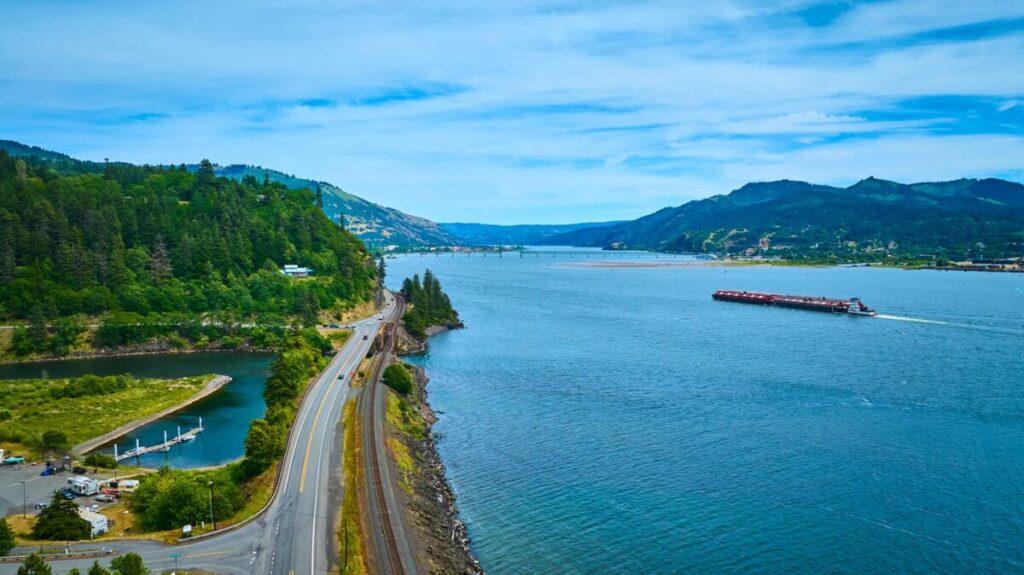
The Historic Columbia River Highway is one of Oregon’s most memorable drives, combining early 20th-century engineering with waterfalls, viewpoints, and cliffside scenery. If you are deciding whether to drive it, when to go, or how it fits into a longer trip, the route is worth a closer look.
- Best For Scenic driving, short waterfall stops, and a classic Columbia River Gorge outing.
- Drive Access Parts are open to vehicles, while some sections are trail or viewpoint access only; check current conditions before you go.
- Typical Use A half-day drive with extra time for overlooks, or a full day if you add hikes and visitor stops.
- Seasonality Spring and early summer are especially popular for water flow and greenery, while fall offers crisp views and lighter haze.
- Planning Caution Closures, construction, and winter weather can affect access, so build in flexibility.
For broader trip ideas after you map out this route, you can compare it with other USA road trip routes or browse more scenic drives if you are still choosing a destination.
What The Historic Columbia River Highway Is Known For
The Historic Columbia River Highway is not just another scenic road. It is a landmark route through the Columbia River Gorge that was designed to make the landscape part of the journey, and that is still the main reason people seek it out. The road is closely associated with waterfalls, river views, and a more deliberate driving experience than the faster modern highway corridor nearby.
That difference matters for trip planning. Travelers who want speed usually stay on the main freeway. Travelers who want views, stops, and a sense of place use the historic highway as the scenic layer of the trip. If you are planning a full road trip and need a bigger framework, it helps to keep the route in mind as one piece of a larger drive rather than trying to force it into a standard interstate-style itinerary.
Route Insight the best first-time approach is to treat the Historic Columbia River Highway as a scenic outing with stops, not a drive you rush through. That mindset helps you enjoy the route’s best waterfalls, overlooks, and restored sections without missing the details that make it special.
Where To Stop, What To See, And How To Pace The Drive
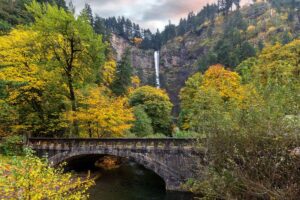
The most rewarding way to experience the highway is to slow down at the key stops. The route is known for waterfall access, framed viewpoints, and the kind of roadside architecture that makes the drive feel historic rather than purely functional. A single overlook may only take a few minutes, but a cluster of short stops can easily become the highlight of your day.
One of the most recognizable places along the corridor is the Crown Point area, which gives travelers a broad view over the gorge. Waterfall stops add another layer, especially when flow is strong and the surrounding trees are in season. The combination of bridge work, cliff edges, and river views is what makes the corridor feel so distinct from ordinary scenic byways.
The route also works well as a flexible side trip. You do not need to commit to a long expedition to appreciate it, but you do need enough breathing room to stop safely and avoid treating the road like a blur of scenic labels. If you are building a broader road-trip plan, the most useful nearby context is how the highway compares with other scenic drives in the region. That is where a guide like this collection of scenic routes can help you choose the right style of trip.
When To Go And How Timing Changes The Experience
Timing matters on the Historic Columbia River Highway more than it does on many ordinary drives. In spring, waterfalls are usually the headline attraction because water flow and fresh greenery make the corridor feel dramatic and alive. Summer brings the easiest weather for casual exploring, but it can also bring more traffic at the best-known stops. Fall is often the sweet spot for travelers who want cooler air, clearer views, and a more relaxed pace.
Winter can still be beautiful, but it is also the season when conditions can change quickly. That is why checking closures and road status is not a bonus step; it is part of the trip itself. If a section is closed, the route may still be worth visiting for alternate access points or nearby viewpoints, but you should not assume the full scenic drive will work the same way year-round.
| Season | Best reason to visit | Planning note |
|---|---|---|
| Spring | Highest waterfall appeal and lush scenery | Expect popular stops and plan extra time for parking. |
| Summer | Easiest weather for a full scenic drive | Start early if you want the quietest overlook experience. |
| Fall | Clear air, strong color, and comfortable temperatures | A strong choice for photographers and slower travelers. |
| Winter | Quieter atmosphere and moody gorge views | Check closures and weather before you rely on the full route. |
What Makes The Route Historically Important
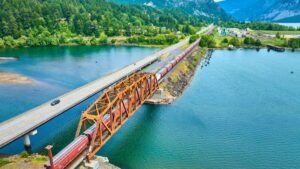
Part of the road’s value comes from the way it was built to work with the landscape instead of simply forcing a path through it. That approach helped define the experience of the Columbia River Gorge as a travel destination and made the route a model for scenic roadway design. Travelers still notice that intention in the curves, the stone details, and the way views open up at carefully chosen moments.
The highway also remains culturally important because it ties together mobility, preservation, and tourism. It serves residents, history enthusiasts, and road-trippers at the same time. That shared use is one reason the route has lasting appeal: it is both an active travel corridor and a historic place that people return to for its character.
If you are interested in a larger road-trip framework after this stop, the broader route-planning logic on USA road trip route ideas can help you decide whether the Columbia River Highway should be a standalone day drive or part of a longer regional loop.
The best Columbia River Highway trip is not the fastest one; it is the one that leaves room for the stops you actually want. Build in time for viewpoints, one or two waterfall walks, and any closures or detours you might encounter.
If you are still comparing scenic-drive options, the safest next step is to read a broader route guide first and then return to this corridor once you know how it fits your trip length and style.
Safety, Access, And Practical Travel Notes
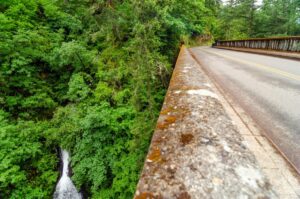
Good trip planning on this route starts with access awareness. Narrower historic segments, busy overlook areas, and weather-related changes can affect how easily you move through the gorge. Clear signage helps, but it is still smart to check current conditions before departure, especially if you are visiting on a weekend or during a season with frequent maintenance.
Travelers who want the smoothest experience should start early, keep their day flexible, and avoid trying to combine too many major stops in one rush. That advice is especially true if you want to pair the scenic drive with a longer hike or multiple photo stops. The route is memorable because of its pacing, and pushing too hard can make it feel crowded instead of scenic.
For readers building a car-based trip around the gorge, practical rental decisions matter too. If you still need a vehicle, choose one that is comfortable for slow scenic driving and frequent stopping, rather than focusing only on speed or size. That is a better fit for this kind of route than a generic point-to-point rental mindset.
What To Do Next If You Are Planning A Broader Road Trip
The Historic Columbia River Highway is strong enough to justify its own day, but it also works well as part of a larger Oregon or Pacific Northwest itinerary. If you are still at the planning stage, compare this route with other scenic drives so you can decide whether you want a waterfall-heavy outing, a coastal route, a mountain drive, or a multi-day road trip with more variety.
That comparison stage is where a broader route hub becomes useful. A page such as Unforgettable USA Road Trip Routes gives you a wider menu, while this page stays focused on the Columbia River Highway itself. Keeping those roles separate helps you choose the right road without mixing up the planning intent.
- A scenic drive with real historic character.
- Easy access to waterfalls, overlooks, and photo stops.
- A route that rewards slow travel more than fast travel.
- A classic Columbia River Gorge experience you can pair with a larger road trip.
Frequently Asked Questions

Megan Hartley is a dedicated writer and travel enthusiast specializing in affordable car rental solutions. With a passion for helping travelers navigate the complexities of securing budget-friendly transportation, she shares insightful tips and engaging content on her platform. Megan’s expertise extends to exploring the latest trends in the car rental industry, ensuring her readers make informed choices for their journeys. Through her work, she inspires others to explore the world without breaking the bank.




I couldn’t agree more about the charm of the Historic Columbia River Highway. It truly embodies both natural beauty and human ingenuity. I remember driving it last spring, and the vibrant greenery coupled with the cascading waterfalls made it feel like I was immersed in a storybook. I made a few stops along the way, and each one offered a different perspective of the gorge, from the sweeping lookouts to the tranquil spots near the waterfalls. It was amazing to see how the engineer’s vision from the early 20th century is still enjoyed by so many today.
The Historic Columbia River Highway truly encapsulates the beauty of Oregon’s natural landscapes while highlighting the ingenuity of early 20th-century engineering. My last visit was in the spring, when the waterfalls were at their most powerful — a sight that perfectly complements the lush greenery lining the route. I appreciate your observation about the seasonal shifts; I would add that the autumn colors create a breathtaking backdrop that enhances the experience even further.
Your insights into the Historic Columbia River Highway really capture its unique charm and the intricate balance of nature and early engineering. I’m particularly drawn to the mention of seasonality—spring and early summer do seem like the go-to times for many, and while the rush of waterfalls is breathtaking, I wonder if the increasing foot traffic detracts from the overall experience. There’s something magical about exploring such stunning landscapes in the quieter fall months, where the colors can be just as vibrant but without the crowds.
The Historic Columbia River Highway truly is a gem, isn’t it? Your post perfectly encapsulates the allure of this scenic drive, blending both natural beauty and a fascinating piece of engineering history. I’ve had the pleasure of exploring parts of the highway and found it to be an experience that transcended the mere act of driving. Each overlook seemed to offer a new perspective on the stunning landscape, encouraging stops to fully immerse oneself in the beauty of the Columbia River Gorge.
It’s interesting to read about the Historic Columbia River Highway as a quintessential Oregon experience. The blend of early 20th-century engineering with nature sounds like a perfect scene for anyone who appreciates not just the destination but the journey itself. I have to agree that spring and early summer seem like ideal times for this drive, as the vibrant greenery and rushing waterfalls create a stunning backdrop.
It’s wonderful to read about the Historic Columbia River Highway, as it evokes some cherished memories from my own travels along that breathtaking route. I remember embarking on a road trip that took me through the heart of the Columbia River Gorge, and the blend of stunning landscapes and historical significance truly made it a standout experience. The engineering marvels from the early 20th century are impressive, but it’s the natural beauty—like those enchanting waterfalls and mesmerizing viewpoints—that steal the show.
I really appreciate how you captured the essence of the Historic Columbia River Highway in your post. It’s amazing how this road not only reflects early 20th-century engineering but also seamlessly integrates with the stunning natural beauty of the Columbia River Gorge. I remember the first time I drove it; I felt like I was stepping into a living postcard. The viewpoints are simply breathtaking, and the waterfalls feel like hidden treasures along the route.
The Historic Columbia River Highway truly embodies the intersection of nature and human ingenuity. I remember driving it last spring—seeing the waterfalls in full flow was an absolute highlight. It’s fascinating how the early 20th-century engineers prioritized not just functionality but the scenic experience, which resonates with our modern desire for sustainable and beautiful travel.
The Historic Columbia River Highway truly offers a unique glimpse into the engineering and natural beauty that defines Oregon. Having driven parts of it several times, I can attest to its remarkable charm and the sense of history that envelops you as you navigate the route. The combination of early 20th-century design with the stunning vistas of the Columbia River Gorge makes for a memorable experience.
Your insights about the Historic Columbia River Highway really paint a vivid picture of what makes this drive so appealing, particularly its blend of historical significance and natural beauty. I have always found the juxtaposition of early 20th-century engineering with the untamed landscapes of the Pacific Northwest fascinating. It’s intriguing how this highway serves as a physical and symbolic connection between human achievement and the grandeur of nature, prompting one to reflect on our impact on the environment.
I really appreciate the breakdown of the Historic Columbia River Highway! It’s one of those drives that never gets old, no matter how many times you take it. I remember my first time cruising along the highway; the mix of history and natural beauty is something that stays with you. The early 20th-century engineering really stands out, especially when you think about how they managed to carve that road out through such rugged terrain. It’s a testament to human ingenuity and the desire to connect with nature.
I really appreciate your insights into the Historic Columbia River Highway! It definitely holds a special place in my heart as it offers such a unique combination of natural beauty and engineering marvel. I remember my first trip there vividly—my friends and I decided to take a spontaneous weekend getaway, and let me tell you, it did not disappoint.
Ah, the Historic Columbia River Highway—a road trip that practically begs you to roll down your windows and sing your favorite road tunes (preferably something with a hint of a nostalgic vibe). It’s like Mother Nature threw a party, and the 20th-century engineers RSVP’d with a resounding “we’ll take care of the details!”
The Historic Columbia River Highway truly embodies the essence of what it means to combine nature with human ingenuity. As someone who has traveled this route multiple times, I can attest to the magical experiences that unfold along the way, each corner revealing a new perspective of the stunning landscape. The way early 20th-century engineers elevated the driving experience, placing the road in harmony with the natural beauty around it, really speaks to the balance we can achieve when we respect and integrate our surroundings with our creations.
The Historic Columbia River Highway indeed presents a unique blend of engineering marvel and natural beauty that has long captivated visitors. I’ve found that spring brings an especially vibrant experience along the route, with the waterfalls at their peak flow and the surrounding greenery in full bloom. It’s a wonderful reminder of how nature and man-made structures can harmoniously coexist.
The Historic Columbia River Highway truly embodies a blend of nature and engineering marvels, making it a unique experience for those who appreciate both. I fondly recall my drive last spring, when the waterfalls were at their most vibrant and the green foliage was simply breathtaking. The interplay of landscape and human craftsmanship is a powerful reminder of our ability to coexist harmoniously with nature.
I completely agree about the magic of the Historic Columbia River Highway! Last spring, I took a trip there, and it really felt like stepping back in time—especially when you see those original stone bridges. I’d recommend stopping at the Rowena Crest Viewpoint; the views of the gorge are breathtaking, especially in late spring when the wildflowers are in bloom.
It’s fascinating how the Historic Columbia River Highway weaves together history and nature so seamlessly. Your description really captures the essence of what makes this route special. It’s not just a drive; it’s almost like traveling through a living museum that showcases early 20th-century engineering amidst stunning natural beauty. I remember my last trip there, and I can’t help but feel nostalgic thinking about the breathtaking viewpoints and the cascading waterfalls that seem to emerge right out of the landscape itself.
The Historic Columbia River Highway indeed offers a unique blend of engineering marvels and breathtaking natural beauty, making it a quintessential Oregon experience. I find the aspect of seasonality particularly intriguing; the contrast between vibrant spring blooms and the serene, crisp atmosphere of fall really enhances the drive. Each season offers its own charm, with the waterfalls thundering with spring runoff or the riverside foliage displaying a dazzling array of autumn colors.
The Historic Columbia River Highway truly brings together nature and human ingenuity, doesn’t it? I took a drive along this route last spring and was captivated not just by the stunning vistas, but also by the stories behind its creation. The engineering challenges they faced in the early 20th century are remarkable to think about, especially when you stand at one of those overlooks.
The Historic Columbia River Highway truly embodies the rich interplay between nature and early engineering ingenuity. I remember my drive along this route last spring; the waterfalls were magnificent, cascading with vigor from the winter melt, and the vibrant greenery made every turn feel like stepping into a painting. It’s fascinating how this highway not only serves as a means to enjoy breathtaking views but also reflects a time when roads were created not just for utility but as experiences in themselves.
I love the Historic Columbia River Highway! It’s such a perfect blend of nature and history. Last summer, I took a drive and absolutely fell in love with the views of Multnomah Falls—seeing it in person is something else compared to photos. I also love how the highway feels like a journey through time with its vintage design. Did anyone else notice how the changing seasons really affect the vibe of the drive? I went in early spring, and the greenery was stunning. But I can only imagine how enchanting it must be in fall. I’m curious if anyone has tips for avoiding crowds during peak times or favorite lesser-known stops along the route. Would love to hear more personal experiences!
The Historic Columbia River Highway indeed encapsulates a blend of engineering marvel and natural beauty that resonates with many travelers. I’ve made the drive a couple of times, and each season offers a unique perspective; the lush greens of spring create a vibrant backdrop, while autumn’s palette can be breathtaking against the falls.
The Historic Columbia River Highway truly captures the spirit of Oregon’s natural beauty! I had the chance to drive it last spring, and I was completely enchanted by the lush greenery and the sound of waterfalls cascading down the cliffside. It’s like stepping back in time with the stunning viewpoints and the cleverly engineered sections that integrate so seamlessly into the landscape.
Your post on the Historic Columbia River Highway beautifully captures the allure of one of Oregon’s hidden gems. Having taken this drive multiple times, I can attest to the unique blend of engineering prowess and natural wonder that defines the experience. The intimacy of the highway, with its narrow lanes and close encounters with nature, contrasts sharply with more modern thoroughfares designed for speed rather than scenery.
I couldn’t agree more with your insights on the Historic Columbia River Highway! It’s truly a remarkable experience that encapsulates the beauty of Oregon’s landscape while showcasing the ingenuity of early 20th-century engineering. I recently took a drive along this route in early spring, and the lush greenery coupled with the thundering waterfalls made it nothing short of magical. Each viewpoint seemed to reveal a new layer of the gorge’s beauty, and I can still hear the rush of water at Multnomah Falls in my mind—it’s a symphony of nature that, unfortunately, you just can’t capture in photos alone.
I really appreciate your insights about the Historic Columbia River Highway. It’s a drive that has been on my bucket list for a while now, and it’s interesting to hear how you’ve laid out the best times to visit and the types of activities that can be enjoyed along the way.
I really appreciate the detailed overview you provided about the Historic Columbia River Highway. It’s hard to understate the allure of this route. A few years back, I took a spontaneous weekend trip to the Gorge, and driving along that highway turned out to be one of the highlights of my journey. The sense of history you mentioned is palpable; you can almost feel the presence of the early engineers who meticulously carved the road out of the mountainous landscape.
The Historic Columbia River Highway indeed evokes a sense of nostalgia and adventure that is hard to replicate. Having driven this route several times, I can attest that it is more than just a scenic drive; it’s an experience that intertwines nature with human ingenuity. The engineering feats from the early 20th century, like the iconic Vista House at Crown Point, serve as reminders of a time when travel was about the journey as much as the destination.
You’ve captured the essence of the Historic Columbia River Highway beautifully. It’s fascinating how this route not only showcases stunning vistas but also reflects the ambitions and creativity of a bygone era. Vista House is particularly special, isn’t it? It stands as a testament to the mindset of those early engineers—crafting a place where people could pause, reflect, and soak in the grandeur around them.
The Historic Columbia River Highway is truly a gem, and it’s fascinating to think about how its early 20th-century engineering has stood the test of time, beautifully integrating with the natural landscape. I particularly love exploring the waterfalls, like Multnomah Falls—there’s something almost magical about being surrounded by such dynamic nature while driving through this historic route.
Your exploration of the Historic Columbia River Highway evokes such fond memories for me. It’s remarkable how a drive can transcend mere transportation and evolve into an experience that connects us with both history and natural beauty. I remember my own trip along this iconic route a couple of years ago, where the charm of early 20th-century engineering certainly added a layer of awe to the breathtaking views. Each waterfall and viewpoint felt like a treasure waiting to be discovered, contributing to that deep sense of connection with nature that so many of us crave.
Your description of the Historic Columbia River Highway truly captures its essence as a blend of engineering ingenuity and natural beauty. I recently drove this route in late spring, and the lush greenery combined with the roaring waterfalls created an almost magical experience. One stop that particularly stood out to me was Multnomah Falls; witnessing the water cascade down while surrounded by the vibrant flora felt like stepping into a postcard.