
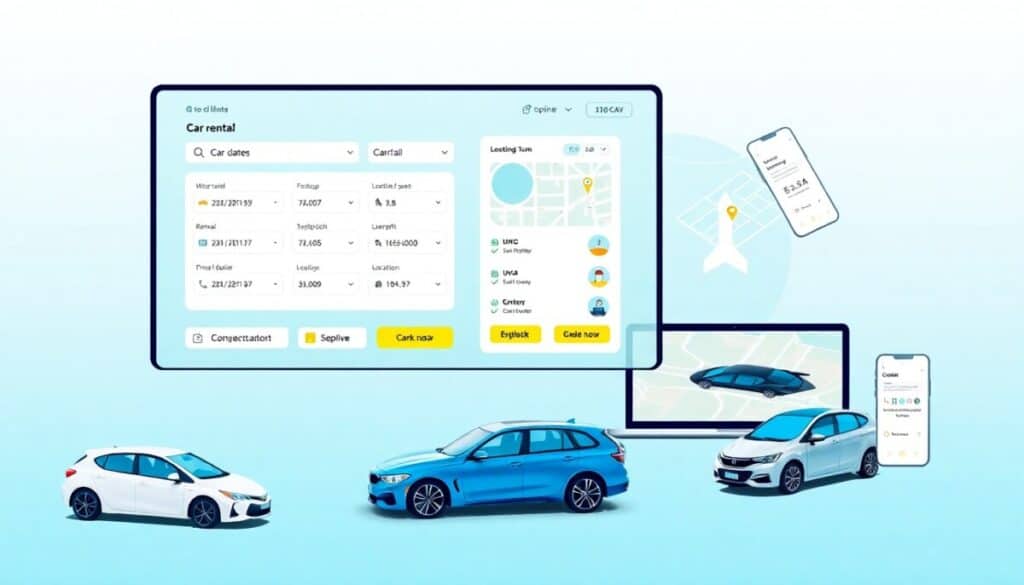
Car rental reservation software helps operators replace manual back-and-forth with real-time booking, pricing, and confirmation workflows. It is the cleaner solution when the goal is fewer double bookings, faster responses, and a more reliable customer experience.
Best Fit rental businesses that need instant confirmations, accurate availability, automatic rate updates, and smoother fleet management.
If you want the broader strategy behind online reservations, start with the online car rental bookings best practices guide and then use automation to execute it more consistently.
What Automation Should Do For A Car Rental Business
The right system should do more than accept bookings. It should connect availability, pricing, payments, and follow-up messages so every reservation is handled the same way, even during busy periods.
| Feature | What it solves | Why it matters |
|---|---|---|
| Real-time availability sync | Stops double bookings and stale inventory | Customers only see vehicles that are actually available |
| Automated pricing rules | Updates rates by season, demand, or vehicle class | Protects margin without constant manual edits |
| Instant confirmations | Removes delays after checkout | Builds trust and reduces support calls |
| Payments and CRM integration | Connects booking data with customer and billing tools | Cuts duplicate entry and improves follow-up |
| Reporting and alerts | Surfaces booking trends, fleet gaps, and maintenance timing | Helps managers act before small issues become lost revenue |
Why Automation Beats A Manual Booking Workflow
Manual reservation handling can work at very small volume, but it becomes fragile as demand grows. The common failure points are easy to spot: missed updates, conflicting vehicle availability, slow replies, and rates that do not change fast enough when demand shifts.
Automation solves those pain points by turning the booking process into a controlled system rather than a series of one-off tasks. Instead of relying on staff to update every channel by hand, the software can publish live availability, apply pricing rules, send confirmations, and trigger reminders without extra steps.
That matters most when reservations spike. Peak travel weeks, holidays, long weekends, and destination events are exactly when errors are most likely to happen. A booking platform that updates in real time keeps the website, payment flow, and fleet records aligned even when your team is busy.
How To Choose The Right System
The best way to evaluate software is to focus on the job it actually performs for the business. A good system should reduce workload, prevent booking mistakes, and give managers the data they need to keep cars moving.
Pricing Control
Make sure rates can change by season, vehicle type, pickup location, or demand.
System Integrations
Prioritize tools that connect with payment processing, CRM software, and accounting systems.
Operational Visibility
Reporting should show booking patterns, utilization, cancellations, and service needs.
If you are comparing booking tech more broadly, the best tech features guide for online car rentals is a useful companion page. It helps separate basic booking convenience from the software capabilities that improve day-to-day operations.
When To Adopt Automation And When To Be Careful
Timing matters as much as the software itself. Many businesses wait until booking volume is already causing mistakes, but that is usually when the transition feels most painful. It is often better to implement automation before the calendar fills up, so staff can learn the new workflow without pressure.
| Situation | What to do | Why |
|---|---|---|
| Before peak travel season | Set up automation early and test booking rules | Gives staff time to adjust before demand rises |
| During high-volume periods | Rely on live sync and automated confirmations | Prevents inventory mismatches and delays |
| When rates change often | Use pricing rules instead of manual rate edits | Keeps pricing current without constant intervention |
| When adding locations or vehicles | Choose software with scalability and reporting | Avoids a painful system change later |
Setting Up The Workflow Without Creating New Problems
Software only improves operations when the setup is done carefully. That starts with clean data, clear user permissions, and simple rules for how the team handles bookings, changes, and cancellations.
Vehicle records should be accurate before launch, including class, rates, location, maintenance status, and any restrictions. If the starting data is messy, automation will only move those errors faster. The same is true for payment and CRM connections: test every handoff before the system goes live so reservations, invoices, and customer records stay consistent.
Training is the last step that often gets overlooked. Staff should understand how to review reservations, update availability, approve changes, and handle exceptions when a manual override is needed. That reduces confusion during the first busy week and makes the new system feel like a control panel instead of a black box.
What Automation Improves For Customers
From the customer’s point of view, automation is mostly about speed and confidence. They want to see available vehicles, understand the rate, complete the booking, and receive confirmation without waiting for a callback or email chain.
That is why automated systems have such a direct effect on conversion. When the process is clear and immediate, more visitors finish the reservation. When the process is slow or uncertain, people leave and compare another provider instead.
Good automation also supports personalization. If the system knows a returning renter usually chooses a compact SUV or prefers airport pickup, it can surface relevant options earlier in the flow. That saves time for the customer and makes the business feel more attentive without increasing staff workload.
Useful Customer-Facing Automations
- Booking confirmations sent immediately after checkout
- Reminder emails or texts before pickup
- Automatic notices when reservation details change
- Suggestions for upgrades or add-ons based on booking type
- Self-service cancellation or modification rules where appropriate
Data Security And Compliance Still Matter
Automation should make operations easier, not less secure. Any booking platform that stores customer identity details, payment information, or rental history needs encryption, role-based access, and regular security reviews.
Compliance is part of the same discussion. Businesses operating across regions may need to consider GDPR or other local data rules, which means the software should support transparent collection, storage, and deletion practices. It is worth checking these basics before implementation, because retrofitting compliance later is expensive and disruptive.
The most practical approach is simple: restrict access, audit the system regularly, and train staff to treat customer data carefully. That protects the business while maintaining the speed benefits of automation.
Choose The Software, Then Pair It With The Broader Booking Strategy
Automation works best when it supports a larger reservation strategy, not when it sits alone. Use the software to prevent errors and speed up operations, then align it with the site-wide booking rules in the best practices guide so the full customer journey stays consistent.
If your current site experience is still fragmented, compare it with car rental apps for online booking and apps to rent a car online to see how booking convenience, mobile access, and automation fit together.
Frequently Asked Questions
For broader booking strategy, the strongest next step is the online car rental bookings best practices guide. If your business is already managing reservations well and now needs better execution, automation is the layer that makes the process faster, cleaner, and easier to scale.

Megan Hartley is a dedicated writer and travel enthusiast specializing in affordable car rental solutions. With a passion for helping travelers navigate the complexities of securing budget-friendly transportation, she shares insightful tips and engaging content on her platform. Megan’s expertise extends to exploring the latest trends in the car rental industry, ensuring her readers make informed choices for their journeys. Through her work, she inspires others to explore the world without breaking the bank.




Your exploration of automation’s pivotal role in the car rental industry sheds light on an often-overlooked aspect of how technology can reshape traditional business models. As someone who has frequently relied on car rentals for both business and personal travel, I can attest to the frustrations that stem from human error—whether it’s arriving to find my reservation was incorrectly logged or experiencing delays due to inefficient booking systems. The implications of these mistakes can ripple out, impacting customer satisfaction and loyalty.
The shift towards automation in the car rental industry is truly intriguing. It’s fascinating to think about how technology can streamline processes not just for the businesses, but also for the customers. For instance, digital check-ins and app-based management have revolutionized the rental experience, allowing for seamless interactions.
It’s interesting to see the car rental industry embrace automation so fully, especially in a landscape that is rapidly evolving. I look at my own experiences with rental services, and it’s clear how a streamlined process can significantly enhance customer satisfaction. For instance, I recall a time when a mix-up in my booking led to a frustrating wait and unnecessary stress. Just as you mentioned, human error in these situations can lead to costly and inconvenient complications.
I appreciate your insights on the importance of automation in the car rental industry. It’s interesting to see how technology has transformed our expectations and experiences in various sectors, especially as consumers increasingly seek efficiency and reliability. I remember dealing with a double booking once during a family trip—it was frustrating and took a lot of time to resolve. Your point about minimizing human error really resonates with me, as it could significantly enhance customer satisfaction and build trust in car rental services.
The discussion around automation in the car rental industry resonates deeply with the broader shift we’re witnessing in many sectors—efficiency is becoming a cornerstone of customer satisfaction. Just like in the travel industry, where tools like AI and machine learning have revolutionized how we book flights and hotels, car rental agencies are standing at the precipice of a similar transformation.
I completely agree with your take on the evolution of the car rental industry and its parallels with the travel sector. The emphasis on efficiency really stands out as a key driver of customer satisfaction. For instance, when I’ve used AI-powered chatbots for booking flights, the process felt seamless and saved so much time. It’s fascinating to think about how car rental agencies might implement similar technologies to streamline everything from picking up the vehicle to handling returns.
You raise some excellent points about the role of efficiency in enhancing customer satisfaction within both the car rental industry and the broader travel sector. As you’ve experienced with AI-powered chatbots in flight bookings, technology can significantly reduce friction in what could otherwise be a tedious process.
You know, when I first entered the world of car rentals, my experience could have been the plot of a sitcom. I remember walking up to the counter, only to find out 10 minutes in that they had me down for a compact car instead of the shiny SUV I had reserved. I mean, who knew a Toyota Yaris could evoke such existential dread? As much as I love the idea of squeezing into smaller spaces (and my tiny sedan actually does wonders for parallel parking practice), there’s something about having enough room for groceries, golf clubs, and the small army of snacks I inevitably bring along on road trips that speaks to my soul.
This blog post really resonates with the ongoing conversations we’ve been having about the role of technology in our everyday lives, especially in industries that might initially seem traditional or resistant to change, like car rentals. It’s fascinating to see how quickly these businesses are evolving by embracing automation to streamline operations and enhance the customer experience.
Your exploration of automation in the car rental industry really resonates with the direction many sectors are heading. It’s fascinating to think about how technology can not only elevate efficiency but also enhance the overall customer experience. I’ve recently noticed that consumer expectations are shifting—people now expect seamless interactions with services, from booking to payment.
It’s great to hear your thoughts on how automation is reshaping the car rental industry. You hit the nail on the head about the evolution of consumer expectations. It’s like we’re in a world where convenience isn’t just a luxury anymore; it’s an expectation. With so many options available at our fingertips, people are leaning towards services that cater to a more seamless interaction.