
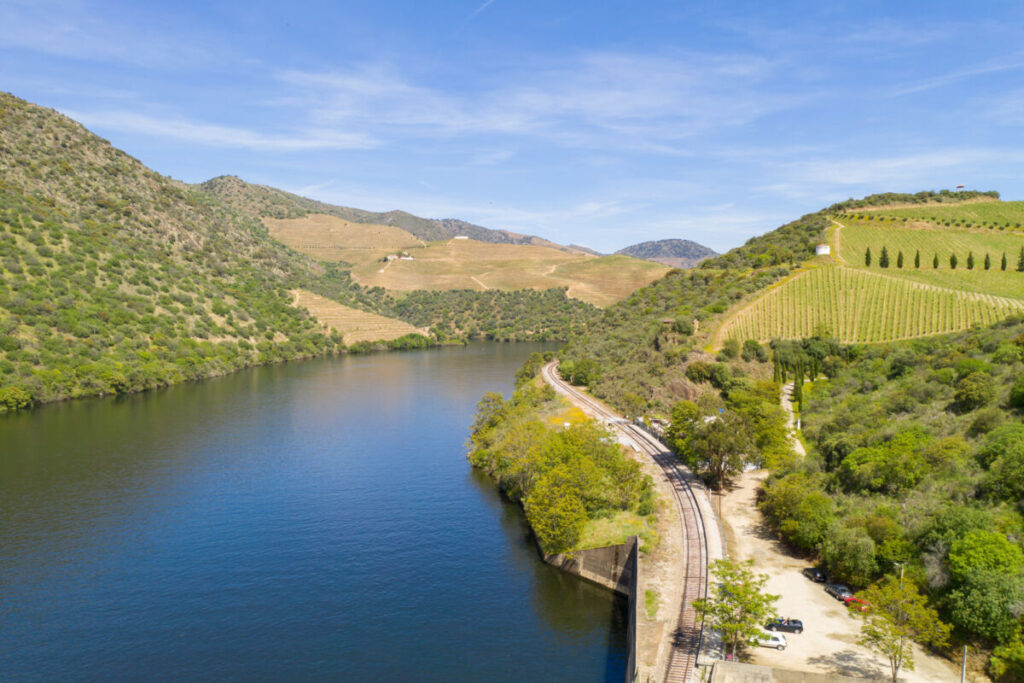
If You Want The Douro Valley At Its Best, Self-Drive The N222 In Daylight And Keep The Day Centered On Two Or Three Vineyard Stops, Not A Long List Of Tastings. The route rewards unhurried driving, short scenic breaks, and advance booking for the wineries you care about most.
For broader road-trip planning ideas, you can also look at a classic scenic-drive guide and then bring that same pace to the Douro.
What This Drive Is Best For
The Douro Valley works best for travelers who want vineyard views, river bends, and a relaxed self-drive day with room to stop for photos, lunch, and a tasting or two. It is less about covering distance and more about choosing the right stretch of road and the right sequence of stops.
If your goal is a scenic wine route rather than a fixed tour, the main decision is whether to drive yourself, join a tour, or use train plus taxi. The comparison below keeps that choice simple.
Choose The Right Format
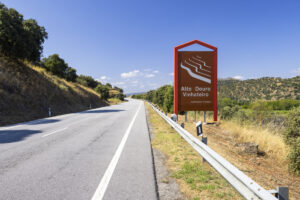
A Practical Douro Driving Plan
The most satisfying route is usually a Porto-to-valley day trip or an overnight loop that follows the river and then returns inland. The famous N222 is popular for a reason: it links the scenery naturally, with enough curves and viewpoints to make the journey part of the experience.
Start early, drive in daylight, and treat the first half of the day as the scenic leg. Save your longest tasting stop for after you have already enjoyed the road. If you want more destination-drive inspiration, this Sacred Valley road trip guide shows the same kind of slow, landscape-first pacing that works well here.
- Keep the schedule light: two wineries and one viewpoint is often enough.
- Choose lunch near your main tasting stop so you are not driving hungry or rushed.
- Avoid late returns on unfamiliar mountain roads, especially after tastings.
Best Route Logic
Follow the river-facing stretches first, then branch to a winery with a strong lunch option or a terrace view. That order gives you the best scenery before the day turns practical.
Parking And Access
Parking is easiest when you choose wineries that clearly welcome visitors by car. Confirm access in advance, especially for smaller estates on narrow lanes.
Driving Comfort
Expect winding roads, short hills, and frequent viewpoints. A compact car is usually enough unless your itinerary includes rougher access roads or a longer rural loop.
When To Go And When To Book
Timing changes the experience a lot. Spring and early autumn are the sweet spots for comfortable driving and clear views, while summer brings fuller roads and the need to book tastings and lunches earlier.
If you are still deciding whether a self-drive day is the right fit, compare it with another scenic road-trip format such as the Overseas Highway or Monument Valley, which are better models for an all-day scenic loop than a quick point-to-point transfer.
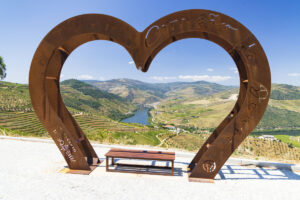
What To Look For At Wineries
Not every estate is equally practical by car. The best stops for a wine drive usually combine clear road access, parking, and a setting that rewards time on site rather than a rushed tasting counter visit.
- A terrace or river view that justifies the detour.
- Advance booking for tastings, especially on weekends.
- A lunch menu or picnic-friendly setup so the stop can anchor the day.
- Clear instructions for parking and arrival, since some lanes are narrow.
For readers comparing route ideas, the broader scenic-drive collection is useful for seeing how different landscapes reward different pacing, but the Douro is especially strong when you limit the number of stops.
Plan The Drive Before You Book Anything Else
If the Douro is your priority, decide on your route first, then lock in the winery and lunch reservations that fit it. That order prevents the day from turning into a series of disconnected stops.
When you want a broader travel basis for a Portugal road trip, this Portugal itinerary page can help you fit the Douro into a longer trip rather than treating it as an isolated transfer.
Frequently Asked Questions
Is The Douro Valley Easy To Drive?
Yes, if you are comfortable with winding rural roads and you keep the itinerary modest. It is best treated as a scenic drive, not a fast transit route.
Which Is The Best Scenic Drive In Douro Valley?
The most popular choice is the N222 corridor because it pairs the river views with practical access to vineyards and viewpoints.
What Is The Best Douro Valley Wine Tour?
The best option depends on your travel style: choose self-drive if you want flexibility, a guided tour if you want simplicity, or train plus taxi if you want a lighter logistics load.

Megan Hartley is a dedicated writer and travel enthusiast specializing in affordable car rental solutions. With a passion for helping travelers navigate the complexities of securing budget-friendly transportation, she shares insightful tips and engaging content on her platform. Megan’s expertise extends to exploring the latest trends in the car rental industry, ensuring her readers make informed choices for their journeys. Through her work, she inspires others to explore the world without breaking the bank.



This approach to exploring the Douro Valley truly resonates with me. The idea of embracing a slower pace and savoring the landscape rather than rushing through a list of tastings captures the essence of wine country. I recently had a similar experience in Napa Valley, where an unhurried drive through the vineyards allowed for spontaneous stops and an appreciation of the rolling hills and vineyards.
What a fantastic perspective on exploring the Douro Valley! Your emphasis on the importance of pacing truly resonates with me. Many travelers often rush through iconic landscapes, eager to tick off every spot on their itinerary without really absorbing the beauty around them. I wholeheartedly agree that the Douro Valley deserves a more leisurely approach, allowing for not just vineyard visits, but also those spontaneous moments where you can soak in the breathtaking views—a small roadside picnic or a few extra minutes at a viewpoint to relish the stunning river bends.
Your insights on the Douro Valley resonate deeply with my own experiences exploring scenic routes in wine country. I completely agree that the journey is as important as the destination, and the idea of savoring the landscape while embracing a more leisurely pace is essential.
I completely resonate with your perspective on the Douro Valley experience! There’s something so enchanting about taking it slow and truly immersing oneself in the breathtaking landscape. The idea of limiting vineyard stops to just two or three is spot on—this approach not only allows you to savor each tasting but also offers the chance to appreciate the lovely river bends and rolling hills without feeling rushed.
Your emphasis on a leisurely pace along the N222 truly resonates with the experience of exploring the Douro Valley. It’s fascinating how the landscape encourages a mindset shift; rather than rushing from one tasting to the next, taking the time to appreciate the views and savor local cuisine can transform a simple road trip into a memorable journey.
Your insights on driving the N222 in the Douro Valley truly resonate with the idea of savoring the experience rather than rushing through it. I’ve taken similar scenic drives in other wine regions, and I find that the journey often becomes just as memorable as the destination. For instance, I once spent a leisurely day in Napa Valley, where my focus was on two favorite vineyards, allowing for ample time to appreciate the stunning landscapes and enjoy the conversations with the winemakers.
This perspective on exploring the Douro Valley resonates with me deeply. It’s so true that the experience is enhanced when you allow the landscape and its offerings to dictate the pace rather than a packed itinerary. There’s something magical about those spontaneous stops—whether it’s capturing a stunning view or savoring a locally paired lunch at a vineyard.
Your emphasis on a leisurely pace for exploring the Douro Valley really resonates with me. This region, with its breathtaking landscapes and vineyards, truly deserves a more thoughtful approach to travel. I’ve had my fair share of hurried winery tours where the rush to tick off a checklist of tastings often detracts from the appreciation of the environment and the wine itself. One of my fondest memories from a similar trip was taking a full afternoon to visit just two vineyards. This not only allowed me to engage deeply with the winemakers but also to explore the surroundings between stops, soaking in the beauty of the terraced hills and the winding river.
Your emphasis on the importance of taking the N222 in daylight really resonates with me. There’s something special about allowing the landscape to unfold at a leisurely pace, especially in a region as stunning as the Douro Valley. Last summer, I had the pleasure of driving through the valley and can attest that the river bends and vineyard vistas are best savored—not rushed.
Your insights on the Douro Valley and the N222 resonate deeply with my own experiences! I completely agree that slowing down and savoring each moment is key to truly appreciating this stunning region. There’s something magical about winding through the vineyards, stopping for those breathtaking views or a spontaneous picnic by the river.
Your insights about the Douro Valley resonate deeply with anyone who appreciates not just the destination but also the journey itself. It’s fascinating how a self-drive experience can transform our perception of a place, especially in a region as picturesque as the Douro Valley. The emphasis on unhurried driving and making fewer, well-planned stops rather than cramming a long list of tastings into one day speaks volumes about the importance of savoring experiences rather than rushing through them.
I couldn’t agree more with the focus on savoring the experience rather than rushing through a long list of vineyard stops in the Douro Valley! There’s something special about slowing down and truly taking in the breathtaking scenery, especially those winding curves along the river. I recently did a similar drive in Tuscany, where I made it a point to limit my stops to a couple of wineries that caught my eye. The difference was striking—I was able to enjoy a leisurely lunch and spent extra time soaking in the views rather than just ticking boxes on a list.
I really appreciate your perspective on exploring the Douro Valley, and I couldn’t agree more about the importance of taking it slow. There’s something uniquely enriching about savoring the journey rather than just checking places off a list. A couple of years ago, I took a similar route through a wine region in California, and it was transformative to just enjoy the sights, sounds, and of course, the flavors of the local wines without feeling rushed.
What a wonderfully insightful post! Your emphasis on the importance of taking a leisurely approach to the Douro Valley resonates deeply with me. I remember my own experience driving through that stunning region, and it was truly transformative to soak in the landscape without the pressure of squeezing in too many vineyard visits.
Your reflections on the Douro Valley truly resonate with my experiences of traveling through wine country. There’s something particularly magical about taking the time to enjoy the scenic roads, such as the N222, at a leisurely pace. I completely agree that a day centered around just two or three vineyard stops allows for a more immersive experience. Rushing through a long list of tastings often leads to missing out on the beauty that surrounds us and the stories behind the wines.
I appreciate your thoughts on the Douro Valley; it truly is a special place. Driving along the N222, with the vineyards stretching out on either side, feels like stepping into a living painting. I find there’s a certain rhythm to those scenic roads that invites you to slow down and really soak in your surroundings.
I really love the perspective you’ve shared about the Douro Valley and your emphasis on savoring the journey rather than just ticking off a checklist of vineyards. It’s such a refreshing reminder that travel is often about the experience and connection rather than just the destination. The N222 road sounds like a picturesque drive, and I couldn’t agree more about the importance of planning for a relaxed pace—it’s amazing how much more you appreciate the stunning scenery when you’re not rushing.
Your insights about the Douro Valley and the N222 resonate so much with my own experiences! I completely agree with the idea of taking a leisurely approach, soaking in the stunning landscapes rather than rushing from one tasting to another. It’s those moments of stopping to appreciate the river bends and panoramic views that truly make the experience special, isn’t it?
Your emphasis on a leisurely journey along the N222 in the Douro Valley really resonates with how I believe travel should be experienced—especially in a region so rich in both natural beauty and cultural heritage. The advice to limit vineyard stops to just a couple is particularly insightful. Too often, travel can become a check-list activity, where visitors feel pressured to tick off as many destinations as possible without truly experiencing them. By focusing on just two or three wineries, you’re able to immerse yourself in the story of each place, the terroir, the nuances of the wine, and of course, engage more meaningfully with the locals.
I couldn’t agree more with your insights about the Douro Valley and the importance of savoring the self-drive experience along the N222. The slower pace encourages a deeper appreciation of the breathtaking scenery, the intricate landscapes shaped by both nature and centuries of winemaking tradition. I remember my own trip there, where I allowed myself to get lost in the moment—stopping not only for vineyard tastings, but also to admire the terraced vineyards that cascade down the hillsides, dotted with olive trees and the glint of the Douro River below. It was a reminder of how crucial it is to remain present, as each twist and turn of the road reveals something spectacular.
This really resonates with me! The idea of taking your time on the N222, with a focus on just a couple of vineyards, sounds perfect for truly soaking in the beauty of the Douro Valley. I’ve always found that over-scheduling can quickly turn a relaxing experience into a rushed one.
Your insights on exploring the Douro Valley resonate deeply with me. I’ve always believed that the journey is just as important as the destination, especially in a place as breathtaking as this. The emphasis on unhurried driving and savoring the landscape is so crucial. It’s easy to get caught up in trying to tick every winery off the list, but there’s something special about taking the time to truly absorb the beauty around you.
Your insight into the Douro Valley experience is refreshing and resonates deeply with the current trends in travel. The emphasis on a more relaxed, scenic journey rather than an exhaustive list of vineyard stops is particularly poignant; it reflects a broader shift in how we approach travel in an age where the fast pace of life often overshadows the joy of leisurely exploration.