
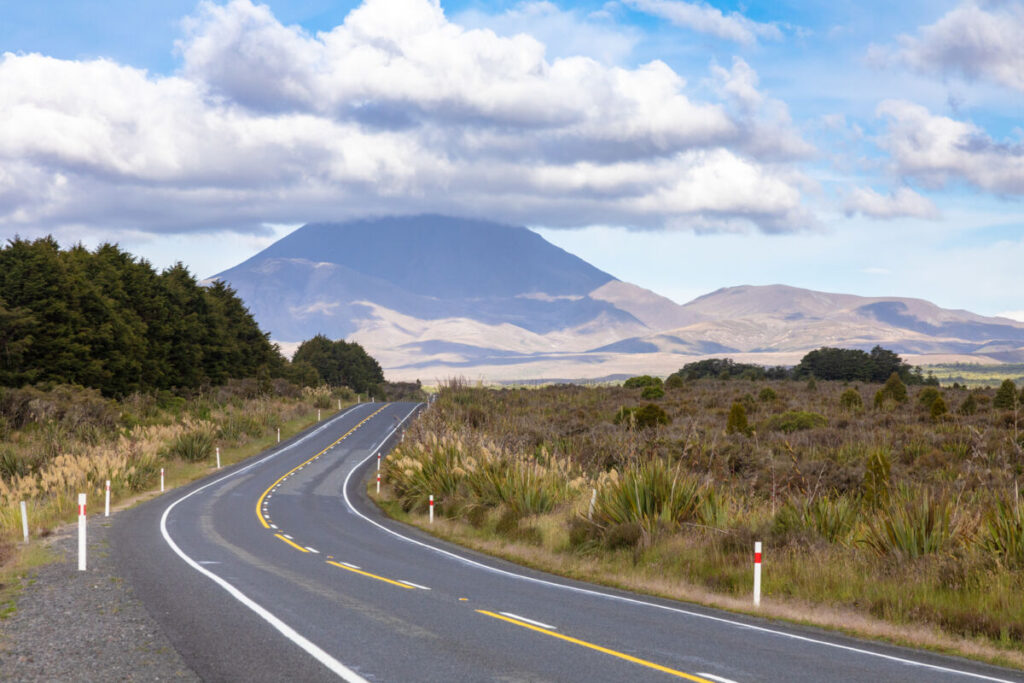
A North Island road trip works best when you plan the big driving shape first, then leave room for the detours that make New Zealand memorable. The sweet spot is a route that balances scenery, rest stops, and enough time to actually enjoy places like Rotorua, Tongariro, and the Coromandel Coast.
Quick planning read
If you want a broader trip plan, start with this guide and then compare a narrower route like the Coromandel Peninsula road trip once you know how many days you have.
Plan The Route Before You Book The Stops
The main decision is not how many places you can name; it is how much driving you are willing to do between each stop. North Island routes are most enjoyable when you map the trip around a realistic daily distance, then match the route to the experiences you care about most.
If your priority is a classic self-drive trip, make Auckland your starting point and choose a direction that keeps the driving sensible. If your goal is a longer New Zealand holiday, this article works well alongside broader planning advice in ultimate road trip planning tips, especially when you are deciding how to split time between cities, beaches, volcanic landscapes, and national parks.
A practical rule for the North Island
Plan fewer driving hours than you think you need. On a North Island road trip, the real value comes from flexibility for geothermal stops, coastal lookouts, short walks, and unplanned café breaks.
When To Go And When To Book
Season changes the trip more than many first-time visitors expect. Summer brings the easiest driving conditions and the strongest demand for rental cars, popular stays, and ferry-linked travel. Shoulder seasons are often the best compromise: still pleasant, usually less crowded, and easier on the budget. Winter can be great for lower crowds and moody scenery, but it asks for more buffer time and a little more caution on longer drives.
Build A Route That Fits Your Style
A North Island road trip can feel completely different depending on which regions you include. Coastal loops are better for travelers who want beaches, bays, and scenic detours. Volcanic and geothermal routes work better for people who like iconic landscapes, hot springs, and shorter hops between highlights. A city-and-nature mix suits travelers who want Auckland at the start, Wellington at the end, and plenty of stops in between.
The Coromandel works well as a side trip if you want beaches and slow travel, but it should sit inside a larger North Island plan rather than replace one. If you are deciding where the broader trip begins and ends, the regional guides in rent a car online for your next road trip adventure can help frame the rental side of the decision before you commit to a route.
- Choose one anchor region first: Auckland, Rotorua, Taupō, Wellington, or the Coromandel.
- Keep your longest driving days early or late in the trip, not in the middle.
- Use scenic detours as rewards, not as the core of every day.
- Leave space for weather changes, especially if you are mixing coastline and inland roads.
Budget, Pacing, And What To Pack
Budgeting is easier when you separate fixed costs from flexible ones. The biggest fixed items are the vehicle, fuel, and stays. The flexible items are activities, café stops, and last-minute detours. If you want the trip to feel relaxed instead of restrictive, keep a buffer for extras so you can stop when something interesting appears.
A simple packing list should cover navigation, layers, water, snacks, and charging gear. If you are camping, then the list becomes more gear-heavy; if you are staying in motels or hotels, lighter packing usually makes more sense. For travelers comparing vehicle types or rental styles, the practical advice in essential road trip rules and tips translates well to self-drive planning because the same basics apply: know the rules, keep the car prepared, and avoid overloading the schedule.
Packing essentials
- Phone charger and car charger
- Reusable water bottle and snacks
- Layered clothing for changing weather
- Road atlas or offline maps as a backup
- Basic first-aid items and sunscreen
Read The Road, Not Just The Map
The best North Island trips stay flexible. Weather, roadworks, and local events can change the rhythm of a day, so it helps to protect the plan rather than defend every stop on the list. If conditions shift, move indoor attractions forward, shorten the drive, or swap a long leg for a slower scenic one. That adaptability is what keeps the trip enjoyable instead of tiring.
Travel companions matter here too. Groups that agree on pace, spending, and how many stops to make will usually have a better time than groups that try to squeeze in everything. Clear expectations before departure are worth more than a perfect itinerary. And when you are ready to secure the vehicle, the simplest next step is to compare options through this road trip rental guide so the car fits the route, not the other way around.
Plan the route, then book the car
Once you know whether your North Island road trip is a short loop, a one-week circuit, or a longer southbound drive, booking becomes much easier. Match the vehicle to the terrain, the number of travelers, and how much luggage you will carry.
A Few Common Questions
How Many Days Do You Need For A North Island Road Trip?
You can see a few highlights in 3 to 5 days, but 6 to 8 days gives you a much better balance of driving and exploring. Ten days or more lets you build a slower, more rewarding route.
Is The Coromandel Worth Including?
Yes, especially if you want beaches, scenic coastal driving, and a slower pace. It works best as one part of a broader North Island itinerary rather than the whole trip.
When Should You Book Rental Cars And Stays?
Book early for summer, public holidays, and any route that includes popular stops such as the Coromandel or Rotorua. Shoulder seasons allow more flexibility, but the best vehicle and room choices still go first.

Jessica Malone is a passionate writer and travel enthusiast, specializing in affordable car rental solutions. With a keen eye for detail, she explores various aspects of cheap car rentals, offering readers practical tips and insights to maximize their travel experiences. Through her engaging articles, Jessica aims to empower travelers to make informed decisions and navigate the world of online car rental services with ease.




I love the idea of balancing a structured route with spontaneous detours—like a road trip version of “you can’t plan fun.” I remember driving down the Coromandel Coast and stumbling upon a hidden beach that wasn’t on the map. We spent hours there, dodging the cold waves and exploring tide pools. It’s those unplanned moments that end up being the trip’s highlight!
You’ve captured the essence of a North Island road trip beautifully. I completely agree that the best journeys come from a balance of planned destinations and spontaneous detours. I remember my own trip where we had fully mapped out our stops, but it was the impromptu visit to a local hot spring outside Rotorua that turned out to be one of the highlights of the trip.
This post brings up essential considerations for anyone planning a road trip through New Zealand’s North Island. Your emphasis on striking a balance between the main driving route and the spontaneous detours really resonates with me. When I took a similar trip a couple of years ago, it was those unplanned stops that turned out to be the most memorable parts of the journey.
You really hit the nail on the head with planning the route first! I took a road trip around the North Island last summer, and I found that those spontaneous detours—like stopping at a hidden beach or a quirky roadside café—became some of my favorite memories.
I really appreciate your take on road trips in New Zealand! It’s so true that planning routes for the scenery and not just efficiency can transform the experience. I did a trip around the Coromandel a while back, and taking those winding coastal roads was absolutely worth the extra time. The views at places like Cathedral Cove were breathtaking and made for some great photo ops!
Your insights on tailoring a North Island road trip by emphasizing both the route and the potential for spontaneous detours resonate strongly with a travel philosophy I hold dear. I’ve often found that the most rewarding experiences stem from those unexpected stops—whether it’s a charming roadside café that serves the best flat whites, or stumbling upon a scenic viewpoint that was not on the itinerary.
I really appreciate your advice on planning a North Island road trip and the emphasis on leaving space for detours. During my last trip to New Zealand, I learned that some of the most unexpected stops can lead to the most memorable experiences. For instance, while heading towards Rotorua, we took a spontaneous detour to a small geothermal park that wasn’t on any of the main tourist lists. The vibrant hot pools and the peaceful setting made for an unforgettable afternoon, far removed from the usual crowds.
Your insights on road trip planning resonate deeply with my experiences exploring New Zealand. I remember my journey along the Coromandel Coast, where the spontaneous stops for fresh fish and stunning viewpoints transformed a simple drive into an unforgettable adventure. The art of balancing a set itinerary with room for detours truly enriches the travel experience. It reminds me of the stories shared by fellow travelers I met along the way—each one had their unique twists that made their journeys special.
Your insights on planning a North Island road trip truly resonate with me. I’ve undertaken a few road trips throughout New Zealand, and I’ve come to believe that flexibility is key to experiencing the best of what this stunning country has to offer. There’s a certain joy in mapping out a rough itinerary while also allowing for spontaneous stops and detours, particularly in regions like the Coromandel Peninsula, where hidden gems often lie just off the beaten path.
Your insights on planning a North Island road trip really struck a chord with me. I remember my own experience navigating the diverse landscapes of New Zealand. The key, as you’ve noted, is finding that balance between a well-planned route and the spontaneous detours that lead to hidden gems.
Your insights on planning a North Island road trip in New Zealand hit the nail on the head, particularly regarding the balance between a well-outlined route and the spontaneous detours that truly enrich the travel experience. It’s interesting to consider how this approach not only enhances enjoyment but also allows for deeper engagement with the landscape and culture.
You’ve perfectly captured the essence of a road trip in New Zealand—the balance between planning and spontaneity really does make all the difference. I remember my own trip along the Coromandel Peninsula; the winding roads along the coast were breathtaking, but it was the unexpected stops—like a hidden beach or a quirky roadside café—that truly enriched the experience.
It’s interesting how you’ve laid out the approach to planning a North Island road trip, particularly the emphasis on balancing a well-structured route with the flexibility for spontaneous detours. I completely resonate with the idea that it’s often those unplanned stops that lead to memorable experiences—like stumbling upon a hidden beach or a quaint café in a small town.
I really appreciate your insights on planning a North Island road trip! It’s such a delicate balance between mapping out the essential stops and allowing for the spontaneous adventures that truly make a trip to New Zealand unforgettable. I remember when I did a similar trip, I had a rough outline of places I wanted to hit—Auckland, Rotorua, and the Coromandel Coast were definitely on the list—but I left plenty of room for unplanned experiences.
This is an insightful perspective on planning a road trip through New Zealand’s North Island. Your focus on the balance between structure and flexibility really resonates with me. It’s so easy to get caught up in the excitement of listing iconic destinations but, as you mentioned, the magic often lies in those spontaneous detours that invite genuine exploration.
You made a great point about the importance of planning a road trip structure in New Zealand. I remember my last trip there when we started with a pretty rigid itinerary, only to realize that some of the best moments came from those spontaneous detours. For instance, we stumbled upon a tiny local market in a small town while driving between Rotorua and Taupō. It ended up being a highlight of our trip—such a great way to connect with the locals and taste some homemade goodies.
This road trip planning strategy is spot on! It reminds me of my last adventure in NZ, where my friend and I meticulously plotted our course—only to end up taking those scenic detours that led us to a hidden hot spring in the woods. We may have spent more time searching for rural routes than actual locations, but the spontaneous moments are what I cherish the most.