

A Canadian Maritimes driving tour works best when you plan for coastlines, ferries, weather shifts, and a pace that leaves room for detours. For broader route ideas in the same style, you can also compare this trip with the Wales coastal driving route and other scenic-road-trip guides.
Quick Decision Guide If you want cliffs, lighthouses, and winding ocean views, focus on Nova Scotia and Cape Breton. If you want easier interprovincial loops with short hops and strong food stops, add New Brunswick and Prince Edward Island. If your window is flexible, late spring through early fall is the safest bet for road conditions and open attractions.
What A Canadian Maritimes Driving Tour Should Cover
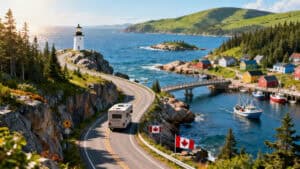
A strong Maritimes road trip is not just a loop of scenic highways. It is a route that connects the region’s most rewarding landscapes: the Atlantic coastline of Nova Scotia, the forested hills and Acadian communities of New Brunswick, the low-key island pace of Prince Edward Island, and the steep, cinematic roads of Cape Breton. The best trips balance driving days with harbors, beaches, walking trails, local food, and time for the weather to change plans without ruining the journey.
If your main goal is simply to enjoy beautiful coastal driving, you can keep the route compact. If you want a more complete overview of the region, add one province at a time and avoid packing the itinerary too tightly. For a wider set of route templates and related long-form itinerary ideas, the travel articles collection is a useful starting point.
Best Pace
Keep most driving days under 4 to 5 hours if you want time for viewpoints, cafés, and short walks. The region rewards slower travel more than long uninterrupted mileage.
How To Plan The Route, Timing, And Booking Window
For the Maritimes, timing changes the trip more than most travelers expect. Summer offers the widest choice of open attractions and the most reliable coastal conditions, but it also brings the most demand for popular stays in places such as Halifax, Lunenburg, Cavendish, and along the Cabot Trail. Early fall can be excellent for cooler temperatures, fewer crowds, and strong foliage colors, especially in Nova Scotia and New Brunswick.
If you are booking the trip rather than just daydreaming about it, lock in lodging earlier than you would for an ordinary city break. The most scenic areas often have fewer properties, and a one-night mistake in the wrong town can waste a big chunk of your drive. Ferry schedules and provincial holiday weekends also matter, so check dates before finalizing your route. When you want a broader comparison of long scenic-drive formats, the Norway road trip guide is a good example of how to plan around weather and dramatic coastal roads.
Recommended Booking Timing
Route Planning That Fits The Maritimes
The most practical way to build a Maritimes route is to think in clusters rather than a single sweeping line on a map. Nova Scotia pairs well with Cape Breton because the province offers a natural rhythm of city, fishing villages, beaches, and long coastal stretches. New Brunswick works well when you want a mix of driveable distances and a few standout scenic detours such as bay views, covered bridges, and food stops. Prince Edward Island can be treated as a restful contrast: shorter drives, easy sightseeing, and a gentler pace.
This is also where the trip becomes more memorable. Do not plan the entire drive around reaching the next overnight stay. Build in places where you can stop without feeling rushed: lookout points, beaches, farmers markets, fishing wharves, and small museums that tell you something about the region. If your interests lean toward island or coastal touring, the Jeju Island driving tour and the Ireland road trip guide show similar pacing principles for scenic self-drive travel.
What To Pack And How To Prepare The Vehicle
The general road-trip advice in the original draft still matters, but it works best here as support for the destination. Pack for changeable weather first. In the Maritimes, a sunny morning can turn into mist, wind, or light rain by afternoon, especially on exposed stretches of coastline. Layered clothing, a waterproof shell, and comfortable shoes for unplanned walks will do more for you than extra gear you never use.
The vehicle checklist should be equally practical. Before you leave, check tire pressure, tread depth, fluid levels, wipers, lights, brakes, and battery condition. Carrying a first aid kit, flashlight, and charging cable is still wise, but the bigger value comes from making sure the car is road-ready before you reach rural areas where services may be limited. If you are choosing a vehicle for the trip itself, the right rental-car guide can help you match luggage space, comfort, and road conditions to the route.
- Check tires, wipers, lights, and fluids before the first long leg.
- Carry offline maps or downloaded directions for rural and coastal stretches.
- Keep snacks, water, a charger, and a light blanket within reach.
- Leave room in the schedule for scenic stops, weather delays, and ferry timing.
Safety, Flexibility, And A Better Day On The Road
Safety in the Maritimes is less about dramatic hazards and more about preparation. Traffic is often manageable, but weather, fog, rural shoulders, and long distances between services can change the character of the drive quickly. Know the local rules, give yourself buffer time, and do not overcommit to late arrivals after a full day behind the wheel. That single habit can transform a tiring itinerary into a comfortable one.
A flexible itinerary is also useful when the region gives you something better than the plan you made. A clear afternoon may tempt you to stay longer at a beach or viewpoint. A foggy morning may push a scenic section to later in the day. That kind of adjustment is not a failure of planning; it is how good road trips become memorable. For another example of balancing scenic ambition with safe, realistic pacing, the Florida Keys Overseas Highway guide offers a similar mindset.
Where To Go Next
If you want a wider scenic-driving comparison after planning the Maritimes, the broader route cluster page is the best next stop because it collects related self-drive ideas in one place.
How To Handle Unexpected Challenges
Weather delays, missed turns, roadworks, and ferry changes happen on real trips. The best response is simple: keep one alternate route in mind, avoid stacking too many timed reservations on one day, and build in a cushion wherever you can. If you are traveling with family or friends, agree early on how you will react when the route changes so one detour does not become a group conflict.
This is also why route selection matters so much. A shorter trip with breathing room often feels richer than a longer one that is always in a hurry. The scenic views are better when you can actually stop for them.
A Practical Final Check Before You Leave
- Choose one core region or loop instead of trying to cover every Maritimes highlight.
- Confirm ferry times, hotel check-ins, and driving distances between stops.
- Pack for rain, wind, and temperature swings, even in summer.
- Inspect the car and keep a backup navigation option offline.
- Leave space for the unplanned viewpoint, local meal, or short trail that makes the trip feel personal.
Frequently Asked Questions
What Is The Best Time For A Canadian Maritimes Road Trip?
Late spring through early fall is usually best, with summer offering the easiest access to attractions and early autumn delivering cooler weather and strong scenery.
How Many Days Do You Need?
A focused trip can work in 5 to 7 days, but 10 to 14 days gives you a much better chance to enjoy Nova Scotia, New Brunswick, and Prince Edward Island without rushing.
Should You Rent A Car For The Maritimes?
If you are flying in or want flexibility between scenic towns and coastal routes, a rental car is usually the easiest way to keep the itinerary open and comfortable.



Megan Hartley is a dedicated writer and travel enthusiast specializing in affordable car rental solutions. With a passion for helping travelers navigate the complexities of securing budget-friendly transportation, she shares insightful tips and engaging content on her platform. Megan’s expertise extends to exploring the latest trends in the car rental industry, ensuring her readers make informed choices for their journeys. Through her work, she inspires others to explore the world without breaking the bank.




Your insights on planning a driving tour in the Canadian Maritimes are spot on, especially regarding the emphasis on safety first. Having recently completed a road trip through that region, I found that factoring in weather conditions significantly impacted our experience—particularly during the shoulder seasons. It’s crucial to check forecasts frequently.
The insights shared about planning a driving tour in the Canadian Maritimes resonate deeply with my own experiences traveling through that picturesque region. Safety should indeed be the top priority when embarking on such adventures, and I appreciate how you’ve highlighted the importance of route planning and weather considerations.
Your insights on planning a driving tour resonate deeply, especially when considering the unique beauty and diverse experiences the Canadian Maritimes offer. I couldn’t agree more with prioritizing safety, which often gets overlooked in the excitement of planning a trip. On my last road trip, I faced some unexpected weather conditions that really emphasized the importance of flexibility and preparation.
It’s fascinating how weather can completely change the dynamics of a road trip, isn’t it? I had a similar experience on a trip through the Rockies last summer; we went from sunshine to snow in a matter of hours. It really does highlight the need for flexibility in travel plans, but it also brings about unexpected moments that can be memorable in their own right.
I recently came across a guide on driving tours in Jeju Island that really highlights the beauty and flexibility needed for a great trip, much like what you experienced in the Maritimes.
‘Jeju Island Driving Tour Guide: Routes, Timing, And Rental Tips’
https://online.rentacar24.org/jeju-island-driving-tour-your-ultimate-guide-to-south-korea/.
You raise a great point about weather shaping road trip experiences. Your Rockies trip sounds like it hit that sweet spot of unpredictability—there’s something about those sudden weather shifts that can really redefine a journey.
I really appreciate your insights on planning a driving tour. There’s something so freeing about hitting the road, especially in a beautiful place like the Canadian Maritimes. I totally agree that safety should be the number one priority—there’s nothing worse than feeling anxious about the journey when you’re supposed to be enjoying the scenery.
Your emphasis on safety and thorough planning resonates deeply with anyone who’s been on a road trip, especially in regions like the Canadian Maritimes, which can present unique challenges. With such diverse landscapes and weather conditions, I’ve found that checking local forecasts and understanding the road rules of each province can make a significant difference in the overall experience.
In contemplating the essential elements of planning a driving tour, your insights into the decision-making process really resonate with me. It’s fascinating to consider how much preparation can shape not just the outcome of our journey but also our overall experience. The emphasis on prioritizing safety is particularly critical, especially in regions like the Canadian Maritimes, where weather conditions can change unexpectedly. I recall a driving tour I took along the Cabot Trail a few years ago. The stark beauty of the cliffs and the open sea was breathtaking, but I vividly remember the importance of checking weather forecasts daily, which allowed us to adjust our plans and truly enjoy the stunning landscapes without the stress of unanticipated elements.
Your experience along the Cabot Trail really encapsulates what many of us hope for in a driving tour. The stunning landscapes are indeed a huge draw, but the underlying reality of weather management can quietly influence those moments. You touched on something really significant: the level of enjoyment we get from a trip often stems from our ability to adapt. It’s true, in regions like the Canadian Maritimes, every day can bring a different face of nature, and being prepared for that keeps the journey enjoyable rather than stressful.
You’ve captured the essence of the Cabot Trail beautifully. It really is one of those places where the scenery can change dramatically from one hour to the next, and I’ve learned that embracing the unpredictability often leads to the most memorable experiences. I remember one trip, for instance, when we set out on a sunny morning, only for a sudden fog to roll in while we were hiking in Cape Breton Highlands National Park. At first, it felt like a setback, but we ended up discovering this enchanting quietude in the mist, where the landscape felt almost surreal.
You’ve touched on some crucial aspects of planning a driving tour, especially concerning safety and proper preparation. I’m particularly drawn to the mention of using a weather window as a decisive factor. Planning around weather can really make or break a road trip experience, especially in regions like the Canadian Maritimes, where conditions can change rapidly.
I must say, planning a driving tour is like preparing for a heist—only instead of stealing jewels, you’re just aiming to steal some unforgettable memories (and maybe a few roadside snacks along the way). Your emphasis on prioritizing safety first is spot on. I once thought I could brave the rugged hills of Newfoundland without checking the weather. Spoiler alert: It rained. A lot.
Your insights into planning a driving tour in the Canadian Maritimes are spot on, particularly the emphasis on safety and preparation. I recently embarked on a road trip through the region, and I can underscore how crucial those considerations are. The stunning landscapes can be distracting, but ensuring you have everything sorted—like local weather patterns and tolls—definitely allows for a more enjoyable experience.
It’s wonderful to see such a comprehensive guide on planning a driving tour, particularly in a scenic region like the Canadian Maritimes. Your emphasis on safety and logistical considerations resonates with me deeply. As someone who has embarked on multiple road trips, I can attest to the importance of thorough preparation. If there’s one lesson I’ve learned, it’s that a well-planned itinerary can significantly enhance the overall experience, allowing for spontaneity and adventure without the stress of unforeseen complications.
Your insights on planning a driving tour in the Canadian Maritimes resonate deeply with me, especially the emphasis on prioritizing safety and being prepared for various aspects of the journey. Having recently undertaken a similar endeavor, I found that the meticulous planning truly pays off, enriching the experience and minimizing potential stressors along the way.
I really appreciate your perspective on planning a driving tour, especially with safety and preparation as priorities. The Canadian Maritimes have so much to offer, from stunning coastal scenery to charming small towns, but having a solid plan in place can definitely make a difference in how we experience it all.
Your insights on planning a driving tour are quite comprehensive and useful, especially for those unfamiliar with the Canadian Maritimes. I particularly appreciate the emphasis on safety considerations and confirming permits or rules ahead of time. Having recently taken a road trip through coastal Maine, I encountered various tolls and unexpected detours that could have been avoided with more thorough planning.
I love how you emphasized safety and thorough preparation for a driving tour! It reminds me of my recent trip along the California coast, where planning ahead made all the difference. I focused on checking the weather and potential road closures, and it really elevated my experience. Have you considered suggesting apps or tools that help track weather and road conditions in real-time? That could add another layer of confidence for travelers. Plus, understanding local rules or permits can be a game-changer, as I learned the hard way during a trip to a national park! It would be great to hear more tips on packing essentials for various climates as well. Looking forward to learning more from this community!
The insights you’ve shared about planning a driving tour in the Canadian Maritimes resonate with me, especially the emphasis on safety and flexibility. As someone who has explored coastal routes, I’ve found that allowing for detours often leads to the most memorable experiences—like stumbling upon a quaint fishing village or a hidden beach that wasn’t on any map.
It sounds like an incredible journey exploring the Canadian Maritimes! I love how you emphasize the importance of planning with safety, weather, and local rules in mind—those factors can definitely make or break a trip. I ventured out to Nova Scotia last summer, and the drive along the Cabot Trail took my breath away, especially with those dramatic cliffs and cozy lighthouse stops.
Your insights on planning for a driving tour in the Canadian Maritimes resonate deeply with me, especially the emphasis on flexibility and the potential for detours. I remember my road trip along the Cabot Trail in Nova Scotia, where the unexpected stops—like stumbling upon local artisan markets and hidden beaches—were often the highlights.
Your insights on planning a driving tour through the Canadian Maritimes resonate deeply with me. Having taken a similar trip a few years ago, I can attest to the beauty of those coastlines and the importance of flexible planning. One of the highlights of my journey was exploring the Cabot Trail in Nova Scotia. The way the road twists along the cliffs with the ocean crashing below is simply breathtaking, but you’re spot on about prioritizing safety and being ready for changing weather. I remember the day we set out with clear skies, only to be enveloped in a sudden fog as we navigated the more rugged parts of the trail. It added an element of surprise to our adventure, but also served as a reminder of nature’s unpredictability.
Your insights about planning a driving tour in the Canadian Maritimes really resonated with me. It’s true that having a flexible itinerary can make such a difference in capturing the unexpected charms of the region. I remember my own road trip along the coastlines of Nova Scotia, where I encountered hidden gems like lesser-known lighthouses and quaint fishing villages that weren’t on my initial map.
I really appreciate the emphasis on planning for the Maritimes! When I did a road trip through Nova Scotia a couple of years ago, I found that leaving room for spontaneity made all the difference. We discovered some hidden gems along the coast that weren’t on any maps, like a little art gallery tucked away near Peggy’s Cove and some incredible local seafood shacks.
Your insights on planning a driving tour in the Canadian Maritimes really resonate with me. The emphasis you place on safety first, followed by practical considerations like toll roads and weather, highlights an often overlooked aspect of travel planning that can make a huge difference in the adventure itself. When I was planning a similar trip along the coast of Maine, it was those unexpected weather shifts that led to some of my most memorable experiences. I remember pulling over just in time to catch a stunning sunset over the cliffs—an impromptu detour that would have been missed if I hadn’t remained flexible with my schedule.
Ah, the Canadian Maritimes – nature’s buffet of stunning coastlines, tasty lobster rolls, and the occasional rogue moose dashing across your path (all in good fun, of course!). Your tips on prioritizing safety and being aware of changing weather conditions are spot on. I once embarked on a road trip through Nova Scotia and got caught in a fog so thick it felt like I was in a “Twilight Zone” episode. On the bright side, it gave me a great excuse to stop for homemade blueberry pie!
Your insights on planning a driving tour in the Canadian Maritimes really resonate with me! The emphasis on safety and flexibility is so crucial, especially when traversing such a stunning yet unpredictable landscape. I remember a trip to Nova Scotia, where the coastal views were breathtaking, but the weather shifted dramatically within hours. It’s wise to keep the weather as a top priority.
I really appreciate the emphasis on safety and careful planning in your guide to driving through the Canadian Maritimes. The unique blend of breathtaking coastlines and charming towns makes it such a rich experience, but having a strategy really enhances that journey. I recently returned from a road trip along the coast of Maine, which shares a similar rugged beauty. Like the Maritimes, it reminded me to embrace the unexpected—some of the best moments came from spontaneous detours to local seafood shacks or hidden beaches that weren’t on the map.
Your insights on planning a driving tour in the Canadian Maritimes highlight an often-overlooked but crucial aspect of travel—being prepared yet flexible. The emphasis on safety, especially in regions where weather can shift unexpectedly, resonates deeply. I recall my own experience road-tripping through Cape Breton. The stunning coastal cliffs are breathtaking, but there were moments when the weather turned from sunny skies to torrential downpours in the blink of an eye. That’s where your point about making plans that accommodate detours and adjustments is particularly relevant.
Your experience on that road trip through Cape Breton really resonates with me. It’s wild how quickly the weather can change, especially in coastal areas. I remember driving along the Cabot Trail and being awed by the views one moment and then scrambling for shelter the next. It really puts into perspective the importance of being adaptable during travel.
It’s interesting how you’ve structured the planning advice for a driving tour in the Canadian Maritimes along with safety and logistical considerations. Having experienced a similar route through coastal Maine last summer, I can definitely relate to your points about the importance of flexibility and the need for detours to fully enjoy the scenic views.
Your insights on planning a driving tour in the Canadian Maritimes resonate deeply, especially the emphasis on balancing spontaneity with preparation. I’m reminded of my own experience road-tripping through the coastal regions of Maine and New Hampshire, where the weather could shift dramatically in a matter of hours. It really highlights the importance of keeping a flexible itinerary—so crucial when you have stunning vistas that beckon you to explore off the beaten path.
This is such a valuable guide for anyone considering a driving tour through the Maritimes! I couldn’t agree more about the importance of prioritizing safety and being flexible with plans. I’ve found that the best travel memories often come from those spontaneous detours—like stumbling onto a hidden beach or a local food festival. I’ve driven through parts of Nova Scotia, and the coastline is honestly breathtaking; you really feel that rugged charm.
Your insights into planning a driving tour in the Canadian Maritimes are spot on, particularly the emphasis on flexibility and taking detours to truly experience the scenery. Having traveled through this stunning region myself, I can attest that allowing time for unplanned stops is one of the best ways to discover hidden gems, whether it’s a quaint fishing village or a breathtaking viewpoint.
I love how you’ve emphasized the importance of planning on a driving tour through the Canadian Maritimes. I’ve always found that flexibility can lead to the most memorable moments, especially when scenic routes are involved. Last year, I took a road trip along the coast of Newfoundland and discovered charming little towns and breathtaking views just by taking a few unexpected detours.
I really appreciate the guidance on planning a driving tour in the Canadian Maritimes! It’s such a breathtaking region, with the mix of rugged coastlines and charming towns. I remember taking a road trip through Cape Breton last summer, and those winding ocean views were simply unforgettable.
Your insights on planning a driving tour in the Canadian Maritimes resonate deeply, especially the emphasis on safety and the flexibility needed for an enjoyable experience. I’ve taken a couple of road trips in that region, and I can attest that each bend in the coast offers stunning views worthy of a stop, particularly along the Cabot Trail in Cape Breton.
Your discussion on planning a driving tour through the Canadian Maritimes captures the essence of what makes road trips not just journeys from point A to point B, but profound experiences brimming with exploration and discovery. There’s something inherently captivating about coastal drives, especially when you consider how they combine natural beauty with cultural richness.
Your insights on planning a driving tour in the Canadian Maritimes really resonate with me! I love how you emphasized the importance of flexibility and detours—some of my most memorable travel experiences have come from unexpected stops, like finding a little lighthouse off the beaten path or enjoying fresh seafood at a local shack.