
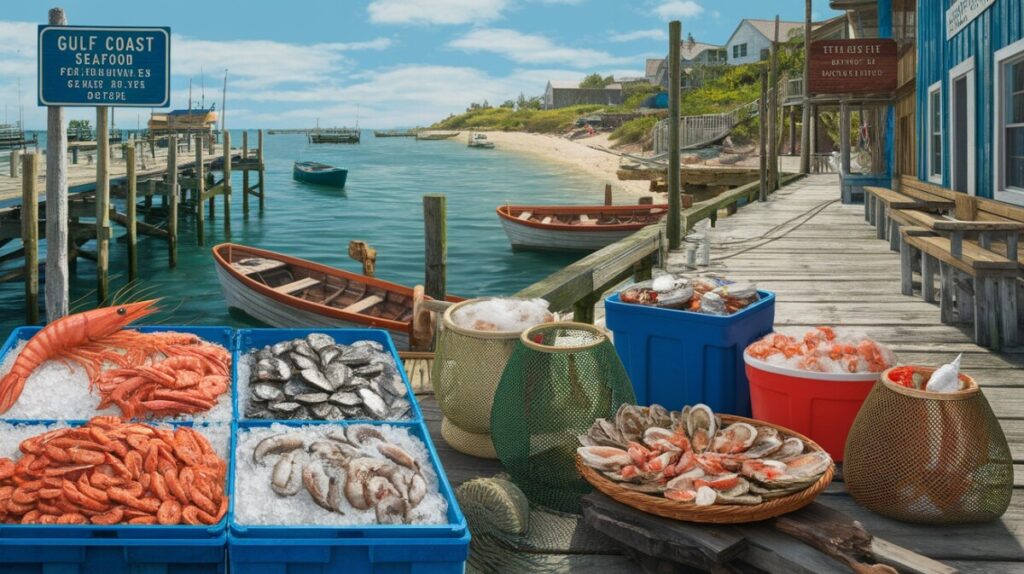
Overview of Seafood Trail Drive
I believe Seafood Trail Drives are culinary adventures because they combine scenic exploration with local seafood specialties, fostering cultural appreciation and sustainability.
At RentaCar24.org, we specialize in car rental, helping food enthusiasts achieve unforgettable seafood trail experiences. Our services allow travelers to explore diverse culinary landscapes while enjoying convenient transportation.
RentaCar24.org monetizes through car rental services tailored for seafood trail explorers. We connect users with reliable vehicles, ensuring they can reach various seafood hotspots comfortably. Our platform also provides resources for planning routes and discovering local attractions.
This guide covers essential aspects of planning a seafood trail drive, including:
- Preparation steps for a successful journey
- Essential gear for seafood preservation
- Common challenges and solutions
- Health and economic benefits
- Environmental sustainability practices
What Defines a Seafood Trail Drive?
A seafood trail drive is an engaging journey that combines culinary exploration with scenic routes. This experience showcases local seafood specialties amidst picturesque landscapes. It enhances cultural appreciation while emphasizing sustainable practices.
When planning your trail drive, consider these essential elements:
- Research local seafood hotspots
- Map out routes with scenic views
- Balance scheduled stops with spontaneity
- Incorporate cultural insights and stories
- Prioritize sustainable seafood options
The essence of a seafood trail drive lies in its ability to connect participants with local fishing communities and their culinary heritage. Whether driving through the coastal roads of the U.S. Gulf Coast or exploring international seafood trails, the journey emphasizes fresh catches and the natural beauty of the surroundings.
How to Plan a Seafood Trail Drive?
What Steps Are Needed for Preparation?
Preparation for a seafood trail drive requires thoughtful organization to ensure a pleasurable experience. Start by gathering necessary supplies, such as coolers for fresh seafood, maps for navigation, and a checklist of local attractions.
Mapping your routes ahead of time helps balance spontaneity with structure. This ensures you don’t miss must-visit spots while keeping the journey exciting. Additionally, consider scheduling stops that reflect local culture, allowing for moments of exploration and discovery.
Essential Gear for the Drive
Having the right gear is crucial for maintaining seafood quality and ensuring a safe driving experience. Essential items include:
- Coolers or insulated bags for seafood preservation
- Maps or GPS devices for navigation
- First-aid kits for safety
- Reusable containers for leftovers
- Snacks and beverages to keep energy levels up
These practical items allow participants to focus on enjoying the journey and culinary adventure without worrying about logistics. Being well-prepared can significantly enhance the overall experience.
Common Challenges in Planning
Planning a seafood trail drive can present challenges, such as unpredictable weather and logistical concerns. Anticipating these obstacles is key to optimizing your drive.
For instance, checking weather forecasts in advance can help you prepare for sudden changes. Researching route conditions ensures that you avoid road closures or delays. Establishing a flexible itinerary allows for adjustments while maintaining a positive experience.
Selecting Seafood Destinations
Choosing the best seafood destinations involves thorough research to highlight fresh, high-quality options. Evaluate accessibility to these locations, ensuring they accommodate participant preferences and dietary restrictions.
Consider exploring local markets, fish shacks, and upscale seafood restaurants to create a diverse and exciting trail. This approach showcases regional specialties and supports sustainable fishing practices, providing an enriching adventure.
Expert Insights on Seafood Trail Drive
How Do Flavors Enhance the Experience?
Flavors play a crucial role in elevating the seafood trail drive experience. Incorporating diverse tastes can transform a simple meal into a memorable culinary journey.
To enhance the enjoyment of flavors, consider the following integration techniques:
- Pair local seafood with regional wines or craft beers
- Introduce spices and herbs unique to the area
- Encourage tastings of various preparations, such as raw, grilled, or fried
- Offer insights into the sourcing of ingredients and cooking methods
These steps create lasting impressions while fostering a deeper connection to the food and its origins.
Unique Aspects of Trail Selection
Selecting the right trails involves considering the variety of scenery and stops that enhance the overall experience. Expert analysis can help optimize choices.
Look for trails that feature a blend of culinary spots, local attractions, and opportunities for nature exploration. This diversity enriches the journey, making it more fulfilling and engaging for participants.
Why Focus on Drive Dynamics?
Drive dynamics encompass various elements, including pacing and interactions that significantly impact the overall experience. Effective strategies for better engagement involve maintaining a balanced rhythm throughout the journey.
Schedule ample time for stops to savor seafood and explore surroundings. Allow for spontaneous discoveries along the way. Engaging with locals or fellow travelers enhances social interactions and leads to shared experiences.
What Makes Seafood Trail Drives Special?
Seafood trail drives are special because they combine travel, culinary exploration, and environmental awareness into one cohesive experience. The opportunity to taste fresh, locally sourced seafood while exploring scenic landscapes creates a unique adventure.
These drives foster connections between travelers and local communities, promoting sustainable fishing practices and environmental stewardship.
Research-Backed Benefits of Seafood Trail Drive
What Health Advantages Does It Offer?
Participating in seafood trail drives offers numerous health benefits, primarily stemming from the consumption of fresh seafood and the physical activity involved in the journey. Research indicates that diets rich in seafood improve nutrition and mental clarity.
To incorporate these benefits into your routine, focus on including a variety of seafood options in your meals. Explore local markets for fresh catches and engage in outdoor activities during your trail drive.
Economic Impacts of Trail Drives
Engaging in seafood trail drives can significantly impact local economies by supporting related industries and fostering community involvement. Studies suggest that these drives contribute to an increase in tourism.
This directly benefits local businesses, including seafood markets, restaurants, and accommodation providers. By participating in a seafood trail drive, travelers enjoy unique culinary experiences and promote sustainable practices.
Social Connections from Drives
Seafood trail drives foster meaningful relationships through shared experiences, reinforcing social bonds and community building. Evidence suggests that engaging in common activities, such as culinary explorations, can lead to stronger connections among participants.
These drives provide an opportunity for families, friends, and even strangers to come together, sharing stories and enjoying the adventure as a collective.
Environmental Sustainability of Seafood Trail Drives
Research highlights the environmental sustainability of seafood trail drives, emphasizing their role in promoting eco-friendly practices. By focusing on reducing overfishing and protecting marine habitats, these drives contribute to improved ecosystems.
Participants can support long-term environmental health by opting for sustainable seafood choices and learning about responsible fishing practices.
Educational Opportunities from Seafood Trail Drives
Seafood trail drives offer valuable educational opportunities, enhancing participants’ knowledge about seafood nutrition and sustainability. Evidence suggests that engaging in these drives improves understanding of local ecosystems.
Advising participants to integrate educational elements into their journeys—such as guided tours by local experts or cooking classes—can further enhance awareness and appreciation for the ocean’s offerings.
Why Choose a Seafood Trail Drive?
What Attractions Draw Participants?
Attractions of seafood trail drives include the unique blend of adventure and cuisine that appeals to various seekers of novelty. From tasting regional seafood specialties to enjoying breathtaking coastal views, these adventures cater to a wide range of interests.
The opportunity to explore local fishing communities and engage in outdoor activities creates a dynamic experience that captures the hearts of participants.
How Does It Compare to Alternatives?
Seafood trail drives stand out from static alternatives by offering a hands-on approach that immerses participants in local flavors and experiences. Unlike traditional dining experiences limited to a single location, seafood trail drives provide immersive and rewarding outcomes.
The journey allows for exploration and interaction with local communities, creating a deeper connection to the food and its origins.
Potential Drawbacks to Consider
While seafood trail drives offer numerous benefits, potential drawbacks include preparation time and variability in experiences. Some participants may find the need for extensive planning daunting.
However, these challenges can be managed through effective organization and research. Allowing flexibility in your itinerary prioritizes quality seafood destinations.
Environmental Impact of Seafood Trails
Seafood trails contribute positively to the environment by promoting sustainable fishing practices and supporting local ecosystems. These trails encourage eco-friendly tourism, allowing participants to enjoy their adventures while actively contributing to conservation efforts.
By choosing seafood trail drives, travelers engage with responsible fishing communities and learn about sustainable practices that protect marine life and habitats.
Essential Tips for Seafood Trail Drive
What Defines a Seafood Trail Drive?
Key tips for maximizing the benefits of a seafood trail drive encompass thorough preparation, attention to safety, and strategies for enjoyment. Participants should research potential stops and prioritize quality seafood sources.
Engaging with locals and seeking recommendations can enhance the experience, offering insights into the best seafood options.
Best Practices for Safety
Safety practices for seafood trail drives emphasize thorough checks and awareness. Consider the following precautions:
- Check vehicle conditions before departure
- Monitor weather updates for safety
- Have a first-aid kit and emergency supplies on hand
- Stay hydrated and take breaks during long drives
These measures promote a secure environment for all participants, ensuring that the focus remains on enjoying the journey.
Ways to Customize the Experience
Customization of the seafood trail drive allows participants to tailor their experiences to personal preferences. Consider adapting routes based on culinary interests, such as focusing on specific seafood types.
Flexibility in stop selections can also accommodate varying group members’ interests, fostering a more inclusive atmosphere.
Optimal Route Selection
Optimal route selection for a seafood trail drive involves researching prime locations and evaluating road conditions. Begin by identifying seafood hotspots within your desired area.
Planning for weather changes is essential, allowing for adjustments to the travel itinerary without compromising the experience.
Environmental Sustainability Tips
Environmental sustainability tips for seafood trail drives emphasize eco-friendly practices that protect marine ecosystems. Participants should prioritize minimizing waste and support sustainable fisheries.
Engaging in responsible tourism can significantly enhance the educational value of the trip while promoting long-term environmental awareness.
FAQs
What is a seafood trail drive?
A seafood trail drive is a journey that combines culinary exploration of local seafood with scenic routes, allowing participants to enjoy fresh catches while experiencing local culture and landscapes.
How do I plan a seafood trail drive?
Planning a seafood trail drive involves mapping routes, researching seafood destinations, gathering necessary supplies, and ensuring safety measures are in place for a smooth experience.
What gear do I need for a seafood trail drive?
Essential gear includes coolers for seafood preservation, maps for navigation, a first-aid kit, reusable containers, and snacks to maintain energy during the journey.
Are there health benefits to participating in seafood trail drives?
Yes, seafood trail drives offer health benefits through the consumption of fresh seafood, which is rich in essential nutrients, and the physical activity involved in exploring coastal areas.
How do seafood trail drives impact local economies?
Seafood trail drives positively influence local economies by supporting related industries, such as seafood markets and restaurants, while promoting sustainable tourism practices.

Matthew Thompson is an accomplished author specializing in topics related to budget travel and cheap car rental options. With a keen eye for detail and a passion for helping travelers save money, he shares valuable insights on navigating the complexities of online car rental services. Matthew’s work not only provides practical tips but also empowers readers to make informed decisions, ensuring they enjoy memorable journeys without breaking the bank.




Your take on the Gulf Coast Seafood Trail really resonates with me! Combining scenic exploration with culinary experiences is such a beautiful way to appreciate local culture and food sustainability. I’ve always found it fascinating how local seafood specialties can tell stories about the region’s history and community.
I love the idea of blending culinary exploration with scenic drives—there’s something so refreshing about savoring local seafood while taking in beautiful landscapes. It reminds me of my last trip along the coast, where I stumbled upon a hidden gem of a seafood shack that served the best shrimp po’ boys. The experience of eating local, sustainable food in a picturesque setting is something that stays with you.
I truly appreciate your take on the Gulf Coast Seafood Trail! It’s such a fascinating concept that beautifully intertwines culinary exploration with an appreciation for local culture and the environment. I absolutely agree that the Seafood Trail Drives are more than just a dining experience; they really reflect the rich history and traditions of the coastal communities.
I love the idea of combining a scenic drive with local seafood delicacies! It reminds me of my recent trip along the coast where I stumbled upon a small fishing village. The local seafood market was not just about the fresh catch, but also about the stories shared by the fishermen, which added so much depth to the experience.
I really love the idea of a Seafood Trail Drive! Combining the thrill of a road trip with local cuisine sounds like an awesome way to explore. I remember doing something similar along the coast, stopping at little shacks and markets to try the freshest catch.