
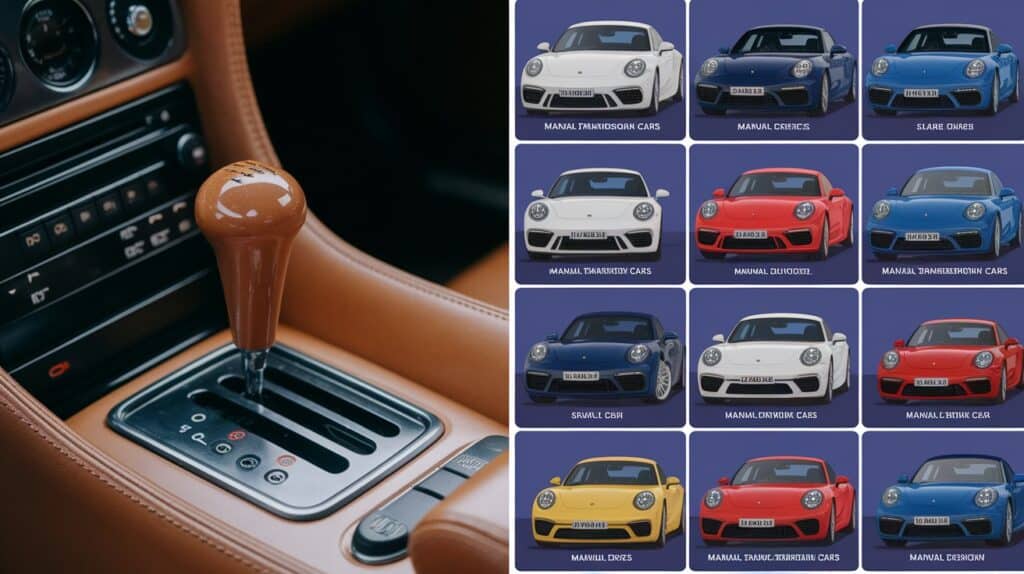
Manual transmission cars still matter for drivers who want more control, a more connected feel, or a rental that fits a specific route or budget. The key is knowing when a manual is the better choice and how to evaluate one before you book.
Quick decision box
Choose a manual transmission if you want a more involved driving experience, are comfortable shifting gears, and can confirm the car is available in the market you are browsing. If convenience, heavy traffic, or unfamiliar roads matter more, an automatic is usually the safer fit.
If you are still deciding on the broader rental fit, start with choosing the right rental car for your journey and then narrow down to manual-only listings.
Why Manual Transmission Cars Still Appeal
A manual transmission car puts the driver in charge of gear selection rather than handing that task to an automatic gearbox. That difference is the main reason people seek them out: a manual can feel more precise, more responsive, and more enjoyable on roads where the driver wants a direct connection to the car.
That connection is not just about nostalgia. For many drivers, the appeal is practical too. Manual vehicles can be a good fit for travelers who want lower running costs, buyers who prefer simpler mechanical systems, or renters who already know how to drive stick and want the option when it appears in a listing.
Manuals do have trade-offs. They are less convenient in stop-and-go traffic, harder to hand off to a different driver, and less common in some markets. That is why the best decision is not simply “manual or automatic,” but “manual for this trip, route, and driver profile — or not.”
A useful way to think about it
If you enjoy driving as an activity, manual is often the more rewarding choice. If you want a smooth, easy pickup with minimal learning curve, an automatic usually wins.
How To Find A Manual Car Online Without Wasting Time
The search process is straightforward when you filter with intent. Start by selecting transmission type first, then compare price, mileage, pickup location, and seller reputation. That order keeps you from sorting through cars that were never going to work for your trip.
Use The Filter That Matters Most
If the marketplace or listing site allows it, set transmission to manual before you compare anything else. Then narrow by vehicle size, rental dates, and price range. This helps you avoid the common mistake of finding a good deal on the wrong type of car.
When you are comparing broader rental options, the page on choosing the right rental car for your journey can help you decide whether a manual still fits your plans once luggage, passengers, and route length are factored in.
Check The Listing For Manual-Specific Details
A strong listing should clearly confirm that the car is manual, not just imply it from the model name. If you are buying, ask about clutch condition, service history, and any work on the gearbox. If you are renting, confirm that the exact vehicle class will be manual at pickup and not “or similar.”
This matters because transmission type is one of the details most likely to be missed in a quick browse. A few extra minutes spent verifying the listing can save you from a frustrating pickup-day surprise.
Use Marketplaces, Manufacturers, And Enthusiast Communities Together
Online marketplaces are the fastest way to search at scale, while manufacturer sites can help you confirm whether a specific model ever offered a manual version. Enthusiast forums can fill in the gaps with real-world advice, model-specific quirks, and occasional leads that do not appear on mainstream sites.
That mix is especially useful in markets where manuals are less common. In those places, the best results often come from comparing wider inventory instead of waiting for one perfect local listing to appear.
When A Manual Makes Sense, And When It Does Not
The strongest reason to choose a manual is driver preference. If you know how to shift smoothly and enjoy being involved in the drive, the manual setup can be rewarding on scenic roads, in compact cars, or in vehicles where cost and simplicity matter.
The weaker case for a manual is convenience. Busy city traffic, long unfamiliar routes, and shared driving between multiple people can make an automatic the better option. The more relaxed the trip needs to be, the more likely an automatic is the practical answer.
Who usually benefits most from a manual
- Drivers who already know how to use a clutch confidently
- Travelers who want a more connected driving experience
- Buyers comparing lower-cost cars with simpler mechanical layouts
- Renters booking in markets where manuals are still commonly listed
What To Check Before You Commit
Whether you are buying or renting, a manual transmission deserves a closer look than a basic exterior photo. A short checklist keeps the process grounded and helps you catch issues early.
- Confirm the transmission type in writing.
- Ask about clutch wear, especially on used cars.
- Check service records for transmission maintenance.
- Read the seller or agency reviews before paying.
- Compare total cost, not just daily price.
A vehicle history report is especially important when buying used, because accident history, title status, and regular servicing can all affect long-term reliability. If the car has a weak service record or signs of clutch problems, the deal only looks good on the surface.

Buying Versus Renting: The Decision Changes The Checklist
For buyers, the big questions are ownership cost, maintenance history, and whether the manual gearbox is in good condition. For renters, the priority shifts to availability, pickup certainty, and whether you are comfortable driving the vehicle in the conditions you will face.
If you are booking a rental, it also helps to think one step ahead: not just whether the car is manual, but whether it will make your trip easier or more stressful. That is why the broader rental guidance on choosing the right rental car for your journey is the right companion page when you are moving from interest to reservation.
Booking tip
Manual cars often appear in smaller inventory pools, so book early if you need one for a trip or specific region. If the listing does not explicitly confirm manual transmission, treat it as unverified until the provider does.
Common Questions About Manual Transmission Cars
Which Cars Come In Manual Transmission?
Manual transmissions are still found in some compact cars, sports cars, hatchbacks, and enthusiast-oriented trims, though availability depends heavily on brand and market.
Are Manual Transmissions Dying Out?
They are less common than they once were, but they have not disappeared. Manuals remain available in certain models and continue to appeal to drivers who want more engagement.
What Is Safer, Manual Or Automatic?
Safety depends more on the driver and the conditions than on the transmission alone. Automatic cars are easier to manage in heavy traffic, while manual drivers need more coordination but may feel more in control.
What Car Has The Most Reliable Manual Transmission?
Reliability varies by model, maintenance history, and use. The best answer is to compare specific vehicles, then review owner feedback and service records before deciding.
What Does Gear 1, 2, 3, 4, 5 Mean?
Those numbers refer to the forward gears in a manual transmission. Lower gears give more torque for starting and climbing, while higher gears are used as speed increases.
If you are comparing manual and automatic options for a trip, the safest path is to choose the car that best matches your route, your confidence level, and the inventory available where you are booking.

Jessica Malone is a passionate writer and travel enthusiast, specializing in affordable car rental solutions. With a keen eye for detail, she explores various aspects of cheap car rentals, offering readers practical tips and insights to maximize their travel experiences. Through her engaging articles, Jessica aims to empower travelers to make informed decisions and navigate the world of online car rental services with ease.


Your exploration of the advantages of manual transmission cars really strikes a chord with me. There’s something almost poetic about the connection between the driver and the vehicle when you shift gears yourself. For many, it’s not just about practicality but about the sheer joy of being in control. I remember my first car was a manual; mastering the art of shifting gears felt like a rite of passage.
I appreciate your exploration of manual transmissions and their distinctive charm. Personally, I’ve always found driving a stick shift to be immensely satisfying—it feels like a more personal connection to the car itself. There’s something about the tactile experience of shifting gears that enhances the overall driving enjoyment, and I’ve noticed that it really encourages a more engaged driving style.
You hit the nail on the head with that tactile experience! Driving a stick shift does feel like having a conversation with your car, doesn’t it? Every gear you shift feels like a little nod of understanding between you and the machine. It’s almost as if you’re saying, “I got you, buddy—let’s take this corner like we own it.”
Your insights on manual transmissions really resonate with me! I’ve always felt that driving a manual adds a layer of connection to the car and the road that automatics simply can’t replicate. The control over gear shifts truly transforms a mundane drive into an engaging experience. It reminds me of how different it feels to drive in varying conditions, like navigating winding mountain roads or tackling tight turns—shifting becomes almost instinctual. Plus, the fuel efficiency you mentioned is a wonderful bonus!
I completely agree with you on that connection you get from driving a manual. It really does create a unique bond between the driver and the vehicle. There’s something about having to be fully engaged with the car instead of just letting it do the work for you that enhances the experience. I remember driving through the twisty roads of the mountains, feeling every shift and turn — it can feel almost like a dance with the road, don’t you think?
You’ve beautifully captured the essence of what makes manual transmission cars so appealing! For many of us, driving a manual isn’t just about getting from point A to point B; it’s a connection to the machine and the road. I remember my first car—a charming little hatchback with a manual gearbox. Learning to master those gears was not only a rite of passage but also instilled a sense of ownership and responsibility in my driving experience.
The points you’ve raised about manual transmission cars truly highlight an often-overlooked aspect of driving that goes beyond mere functionality. I find that the appeal of a manual gearbox is deeply intertwined with a sense of connection between the driver and the vehicle itself. When I drive a car equipped with a manual transmission, I feel more engaged—not just with the car, but with the driving experience as a whole. There’s something remarkably satisfying about shifting gears and controlling the power delivery through the rev range, which can often lead to a deeper appreciation of the car’s performance dynamics.
You’ve hit the nail on the head about the connection that comes with driving a manual. It really does bring a different vibe to the whole experience, doesn’t it? There’s something about taking charge of the gears and feeling the engine respond in real-time that really makes you feel like part of the machine.
You’ve brought up a really interesting point about the connection that comes with driving a manual. It’s true, there’s something incredibly satisfying about being actively engaged with the car. It’s almost poetic in how you become a part of the machine, syncing your movements with the engine’s rhythms.
You raise such an interesting point about the connection between driver and vehicle that a manual transmission fosters. It’s true—there’s something inherently rewarding about being an active participant in the driving process. When I drive a manual, I can’t help but feel like I’m part of a dance with the car, orchestrating the rhythm of the shifts and gauging the engine’s response.
You make a great point about the unique connection that manual transmissions foster between the driver and the car! It’s like a dance—you feel every shift and turn, and let’s be honest, who doesn’t enjoy pretending to be in a high-speed chase from an action movie every now and then?