
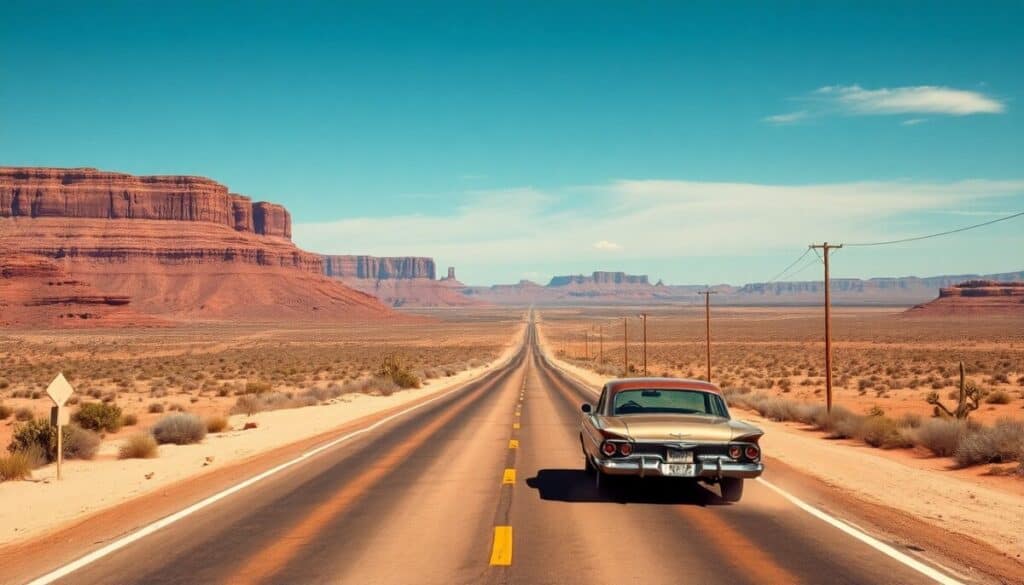
A Southwest desert drive is at its best when it pairs open-road freedom with one clear route plan. The most useful version of this trip is not a vague scenic spin, but a route-focused drive with landmarks, timing, and a realistic safety checklist.
If you want a broader road-trip frame for the region, start with this Desert Southwest road trip guide, then narrow your plan to one route that fits your time and driving comfort.
What kind of Southwest desert drive this page is about
This article is best suited to travelers looking for a memorable desert road trip that balances scenery, solitude, and practical route planning. It is intentionally positioned as a route-and-planning guide, not just a mood piece, so it can stand apart from broader scenic-drive stories.
| Route fit | Best for | Drive level | Best season |
|---|---|---|---|
| Southwest desert scenic drive | Travelers who want iconic views and a flexible day trip | Easy to moderate | Late fall through early spring |
| Desert monuments loop | Road-trippers who want multiple stops and longer sightseeing time | Easy | Spring and autumn |
| Remote desert crossing | Experienced drivers who are prepared for distance and limited services | Moderate | Cool months only |
For a route with stronger destination identity, the dominant internal page is Monument Valley Scenic Drive. Use that page when your trip is centered on the classic Monument Valley loop; use this article when you want a wider Southwest desert drive plan.
Why a Southwest desert drive feels different
The appeal of a desert drive is not just the scenery. It is the combination of scale, quiet, and rhythm: long stretches of road, red rock horizons, sparse traffic, and the feeling that every bend gives you a new panorama without asking you to rush. That is why these trips often feel more restorative than crowded coastal drives or city-to-city transfers.
The best desert routes in the Southwest reward patience. You can expect mesas, buttes, open basins, dry washes, and sky that changes constantly with the light. In practical terms, that means the experience improves when you plan for a slower pace, not a packed agenda. If you are building a longer loop through the region, the California desert parks route is a strong companion trip to compare against the more monument-heavy New Mexico and Arizona options.
Best takeaway: pick one major route, drive it in cooler daylight hours, and leave room for stops. A successful desert day is usually less about mileage and more about the quality of the views between stops.
Route planning that actually helps
Because the original article leaned heavily on atmosphere, the rewrite needs stronger practical guidance early. The simplest way to plan is to decide whether your trip is a half-day scenic loop, a full-day desert corridor, or a multi-day Southwest road trip. That choice determines your stops, fuel strategy, and where you should stay overnight.
| Trip type | What to prioritize | How long to allow | Good for |
|---|---|---|---|
| Half-day scenic drive | One signature overlook, one short walk, photo stops | 3–5 hours | Travelers short on time |
| Full-day desert route | Two or three landmarks, picnic stop, sunset window | 6–9 hours | Most road-trippers |
| Multi-day loop | Fuel, lodging, weather buffers, alternate routes | 2–5 days | Photographers and slow travelers |
If you want to compare route styles before committing, the scenic routes in the USA roundup is a useful broader reference point. It helps you see whether this desert trip should be a standalone outing or part of a larger itinerary.
When to go and when to book
Timing matters more in the desert than in many other road-trip settings. The best months are usually late fall through early spring, when daytime temperatures are easier to handle and the drive feels more comfortable for sightseeing. Summer can still work, but it requires an earlier start, more water, and a shorter route if you want to avoid the hottest hours.
| Timing | What changes | Practical move |
|---|---|---|
| Late fall to early spring | Comfortable temperatures and clearer sightseeing | Book earlier if you want a specific rental type or hotel near the route |
| Shoulder season | Good light, fewer crowds, moderate weather swings | Plan flexible stops and check road conditions the day before |
| Summer | Heat, stronger sun, and higher fatigue risk | Start early, keep the route shorter, and build in cooling breaks |
What to see on the drive
A good Southwest desert route should give you a mix of open-road moments and purposeful stops. The strongest landmarks are usually the ones that break up the drive without making it feel over-programmed: red rock formations, broad canyon viewpoints, roadside pull-offs, and cultural or historic sites that add context to the landscape.
That balance is important because the page’s original emotional tone already worked; it simply needed more concrete travel value. The drive should still feel expansive and reflective, but the reader also needs to know what they can actually see, where to pause, and how to avoid turning a scenic route into a tiring endurance run.
Signature views
Look for mesas, buttes, layered cliffs, and long sightlines that make the desert feel larger than the road.
Best stops
Choose pull-offs with wide views, a short walking trail, or a visitor stop that adds history to the landscape.
Photo timing
Golden hour usually gives the strongest contrast, deeper color, and more dramatic shadows.
For travelers deciding between several desert destinations, the Route 66 road trip guide can be a helpful comparison, especially if you want a road-trip experience with more towns, services, and historical roadside stops.
Packing and safety essentials for desert travel
The original article already emphasized preparation, and that advice remains central. Desert conditions can shift quickly from comfortable to punishing, so safety is mostly about preparation, not luck. Water, sun protection, fuel, and a checked vehicle matter more here than they do on an average road trip.
- Carry enough water for every traveler, with extra for delays.
- Bring sun protection, including sunscreen, sunglasses, and a hat.
- Keep offline navigation available in case cell service drops.
- Check tire pressure, coolant, and fuel before leaving town.
- Plan your return before dark if you are unfamiliar with the route.
- Do not treat remote stretches as if help will be immediate.
If you are renting a vehicle for the trip, the choice of car should fit the route. A standard sedan can work for many paved scenic drives, but a higher-clearance SUV is more forgiving if your plan includes rougher roads or a few detours. For a general planning reference, this rental-car selection guide is a useful companion piece.
A simple pre-drive checklist
- Confirm your route and likely stops.
- Check weather and road conditions the night before.
- Top off fuel before entering remote stretches.
- Pack water, snacks, and a first aid kit.
- Save key maps offline.
- Set a realistic start time so you are not driving into the hottest part of the day.
When this route should lead to Monument Valley
The audit made one thing clear: this topic overlaps closely with the Monument Valley scenic-drive cluster. That page should own the most specific Monument Valley search intent, while this article works best as the broader Southwest desert route companion. If your plan is centered on the classic butte-filled drive, go straight to Monument Valley Scenic Drive. If you want a wider desert road trip with room to branch into other parks and monuments, stay here.
That distinction keeps the pages from competing with each other. It also makes the search intent easier to satisfy: Monument Valley answers the iconic destination query; this page answers the broader planning question for someone still choosing a desert route.
Plan the route before you go
The most useful next step is to decide whether this trip is a short scenic detour or a full Southwest journey. If you want to build a larger itinerary around the desert, compare route ideas, check timing, and choose a vehicle that matches your comfort level before you book.
Frequently asked questions
What is the best time for a Southwest desert drive?
Late fall through early spring is usually the most comfortable period, with easier temperatures, better sightseeing conditions, and less fatigue on long stretches.
What should I carry for a desert road trip?
Water, snacks, sunscreen, a first aid kit, offline maps, a flashlight, and basic vehicle supplies are the essentials. A spare tire and working phone charger are also wise additions.
Is solo desert travel a good idea?
It can be, but only if you tell someone your plan, keep emergency supplies with you, and avoid stretching into remote areas without enough water and fuel.
What kind of vehicle works best?
A well-maintained vehicle with good clearance and reliable cooling is the safest choice, especially if your route includes rough roads or isolated sections.
Should I choose Monument Valley instead?
Choose Monument Valley if that is your main destination. Choose this page if you are still deciding among Southwest desert routes and want a broader planning framework.

Samantha Price is a dedicated author and travel enthusiast who specializes in writing about affordable car rental options online. With a keen eye for detail and a passion for helping readers save money, she provides insightful tips and practical advice on navigating the world of cheap car rentals. Through her engaging content, Samantha empowers travelers to explore new destinations without breaking the bank, making their journeys both enjoyable and budget-friendly.



Your exploration of desert drives really resonates with me; there’s something undeniably special about those vast expanses of open land that fosters a unique sense of peace. I remember embarking on a road trip through the Mojave Desert a few years ago. The sheer isolation and tranquility allowed me to take a step back from the frenetic pace of daily life. As I traversed the winding roads, each mile unfurled with its own breathtaking vista—towering rock formations, sprawling sand dunes, and sunsets that painted the sky in hues of orange and purple.
Your reflections on the transformative power of desert drives resonate deeply with me. There’s an undeniable magic in those vast landscapes that invites not just a visual appreciation but also a profound internal journey. I remember my first experience driving through the desert; it was as if the expansive horizons swept away the noise and chaos of daily life, leading me toward a silent yet vibrant space where thoughts could flow freely.
I completely relate to that feeling of driving through the desert—there’s something uniquely freeing about those open spaces. It’s almost like the landscape offers a kind of clarity that modern life often obscures. For me, the stillness of the desert invites reflection, and I find that the vastness allows for a more expansive thought process.
Ah, the desert drive! It’s like nature decided to shove a whole bunch of stunning landscapes into one vast, sun-kissed canvas, and then the universe added some dramatic lighting for good measure. I couldn’t agree more with your reflections on this experience. Who knew that barren expanses could be so enchanting? It’s like we’re all a bunch of desert nomads, craving that peace away from the chaotic melodies of city life.
Your exploration of the emotional and sensory dimensions of desert drives resonates deeply with my own experiences. One of the most transformative aspects of traversing these open landscapes is indeed the ability to disconnect from everyday distractions and immerse oneself in the stark beauty of the environment. I recall a particular trip along the Route 66 corridor, where the vastness of the desert highlighted the contrast between solitude and our often hectic lives. The rhythm of the journey—the gentle hum of the car and the shifting colors of the sky at dusk—created a meditative space that was both grounding and liberating.
It’s really interesting how our experiences can weave together through these landscapes, isn’t it? That contrast you mentioned—solitude versus the hustle and bustle of life—really shapes how we see ourselves and our surroundings. Driving along a road like Route 66 is like slipping into a different time, where the world slows down and the little details become more vivid.
It sounds like your trip along the Route 66 corridor was a pretty profound experience. I get what you mean about that stark beauty. There’s something about the desert that really strips everything down to the essentials. Being surrounded by such vastness forces you to sit with your thoughts. The way the landscape shifts, especially around dusk, paints a picture that feels alive and constantly changing—it’s almost like nature has its own rhythm that gets under your skin, right?
The allure of desert drives truly captivates the spirit, as you’ve beautifully articulated. I’ve personally found that these journeys offer not just stunning visuals, but also an opportunity for introspection that is often absent in more crowded environments. I remember a trip through Southern Utah’s landscapes, where the vastness of the terrain made significant life changes feel manageable, almost as if I was processing them alongside the same ancient rocks and sweeping skies.
I love how you captured the essence of desert drives! There’s something so profound about those wide-open spaces; they really invite a sense of reflection. I remember a road trip through the Mojave Desert, where the sunsets felt like a private show—each color so vivid and serene. The quiet moments, just me and the horizon, allowed me to disconnect from daily life and reconnect with my thoughts. It’s fascinating how a simple drive can become a transformative experience. Have you explored any specific routes that stand out for their emotional impact? I’d love to hear others’ experiences too!
The exploration of desert drives certainly evokes a profound sense of wonder and introspection, as you aptly described in your post. I have had the privilege of experiencing several desert landscapes across the United States, and each journey has left an indelible mark on my perspective of nature and self.
Exploring the enchanting landscapes of the desert always stirs something deep within me. Your description of desert drives truly resonates, as they’ve been some of my most transformative experiences. Each time I venture into the desolate beauty of the Southwest, I feel an overwhelming sense of clarity and introspection that city life rarely offers.
What a beautiful exploration of the desert drive experience! I couldn’t agree more about the profound impact these journeys have on one’s state of mind. I still remember my own trip through the deserts of Arizona – the stark beauty was both humbling and invigorating.
Your exploration of desert drives truly resonates with me. There’s something incredibly meditative about the vastness of those landscapes; once, during a trip to the Mojave, I found myself pulled into the rhythm of the open road. The moments of solitude, with only the wind for company, offered a unique chance for self-reflection and connection with nature.
The beauty of desert drives truly resonates with me, especially the way they allow for moments of deep introspection. I remember a trip to the Mojave Desert, watching the sun dip below the horizon and feeling a profound sense of calm wash over me. It’s fascinating how such stark landscapes can evoke a sense of clarity and connection to nature.
Your exploration of the emotional journey afforded by desert drives really resonates with me. There’s something uniquely grounding about being surrounded by such vastness—it’s like the landscape invites you to reflect deeply. I remember my own journey through the Mojave Desert, where I felt an overwhelming sense of peace, especially during those golden hour sunsets. It’s fascinating how these drives not only reconnect us with nature but also with ourselves, offering an escape from our fast-paced lives.
I love your take on desert drives; there’s something truly magical about them that resonates on so many levels. I recently had the chance to drive through the vast landscapes of Arizona, and I found that the solitude really helped clear my mind. It’s not just the visuals that are breathtaking—the quietness of the desert creates this wonderful space for reflection that feels hard to find in everyday life.
While the allure of desert drives is undeniably captivating, I wonder how many travelers truly reflect on the environmental impact of such journeys. As these scenic routes become increasingly popular, the challenge of balancing tourism with conservation becomes more pronounced. For instance, areas like the Mojave Desert are at risk of degradation from both foot and vehicle traffic.
You raise a crucial point about the environmental implications of desert drives, a topic that often gets overshadowed by the thrill of the journey. It’s true that as these breathtaking routes gain popularity, they also bring challenges that we can’t ignore. Each time we venture into places like the Mojave Desert, we are stepping onto fragile ecosystems that have evolved over millennia.
I find your exploration of desert drives to be incredibly resonant, particularly in today’s fast-paced world where moments of solitude and reflection can feel rare. There’s something uniquely captivating about the vast expanses of the desert that seem to strip life down to its essence, allowing for a deeper connection to nature and oneself. The imagery of the “barren yet beautiful terrain” truly encapsulates that paradox; while the landscape may appear desolate, it’s rich with beauty and opportunity for introspection.
Your exploration of desert drives and their emotional impact resonates deeply, reflecting the profound connection many of us have with nature. I have experienced the calming effect of these wide-open spaces firsthand, particularly during a road trip through the Mojave Desert. There’s something uniquely liberating about driving on those endless roads, where every turn reveals a new panorama of color and light—particularly during sunrise or sunset, when the sky transforms into a canvas of vibrant hues.
Your exploration of the emotional impact of desert drives truly resonates, especially considering how environments shape our mental states. I’ve always found that the vastness of the desert encourages a unique type of introspection that urban settings often inhibit. It prompts me to think about how our natural surroundings not only provide a backdrop for adventure but also serve as a catalyst for self-discovery.
Your insights about the emotional resonance of desert drives reveal some important truths about our connection to different environments. It’s intriguing to consider how the spaciousness of the desert fosters a type of introspection that feels almost suffocating in the city. Each landscape brings with it a different aura, doesn’t it? You can almost feel the weight of the sky in the desert, which invites a kind of thoughtfulness that urban sprawl complicates with its noise and chaos.
You bring up some fascinating points about the emotional nuances between different environments. There’s definitely something unique about the desert that allows for a kind of mental clarity. The spaciousness you mentioned often feels like it not only opens up the landscape but also the mind. I’ve found that when I’m surrounded by wide vistas and that vast, unbroken sky, my thoughts can stretch out and roam freely, almost like the horizon itself.
Your insights into the transformative power of desert drives truly resonate with me. I have fond memories of a road trip through the Southwest, where the sweeping landscapes seemed to have a life of their own. The way the sunlight danced on the rock formations at dawn left me in awe, and those quiet moments in the vastness sparked a sense of introspection that I rarely find in everyday life.
Your exploration of the emotional impact of scenic desert drives resonated with me on several levels. I’ve often found that a journey through the desert isn’t just about the physical landscape; it’s a profound experience for the mind and soul. A few years ago, I took a road trip through the Southwest, starting from Phoenix and winding my way through the stunning scenery of Sedona before heading towards the Grand Canyon. Each stretch of the journey brought a new level of introspection and awe.
The allure of a desert drive indeed resonates deeply with me. There’s something uniquely introspective about traversing such wide-open landscapes. For me, it was a trip along Route 66 through the Mojave Desert that truly encapsulated this experience. The vast, arid expanses seemed to strip away distractions, allowing my thoughts to flow more freely, almost like the endless horizon itself.
Your exploration of the emotional resonance that scenic desert drives evoke really struck a chord with me. There’s something almost meditative about navigating open roads amidst such vast landscapes. I remember a trip I took through Joshua Tree National Park; the contrast between the stark desert and the vibrant colors of the sunset was breathtaking.
I love the idea of desert drives being a form of escape—they really do have a way of making you appreciate the world around you in a unique way. I recently took a drive through the Mojave Desert, and the way the light shifted across the landscape as the sun set was just mesmerizing. It felt like each twist and turn revealed a new palette of colors.