
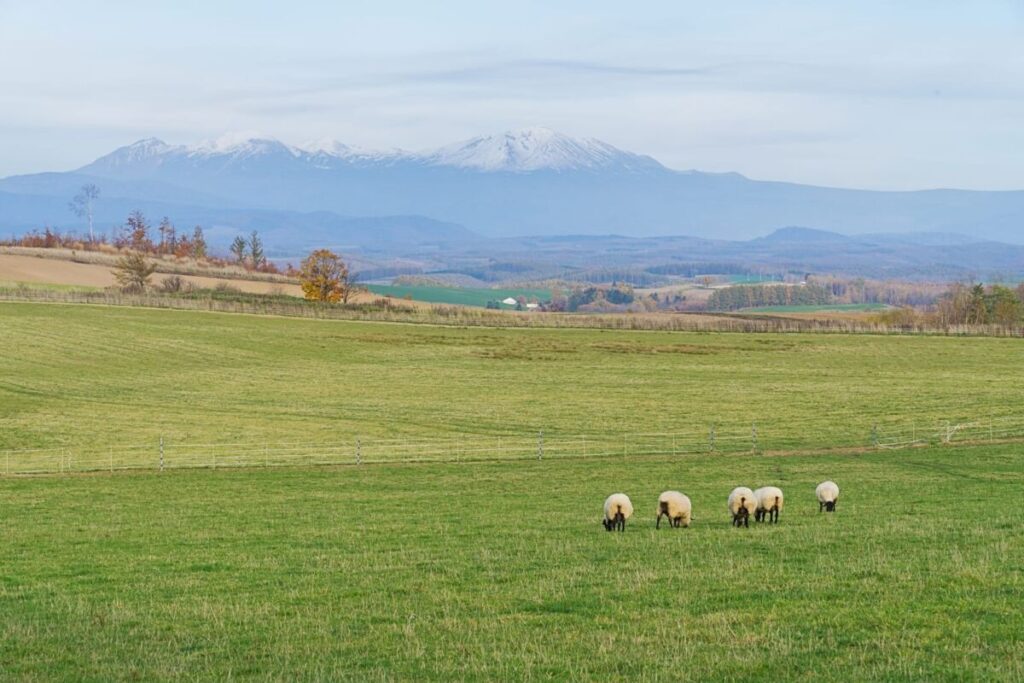
A Hokkaido flower fields drive is at its best from late spring through early autumn, when the roads between Furano, Biei, and nearby farm landscapes turn into a moving postcard. If you want the broad scenic-drive planning angle too, the larger route ideas in our scenic routes guide are a useful companion, but this page stays focused on Hokkaido’s flower-country loop.
Quick planning note
For most travelers, the best Hokkaido flower fields drive combines Furano for lavender and seasonal farm colors, Biei for wide-open rural scenery, and a flexible stop at a flower farm or roadside viewpoint. The sweet spot is usually July For Lavender and June To August For The Broadest Bloom Variety.
- Best For First-Timers Furano and Biei in one day or two easy days
- Best For Bloom Hunters mid-July for lavender, then broader summer color through August
- Best For Relaxed Road-Trippers a car-based loop with farm stops, short walks, and photo breaks
When To Go And Where To Focus
Timing matters more than almost anything else on a flower-field route. Hokkaido’s bloom season is not one single window; it unfolds in layers, and the region around Furano and Biei gives you the clearest payoff if you match your drive to the month. If you are still deciding how deep to go, keep your plan simple: one northern agricultural base, one or two signature fields, and a scenic loop that leaves room for weather changes and extra photo stops.
| Best window | What you are likely to see | Best route focus | Who it suits |
|---|---|---|---|
| Late May to June | Early seasonal color, fresh fields, lighter crowds | Biei countryside and flexible farm stops | Travelers who prefer quieter roads |
| July | Peak lavender in Furano and strong mixed blooms | Furano flower farms plus nearby viewpoints | First-time visitors and photography trips |
| August to early September | Late-summer color, a broader mix of blooms, warm daylight | Furano-Biei loop with longer scenic pauses | Road-trippers who want a fuller countryside day |
If you are building a longer Japan driving trip, it helps to think of this as a destination-specific chapter, not just a pretty detour. For broader trip planning around the country, our Japan itinerary guide for first-time travelers is a practical place to connect the Hokkaido leg to the rest of your route without overcomplicating the plan.
The Hokkaido Floral Route That Works Best
The strongest version of a Hokkaido flower fields drive usually centers on Furano and Biei. That pairing works because it balances vivid bloom locations with open roads and easy day-trip structure. You can spend more time at the fields without feeling locked into a complicated itinerary, and the landscape shifts quickly enough to keep the drive visually interesting even between stops.
Furano
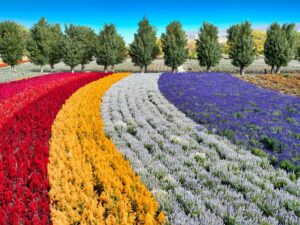
The best-known stop for lavender and seasonal flower farms. It is the easiest place to anchor a trip if you want the classic Hokkaido bloom experience.
Biei
Known for broad farmland views, rolling roads, and the kind of open scenery that makes a flower drive feel spacious instead of crowded.
Roadside Viewpoints And Farms
The route becomes more rewarding when you leave time for small stops, because the best color is often in the quieter fields between headline attractions.
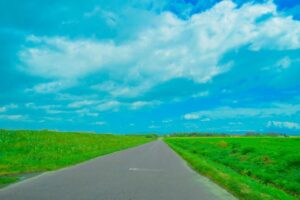
The protected image blocks below fit naturally here because the visual story is the point of the route, not an add-on.
How To Plan The Drive Without Wasting Bloom Time
A floral road trip in Hokkaido works best when you keep the route flexible and the day realistic. Bloom timing can vary by elevation, weather, and the exact farm you choose, so it is smarter to plan around a region rather than obsessing over a single stop. Start early, move slowly, and build in buffer time for traffic, weather, and photo breaks.
A Simple Planning Checklist
- Check bloom windows for the exact farm or area you want to visit.
- Choose one primary area, usually Furano or Biei, instead of spreading the day too thin.
- Drive early in the morning for softer light and easier parking.
- Leave time for one scenic lunch stop or a short break in town.
- Expect local roads and farm parking to be better suited to unhurried travel.
Because this route depends on comfort and timing, it also helps to think about the vehicle itself. If you are arranging transport for the trip, the broader booking and pickup advice in this pickup inspection checklist is a good practical companion before you head into rural Hokkaido.
What To Expect At The Flower Farms And Along The Road
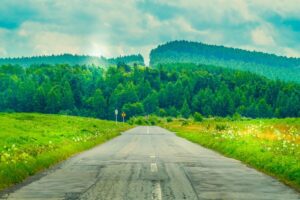
A good Hokkaido flower fields drive is about more than reaching a single famous farm gate. It is the combination of fields, countryside roads, and seasonal details that makes the route memorable. You will usually get the best experience by mixing one headline stop with quieter stretches where the landscape opens up and the fields feel less staged.
Expect seasonal crowds in peak bloom weeks, especially around the most photographed lavender spots. That is why early arrival matters. It improves parking, light, and the general feeling of space. It also gives you a better chance of enjoying the route before the midday rush builds.
Timing That Usually Pays Off
The best day-to-day strategy is to build your drive around the light, not just the bloom calendar:
- Early Morning softer colors, calmer roads, easier photos
- Late Afternoon warm light, stronger landscape depth
- Midday fine for lunch and indoor breaks, but often harsher for photography
For Comfort, Safety, And A Better Day On The Road
The road itself is part of the experience, so comfort and safety should support the scenery rather than compete with it. Check tires, fluids, and fuel before you leave, and make sure your navigation is downloaded or ready in advance. Rural routes can be straightforward, but they are still easier when you are not improvising every turn.
If you are comparing general trip styles, the broader advice in our car rental vs public transport guide is useful context, but for this trip a car usually wins because it gives you control over timing, photo stops, and the out-of-the-way viewpoints that make Hokkaido flower roads special.
What To Do After The Main Flower Stops
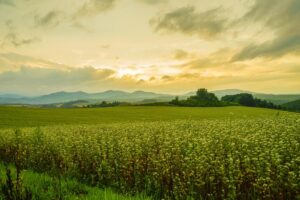
The nicest thing about this route is that it does not end when the flowers do. You can extend the day with a farm lunch, a short countryside walk, or a quiet overlook that gives you a broader view of the landscape. Those pauses matter because they turn the drive from a quick photo chase into a relaxed northern Japan day trip.
- Stop for a simple local meal before driving back.
- Look for small scenic pull-offs rather than only major attractions.
- Save one final viewpoint for later afternoon light if the weather stays clear.
If you want a broader route to compare against this more flower-focused trip, the East Coast lighthouse drive is a strong alternative for travelers who prefer coastal scenery over farm landscapes. It is the better next page if your trip may shift from blooms to shoreline views.
If you are ready to compare routes
Choose this guide if your priority is Hokkaido’s bloom season, Furano, and Biei. If you want a broader scenic-drive framework after that, the wider route collection in the scenic routes guide can help you compare trip styles without losing the focus on floral driving.
Common Questions About The Hokkaido Flower Fields Drive
Is Shikisai No Oka Worth Visiting?
Yes, especially if you want a classic Hokkaido flower-viewing stop with wide, colorful plantings and an easy fit into a Furano-Biei driving day.
When Is The Best Time To Visit Hokkaido Flower Fields?
July is the most famous month for lavender, but June through August usually gives you the widest choice of blooms and the best road-trip conditions.
How Much Is The Entrance To Hokkaido Flower Farms?
Entrance fees vary by farm and season, and some viewpoints are free while larger attraction-style flower farms may charge admission. Check the exact location before you go so you can budget for parking, food, and any ticketed stops.
What Is The Best Month To Visit Hokkaido Overall?
If your trip is built around flowers, July is often the strongest month; if you want more variety and a slightly longer bloom window, late June through August is the safer range.

Jessica Malone is a passionate writer and travel enthusiast, specializing in affordable car rental solutions. With a keen eye for detail, she explores various aspects of cheap car rentals, offering readers practical tips and insights to maximize their travel experiences. Through her engaging articles, Jessica aims to empower travelers to make informed decisions and navigate the world of online car rental services with ease.




This description of the Hokkaido flower fields drive evokes a strong sense of place and experience, which is compelling for anyone considering a visit. However, I wonder if the timing for the best blooms might vary slightly depending on weather patterns each year. For example, I recall a few summers where late frosts disrupted typical bloom cycles in other regions, which could affect scheduling.
I appreciate how you’ve captured the essence of a Hokkaido flower fields drive. It brings back wonderful memories of my trip there a couple of summers ago! I had the chance to experience the spectacular lavender fields in Furano firsthand, and it really felt like stepping into a living postcard.
I really enjoyed reading your post about the Hokkaido flower fields drive—it’s clear that this region offers a stunning array of natural beauty throughout the seasons. I remember planning a similar trip a few years back, and the bloom of lavender in Furano left such an impression on me. There’s something magical about the way the fields stretch out, creating a vibrant carpet of color against the backdrop of the mountains. It felt almost surreal, like being inside a painting.
I love how you’ve captured the essence of a Hokkaido flower fields drive! It’s funny because my dream has always been to experience Furano’s lavender fields, especially after seeing those scenic photos that seem to leap straight out of a painting. The timing you mentioned—mid-July for lavender and broader blooms from June to August—sounds perfect for planning a trip.
This blog post beautifully captures the essence of a Hokkaido flower fields drive, and it resonates with my own experience exploring the breathtaking landscapes of Furano and Biei. I particularly appreciate the emphasis on timing, as I found mid-July to be enchanting with the lavender fields in full bloom. The vibrant purples against the backdrop of the rolling hills create a scene that feels almost surreal.
Your insights on the best times to experience Hokkaido’s flower fields resonate deeply with me. Having visited these stunning landscapes during the summer months, I can attest to the incredible tapestry of colors that emerge, especially around mid-July for the lavender blooms. There’s something truly special about the scent of lavender filling the air while you drive through the picturesque fields.
This post really captures the essence of Hokkaido’s flower fields! I’ve always been drawn to the beauty of seasonal blooms, and your timeline of when to visit is super helpful. I remember my first trip to Furano; I was blown away by the sight of those vibrant lavender fields stretching for miles. It felt like stepping into a painting!
I can completely relate to that feeling of being in Furano. There’s something so surreal about being surrounded by those vivid shades of purple, and you’re right; it does feel like stepping into a living artwork. For me, it’s also about the scent—there’s nothing quite like the aroma of lavender in full bloom.
Your exploration of the Hokkaido flower fields drive is truly inspiring. The way you’ve highlighted the seasons and specific locations makes it feel attainable for those of us dreaming of that serene landscape. I can almost picture the vibrant lavender fields swaying gently in the breeze, surrounded by that stunning rural backdrop.
It’s lovely to read about the Hokkaido flower fields drive, especially the picturesque routes between Furano and Biei. I visited the region a couple of years back during July, and the lavender fields were stunning. There’s something distinctly calming about being surrounded by rows of vibrant flowers, with the scent of lavender filling the air.
This post beautifully captures the essence of Hokkaido’s flower fields and makes me reflect on my own experiences there. The drive from Furano to Biei truly feels like traversing through a vibrant painting, where each season offers its own unique palette. During my visit last summer, I was fortunate to hit the timing just right for the lavender bloom. The scent alone was intoxicating and made the experience all the more magical.
Your description of the flower fields in Hokkaido sounds absolutely enchanting. I vividly remember my own experience driving through this picturesque region last summer. The drive from Furano to Biei not only felt like a journey through a living postcard but also offered a serene escape from the everyday bustle of life. The combination of expansive fields of lavender paired with the rolling hills of Biei is indeed a sight to behold.
I love how you highlighted the seasonal beauty of Hokkaido’s flower fields! For me, visiting in mid-July was nothing short of magical—the lavender fields were vibrant and the air was filled with their calming scent. One of the unexpected joys was stumbling upon a small roadside farm where I got to chat with the owners about their flower-growing techniques; it really added a personal touch to the experience.
Tim, your insights on the Hokkaido flower fields drive capture such a vivid image of the natural beauty that awaits visitors. It’s fascinating how the landscape of Furano and Biei transforms through the seasons, creating a living tapestry that seems to change with each passing month. The specific timing you mention for the best blooms—mid-July for lavender and the broad variety from June to August—is incredibly helpful for those of us eager to experience the splendid colors in their full glory.
Your detailed description of the Hokkaido flower fields drive truly captures the essence of this stunning region. It evokes vivid images of rolling hills adorned with vibrant blooms, and the idea of turning a scenic route into a moving postcard resonates deeply with those of us who find solace and inspiration in nature.
I really appreciate the detail you’ve provided about the timing for visiting the flower fields in Hokkaido. It’s so helpful for planning a trip! I remember my own adventure through Furano a couple of years ago; the lavender farms took my breath away, and I can still recall the sweet scent lingering in the air.
Your description of the Hokkaido flower fields drive captures the essence of what makes that experience so magical. I’ve always been drawn to destinations that transform with the seasons, and Hokkaido seems to epitomize that in vibrant color. July sounds like the perfect time for a scenic drive, especially with lavender in full bloom—there’s something so calming about those rolling fields of purple.
This post really captures the essence of Hokkaido’s beauty! I love how you’ve broken down the best times to visit and how to maximize the experience. Having traveled through this area a few years ago, I can still picture the rolling fields of lavender in Furano. The vibrant purple against the backdrop of blue skies was like living inside a painting. It’s such a serene reminder of nature’s beauty.
Your description of the Hokkaido flower fields drive paints such a vivid picture of this stunning region. I can almost imagine the tranquility of driving through the vibrant lavender fields in Furano, where the colors and scents create a sensory experience unlike any other. It’s a reminder of the small yet profound joys nature can offer, particularly when we take the time to appreciate them.
I appreciate your focus on the timing and scenic routes for experiencing Hokkaido’s stunning flower fields. Having visited during mid-July, I can attest to the breathtaking beauty of the lavender fields in Furano—it’s a sensory overload in the best way possible!
This blog post captures the essence of a Hokkaido flower fields drive beautifully. Having taken this journey myself, I can affirm that the vibrant landscapes are indeed like a moving postcard. The timing you’ve shared is critical; I remember planning my trip around mid-July specifically for the lavender fields in Furano, and I was not disappointed. The deep purple hues against the backdrop of the mountains were more breathtaking in person than any photo can convey.
It’s fascinating how specific regions can become synonymous with particular natural beauty and seasonal offerings, and Hokkaido certainly encapsulates that. I had the chance to visit during mid-July a couple of years ago, and the sight of the lavender fields stretching towards the horizon, with their vibrant purple hues, was honestly mesmerizing. There’s something about the way the flowers sway gently in the breeze that feels so serene and meditative.
Reading your post brought back fond memories of my recent trip to Hokkaido! The stunning flower fields, especially those lavender hues in Furano, felt like stepping into an artist’s dream. I can definitely resonate with your suggestion about mid-July being the sweet spot; it’s when the air is heavy with that sweet lavender scent, and the colors are in full bloom, painting everything around in vibrant shades.
Your exploration of the Hokkaido flower fields drive really captures the essence of what makes this region a visual spectacle, especially during the peak blooming months. The way you delineate the best times to experience these breathtaking sights—particularly the lavender fields in July and the broader floral Displays from June to August—provides invaluable guidance for anyone looking to maximize their enjoyment of this natural beauty.
Your description of the Hokkaido flower fields drive paints such a vivid picture of the region’s natural beauty, which truly resonates with me. I’ve had the chance to visit a few flower fields in various locations, but the imagery of Hokkaido’s landscapes really captures what a transcendent experience a road trip can be. The changing palettes of Furano and Biei, especially during peak bloom, sound like they would give anyone a profound sense of connection to the earth and its cycles.
The description of Hokkaido’s flower fields evokes such a vivid mental image, it’s easy to imagine the scent of lavender and the warm sunshine on long drives. I remember my own journey through areas like Furano and Biei, not just for the stunning visuals but also for the quiet moments of reflection amid nature. There’s something meditative about slow travel, allowing you to truly engage with the landscape, stop at a roadside viewpoint, or chat with local farmers. It makes me think about how these experiences can shift our perception of travel from merely seeing sights to truly becoming a part of the environment we explore.
This post beautifully captures the charm of Hokkaido’s flower fields, particularly how they transform the landscape into a vibrant palette of colors throughout the warmer months. As someone who has experienced the synergetic beauty of nature and the joy of road-tripping through picturesque regions, I appreciate your insights into crafting an ideal itinerary.
This post makes me nostalgic for the times I’ve spent exploring the Hokkaido flower fields. The vibrant colors really do transform the landscape into a living postcard! I’ve always found that taking a few hours to wander through the farms really enhances the experience, especially when you can catch the scent of lavender in the air. It’s also interesting how the seasonal aspect of these flowers impacts the route; I’ve been a few times, and mid-July definitely feels like the peak.
I can relate to that nostalgic feeling you get when reminiscing about the Hokkaido flower fields. There’s something magical about being surrounded by those bursts of color—it’s like nature’s very own art gallery. I love taking the time to really soak it all in, just wandering and letting the scents wash over me. Lavender definitely has that calming effect, doesn’t it? It’s fascinating how the sense of smell can transport us back to a specific moment or place.
I found your insights about the Hokkaido flower fields drive particularly intriguing, especially the emphasis on timing with the different blooms. Experiencing the lavender fields in Furano is something I’ve always dreamed of, and I appreciate how you highlighted the significance of mid-July for the lavender season.
I appreciate the detailed breakdown of the best times and routes for the Hokkaido flower fields drive! The emphasis on mid-July for lavender is particularly intriguing—I’ve heard that the scent of those vast lavender fields is something truly magical. It makes me think about how nature’s beauty can significantly enhance our mental well-being, too.
This post really captures the essence of a trip to Hokkaido! I remember driving through that area a couple of summers ago, and I was taken aback by how each turn brought new bursts of color. The lavender fields in Furano are nothing short of magical—visiting then felt like wandering through a painting. I love your suggestion for first-timers to spend one or two days there. It really allows you to soak in the beauty without feeling rushed.
Your focus on the Hokkaido flower fields drive perfectly captures the essence of what makes this region so special. I’ve personally experienced the vibrant landscapes of Furano and Biei during mid-July, and the sight of lavender fields in full bloom truly feels like walking through a living painting. The fragrance, coupled with the endless rows of purple stretching to the horizon, creates an almost surreal atmosphere that stays with you long after you leave.
Reading about the Hokkaido flower fields drive truly evokes a sense of wanderlust, and your insights into the seasonal beauty of Furano and Biei resonate deeply with me. The idea of these regions transforming into a vibrant tapestry of colors throughout the late spring and summer is incredibly inspiring. I find it interesting how the natural cycles of blooming flowers can mirror our own rhythms of life. Just as the lavender blossoms in July captivate so many, our experiences can also reach their peak at certain times, offering moments that feel particularly vibrant and unforgettable.
Tim, your insights on the Hokkaido flower fields drive really resonate with me. I visited last summer during the peak lavender season, and the beauty was truly captivating—a living canvas of colors. I found it fascinating how each area has its own charm; Furano’s lavender fields are iconic, but Biei’s rolling landscapes offered a different kind of serenity.